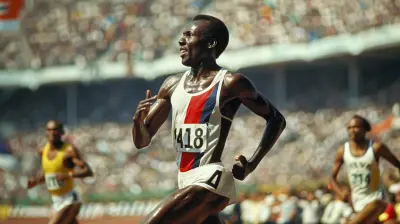
How to Qualify for the Olympics: The Journey of an Athlete
27 January 2026
So, you've watched the Olympics, felt that rush, and thought, “One day, that could be me.” That dream? It’s bold, it’s beautiful, and guess what — it’s possible. But let’s be real for a second. The road to the Olympic Games? It’s tough. Not “I missed lunch” tough. We’re talkin’ blood, sweat, and years of grinding when nobody’s watching.
In this no-nonsense, straight-from-the-heart guide, we’re diving deep into what it really takes to qualify for the Olympics. The sacrifices. The little wins. The grueling training. And yeah, the paperwork too. If you’ve ever wondered how the heck someone goes from a backyard athlete to marching with the world's best, strap in — this is your roadmap.
What Does It Mean to Qualify for the Olympics?
Let’s start with the basics. Qualifying for the Olympics isn’t just about being good at your sport. It’s about being one of the absolute best — in your country and in the world. We're talking next-level excellence.Different sports have different criteria. Some use time standards (like track or swimming). Others, like boxing or wrestling, have regional qualifiers. Team sports? That’s a whole other beast — usually it’s the nation that qualifies, not individuals.
But regardless of the path, the goal is the same: earn the right to represent your country on the biggest sporting stage in the world.
Step 1: Choose Your Sport Early and Stick With It
Let’s get this out of the way: if you’re 30 and just starting gymnastics, the Olympic dream might be a stretch. But hey, there are plenty of sports where late bloomers shine — think shooting, equestrian, or even rowing.But the earlier you commit, the better. Olympic hopefuls often start when they’re still in elementary school. That doesn’t mean you need to be some toddler prodigy, but you do need consistency. You can't switch sports every other month and expect to build elite-level skill.
Pro Tip: Find a sport that fits your body type, mental style, and passion. You’ll be spending a lot of time with it.
Step 2: Get a Coach (A Damn Good One)
Here’s the deal — talent is great, but talent without guidance is wasted potential. You need someone who's been there. Or at least taken others there.A good coach does more than teach technique. They’ll push you when you want to quit, plan your path to Olympic trials, and keep your eyes on the prize when distractions come knocking.
Ask around. Do your research. If your coach doesn’t know how Olympic qualification works for your sport, find someone who does.
Step 3: Join a Club or National Program
If you want to be elite, you need to train with the elite. Period.Joining a reputable club or national development program gets you access to better facilities, high-stakes training opportunities, and most importantly — visibility. You want decision-makers to know your name and see your stats.
For many athletes, federations or national governing bodies pick who represents them. If they’ve never heard of you? Good luck.
Step 4: Compete Like Your Life Depends on It
Wanna qualify? Then prove it — over and over again. You can’t just have one good year or one great meet.You’ll need to consistently rack up results at:
- Local and regional competitions
- National championships
- International qualifiers (if required)
These aren’t just for bragging rights. Many Olympic spots are awarded based on world rankings or qualifying times/scores. You don’t get credit for effort — just results.
Step 5: Know the Qualification Criteria for Your Sport
Every sport is wildly different when it comes to getting into the Olympics.Some examples?
- Track & Field: Hit a qualifying time or place high at national trials.
- Boxing: Win at continental qualifiers.
- Skateboarding: Accumulate ranking points over a series of events.
- Archery: Earn quota spots for your country, then get selected.
And it’s not just about being good — it’s about understanding the system. Download your sport’s Olympic qualifying document, highlight it, sleep with it under your pillow. Know it like your Netflix password.
Don’t assume. Learn the rules of the game you’re playing.
Step 6: Stay Injury-Free (As Much as Humanly Possible)
Let’s talk about the silent killer of Olympic dreams — injury. One wrong step, an overused muscle, a stupid fall — and boom, years of preparation gone.Listen to your body. Rest days aren’t lazy. They’re smart. Get regular physio checkups, stretch like your future depends on it (because it kinda does), and never ignore nagging pain.
Pro athletes treat recovery as seriously as training. Follow their lead.
Step 7: Handle the Mental Game
Here’s the no-BS truth: your mind will try to quit before your body does.There will be days you’ll want to sleep in instead of train. Days you’ll lose. Days you’ll feel like a fraud. That voice in your head? It’ll whisper that you’ll never make it. You’ve got to beat that voice. Every. Single. Day.
Mental coaching, meditation, visualization — these aren’t luxury tools. They’re necessities. If your sport doesn’t have a psychologist on staff, find someone. The Games are mental as much as physical.
Step 8: Get Ranked, Get Noticed
If your sport uses a world ranking system, this is your playbook:- Pick strategic competitions to maximize points
- Crush them
- Rinse and repeat
Sometimes, you don’t need to win everything — you just need consistency. Accumulate points, keep climbing the rankings, and make it impossible for selectors to ignore you.
Step 9: Qualify Through Your Country (Or Another… Sometimes)
Here’s where it gets spicy.Most athletes compete under their birth nation. But if your country’s team is stacked, and you have dual citizenship — you might explore other options. Many athletes compete for the country of their parents, or where they’ve naturalized.
It’s not loophole abuse. It’s strategy.
But you better believe people are gonna talk. You’re gonna need thick skin and a long-term vision.
Step 10: Make It Through the Final Selection
Here’s the kicker — even if you qualify your country, you might not be the one sent to the Games.Why? Because in some sports (especially team events), your nation earns quota spots, and selectors choose who fills them.
That means politics, trials, and sometimes even controversy.
It’s brutal. But it’s part of the game. So when you finally get that call, when you’re officially named to the Olympic team? You’ll know — you clawed your way there.
Bonus Round: Life After Qualifying
We’re not stopping at the opening ceremony — oh no. Once you’ve qualified, a new phase begins:- Intense pre-Olympic training camps
- Media commitments
- Travel logistics
- Mental prep for the biggest moment of your life
You don’t just go to the Olympics. You own that moment. Represent your flag. Compete like hell. Leave it all out there.
Because qualifying is only the beginning.
The Harsh Truth: Most Don’t Make It
Let’s drop a truth bomb — millions dream of the Olympics. Only thousands make it. Fewer win medals.So you have to be obsessed. Not just interested. Obsessed enough to make the sacrifices:
- Miss social events
- Budget every dollar
- Train through holidays
- Push past self-doubt
But if you're wired for greatness, none of that will scare you. It’ll fuel you.
So… Do You Still Want It?
If you’re reading this far, you’re not just curious. You’re hungry. You’ve got that “what if” spark.And here’s the truth: the journey to the Olympics will humble you, challenge you, and change you. But it will also show you what you’re made of.
Whether you make it to Paris, Los Angeles, or the Games after that — the pursuit alone transforms you into something rare. Something elite.
So, lace up. Step up. And grind like your name’s already on that roster.
Because it might be — if you fight for it.
all images in this post were generated using AI tools
Category:
OlympicsAuthor:

Onyx Frye
Discussion
rate this article
2 comments
Azura McDowney
This article insightfully highlights the rigorous dedication and multifaceted challenges athletes face on their Olympic journey, emphasizing resilience and strategic planning as key factors.
February 18, 2026 at 5:50 AM
Onyx Frye
Thank you for your thoughtful comment! I'm glad you found the article highlights the resilience and strategic planning essential for Olympic qualification.
Zorina Hensley
Qualifying for the Olympics requires unwavering dedication, unparalleled discipline, and relentless pursuit of excellence. Only the strongest will rise to the challenge.
January 29, 2026 at 4:53 AM
Onyx Frye
Absolutely! The Olympic journey demands the utmost commitment and resilience—attributes that truly define a champion.