Conquering the Waves: A Beginners Guide to Big Wave Surfing
1 March 2026
So you’ve felt the tug of the ocean, the pull of the tide, and your heart skips a beat every time a massive wall of water crashes into shore. Sound familiar? If you're dreaming of riding waves taller than lampposts and dancing with the raw energy of the ocean, big wave surfing might just be calling your name.
Now, I won’t sugarcoat it—big wave surfing isn’t your average Sunday paddle. It's thrilling, intense, and yes, a little scary. But with the right mindset, training, and preparation, it's not some far-off fantasy. It’s totally doable.
Let’s paddle out together and break it all down in this beginner’s guide to big wave surfing.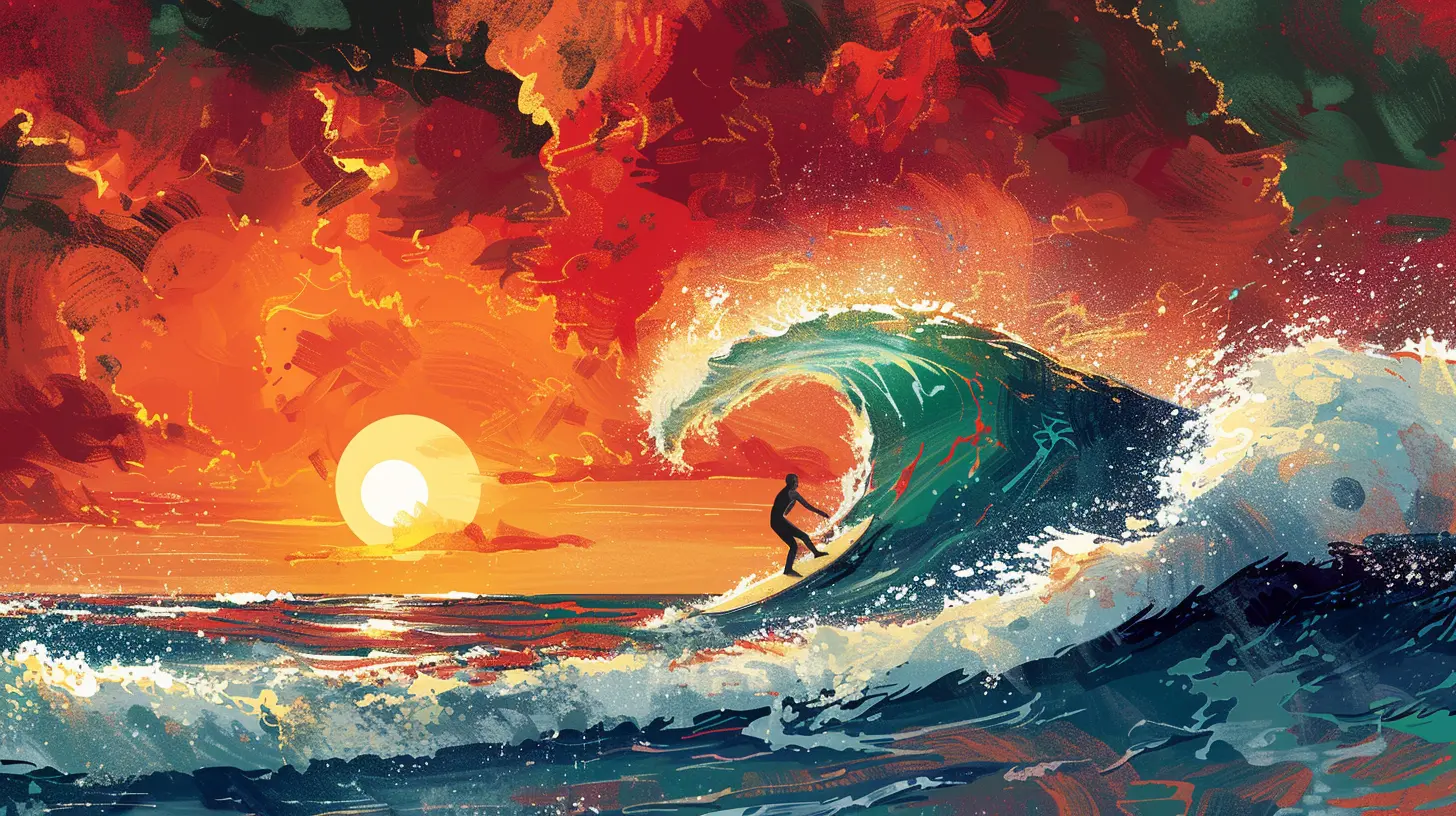
What Is Big Wave Surfing, Really?
Big wave surfing isn’t just catching a larger-than-usual swell. We’re talking monsters here—waves starting at 20 feet high and often reaching 60 feet or more. At that size, the ocean becomes an entirely different beast. The speed, the force, the sheer size—it’s like trading in a go-kart for a Formula 1 race car.But don’t freak out just yet. Big wave surfing is a journey, not a single leap. You don’t go from beginner to charging Jaws overnight. It’s a gradual process that begins with understanding what you’re getting into.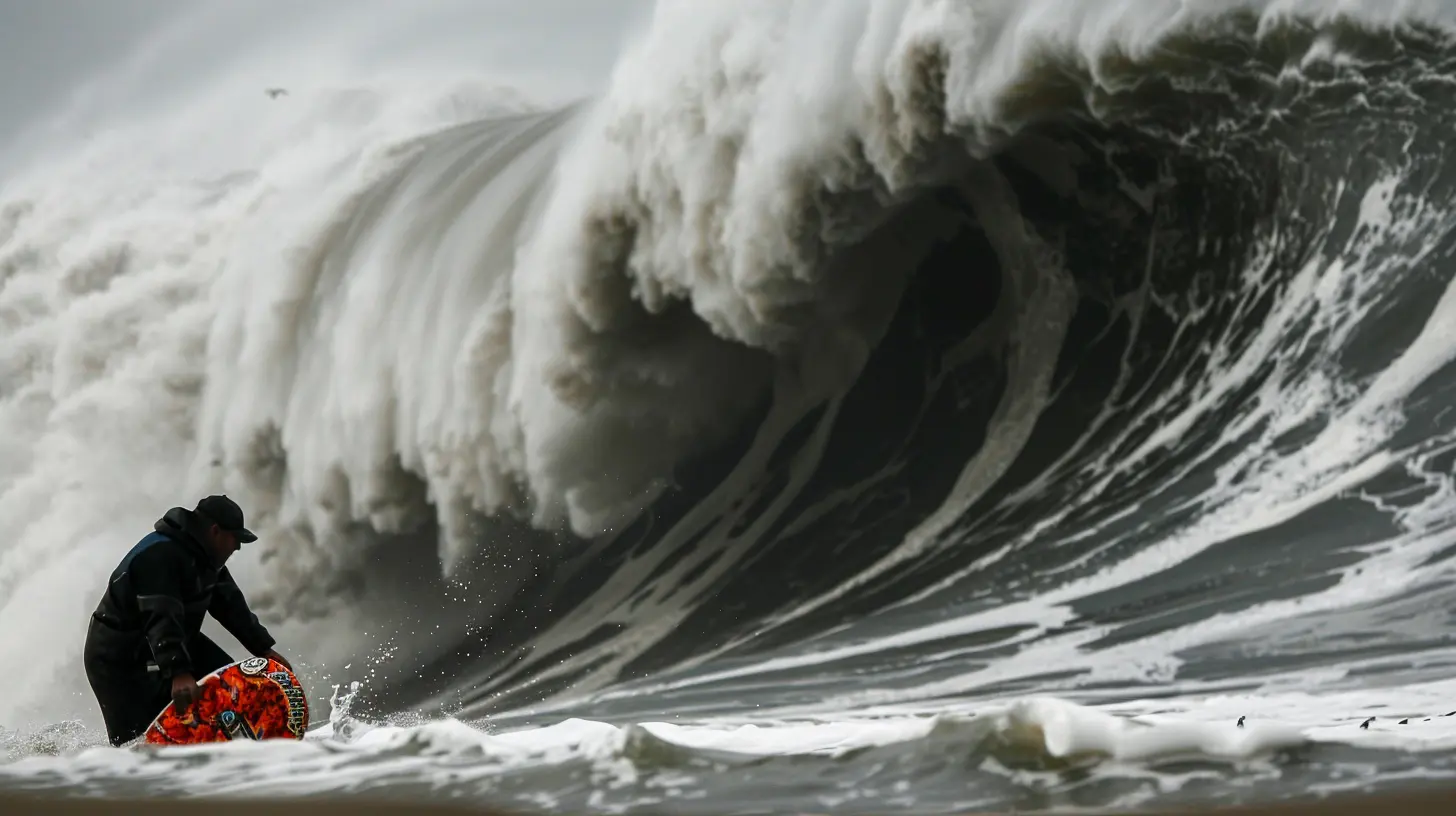
Why People Are Drawn to Big Waves
You might ask: Why would anyone willingly throw themselves into towering walls of water? The answer is simple—passion. That heart-thumping, soul-awakening thrill when you drop into a giant wave is unlike anything else on Earth.It’s adrenaline. It’s challenge. It’s communion with nature at its most raw and powerful. And for many surfers, it’s the ultimate goal. Once you catch your first big wave, there’s no going back.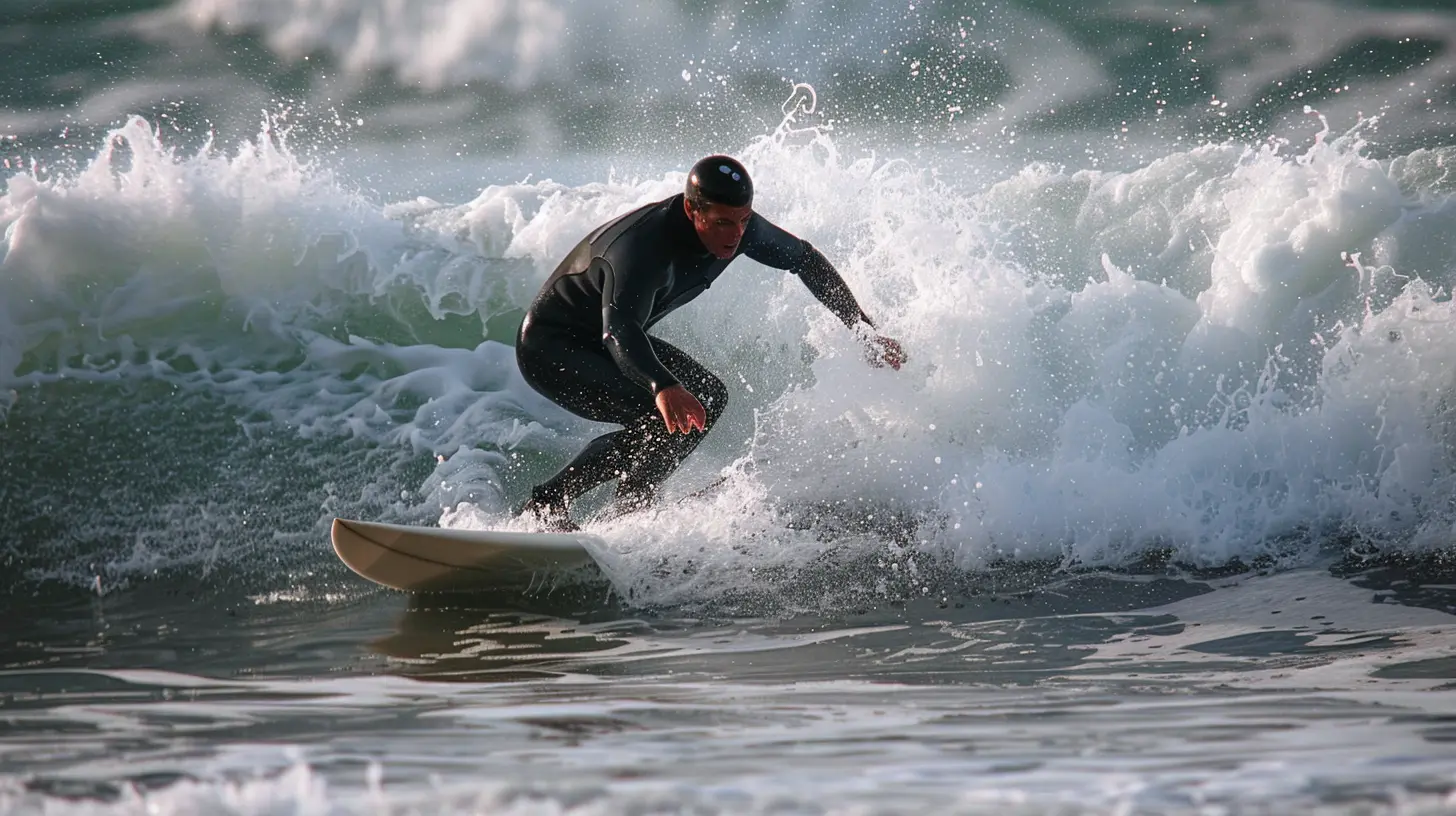
Starting With the Basics: Build The Foundation
Before you dream of riding giants, you gotta master the fundamentals.Get Comfortable on the Small Stuff
Start small. And I mean really small. If you’re still figuring out your balance or how to paddle efficiently, you’ve got work to do. There's no shame in starting at your local beach break knee-high rollers. Perfect your popup, learn how to duck dive, and get to know how waves behave.Understand the Ocean
The ocean’s not just water—it’s alive. Learn to read waves, identify rip currents, understand tides, and keep an eye on swell direction and wind patterns. Big wave surfers are like weathermen with boards. They constantly analyze conditions to figure out when—if ever—it’s worth paddling out.Water Confidence Is Everything
Swimming skills matter. And I don’t mean your backstroke from high school gym class. You need serious breath-hold capabilities and the ability to stay calm when you’re getting rag-dolled by a wave. Underwater training and freediving techniques will become your new best friend.
Gear Up Like a Pro
Big waves require big (and very specific) gear.The Board
Forget your standard shortboard. Big wave surfers use guns—that’s what they call the long, narrow boards designed for paddling fast and handling high-speed drops. These boards are usually 9 to 11 feet long and built to slice through water like a missile.The Wetsuit
Depending on where you're surfing (Mavericks or Waimea ain’t exactly warm), a thick wetsuit—usually 4/3mm or 5/4mm—is essential. Not just for warmth, but for flotation. Many now come with integrated float vests.Safety Essentials
Let’s talk about the elephant in the lineup—wiping out on a big wave is no joke. That’s why every surfer venturing into big wave territory should be wearing:- Inflatable impact vests: They help bring you to the surface after a wipeout.
- Big wave leashes: Reinforced and longer than usual to handle the force of a 40-foot wave.
- Helmets: Yes, helmets. Your skull is precious, and reef breaks don’t care.
Mental Game: Overcoming Fear, Not Ignoring It
Look, fear is natural. You're staring down a mountain of water that could toss you like a rag doll. But the key isn’t pretending you're fearless—it's learning how to manage that fear.Visualization Techniques
A lot of top surfers use mental imagery before sessions. Picture yourself riding the perfect wave, nailing the drop, staying in control. If you "see" success enough times, your brain starts to believe it.Breathwork and Meditation
Staying calm is EVERYTHING. Big wave hold-downs can last 20 seconds… sometimes more. Calm minds conserve oxygen and make better decisions. Start practicing breath control exercises like box breathing or Wim Hof techniques. You'll thank yourself later.Finding the Right Spot (And the Right Time)
Not every wave is meant to be surfed—especially by a beginner. Start by spectating. Head to famous big wave spots like:- Mavericks (California)
- Nazare (Portugal)
- Jaws (Hawaii)
- Shipstern Bluff (Australia)
But just to watch. Not surf. These waves are fierce, and you'll learn a ton just from observing the rhythm, the takeoffs, and how experts handle themselves.
When you’re ready, find places with manageable big waves—think 10 to 15 feet (yes, that’s still big)—with deeper channels and safer paddle-outs. Portugal’s beach breaks or some Hawaiian outer reefs offer decent intro options, weather permitting.
Find a Mentor or Join a Surf Program
You wouldn’t go skydiving without an instructor, right? Same logic here.Seek out experienced surfers who can guide you. There are also big wave training programs both in-person and online that teach everything from breath-hold training to survival drills. Some programs even simulate wipeouts in wave pools or with resistance gear.
Never Surf Alone
Ever. Period. Big wave surfers always have a buddy system. Often, there’s a team on jet skis to rescue downed riders. That kind of backup isn't optional—it’s a lifeline.Physical Training: Get Fit or Get Wrecked
Big wave surfing is as physical as it gets. You need the endurance of a marathon runner, the strength of a gymnast, and the mental control of a monk. Okay, maybe not quite, but close.Cross-Training Is Key
Here’s a weekly breakdown to level up your fitness:- Breath-hold drills 3x/week
- Swimming laps 2x/week (freestyle or underwater laps)
- Strength training 3x/week (focus on core, legs, and paddle strength)
- Surfing smaller waves as often as possible
- Yoga or stretching daily to stay flexible and prevent injuries
Don’t Forget Recovery
Ice baths, foam rolling, proper sleep, and nutrition. These are just as important as the workouts. Your body needs to be in peak condition to perform when it counts.The First Big Wave: What to Expect
Your first big wave? It’s a moment you’ll never forget. Your heart will race, your breath will falter, and as you paddle in, every cell in your body will scream, “Are you sure about this?!”But then it happens.
You make the drop. You carve down the face. The world slows. For a moment, it's just you and the wave. And when you kick out or wipe out (either’s possible!), you’ll emerge reborn.
It’s addictive. Plain and simple.
Safety First, Always
This sport can be downright dangerous if you skip the necessary steps. Drownings, concussions, broken bones—it’s not a joke.That’s why safety is priority number one, always.
Here’s your must-follow checklist before paddling into your first big set:
- ✅ Strong swimming ability
- ✅ Breath-hold training
- ✅ Physical and mental conditioning
- ✅ Proper gear
- ✅ Surf buddy or rescue backup
- ✅ Experience in medium-size surf (10–15 feet)
- ✅ Understanding of weather and swell patterns
Start smart, and you’ll stay safe.
A Final Word: You’ve Got This
Big wave surfing isn’t about being fearless—it’s about being prepared. It’s about respect—for the ocean, for your own limits, and for the process of learning.Every great surfer started where you are right now: wondering if this life was meant for them.
Truth is, if you’ve got the passion, patience, and persistence, big wave surfing is for you.
The waves may be big, but so is your potential.
Now go get out there and start training. The giants are waiting.
all images in this post were generated using AI tools
Category:
Extreme SportsAuthor:

Onyx Frye
Discussion
rate this article
2 comments
Hadley Rios
Great tips! Ready to ride the waves!
March 11, 2026 at 4:21 AM
Onyx Frye
Thanks! Enjoy the ride and stay safe! 🌊🏄♂️
Zachary McGrath
Beyond the thrill lies a secret. What whispers do the waves hold for those daring enough to listen?
March 5, 2026 at 3:52 AM
Onyx Frye
The waves have stories to tell, waiting for those who are ready to embrace the challenge and truly listen.