Will the 2026 ICC Champions Trophy Spark a New Era of Cricket?
16 September 2026
The Champions Trophy has always occupied an odd place in cricket's crowded calendar. It is not the marathon of a World Cup, nor the relentless grind of a bilateral series. It is short, sharp, and unforgiving. Eight teams, a group stage that offers almost no room for a slow start, and a knockout phase that can end a campaign in a single afternoon. When the 2026 edition arrives, it will land in a sport that is changing faster than at any point in its modern history. The real question is not whether the tournament will produce good cricket. It almost certainly will. The question is whether it can reshape how the game thinks about itself.
That is a bigger claim than it sounds. Tournaments rarely change a sport on their own. What they do is expose tensions that were already there, then amplify them until administrators, players, and fans can no longer ignore them. The 2026 Champions Trophy has that potential, but only if the conditions around it cooperate. Let me walk through what those conditions are, why they matter, and where the genuine opportunities and risks sit.
Why the Champions Trophy Format Is Uniquely Suited to This Moment
Short tournaments reward clarity, not conservatism
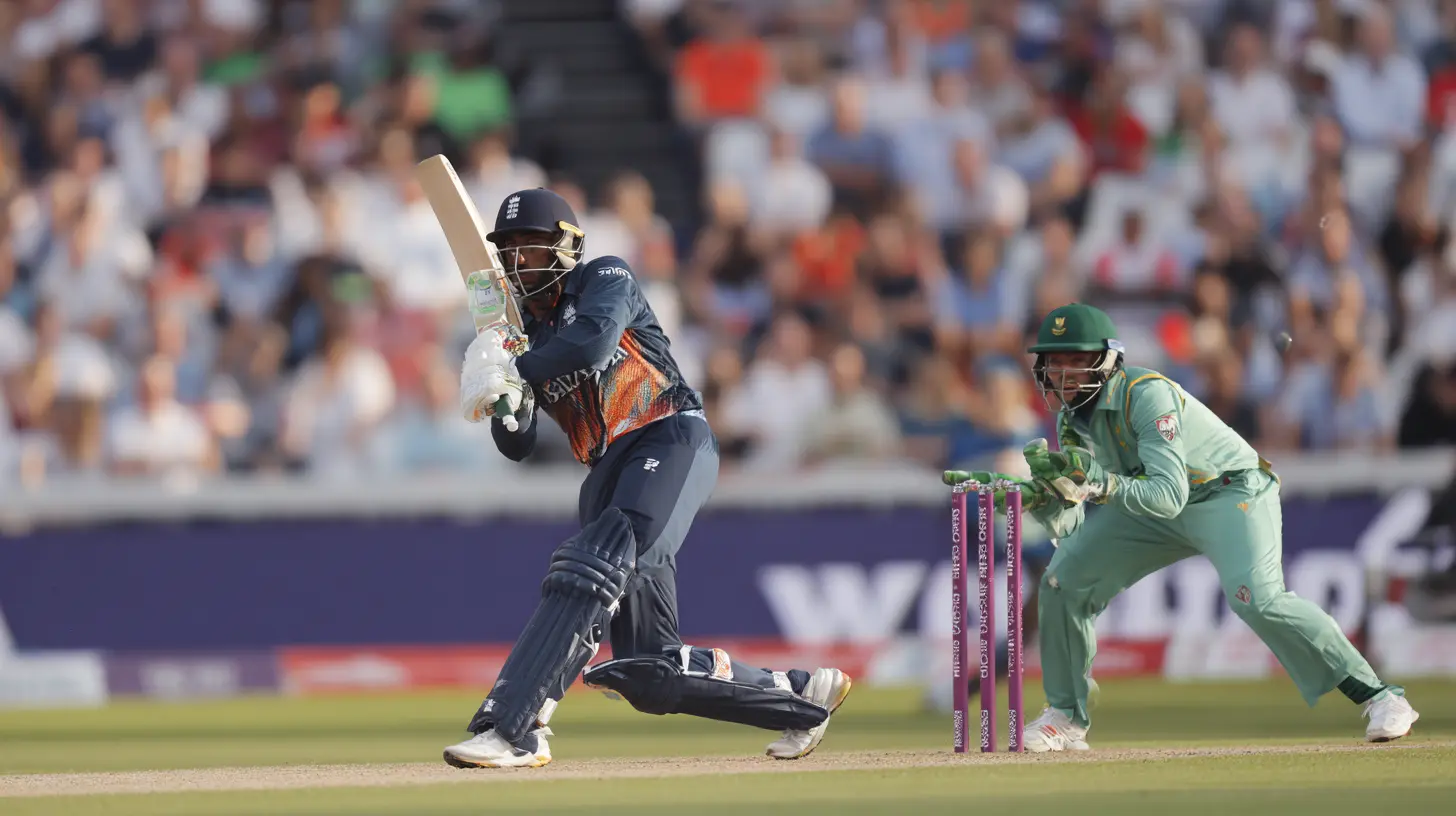
A 50-over World Cup rewards squad depth and the ability to pace a long campaign. A T20 league rewards explosive individual skill and matchup hunting. The Champions Trophy sits between them. Its group stage is short enough that one bad day can be fatal, which forces captains to make decisions earlier and more aggressively than they normally would.That matters because international cricket has drifted toward caution in the ODI format. Teams often treat the first 20 overs as a settling-in period, then accelerate. In a tournament where net run rate can decide qualification, that approach becomes risky. A team that leaves acceleration too late may win but fail to qualify. The format quietly punishes passive cricket, and that is a feature, not a bug.
The eight-team field creates genuine stakes
With only eight participants, the Champions Trophy avoids the lopsided group games that dilute early rounds of larger events. Every match has real consequence. For broadcasters, that means consistent engagement. For players, it means pressure from ball one. For fans, it means fewer dead rubbers.The trade-off is obvious. A smaller field means fewer opportunities for emerging cricket nations. A team that just misses qualification has no consolation path. Whether that is acceptable depends on what you think the tournament is for. If it is a showcase of the best, the small field works. If it is a development tool, it does not.
The Commercial and Structural Forces Shaping 2026
The crowded calendar problem
The biggest threat to the 2026 Champions Trophy is not the quality of cricket. It is fatigue. Between franchise leagues, bilateral series, and other ICC events, the international calendar is stretched thin. Players are increasingly choosing which competitions to prioritize, and that choice is often driven by workload management rather than prestige.This creates a genuine tension. A tournament can only spark a new era if the best players are present, fully committed, and not arriving exhausted from a league season on the other side of the world. Administrators can schedule around this, but they cannot fully solve it. The most practical step is to protect a clear window before the tournament and avoid stacking warm-up series immediately before it. That sounds simple. In practice, it requires negotiations between boards with competing financial interests.
What "a new era" would actually look like
It is worth being precise here, because the phrase gets thrown around loosely. A new era in cricket would involve at least one of the following:- A shift in how the ODI format is played, with more aggressive batting earlier in innings.
- A change in how tournaments are structured, perhaps with promotion and relegation or a qualifying pathway.
- A rebalancing of power between the big three boards and everyone else.
- A new model for how players are compensated and rested across formats.
A single tournament cannot deliver all of that. But it can validate one of those directions and make it harder to ignore. That is the realistic version of "new era."
Lessons From Past Editions That Still Apply
The Champions Trophy has a history of producing moments that linger. Close finishes, unexpected finalists, and individual performances that briefly redefine what is possible in the format. Those moments matter because they change what teams believe is achievable.There is a pattern worth noting. When a team wins this tournament, it is usually because it adapted faster than its opponents, not because it had the most talent on paper. That is a useful lesson for 2026. Squads that arrive with rigid plans tend to struggle. Squads that read conditions, rotate bowlers intelligently, and adjust batting orders mid-tournament tend to thrive.
Common mistakes teams make in short tournaments
1. Over-relying on a settled eleven. In a short event, a single injury or loss of form can derail a campaign if there is no Plan B.2. Ignoring net run rate until it is too late. A slow win in game one can cost a team a semifinal spot.
3. Bowling conservative lengths in the middle overs. Modern batting lineups punish this more than they did a decade ago.
4. Treating the group stage as a warm-up. There is no warm-up in an eight-team event.
Each of these is avoidable. Each is also common. That gap between what teams know and what they do is where tournaments are won and lost.
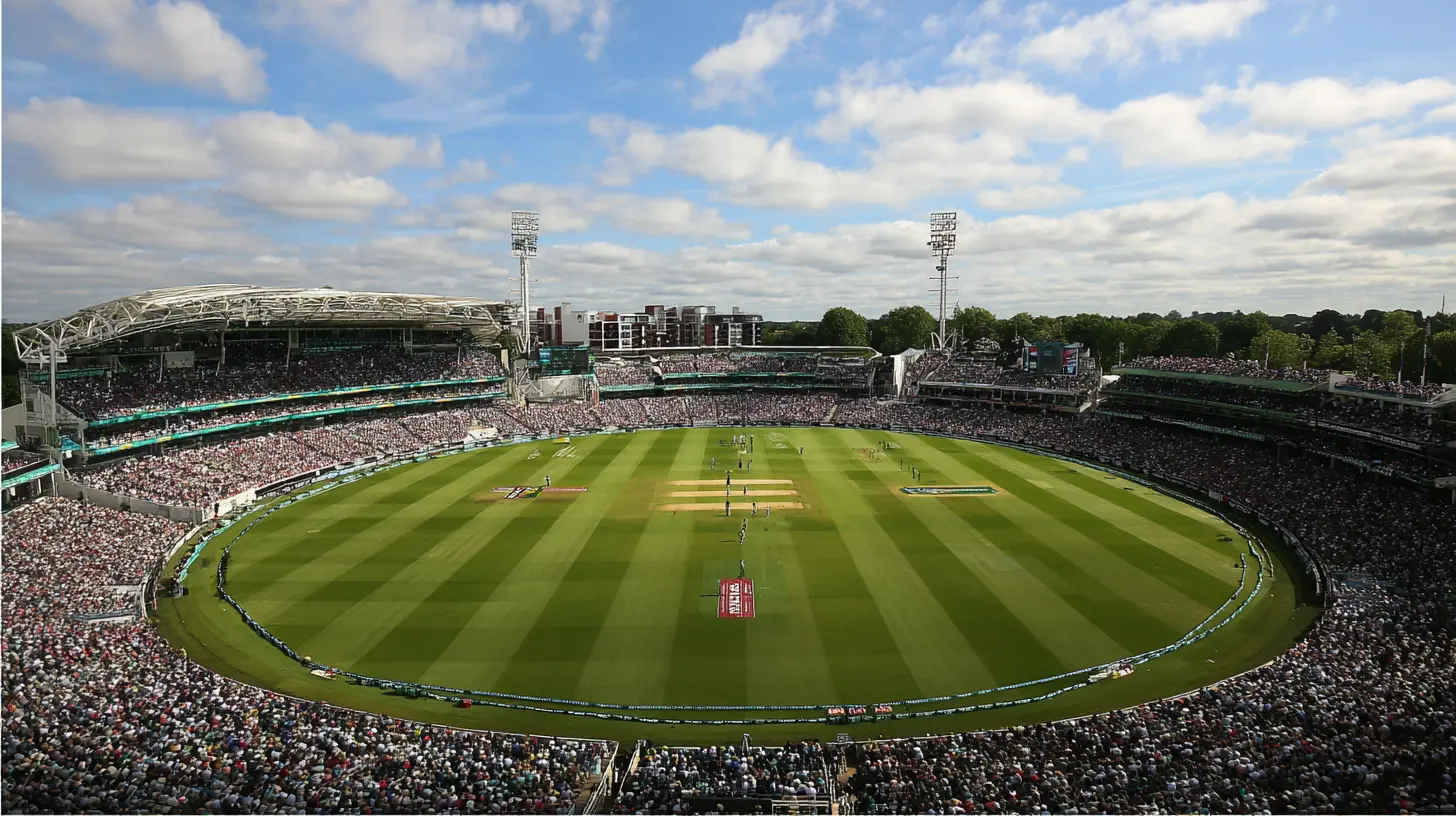
The Playing Conditions and Tactical Evolution
Why batting first may become more attractive
In recent years, chasing has become the default preference in limited-overs cricket, largely because of improved batting depth and the predictability of dew under lights. But that calculus shifts depending on venue, time of year, and pitch preparation. If the 2026 tournament is played on surfaces that grip or slow down in the second innings, teams that bat first and post a score will have a structural advantage.The practical advice for teams is straightforward: do not decide based on habit. Decide based on the specific venue and the specific day. A captain who wins the toss and automatically chooses to chase without checking the pitch report is handing back a small but real edge.
The role of spin in a short tournament
Spin has always been a weapon in subcontinental conditions, but its role in short tournaments is different from bilateral series. In a long series, batters get multiple looks at the same bowler and adjust. In a short tournament, a quality spinner can remain effective because batters do not get enough repetitions to solve him.This is why teams often carry two or three frontline spinners in these events, even if the conditions do not obviously demand it. The trade-off is that it reduces batting depth or pace options. The best teams manage this by selecting all-rounders who can bowl spin and bat in the top seven.
What Would Make 2026 Genuinely Transformative
A qualifying pathway that means something
One of the most credible ways the 2026 Champions Trophy could spark change is by strengthening its qualification process. If teams outside the traditional top eight can see a realistic path to the tournament, the event becomes a genuine global competition rather than an invitational. That requires a qualification structure that is transparent, well-scheduled, and not stacked in favor of established boards.The obstacle is financial. A qualifying tournament involving smaller nations generates less revenue than a marquee event featuring the biggest teams. Boards have to decide whether they want a closed shop that maximizes short-term revenue or an open system that grows the game. There is no free lunch here. But the Champions Trophy, precisely because it is small, is a natural testing ground for a more open model.
A format that rewards adaptability
Another possibility is that the tournament's short format pushes teams toward more flexible selection. Instead of picking the eleven best players, teams might pick the eleven best players for the specific conditions of each match. That sounds obvious, but in practice, many teams still select a fixed eleven and only change it when forced.If 2026 rewards teams that rotate intelligently, that behavior could carry over into other tournaments. That would be a genuine shift in how international cricket is played.
The Risks That Could Undermine the Tournament
Player burnout and withdrawal
The most direct risk is that key players withdraw or arrive underprepared. When that happens, the tournament loses some of its legitimacy. Fans notice. Broadcasters notice. The event starts to feel like a second-tier competition even if it is not.The best mitigation is a protected window with no overlapping franchise commitments. Whether that is achievable depends on the willingness of leagues and boards to cooperate. Historically, that cooperation has been inconsistent.
Over-commercialization
Another risk is that the tournament becomes so saturated with branding, advertising, and ancillary content that the cricket itself feels secondary. This is a real concern in modern sports. The Champions Trophy has always been a relatively lean event. Preserving that leanness, while still generating revenue, is a balancing act.Weather and scheduling disruption
Short tournaments are vulnerable to weather. A washed-out match can distort the group table and create unfair outcomes. The only real solution is scheduling with reserve days where possible and choosing venues with reliable weather. That is easier said than done, but it is worth prioritizing.How Fans and Analysts Should Read the 2026 Edition
It is tempting to judge a tournament by its final. That is a mistake. The more useful signal is how the middle-tier teams perform. If a team outside the traditional elite reaches the semifinals and does so by playing a distinct style, that tells you something about where the game is heading. If the same four teams dominate as always, the tournament is a confirmation rather than a catalyst.Watch for three things:
- Whether teams bat more aggressively in the first 15 overs than they did in the last major ODI event.
- Whether spinners dominate the middle overs or whether pace and cutters take over.
- Whether selection decisions look reactive or planned.
Those three data points will tell you more about the future of the format than the trophy presentation.
Practical Takeaways for Teams Preparing for 2026
If you are involved in team planning, here is what the evidence suggests you should prioritize:1. Build a squad with at least two all-rounders who can bowl spin and bat in the top six. This gives you flexibility without sacrificing balance.
2. Prepare for the possibility of batting first. Have a clear plan for setting a target rather than only chasing one.
3. Use the warm-up matches to test combinations, not to confirm your preferred eleven. The information you gain is more valuable than the results.
4. Practice net run rate scenarios. Have a designated person tracking the table during matches so the captain knows exactly what is needed.
5. Manage workload before the tournament. A rested player at 90 percent is usually more valuable than an exhausted player at 100 percent.
These are not revolutionary ideas. They are simply the things that good teams do and that struggling teams neglect.
The Bigger Picture: What a New Era Would Require
A tournament can be a spark. It cannot be the fire. For the 2026 Champions Trophy to genuinely shift cricket's trajectory, three things need to happen at once. The cricket needs to be compelling. The structure needs to reward the right behaviors. And the administrators need to use the tournament as evidence for broader reforms rather than treating it as a one-off revenue event.If those three align, the 2026 edition could be remembered as the moment the ODI format found its identity again, or the moment a more open qualification model took root. If they do not align, it will be a well-played tournament that leaves no lasting mark. Both outcomes are possible. The difference will come down to choices made long before the first ball is bowled.
all images in this post were generated using AI tools
Category:
Upcoming TournamentsAuthor:

Onyx Frye