Why Draft Order Isn’t Always a Predictor of Success
2 November 2025
Let’s be real — there’s a ton of hype that surrounds the draft in every major sport. Whether it's the NFL, NBA, MLB, or NHL, analysts spend countless hours breaking down college stats, physical attributes, and "intangibles" to determine who's worthy of a high draft pick. But here’s the kicker: more often than not, those top picks don’t live up to the hype. Meanwhile, some late bloomers, passed over by just about everyone, go on to become absolute legends.
So, the big question is: if the draft order is based on who the experts think are the most talented or promising, why doesn't it always translate into long-term success?
Let’s break it down.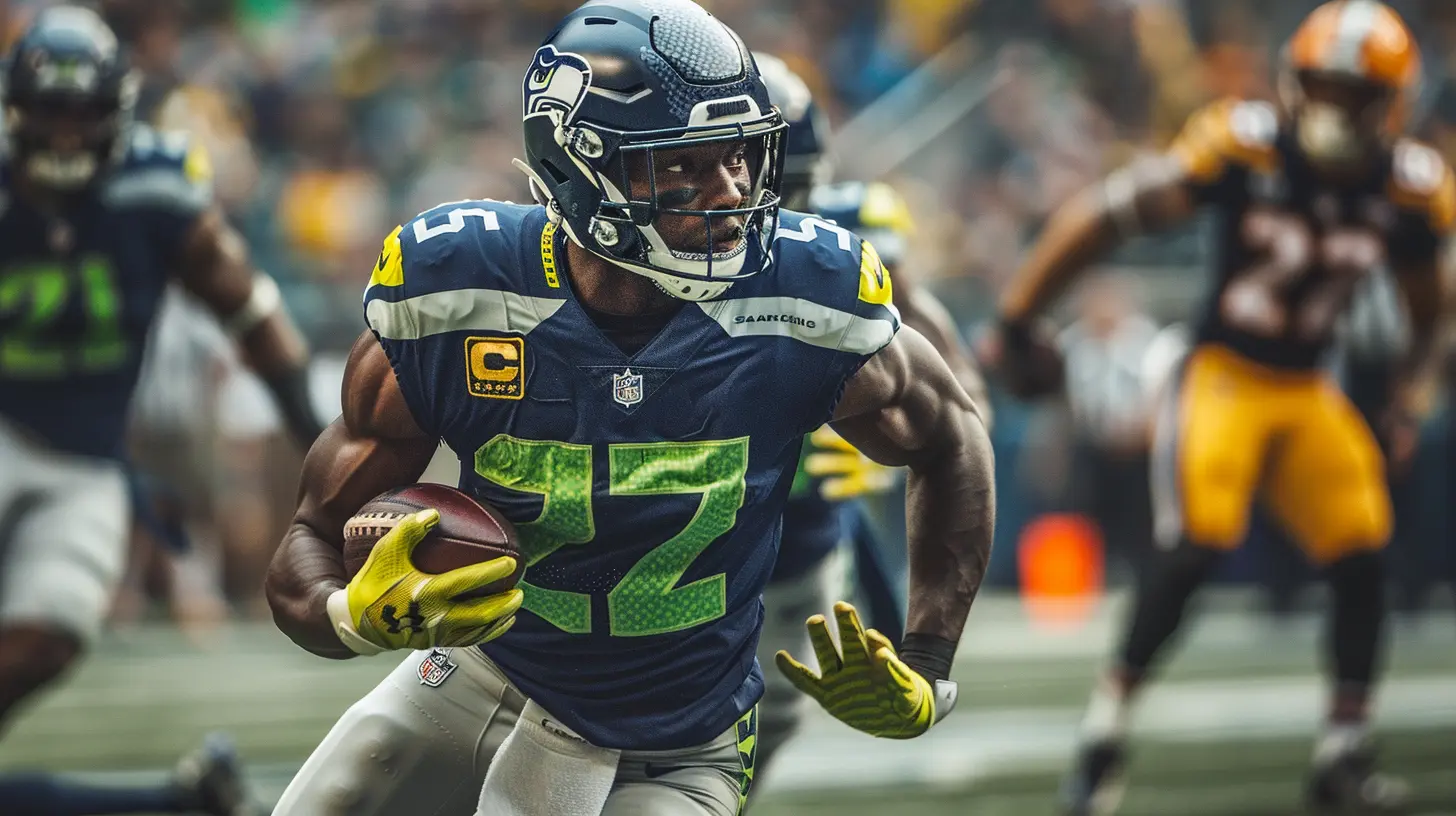
The Allure of High Draft Picks
First off, it's easy to get caught up in the glamour of a first-round pick. These athletes are praised as “can’t-miss” stars by scouts and media experts. Teams invest millions of dollars and time into these selections, hoping they're the missing piece to a championship puzzle.But if we peel back the curtain, it's clear that being picked early doesn’t guarantee an athlete will thrive in the pros.
Media Pressure and Expectations
Imagine this: you're 19 or 20 years old, and overnight, you're a millionaire expected to turn around an entire franchise. That’s a ridiculous amount of pressure for anyone. First-rounders are instantly placed under the microscope. Every move — on and off the field — is judged. Not every young athlete can handle that.Meanwhile, a late-round pick or undrafted player gets the freedom to grow without the same level of expectation. They’ve got that chip on their shoulder, and sometimes, that edge makes all the difference.
Talent vs. Fit: The Coaching Factor
Here’s something many fans overlook — a player’s success isn't just about how talented they are. It’s also about where they land.Right Place, Right Time
Think about it. A highly-skilled quarterback taken by a team with a weak offensive line and poor coaching staff is probably set up to fail. On the flip side, a less-hyped QB who ends up on a team with a strong roster and solid mentorship might flourish.Take Aaron Rodgers, for example. He was drafted 24th overall in 2005. Dropping that far was considered a fall from grace. But landing behind Brett Favre in Green Bay gave Rodgers the time and system to grow into a future Hall of Famer.
Coaching Styles Matter
Not every player fits into every system. Some coaches are excellent at adapting their schemes to suit a player’s strengths. Others? Not so much.Just because a player was dominant in college doesn’t mean they’ll fit the mold of their pro team. When coaching clashes with playing style, the result is often a bust — through no real fault of the player.
The Intangibles You Can't Measure
Scouting departments have access to all kinds of metrics — 40-yard dash times, vertical jumps, Wonderlic scores. But you know what doesn’t show up in those stats?Work ethic. Mental toughness. Leadership. Grit.
And those factors? They’re often the difference between a solid pro career and a flash-in-the-pan bust.
Heart Over Hype
Take Tom Brady, drafted 199th overall in the 2000 NFL Draft. His combine stats were, frankly, unimpressive. But what he lacked in physical traits, he made up for in football IQ, preparation, and that relentless will to win. It’s why he’s widely considered the GOAT today.Then there’s Draymond Green, picked 35th overall in the NBA Draft. He wasn’t the fastest or the most athletic, but his basketball intelligence, intensity, and selflessness have been vital to the Golden State Warriors’ dynasty.
Injuries: The Great Equalizer
Let’s not forget the role of injuries. A top prospect could have every tool in the world, but if their body doesn’t hold up, it’s game over.And this is part of what makes predicting success so tricky. Athletes who looked indestructible in college sometimes can’t take the pounding of a pro season. Others, with little fanfare, prove surprisingly durable over long, successful careers.
Drive and Development
There’s also a psychological element involved. Some top picks — after securing those rookie contracts — become complacent. Whether it's fame, money, or a lack of passion for the game, their drive starts to fade.Meanwhile, some low picks or undrafted players grind every day to prove people wrong. They outwork the competition and constantly evolve.
It’s a Marathon, Not a Sprint
Great pros aren’t just born — they’re built. They improve season after season, mastering the mental and physical sides of the game. Success comes to those who keep pushing.You’ll often hear pros say that getting to the league isn’t the hard part — staying there is. The ones who last? Those are the ones who keep learning, keep hustling, and never rest on their talent.
Famous Busts vs. Steals: A Tale of Two Extremes
Let’s throw out a few names to paint a clearer picture.The Busts
- JaMarcus Russell (1st overall pick, 2007 NFL Draft): Cannon arm, freakish size — the total package on paper. But lack of preparation and work ethic derailed his career before it ever truly started.- Anthony Bennett (1st overall pick, 2013 NBA Draft): The Cavaliers shocked everyone picking him first. He struggled with injuries, fitness, and confidence, never finding his rhythm in the league.
- Ryan Leaf (2nd overall pick, 1998 NFL Draft): Touted as a franchise QB alongside Peyton Manning. His lack of maturity and leadership quickly led to one of the NFL’s biggest bust stories.
The Steals
- Tony Romo (Undrafted): Became a star quarterback for the Dallas Cowboys. Romo’s story proves how undrafted players can redefine their value.- Nikola Jokic (41st overall pick, 2014 NBA Draft): Virtually unknown during his draft. Fast forward — he’s now an MVP and cornerstone of the Denver Nuggets franchise.
- Shannon Sharpe (7th round pick, 1990 NFL Draft): Overlooked due to size and position changes. Became a Hall of Famer with three Super Bowl titles.
These examples scream one thing: draft order is NOT destiny.
Why Teams Still Get It Wrong
You might wonder — with all the scouts, analytics, and data — why do teams still swing and miss?Overthinking the Process
Sometimes, teams try to be the smartest person in the room. Instead of picking the best player available or someone who fits their system, they gamble on “potential.”Unfortunately, potential doesn’t always pan out.
The Combine Trap
Athletic testing can be misleading. A player might crush it at the combine — running fast, jumping high — but that doesn’t necessarily translate into on-field excellence.You win games with instincts, vision, and feel — traits that don’t light up a stopwatch.
Fan Expectations and Media Noise
Fans and media put enormous pressure on early picks. They expect instant impact. That unrealistic expectation can wreck a player’s confidence early on.Meanwhile, lesser-known rookies get time to develop without the spotlight. By the time the public notices them, they’ve already carved out a role and built confidence.
Final Thoughts: Success Is Never Guaranteed
So, should teams just ignore the draft and pick names out of a hat? Of course not. Scouting still matters. But the point is this:Success at the pro level depends on a cocktail of talent, fit, opportunity, mindset, health, and — let’s be honest — some good old-fashioned luck.
Draft order isn't useless, but it's far from a crystal ball. It might tell you who could be great. But it doesn’t tell you who will be great.
So the next time your team picks someone you’ve never heard of in the late rounds, don’t panic. They might just be the next superstar waiting for that one shot.
Because in sports, as in life, it's not about where you start — it's about where you finish.
all images in this post were generated using AI tools
Category:
Draft PicksAuthor:

Onyx Frye
Discussion
rate this article
1 comments
Pierce Mendez
Great insights! It's fascinating how team dynamics, coaching, and player development can outweigh draft position, highlighting the unpredictability of success in sports. Thanks for sharing!
November 11, 2025 at 5:05 AM
Onyx Frye
Thank you! I'm glad you found it insightful. Team dynamics and development truly play a crucial role in achieving success.