Why the 2026 International Surfing League Is Catching Global Attention
2 September 2026
The 2026 International Surfing League (ISL) is not just another season on the competitive calendar. It is shaping up to be a genuine turning point for the sport, and the reasons go far beyond bigger waves or new jerseys. For the first time, the league is positioned at the intersection of elite athletic performance, climate-driven event planning, and a media landscape that has finally figured out how to broadcast a sport that happens in the ocean, not in a stadium.
If you have been following professional surfing for years, you know the pattern. The sport has always had incredible athletes and stunning locations, but it has struggled to maintain a consistent global narrative. The 2026 ISL is different because it has made structural changes that address the sport's oldest problems: inconsistent judging, unpredictable venues, and a calendar that clashes with the northern hemisphere's winter sports season. This article breaks down exactly why this season matters, what has changed, and what it means for fans, athletes, and the business of surfing.
The Structural Shift: From Tour to League
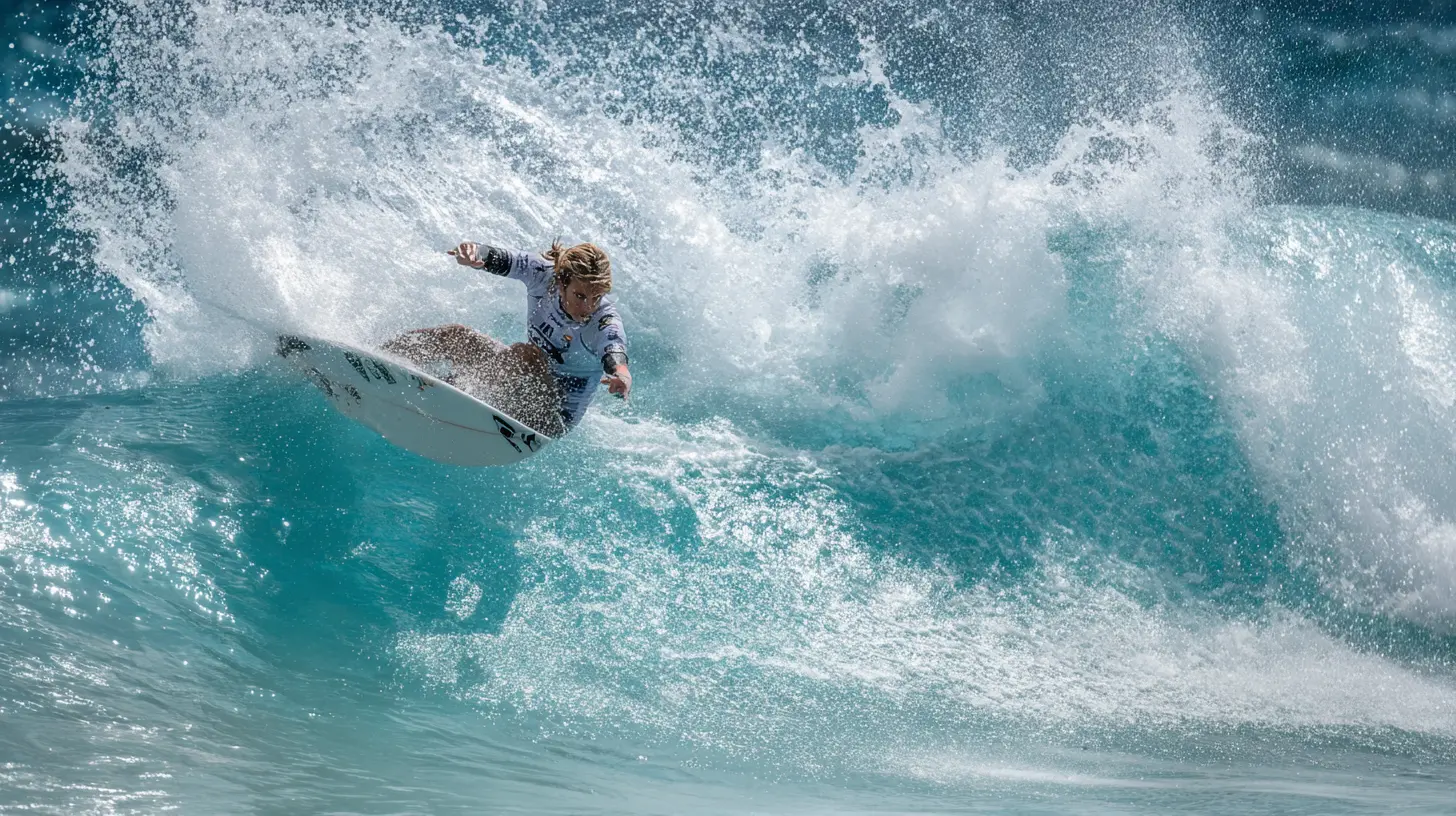
The most important change in 2026 is the move from a loose collection of individual events to a true league format with franchise teams and a season-long points race. This is not just a branding exercise. It changes how athletes train, how sponsors invest, and how fans follow the story.In the old model, a surfer could win three events and lose the title because of a poor result in a beach break they hated. The 2026 ISL uses a points system that rewards consistency across a mix of wave types, from heavy reef breaks to long point breaks. Each team has a roster of eight surfers, and the team score is the sum of its top five results per event. This means that a single superstar cannot carry a team, and a deep roster is more valuable than a flashy one.
This matters for practical reasons. Teams now have to manage athlete fatigue, travel schedules, and injury recovery with the same seriousness as a professional soccer club. Surfers are no longer lone wolves who show up and paddle out. They have coaches, data analysts, and physiotherapists on staff. The 2026 ISL has effectively professionalized the support structure, and that is a massive step forward for the sport.
Why the 2026 Season is Different: The Event Locations
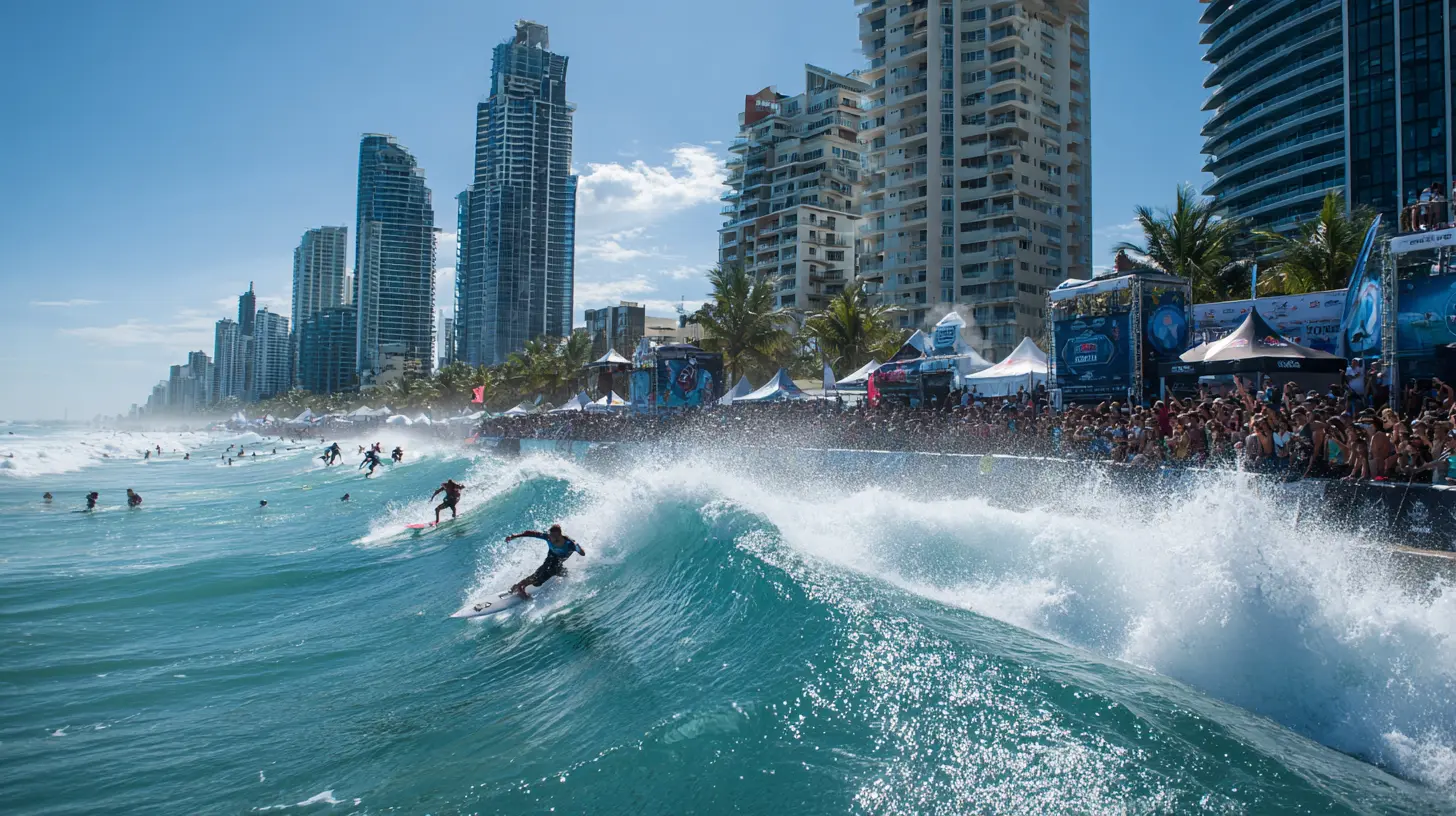
Location has always been surfing's biggest selling point and its biggest headache. The 2026 ISL has made two bold choices that are already paying off.First, the league has committed to a mix of proven venues and new locations that have never hosted a major professional event. The season opens in Pipeline, Hawaii, which is a familiar and respected choice. But it then moves to a new event in the Canary Islands, a location that offers both a world-class right-hand reef break and a reliable wind window in early spring. The Canary Islands are not just a pretty backdrop. They sit in the Atlantic, which means the swell direction is different from the Pacific events, forcing surfers to adapt their backhand and forehand approaches.
Second, the league has introduced a contingency system for wave quality. If a venue does not reach a minimum wave height for two consecutive days, the event moves to a backup location within the same region. This was designed after the 2024 season, where two events were nearly canceled due to flat spells. The backup system is not a gimmick. It is a logistical solution that gives broadcast partners a guaranteed window of action, which is critical for television deals and streaming subscriptions.
For fans, this means fewer dead days and more certainty. For athletes, it means they have to prepare for a wider range of conditions, which rewards versatility over specialization. The trade-off is that some local breaks will be skipped if conditions are poor, which can disappoint local fans. But the league has decided that a reliable product is more important than sentimental attachments to a single wave.
The Judging System: A Real Attempt at Transparency
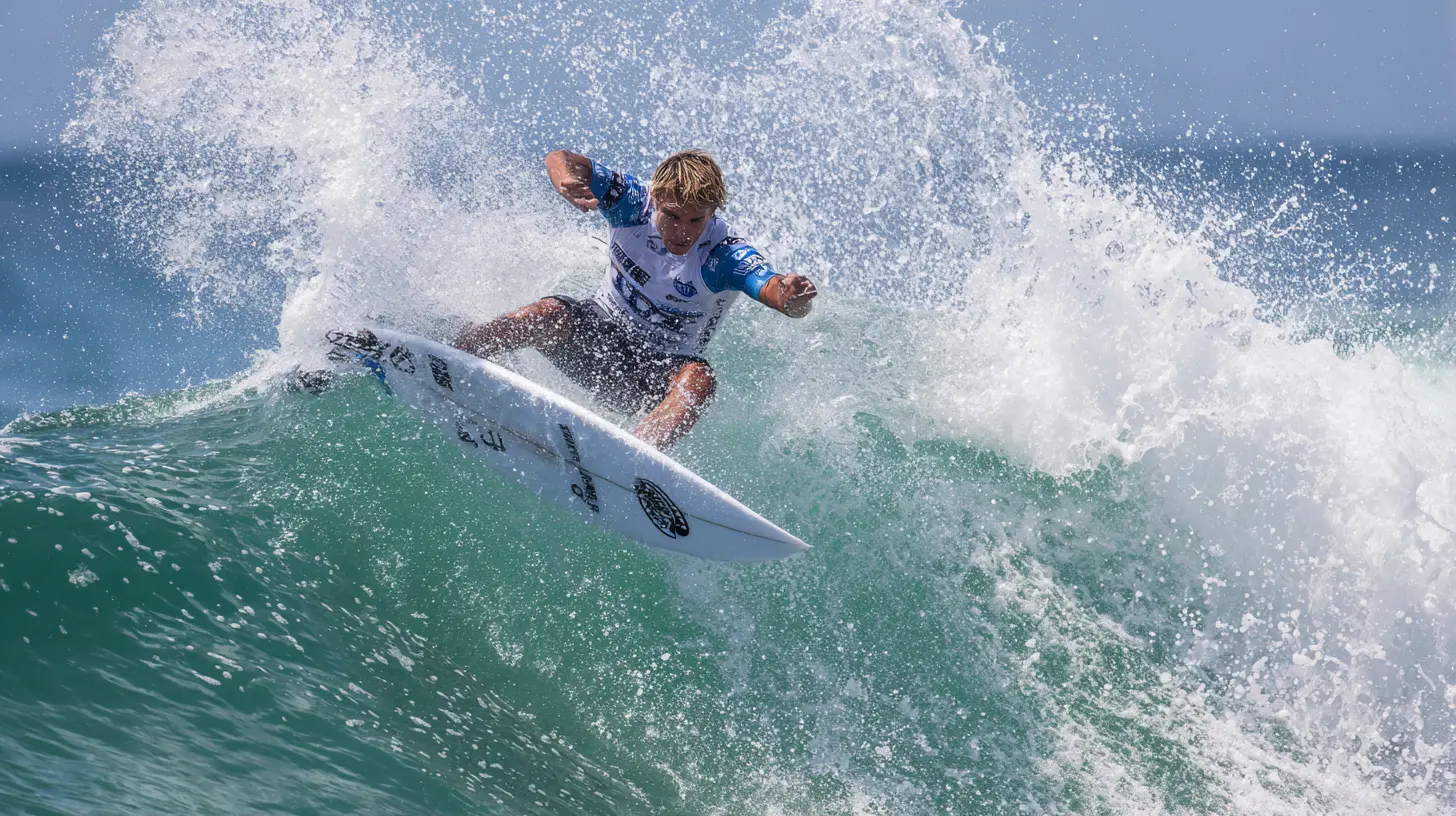
Judging has been the most criticized aspect of professional surfing for decades. The 2026 ISL has introduced a two-tier judging panel that is worth paying attention to.The first tier is the traditional five judges who score each wave from 0 to 10. The second tier is a new "technical review" group that reviews any wave scored above an 8.5 or below a 2.0. This review group does not change the original score, but they can flag a wave for a full review if they believe there was a clear error. The review is done in real time, and the final score is shown on screen with a breakdown of the component scores for speed, power, flow, and innovation.
This is not a perfect system. It adds time to each heat, and some purists argue that it slows down the rhythm of a competition. But it addresses the biggest complaint from casual viewers: that scoring feels random. By showing the component breakdown, the 2026 ISL is teaching the audience how to watch surfing. That is a smart long-term investment, even if it makes the short-term broadcast slightly more complex.
The practical takeaway for athletes is that they now have to be more deliberate about their wave selection. A surfer who catches a mediocre wave and does a few turns will get a 4.0, but that wave will not be reviewed. A surfer who commits to a deep barrel and gets spat out will get a 9.0, but that wave will be scrutinized. The system rewards risk-taking, but it also punishes sloppy landings on high-risk maneuvers. This has already changed how surfers approach their first few waves in a heat, with many choosing to build a rhythm before going for the big scores.
The Athlete's Perspective: What Has Changed in Training
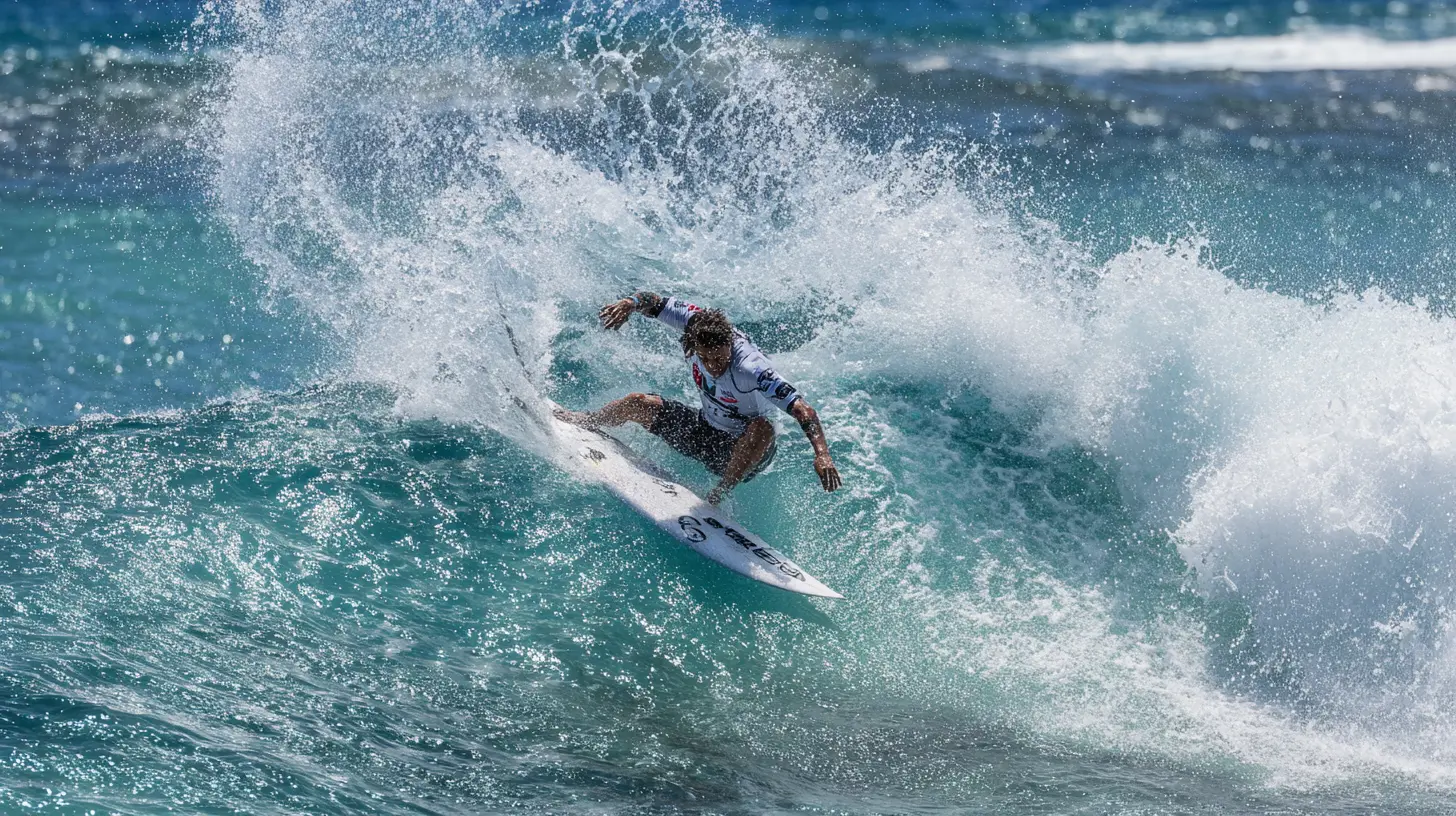
Ask any professional surfer about the 2026 season, and the first thing they will mention is the physical conditioning required. The ISL has introduced a mandatory fitness test at the start of the season, which includes a 2-kilometer ocean swim, a 50-meter underwater breath-hold, and a functional strength assessment. These tests are not just for show. They are designed to reduce the risk of injury during the long season, which now runs from February to October.The longer season is a double-edged sword. On one hand, it gives athletes more opportunities to compete and earn prize money. On the other hand, it increases the wear and tear on their bodies. The surfers who will succeed in 2026 are not just the best wave riders. They are the ones who can maintain their power and focus in the fifth month of the season, when the travel fatigue has accumulated.
This has led to a shift in how surfers train. The old approach was to surf as much as possible. The new approach is to surf smarter, with more time spent on dry-land conditioning, mobility work, and recovery protocols. The best teams in the 2026 ISL have hired strength coaches who specialize in rotational sports, because surfing requires explosive torque through the torso and hips, not just upper-body pulling power.
For young surfers hoping to qualify for the 2027 season, the message is clear: your surfing ability is only half the battle. You need to be a professional athlete first and a surfer second. That might sound harsh, but it is the reality of the modern sport.
The Business Side: Sponsors, Broadcast Rights, and Prize Money
The 2026 ISL has made a significant financial leap, and that is a major reason why it is catching global attention. Prize money for the season has increased by 40 percent compared to the 2025 season, with the team champion taking home a guaranteed 2 million dollars. This is not just about rewarding the athletes. It is about creating a viable career path that attracts new talent and keeps established stars from retiring early.The broadcast strategy is also smarter. Instead of trying to sell individual event rights to different networks, the ISL has signed a single global streaming deal with a major platform. This means that every heat is available in every time zone, with the same commentary team and the same production standards. The graphics package now includes real-time wave height data, tide charts, and a "wave selection" tracker that shows how many waves each surfer has caught and what their average score is.
This is a game-changer for casual fans. You no longer need to be a surf nerd to understand what is happening. You can watch a heat, see the wave height, understand why a surfer paddled for one wave and not another, and follow the score progression without confusion. The production team has also introduced a "heat predictor" that shows the probability of each surfer winning based on current scores and remaining time. It is a simple feature, but it adds a layer of engagement that keeps viewers watching until the final buzzer.
The trade-off is that the ISL has become more commercialized. There are more sponsor logos on wetsuits, more commercial breaks during the broadcast, and more product placement in the athlete interviews. Some fans dislike this, but it is the price of growth. Without corporate money, the sport would remain a niche passion with no television coverage and no prize money. The 2026 ISL has chosen growth, and the athletes are the primary beneficiaries.
The Role of Technology: Data, Drones, and Wave Pools
One of the most interesting developments in the 2026 ISL is the use of technology beyond the broadcast. Each surfer now wears a small sensor on their ankle that tracks wave count, top speed, and the number of turns per wave. This data is not shown on the live broadcast, but it is used by teams for post-event analysis.This has created a new role in the sport: the data analyst. Teams now employ people who can interpret this information and turn it into actionable advice. For example, a data analyst might notice that a surfer is losing speed at the end of their turns, which suggests a problem with their fin setup or their weight distribution. The coach can then work on that specific issue in the next training session.
The ISL has also invested heavily in drone coverage. The old helicopter shots were expensive and limited in their angles. Drones can fly lower, closer, and through the impact zone, giving viewers a perspective that was previously impossible. This is not just about aesthetics. It helps the judges and the technical review group see the exact trajectory of a maneuver, which improves the accuracy of scoring.
Wave pools are another factor. The 2026 ISL has two events in artificial wave pools, one in Australia and one in California. These venues guarantee perfect, repeatable waves, which makes them ideal for testing new maneuvers and for developing the next generation of talent. However, wave pools do not simulate the unpredictability of the ocean. A surfer who dominates in a pool may struggle in a reef break with shifting swell direction. The league has deliberately kept the pool events to two, so that the ocean remains the primary test of skill.
Common Misconceptions About the 2026 ISL
There are several misconceptions about the 2026 ISL that are worth clearing up.The first is that the league is trying to replace traditional surfing competitions like the World Surf League (WSL). This is not true. The ISL and the WSL coexist, and many top surfers compete in both. The ISL is a team-based format, while the WSL is an individual tour. They serve different purposes and attract different types of fans. The ISL is not a rival; it is a complement.
The second misconception is that the ISL is only about big-wave surfing. In reality, the 2026 season includes a mix of wave sizes, from head-high beach breaks to double-overhead reef waves. The league wants to test all aspects of surfing, not just the dramatic big-wave events. This is a deliberate choice to develop well-rounded athletes.
The third misconception is that the team format dilutes individual achievement. In fact, the 2026 ISL has a separate individual title for the highest-scoring surfer across the season. This gives athletes a reason to perform well even if their team is struggling. The individual title is just as prestigious as the team title, and it ensures that no one can hide behind their teammates.
What This Means for the Future of Surfing
The 2026 ISL is not a perfect product. There are still issues with scheduling, especially when events clash with local holidays or other sports. There are also concerns about the environmental impact of traveling to remote locations, although the league has introduced a carbon offset program for all flights. But the overall direction is positive.The league has proven that surfing can be a professional, organized, and commercially viable sport without losing its soul. The athletes are still the heart of the product, and the ocean is still the stage. But now there is a structure that supports them, a broadcast that showcases them, and a business model that pays them.
For anyone who loves surfing, the 2026 ISL is worth watching. It is not just about who wins the title. It is about watching a sport grow up in real time. The mistakes are visible, the lessons are being learned, and the potential is enormous. If the league can maintain its momentum through the 2027 season and beyond, it has a real chance to become one of the most exciting sports on the global calendar.
The key is to watch with an open mind. Do not compare every heat to a perfect day at J-Bay or Teahupo'o. Instead, look at the level of competition, the strategic decisions, and the athleticism on display. The 2026 ISL is a new chapter, and it is a good one.
all images in this post were generated using AI tools
Category:
Upcoming TournamentsAuthor:

Onyx Frye
Discussion
rate this article
2 comments
Zacharias McGuffin
The 2026 International Surfing League is generating buzz for good reason. Its innovative format and focus on sustainability could reshape the sport and draw in new fans worldwide. Exciting times ahead!
September 25, 2026 at 4:21 AM
Meagan Patterson
Surf's up and so is the excitement for the 2026 International Surfing League! Who knew catching waves could be as thrilling as catching a glimpse of your favorite celeb? Grab your board and let's ride this wave!
September 3, 2026 at 3:44 AM
Onyx Frye
Absolutely! The 2026 league is set to bring surfing to a whole new level. Can't wait to see the action unfold!