The Role of Sports in Shaping Future Urban Communities
21 August 2026
Walk through any major city today and you will see the evidence. A new mixed-use development rising around a soccer stadium. A converted warehouse turned into a climbing gym that anchors a tech district. A network of bike paths that connects neighborhoods that were once divided by a highway. These are not accidents of urban planning. They are the direct result of sports being treated as infrastructure, not entertainment.
For decades, cities treated sports venues as isolated monuments. A stadium here, an arena there, usually surrounded by acres of parking. The community was invited to attend events, but not to live, work, or play in the space on a daily basis. That model is dying, and for good reason. The future of urban communities depends on how well we integrate sports into the daily fabric of city life.
This is not about building bigger arenas or chasing the next Olympic bid. It is about recognizing that sports provide something that few other urban elements can: a reason for strangers to gather, a shared language across cultures, and a physical anchor for health and social connection. When designed correctly, sports facilities and programs become the spine of a neighborhood. When designed poorly, they become dead zones that drain public resources.

The Shift from Single-Use Venues to Mixed-Use Districts
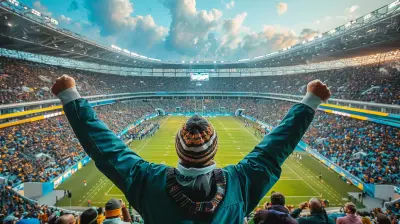
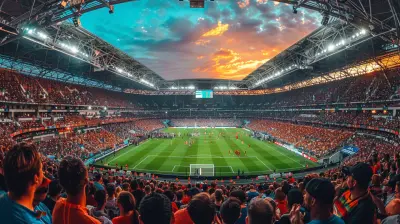
The most visible change in urban sports development is the move away from single-use stadiums. The old approach was simple: build a large venue, host events a few dozen times a year, and let the surrounding area sit empty the rest of the time. This created what urban planners call "activation gaps." On game days, the area was packed. On every other day, it was a concrete wasteland.The new model integrates sports into mixed-use districts. Think of the area around the Tottenham Hotspur Stadium in London, where the club built housing, a supermarket, a community health center, and a museum alongside the pitch. Or the redevelopment around the Fisht Forum in Milwaukee, which includes office space, apartments, and a public plaza that hosts farmers markets and outdoor fitness classes. These projects work because they treat the sports venue as one component of a living neighborhood, not the entire neighborhood.
The trade-off here is significant. Mixed-use districts require more upfront investment and longer construction timelines. They also require ongoing management that most sports franchises and municipal governments are not used to. Running a stadium is very different from running a retail district or a residential complex. The organizations that succeed are the ones that partner with experienced real estate developers and property managers from day one, rather than trying to do everything themselves.
For city planners, the key question is not "How do we fund a stadium?" but "How do we create a district that can sustain itself for 50 years?" That changes the math entirely. A stadium that hosts 20 events a month might generate enough revenue to cover its own operating costs. A mixed-use district generates rent, property taxes, and sales tax revenue year-round. The long-term financial picture is much healthier, but it requires patience.
Sports as a Tool for Social Cohesion
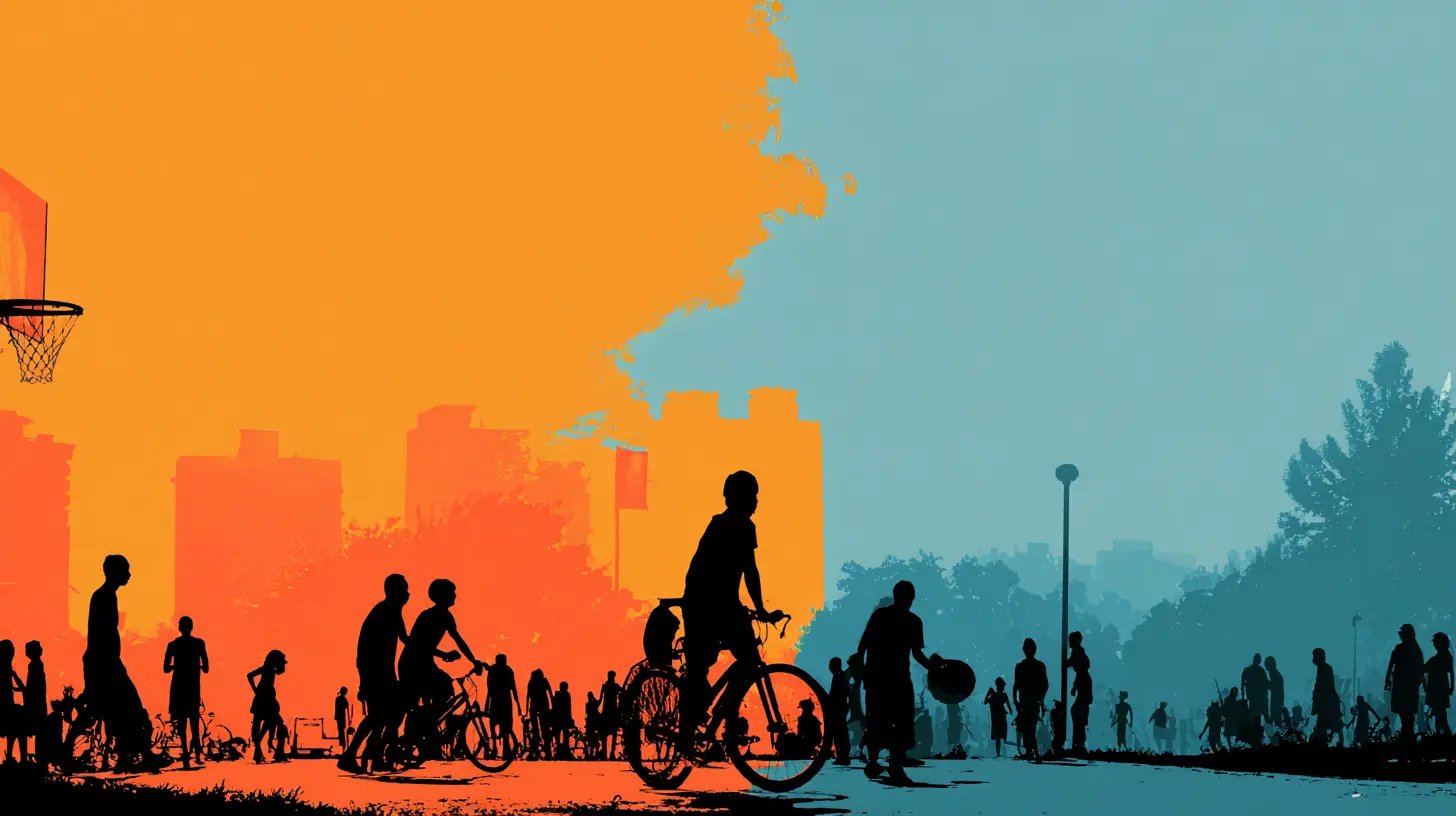
Beyond the physical infrastructure, sports play a critical role in building social bonds within urban communities. This is often overlooked because it is hard to measure. You can count the number of housing units or the square footage of retail space. You cannot easily count the number of friendships formed at a community basketball court or the trust built between neighbors who coach a youth soccer team together.Yet these social connections are the foundation of resilient communities. Research on urban resilience consistently shows that neighborhoods with strong social networks recover faster from economic shocks, natural disasters, and public health crises. Sports provide a low-barrier entry point for building those networks. You do not need to speak the same language to play pickup basketball. You do not need to share a political affiliation to cheer for the same local team.
This is particularly important in cities with high levels of immigration and demographic change. Sports programs that are intentionally designed to be inclusive can help bridge divides that other institutions struggle to cross. The key word here is "intentional." Simply having a public park with a soccer field does not guarantee integration. You need programming, outreach, and leadership that actively invites participation from all segments of the community.
One common mistake is assuming that sports will naturally bring people together. They can also reinforce existing divisions. If the only youth sports program in a neighborhood requires expensive equipment and travel to suburban leagues, it will exclude low-income families. If the community center's basketball court is dominated by a tight-knit group that does not welcome newcomers, it will not build social cohesion. The infrastructure matters, but the culture around it matters just as much.
Health and Wellness Infrastructure
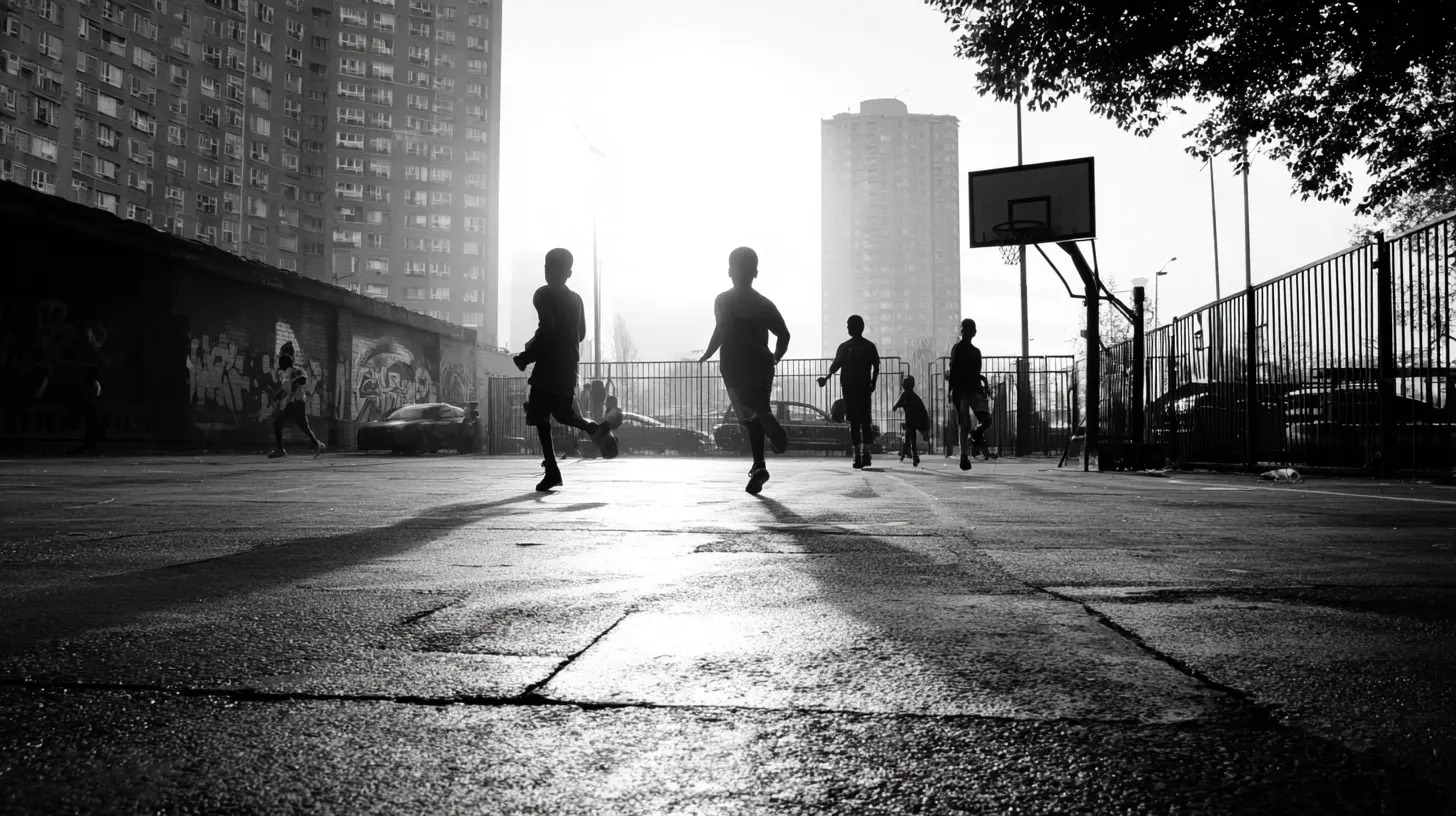
Urban communities of the future will be judged by the health of their residents. Sports facilities, when distributed thoughtfully, can serve as preventive health infrastructure. This is a powerful argument for investing in sports, but it requires a shift in how we think about these spaces.A public swimming pool is not just a place to swim laps. It is a place where children learn water safety, where seniors do low-impact exercise, and where physical therapists send patients for rehabilitation. A network of running trails is not just for runners. It is a free mental health resource, a social space, and a safe route for commuters who choose to walk or cycle to work.
The mistake many cities make is concentrating sports facilities in a few large venues rather than distributing smaller facilities throughout neighborhoods. A single large recreation center in the downtown core serves a tiny fraction of the population. A network of small courts, fields, and fitness stations spread across residential areas serves everyone. The latter approach is cheaper per resident served and creates more daily touchpoints for physical activity.
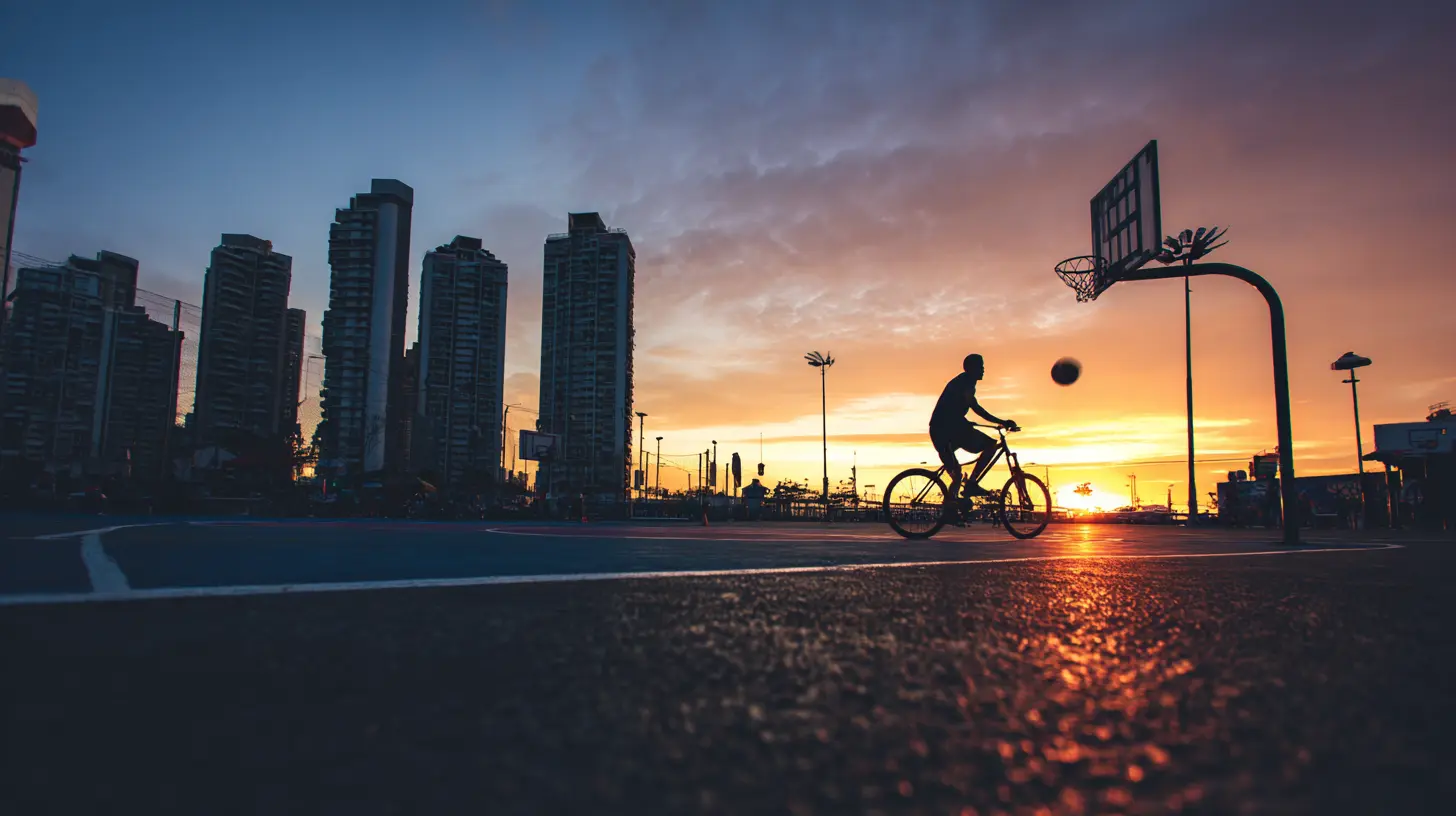
There is also a growing trend toward designing sports facilities that serve dual purposes. School playgrounds that open to the public after hours. Parking lots that become basketball courts on weekends. Rooftops of commercial buildings that are converted into running tracks. These adaptive uses maximize the value of scarce urban land and make physical activity a normal part of everyday life rather than something that requires a special trip.
The Role of Technology and Data
Technology is changing how urban sports communities function, but not always in the ways people expect. The obvious applications are things like booking apps for courts, digital scoreboards, and wearable fitness trackers. These are useful, but they are incremental improvements. The more interesting developments involve using data to make better decisions about where and how to build sports infrastructure.City governments and sports organizations are increasingly using anonymized data from fitness apps, mobile phone location data, and sensor-equipped facilities to understand how people actually use public spaces. This data can reveal which basketball courts are overcrowded and which are underused. It can show that a running trail is popular at 6 a.m. but empty at 6 p.m., suggesting a need for better lighting or safety improvements. It can identify neighborhoods where residents have low physical activity levels but no nearby facilities.
The caveat is that data is only as good as the questions you ask. A city that collects data on sports facility usage but does not cross-reference it with demographic data might miss the fact that certain groups are being excluded. A city that relies solely on app-based data will undercount residents who do not use smartphones or who are not digitally literate. The best practice is to use data as a starting point for conversation, not as a replacement for community input.
Privacy is another concern. Residents are increasingly wary of having their movements tracked, even for well-intentioned urban planning purposes. Cities that want to use this data need to be transparent about what they are collecting, how it will be used, and how long it will be retained. They also need to offer non-digital alternatives for providing feedback. A public meeting where residents can draw on a map is still one of the most effective planning tools available.
Environmental Sustainability and Green Space
Sports and environmental sustainability are natural partners, but the relationship is more complicated than it appears. On one hand, sports facilities can be major contributors to urban heat islands, stormwater runoff, and energy consumption. A large stadium with a massive parking lot is an environmental liability. On the other hand, sports fields and parks are among the most effective ways to introduce green space into dense urban areas.The future lies in designing sports facilities that are net-positive for the environment. This means permeable surfaces for parking and walkways, rainwater harvesting systems for field irrigation, solar panels on arena roofs, and native landscaping that requires minimal water and maintenance. It also means locating facilities near public transit to reduce car dependency, which is often the single biggest environmental impact of a sports venue.
There is a growing movement toward "sport ecology" that treats sports as a vehicle for environmental education and stewardship. Community gardens adjacent to sports fields, for example, can teach children about food systems while their parents play tennis. A riverfront running trail can double as a flood control measure and a wildlife corridor. These multi-functional designs require collaboration between sports planners, environmental engineers, and landscape architects, which is still rare in most cities.
The trade-off is that sustainable design often costs more upfront. A green roof on a recreation center is more expensive than a conventional roof. A bioswale that filters runoff from a soccer complex requires ongoing maintenance. Cities that are serious about sustainability need to account for these lifecycle costs rather than just the initial construction budget. The payoff is lower operating costs over time and a healthier environment for residents.
Economic Development and Local Business
Sports can be a powerful engine for local economic development, but the mechanisms are often misunderstood. The common assumption is that building a stadium will create jobs and attract spending from visitors. The reality is more nuanced. Stadiums do create jobs, but many of those jobs are low-wage and part-time. They do attract visitors, but those visitors often spend money inside the stadium rather than in surrounding businesses.The more reliable economic benefits come from the everyday presence of sports in a community. A neighborhood with good sports infrastructure attracts residents who value an active lifestyle. Those residents tend to have higher disposable income and are attractive to employers in knowledge-based industries. Local businesses benefit from the steady foot traffic of people going to and from sports facilities, not just on game days but every day.
The key is to integrate sports into the local business ecosystem. This means supporting small businesses that serve athletes and spectators, such as bike repair shops, sports nutrition stores, and physiotherapy clinics. It means designing streetscapes that encourage people to walk from a sports facility to nearby shops and restaurants. It means ensuring that youth sports leagues buy their uniforms and equipment from local vendors rather than national chains.
A common mistake is to focus exclusively on attracting professional teams and major events while neglecting grassroots sports. Professional teams bring visibility and media attention, but they rarely produce sustained economic development for local communities. Grassroots sports, by contrast, create year-round economic activity that is distributed across many small businesses. A city that invests in a network of community sports facilities will see more economic benefit per dollar spent than a city that builds one large arena for a professional team.
Governance and Community Ownership
Who owns and operates sports facilities has a major impact on how well they serve the community. The traditional model is public ownership with private operation, where a city or regional authority owns the facility and leases it to a team or a private management company. This model has advantages, such as public accountability and access for community events, but it also has drawbacks, such as political interference and misaligned incentives.An alternative model is community ownership, where residents collectively own and manage sports facilities through cooperatives or non-profit organizations. This is more common in smaller projects, such as community gardens and neighborhood recreation centers, but it is being applied to larger facilities as well. Community ownership tends to produce better outcomes for local residents because the people who use the facilities have a direct say in how they are managed. The downside is that community organizations often lack the expertise and financial resources to operate large facilities effectively.
A third model is private ownership with public benefit requirements. In this model, a private developer builds and operates a sports facility, but the city grants zoning approvals and tax incentives in exchange for commitments to provide public access, affordable programming, and community benefits. This can work well when the commitments are specific and enforceable, but it can fail when the requirements are vague or when there is no strong oversight mechanism.
The best approach depends on the local context. A large city with a strong professional sports market might benefit from a public-private partnership that leverages private capital and expertise. A smaller city with limited resources might be better served by a community-owned facility that relies on volunteer labor and local fundraising. The important thing is to be clear about the goals and to choose a governance model that aligns with those goals.
Common Misconceptions and Pitfalls
There are several misconceptions about sports and urban development that lead to poor decisions. One is the belief that a sports facility will automatically revitalize a struggling neighborhood. The evidence suggests that this only happens when the facility is part of a broader strategy that includes housing, transportation, and economic development. A stadium in a vacuum will not save a neighborhood.Another misconception is that bigger is always better. A 20,000-seat arena might seem more impressive than a 2,000-seat community sports complex, but the smaller facility will likely serve more people on a daily basis and have a greater impact on public health and social cohesion. Cities should resist the temptation to build signature venues that look good in renderings but do not meet the actual needs of residents.
A related pitfall is the "build it and they will come" fallacy. Sports facilities do not create demand for physical activity or community engagement. They only meet existing demand. A city that wants to use sports to improve public health must also invest in programming, outreach, and education. A beautiful new swimming pool will not attract non-swimmers unless there are free swimming lessons and a welcoming culture.
Finally, there is the misconception that sports are a luxury that can be cut when budgets are tight. In fact, sports are a cost-effective investment in public health, education, and social cohesion. Cutting sports programs to save money often leads to higher costs elsewhere, such as increased healthcare spending and reduced educational outcomes. Cities that understand this are better positioned to weather economic downturns without sacrificing the well-being of their residents.
Practical Recommendations for Urban Planners and Community Leaders
For those who are serious about integrating sports into future urban communities, the following practices are worth considering. First, conduct a thorough needs assessment before building anything. This means talking to residents, surveying existing facilities, and analyzing demographic data to understand who is underserved and why. Do not assume that what works in one neighborhood will work in another.Second, design for daily use, not just event days. A sports facility that is only active on weekends is a wasted investment. Consider how the facility can be used for school programs, senior fitness classes, after-school activities, and community events. This requires flexible design and a management approach that prioritizes accessibility over exclusivity.
Third, integrate sports into broader urban systems. A sports facility should be connected to public transit, bike lanes, and pedestrian walkways. It should be located near other community amenities such as schools, libraries, and health clinics. It should be part of the city's green infrastructure, contributing to stormwater management and urban cooling.
Fourth, build partnerships early and maintain them consistently. No single organization has the resources and expertise to manage all aspects of a sports-centered community. Partnerships between public agencies, private developers, sports organizations, schools, and community groups are essential. These partnerships need clear governance structures, shared goals, and regular communication to succeed.
Fifth, measure what matters. Do not just track attendance and revenue. Track health outcomes, social cohesion, economic activity, and environmental impact. Use this data to make adjustments and to demonstrate the value of sports infrastructure to funders and policymakers. Without good data, it is difficult to make the case for continued investment.
The Road Ahead
The cities of the future will be denser, more diverse, and more connected than the cities of today. They will also face significant challenges, including climate change, economic inequality, and public health crises. Sports alone cannot solve these problems, but they can be a powerful tool for building communities that are healthier, more cohesive, and more resilient.The role of sports in shaping future urban communities is not about building bigger stadiums or hosting more events. It is about creating spaces where people can be active, connect with each other, and feel a sense of belonging. It is about using the universal appeal of sports to break down barriers and build trust. It is about designing cities that prioritize well-being over spectacle.
This requires a shift in mindset from seeing sports as a cost to seeing sports as an investment. It requires moving beyond the outdated model of single-use venues and embracing integrated, multi-functional designs. It requires listening to residents and building with them, not just for them. It is a complex and challenging task, but the potential rewards are enormous. Cities that get this right will be more livable, more equitable, and more sustainable. Cities that get it wrong will continue to build monuments to the past while the future passes them by.
all images in this post were generated using AI tools
Category:
Sports And SocietyAuthor:

Onyx Frye
Discussion
rate this article
2 comments
Briar McCartney
Sports offer a unique way to unite communities, foster collaboration, and drive urban development. They can transform public spaces and enhance social connections, creating vibrant environments for future generations.
September 3, 2026 at 11:24 AM
Jolene Ford
How will sports redefine our cities?
August 29, 2026 at 4:28 AM
Onyx Frye
Sports will bring communities together, fostering local pride and collaboration. They can transform spaces and create vibrant areas that promote health, culture, and connection among residents.