What Cycling Fans Can Expect From the 2027 Giro d’Italia
23 September 2026
The Giro d'Italia has spent more than a century perfecting the art of making grown adults cry on mountain roads. The 2027 edition, as of the time of writing, remains a sketch on a napkin somewhere in Milan, but that has never stopped cycling fans from building entire emotional universes around rumored routes, hypothetical startlists, and whether the organizers will once again send the peloton up a gravel wall just to watch the chaos unfold. So let's talk about what we can reasonably expect, what we should hope for, and what will probably annoy us regardless.
A quick honesty note before we begin: the full route for the 2027 Giro has not been confirmed in every detail at the time of writing, and details like exact stage towns, summit finishes, and wildcard invitations may still shift. Treat the specifics below as informed expectations and patterns, not gospel. The patterns, though, are remarkably reliable. The Giro has a personality, and that personality shows up every May whether you invite it or not.
The Route: Same Soul, New Wrinkles
Why the Giro Always Looks Like the Giro
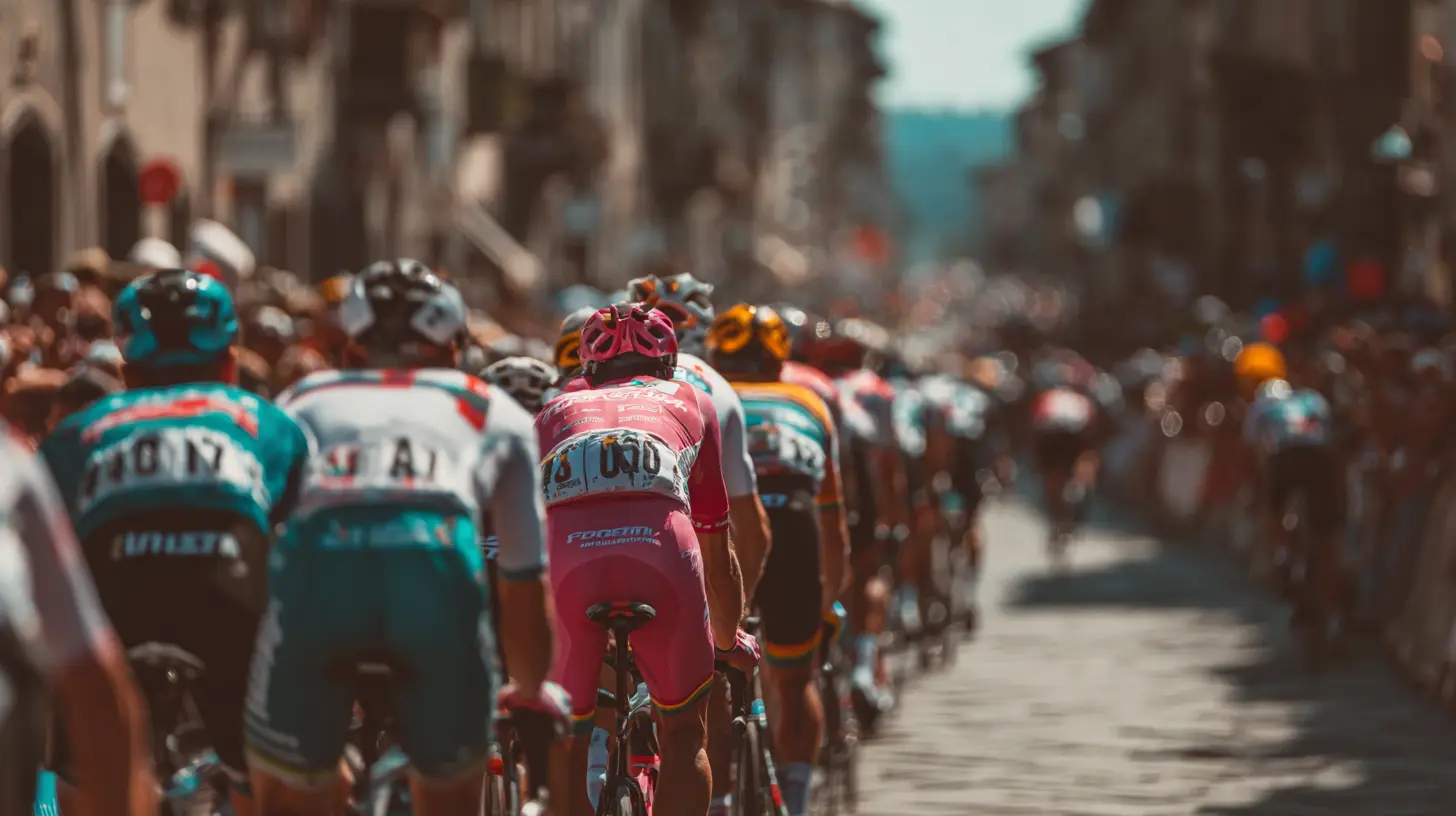
Every grand tour has a signature, and the Giro's signature is altitude. The race loves a summit finish the way a Labrador loves a tennis ball. Expect at least four or five uphill finishes, likely concentrated in the Alps and the Dolomites, with a possible detour into the Apennines for a mid-race ambush. This is not laziness from the route designers. It is strategy. Italy's geography hands them a natural theater, and the Giro's identity depends on riders who can survive three weeks of climbing while also time trialing well enough not to lose four minutes on a flat day.What makes this work, and why it matters for fans, is that the Giro's difficulty is front-loaded in a different way than the Tour de France. The Tour often saves its biggest mountains for the final week. The Giro frequently spreads the pain around, which means the pink jersey can change shoulders in week one and again in week three. For viewers, that is gold. For riders, it is a three-week stress test with no safe harbor.
The Opening Week: Sprinters Get Their Moment, Briefly
Expect the first seven to ten days to include two or three flat stages designed for the fast men, plus at least one medium-mountain stage that looks harmless on the profile and then detonates the general classification anyway. This is a classic Giro trick. A stage labeled "hilly" that finishes on a 6 kilometer climb at 8 percent is not hilly. It is a trap with a nice view.Practical advice for fans planning a trip: if you want to see sprinters, target the first week. If you want to see the race decided, target the final ten days. If you want to see a rider you have never heard of win from a 40 rider breakaway, target any stage that starts with a long flat run-in and ends with a climb that nobody wants to chase.
The Time Trials: Fewer Than You Think, More Important Than You Hope
The Giro has a complicated relationship with time trials. Recent editions have generally featured two or three, often including a short opening prologue or a stage one time trial, plus one longer effort in the middle or final week. Expect 2027 to follow a similar template. The reason is simple: time trials keep the climbers honest. Without them, a pure mountain goat can win the race by attacking on the steepest gradients and never learning to hold an aerodynamic position. With them, the race becomes a genuine test of versatility.Here is the trade-off fans should understand. A long, flat time trial favors specialists like Filippo Ganna and Remco Evenepoel and can create large gaps that make the mountain stages feel less decisive. A short, punchy time trial or a hill climb time trial favors the climbers and keeps the race tighter. The Giro usually splits the difference, which is smart. It also means the time trial is often the stage where the race is quietly decided while everyone is busy arguing about whether the climb was too steep for the road bikes.
The Gravel Question
Strade Bianche style gravel stages have become a Giro feature in recent years, most notably the white roads of Tuscany. Expect at least one stage in 2027 to include gravel sectors, possibly on a medium mountain day where the combination of dust, narrow roads, and tired legs creates chaos. This is not a gimmick. Gravel stages work because they reward bike handling and positioning, two skills that are undervalued in a sport increasingly obsessed with watts per kilogram. They also punish teams that try to control the race with a single train. You cannot ride a paceline through a gravel sector the way you can on asphalt. Someone has to think.The common mistake for fans is assuming gravel stages are automatically decisive. Often they are not. They are attritional. They eliminate riders who are already struggling, and they occasionally create a small gap that matters later. The best gravel stages are the ones where the race is already tense, not the ones where the route designer is trying to manufacture drama.
The Contenders: Who Shows Up and Why
The Remco Problem
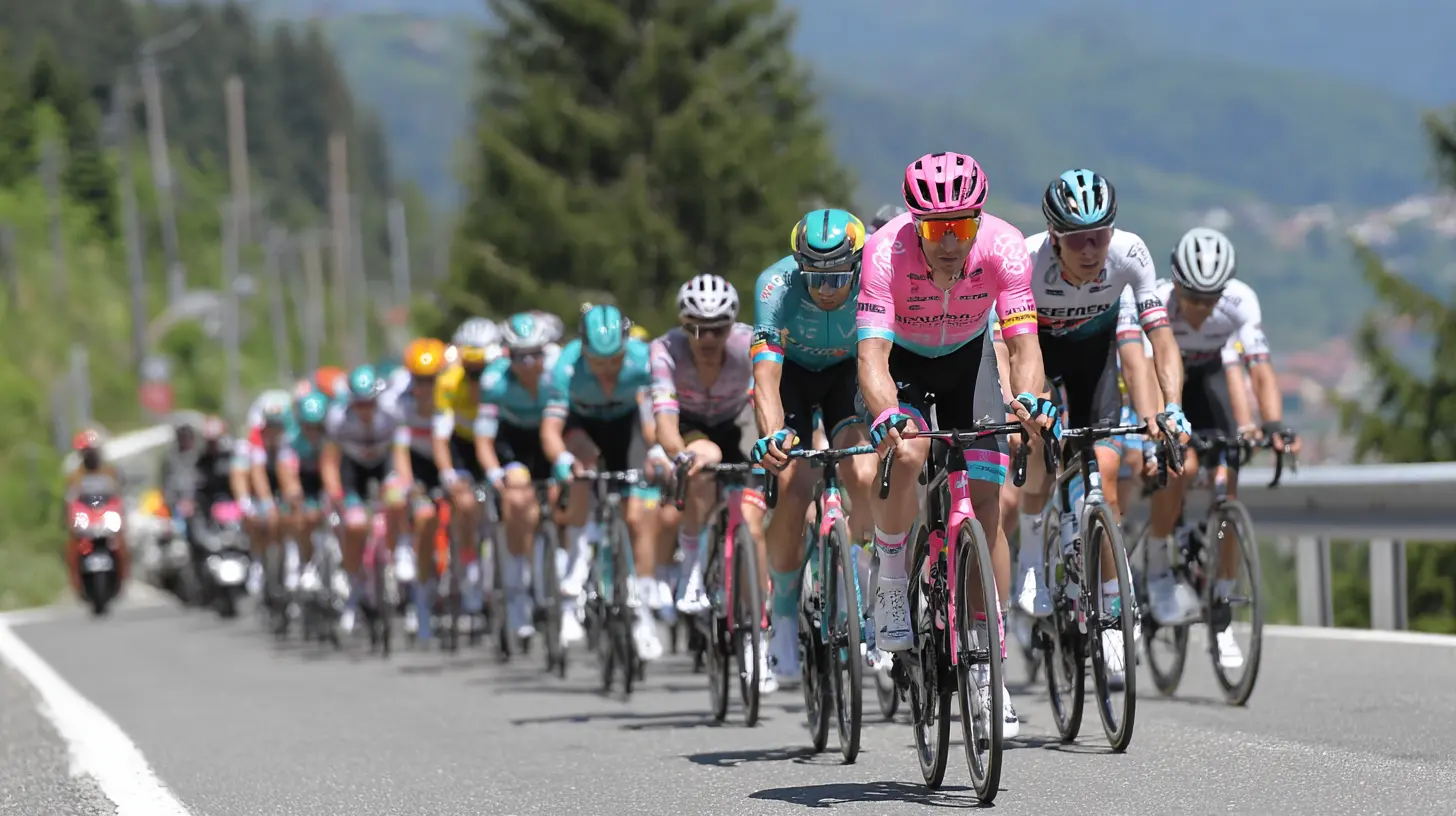
Remco Evenepoel has made no secret of his interest in the Giro, and if he lines up in 2027, he changes the entire tactical landscape. His time trial ability forces every pure climber to find minutes in the mountains. His tendency to attack from far out creates long, chaotic stages. His occasional bad day creates the kind of drama that makes a three-week race memorable.But here is the nuance. Evenepoel's Giro participation is never guaranteed. He has crashed out of the race before, and his team's priorities can shift. Fans should treat any pre-race announcement as provisional until the rider is actually on the start line in May. That is not cynicism. It is the reality of modern cycling, where a single training crash can rewrite an entire season.
The Slovenian Question
Tadej Pogacar and Primoz Roglic have both raced the Giro in recent years, with Pogacar winning in dominant fashion and Roglic winning a nail-biter in 2023. Whether either returns in 2027 depends on their broader career planning, team obligations, and how many Tours de France they still want to chase. If one of them shows up, the race becomes a two or three rider affair. If neither shows up, the race becomes wide open, which is often more entertaining for neutral fans.This is where the Giro's route design matters most. A route with long time trials and high-altitude finishes favors the complete riders. A route with steep, short climbs and unpredictable weather favors the pure climbers and the opportunists. The organizers know this, and they design accordingly based on who they expect to attract.
The Italian Factor
The Giro is an Italian race, and Italian riders feel the weight of it in a way that is hard to describe. Expect at least one Italian rider to animate the race, whether that is a young climber chasing a stage win, a veteran going for the general classification, or a sprinter targeting the points jersey. The pressure is immense, and it occasionally produces spectacular performances and spectacular collapses. Both are worth watching.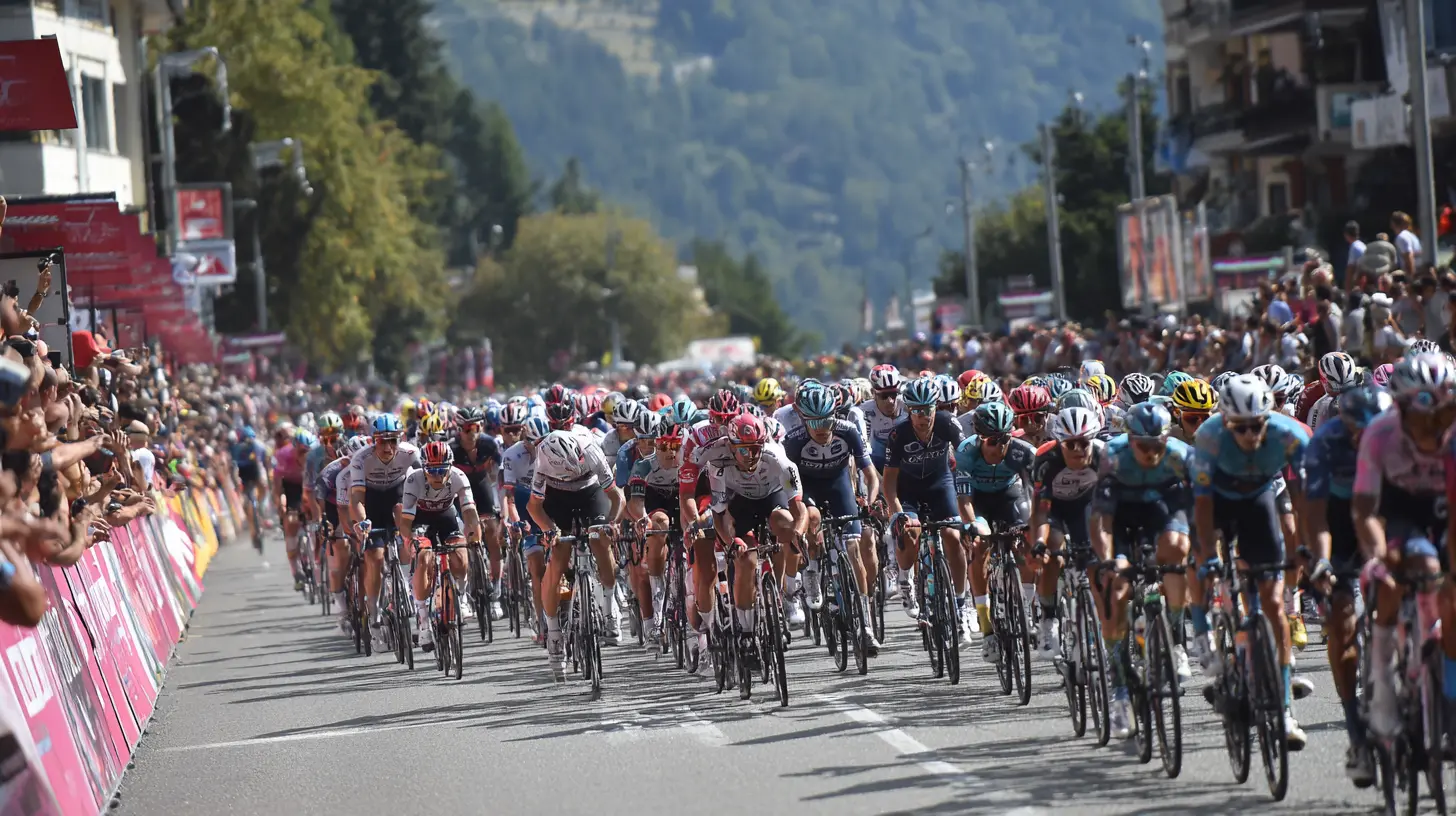
The Stages That Will Define the Race
The Queen Stage
Every Giro has one stage that everyone circles in red. It usually features multiple major climbs, a summit finish above 2,000 meters, and a profile that looks like a seismograph during an earthquake. Expect the 2027 queen stage to be in the Dolomites or the Alps, likely in the final week, and likely to include at least one climb that has never been used before or has been used only rarely.Why do new climbs matter? Because unfamiliar gradients change the racing. Riders cannot rely on memory or team notes. They have to read the road in real time, which favors instinct over data. That is a good thing for fans who are tired of watching riders stare at their stem computers.
The Final Week Time Trial
If the Giro includes a time trial in the final three days, and it often does, expect it to be the last real chance for a strong time trialist to overturn a deficit. This is where the race can be won or lost without a single mountain pass. The tension is different from a summit finish. It is quieter, more clinical, and often more cruel. A rider can lose the Giro by 12 seconds and never make a visible mistake.The Sprint Stages
Do not dismiss the sprint stages. They are not filler. They are the stages where teams with no general classification ambition justify their entire season, where leadout trains perfect their timing, and where a crash can eliminate a contender before the mountains even begin. The Giro's sprint stages are often more chaotic than the Tour's because the roads are narrower and the leadout trains are less dominant. That chaos is part of the appeal.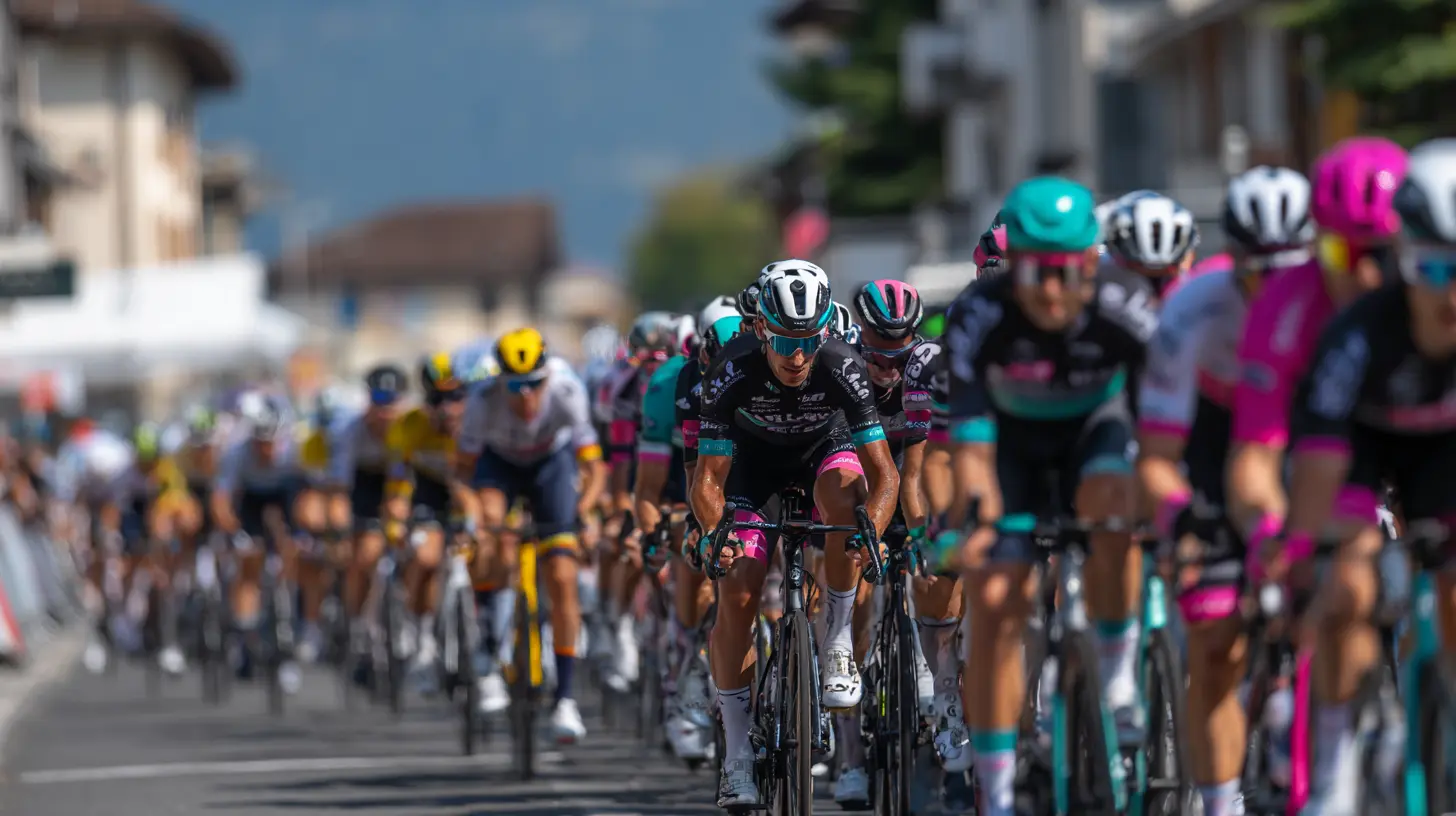
What Fans Should Actually Watch For
Weather as a Character
The Giro in May means weather that can range from 30 degrees Celsius in Sicily to snow on a Dolomite pass in the same week. This is not a bug. It is a feature. Bad weather creates unpredictability, and unpredictability creates racing. Expect at least one stage to be affected by rain, snow, or extreme wind. Expect the organizers to be criticized for whatever decision they make. Expect riders to complain, then attack anyway.The Breakaway Battle
The Giro is the best grand tour for breakaway enthusiasts. Why? Because the race is often less controlled than the Tour, and because the mountains are so hard that teams are willing to let a large break go if it means saving energy for the next day. If you enjoy watching a rider you have never heard of win a stage after 200 kilometers in the wind, the Giro is your race.The Points and Mountains Competitions
The points jersey, the ciclamino, often goes to a rider who can survive the mountains just enough to contest intermediate sprints. The mountains jersey, the azzurra, often goes to a rider who attacks early and often. Both competitions reward aggression, which is why they are worth following even when the general classification is settled.Practical Advice for Following the 2027 Giro
If You Are Planning to Attend
Book accommodation early in mountain towns. They fill up fast, and the best spots are often gone months in advance. Plan for weather. Bring layers, rain gear, and sunscreen. Expect roads to be closed for hours before the race arrives, and expect the race to pass in a blur. The real experience is the atmosphere, not the split second of the peloton.If You Are Watching on Television
Watch the full stage, not just the final 20 kilometers. The Giro's drama often starts earlier than the Tour's, and the middle of a stage can be more revealing than the finish. Pay attention to which riders are struggling and which teams are setting the pace. That is where the tactical story lives.If You Are a New Fan
Do not try to understand everything at once. Pick three riders to follow. Learn their strengths and weaknesses. Watch how they position themselves in the peloton. The Giro rewards patience, both from riders and from viewers.
Common Mistakes and Misconceptions
The biggest misconception is that the Giro is just a warm-up for the Tour de France. It is not. It is a separate race with its own history, its own demands, and its own prestige. Riders who win the Giro are not lesser champions. They are champions of a race that is often harder, more unpredictable, and more beautiful than anything else on the calendar.Another common mistake is assuming the route is finalized before it is announced. It is not. Route rumors are a cottage industry in Italy, and they are often wrong. Wait for the official presentation before booking flights.
A third mistake is underestimating the role of team tactics. The Giro is not just a physical test. It is a chess match played over three weeks, with weather, fatigue, and ego all acting as pieces on the board. Understanding the tactics makes the race more enjoyable, not less.
The Bottom Line
The 2027 Giro d'Italia will almost certainly deliver what the Giro always delivers: brutal climbs, unpredictable weather, at least one stage that makes no sense until it makes perfect sense, and a winner who has to survive three weeks of chaos to earn a pink jersey. Whether the race is decided by a time trial, a summit finish, or a breakaway that nobody saw coming, it will be worth watching. The Giro does not do boring. It does dramatic, messy, and unforgettable. Bring snacks. Bring patience. Bring a willingness to stay up late or wake up early, depending on your time zone. The pink jersey does not wait for anyone.
all images in this post were generated using AI tools
Category:
Upcoming TournamentsAuthor:
Onyx Frye