The Risks and Rewards of Drafting Injured Players
28 July 2026
Let’s be real—drafting injured players is a gamble. It’s kind of like putting all your chips on red in roulette. Sure, the payout could be massive, but the risk of walking away empty-handed? Very real.
Whether you’re running a fantasy football team, managing a dynasty league, or working in an actual front office, the idea of drafting a star player nursing an injury stirs a mix of hope and hesitation. The upside is tempting: snagging elite talent at a discount. The downside? You might be filling a roster spot with someone who never gets off the bench.
So what's the deal? Is drafting an injured player ever a smart move?
Let’s break down the risks, the rewards, and everything in between.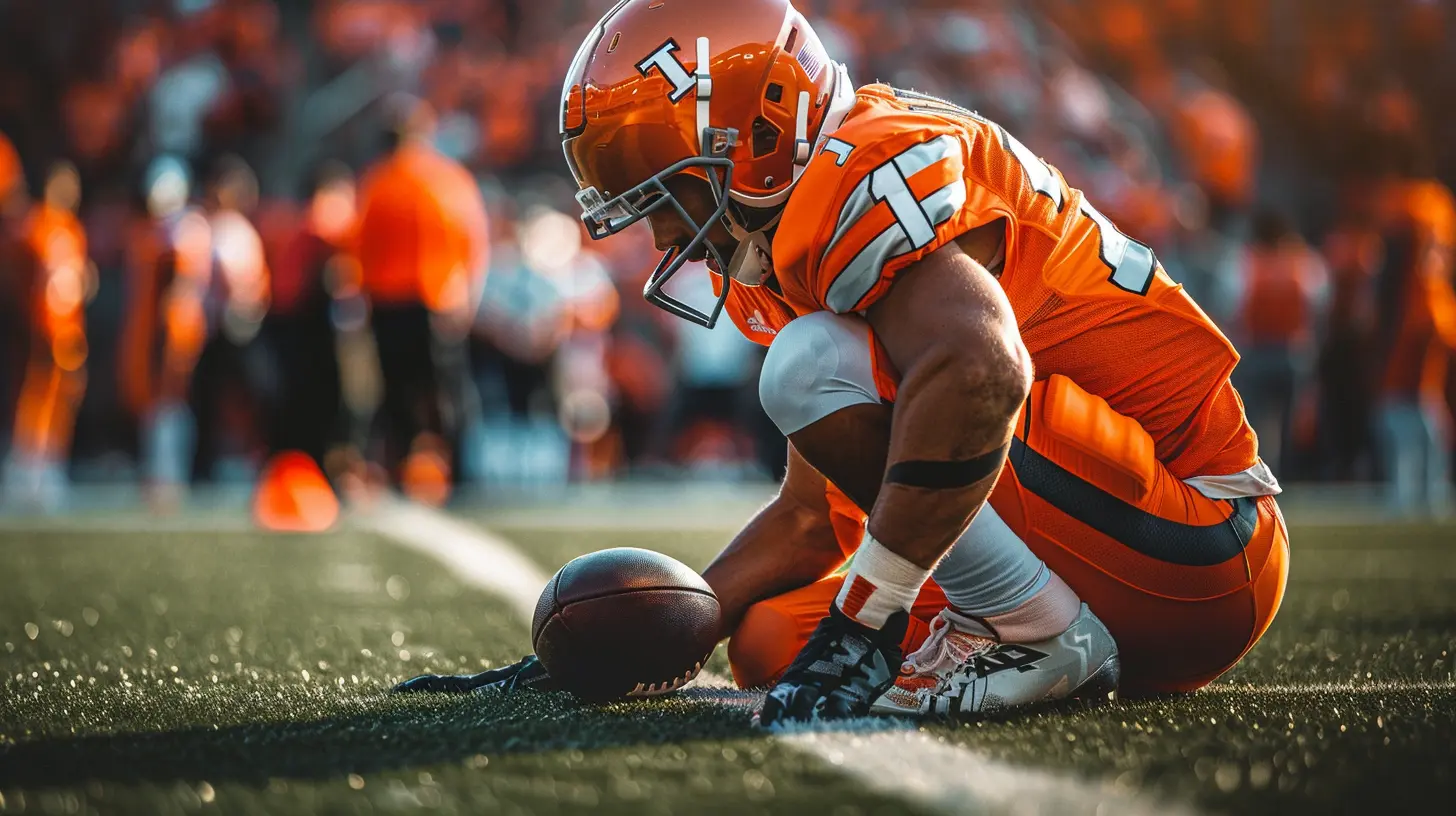
Why Teams (and Fantasy Managers) Roll the Dice
Let’s start with the million-dollar question: Why would anyone take a chance on a player already hurt?1. Talent Trumps Health... Sometimes
In both fantasy and real sports, talent often outweighs everything else. When a once-in-a-generation player like Saquon Barkley or Zion Williamson becomes available—even with an injury—passing them up feels almost criminal.You think, “Well, once they’re healthy, they’re unstoppable.” And sometimes, that’s absolutely true. Take Adrian Peterson, for example. People thought his career was done after that ACL tear—and then he came back and nearly broke the single-season rushing record.
So yeah, the ceiling can be sky-high.
2. Discounted Draft Value
Drafting injured players often means you can get first or second-round talent in the third or fourth round—or even later. That’s a massive value if they bounce back.It’s like buying a luxury car for the price of a used compact. If it runs, you’re golden. If it doesn’t, well… guess you’re stuck riding the bus.
3. Stashing for the Long Haul
In dynasty leagues especially, you’re not just drafting for today—you’re investing in the future. So if a 22-year-old receiver tears his ACL, some managers will still take a shot, hoping he returns to form long-term.It’s about timing the stock market right. Buy low, sell high.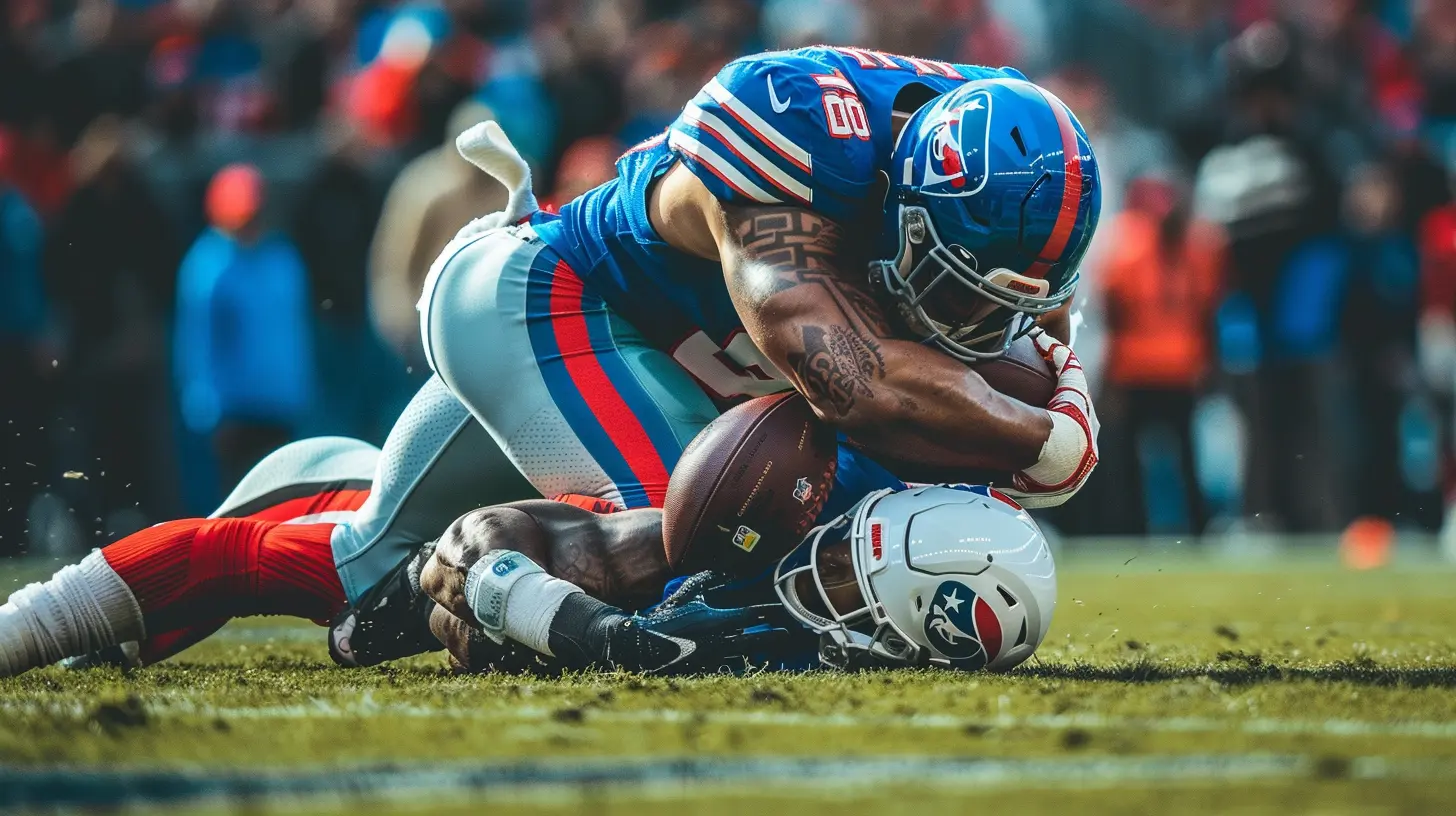
The Risks: When Gambling Goes South
Now comes the gut-punch. Because as exciting as it is to imagine a comeback story, let’s not forget—we’ve seen the flipside plenty of times.1. Medical Uncertainty
Let’s be honest. Even with all the fancy MRIs and rehab protocols, no one can predict how a player will recover. Some players bounce back better than ever. Others? Not so much.Just ask fans who drafted David Johnson post-wrist injury or kept hoping Greg Oden would finally stay healthy.
Sometimes, injuries linger longer than expected. And that "questionable" tag that you thought would last a week? Suddenly, it stretches into months.
2. Missing Crucial Playing Time
Injury recovery doesn’t just affect a player's ability to play—it messes with conditioning, chemistry, and rhythm. Even when they’re back on the field, they might not be back to their old selves.You may lose weeks—or even an entire season—waiting for them to get up to speed. And during that time, your roster suffers.
3. The Domino Effect on Your Team
Drafting an injured star can force you to scramble. You might pass up safer, more consistent players on draft day, which means you’ll need to hit the waiver wire harder or rely on risky weekly matchups.And if you're in a tight fantasy playoff race or a GM in the hot seat, that's a huge gamble.
In short? One wrong choice can ripple through your entire team like a dropped baton in a relay race.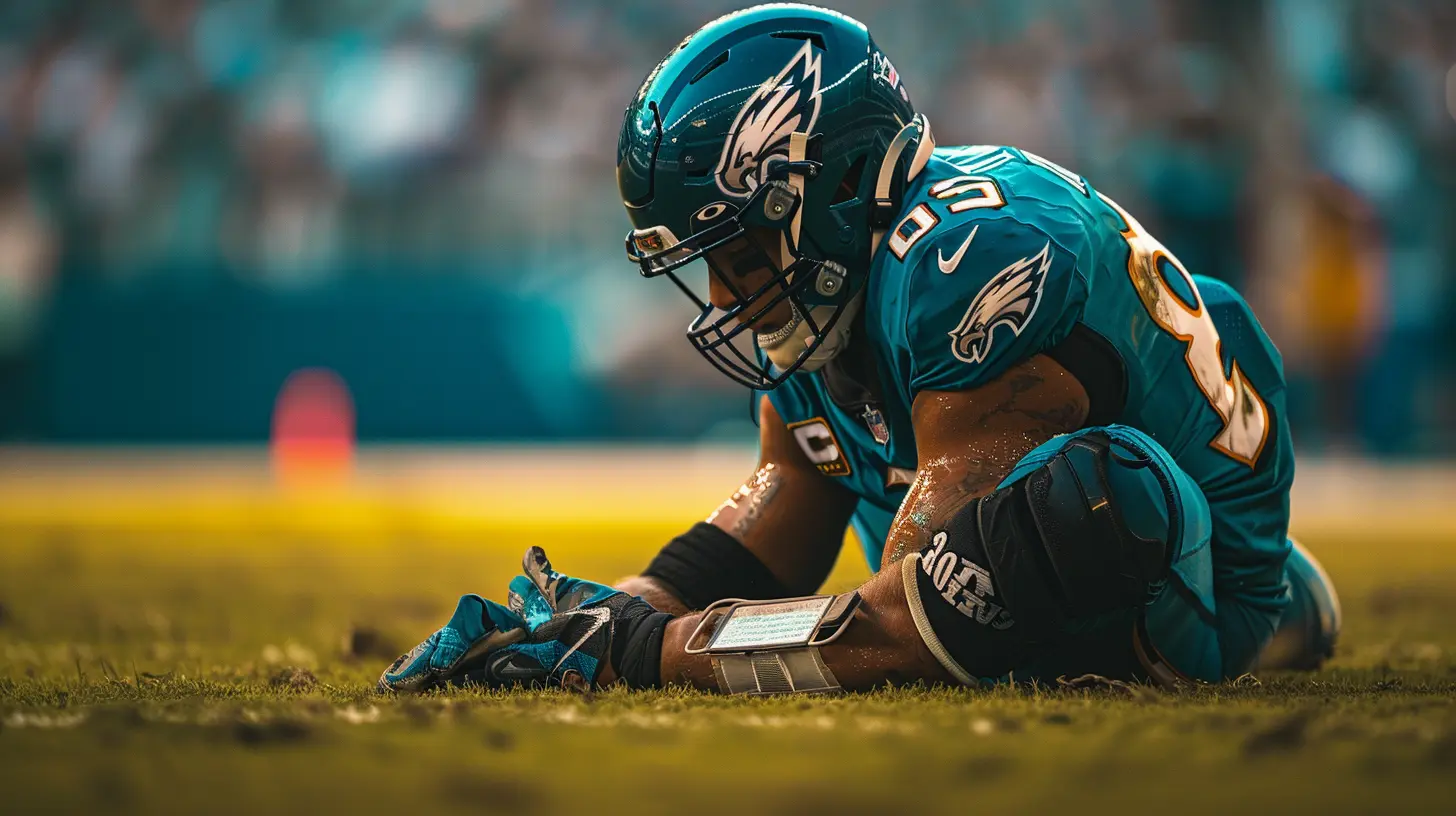
When the Risk Pays Off Big
Okay, let’s not get too doom-and-gloom. There are some amazing success stories, too. Players who bounced back stronger and carried teams—real and fantasy—on their backs.Comeback Kings
- Peyton Manning (Neck Surgery): Everyone thought he was done. Then he went to Denver and started breaking records.- Adrian Peterson (ACL Tear): Came back the next season and ran for over 2,000 yards.
- Michael Thomas (Ankle Injuries): After being devalued in drafts, he returned to put up WR1 numbers when healthy.
Sometimes, drafting an injured player is like finding a golden ticket in a chocolate bar.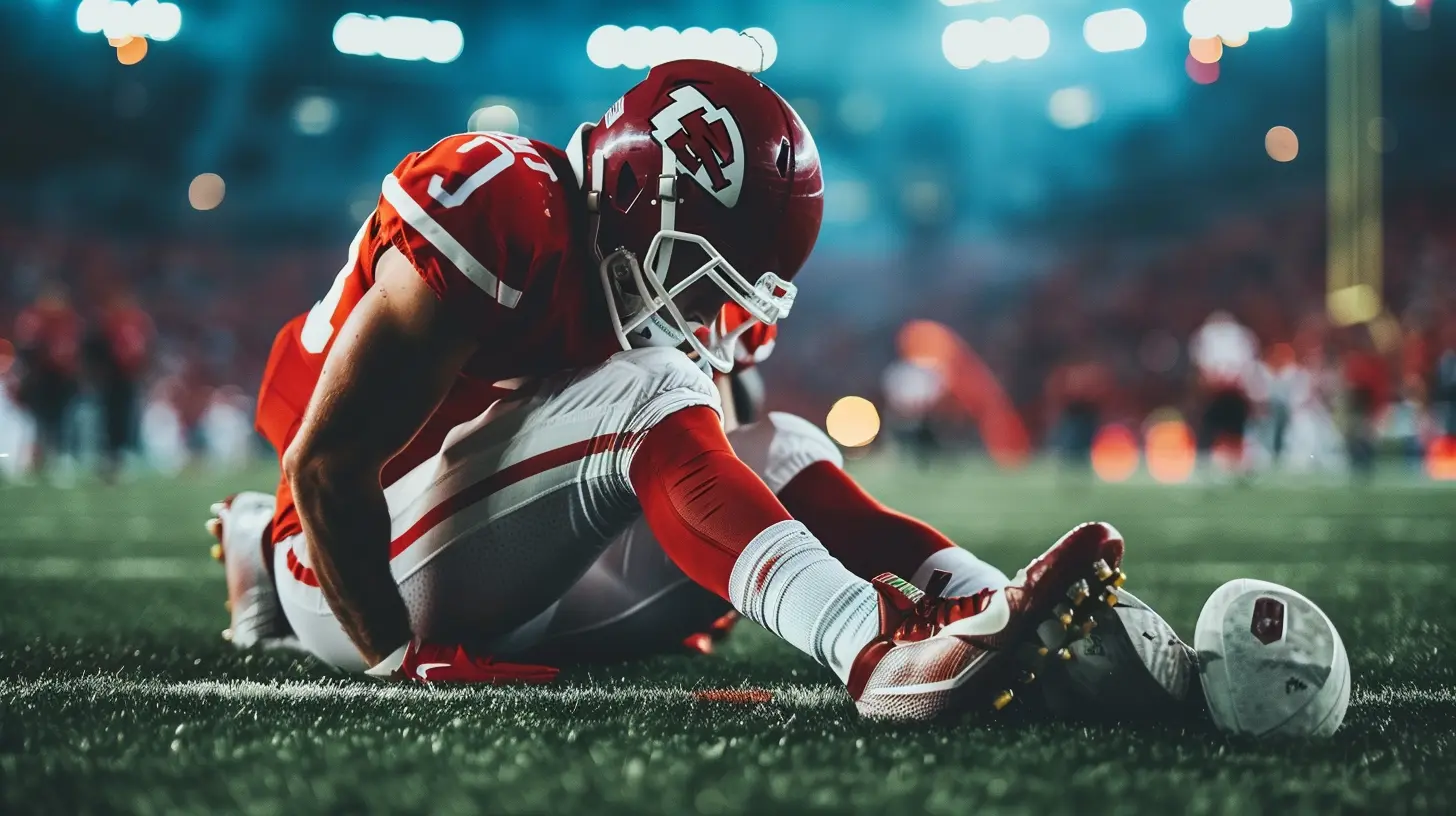
When It All Goes Wrong
Of course, for every comeback story, there’s a cautionary tale.- Todd Gurley: Once elite. Then came the knee issues, and just like that, he was out of the league.
- Greg Oden: Drafted #1 overall. Played just 105 games.
- Zion Williamson: Incredible upside, but injuries continue to derail his momentum.
The truth? Injury history is often the best predictor of future injuries. “Injury-prone” isn’t just a label—it’s a pattern.
Red Flags to Watch For
If you’re flirting with the idea of drafting an injured player, you need to do your homework. Here are some red flags that should make you pause:1. Chronic Injuries
Some injuries are one-offs. Others are recurring issues that never really go away. Ankles, knees, and backs? Those are usually bad news long-term.2. Lack of Team Transparency
If a team isn’t giving you clear updates—or worse, they keep pushing timelines back—it’s a sign that the rehab isn’t going as planned.3. Age and Wear & Tear
Older players don’t recover as quickly. If an aging running back is dealing with a knee injury, it might be time to look elsewhere.How to Bet Smart
Alright, so you’re still considering taking the plunge. How can you hedge your bet?1. Handcuff the Position
If you're drafting a running back coming off a foot injury, grab his backup, too. That way, you protect yourself if things don't pan out.2. Build Depth
Make sure you have other reliable players who can carry the load while your injured star gets up to speed.3. Monitor Preseason Reports
Follow training camp news closely. If you hear positive signs like “ahead of schedule” or “full participant in practice,” that’s a green light. If it’s all “limited reps” and “not expected to return soon,” proceed with caution.Final Thoughts: Know What You’re Signing Up For
Here’s the honest truth: Drafting injured players is not a strategy for the faint of heart. It takes guts, patience, and sometimes sheer luck.Sometimes you’ll look like a genius. Other times, you’ll be that guy who passed on a healthy breakout star for a player who never saw the field.
But that’s the beauty of sports, right? Nothing is truly guaranteed. That’s why we keep coming back.
So go ahead—take that shot on the injured guy. Just make sure you’ve got a backup plan.
TL;DR – The Quick Hit Summary
- Injured players offer high-risk, high-reward value.- The upside? You get elite talent at a discount.
- The downside? They may never return to form—or even play.
- Do your research, build depth, and play the long game if needed.
- When it works, it’s magic. When it doesn’t, gear up for damage control.
all images in this post were generated using AI tools
Category:
Draft PicksAuthor:

Onyx Frye
Discussion
rate this article
1 comments
Sarina Beck
Drafting injured players can be a double-edged sword. While the potential for high rewards exists if they recover, the risks often outweigh the benefits. Teams must carefully weigh a player's injury history against their talent and potential impact on the roster. Prioritizing health is crucial for long-term success.
August 5, 2026 at 12:56 PM
Onyx Frye
You're right. Balancing talent and injury risk is essential. A smart strategy can lead to great rewards, but teams need to be cautious about health concerns.