Understanding Offside in Soccer Like a Pro
12 August 2026
If you have ever watched a soccer match and seen a goal disallowed while the stadium erupts in confusion, you are not alone. The offside rule is the most misunderstood and debated law in the sport. Even seasoned fans sometimes struggle to explain it clearly. But here is the truth: once you truly understand offside, you will watch the game differently. You will see space, timing, and movement in a way that most casual viewers miss. This guide is built to get you there.
What Offside Actually Means
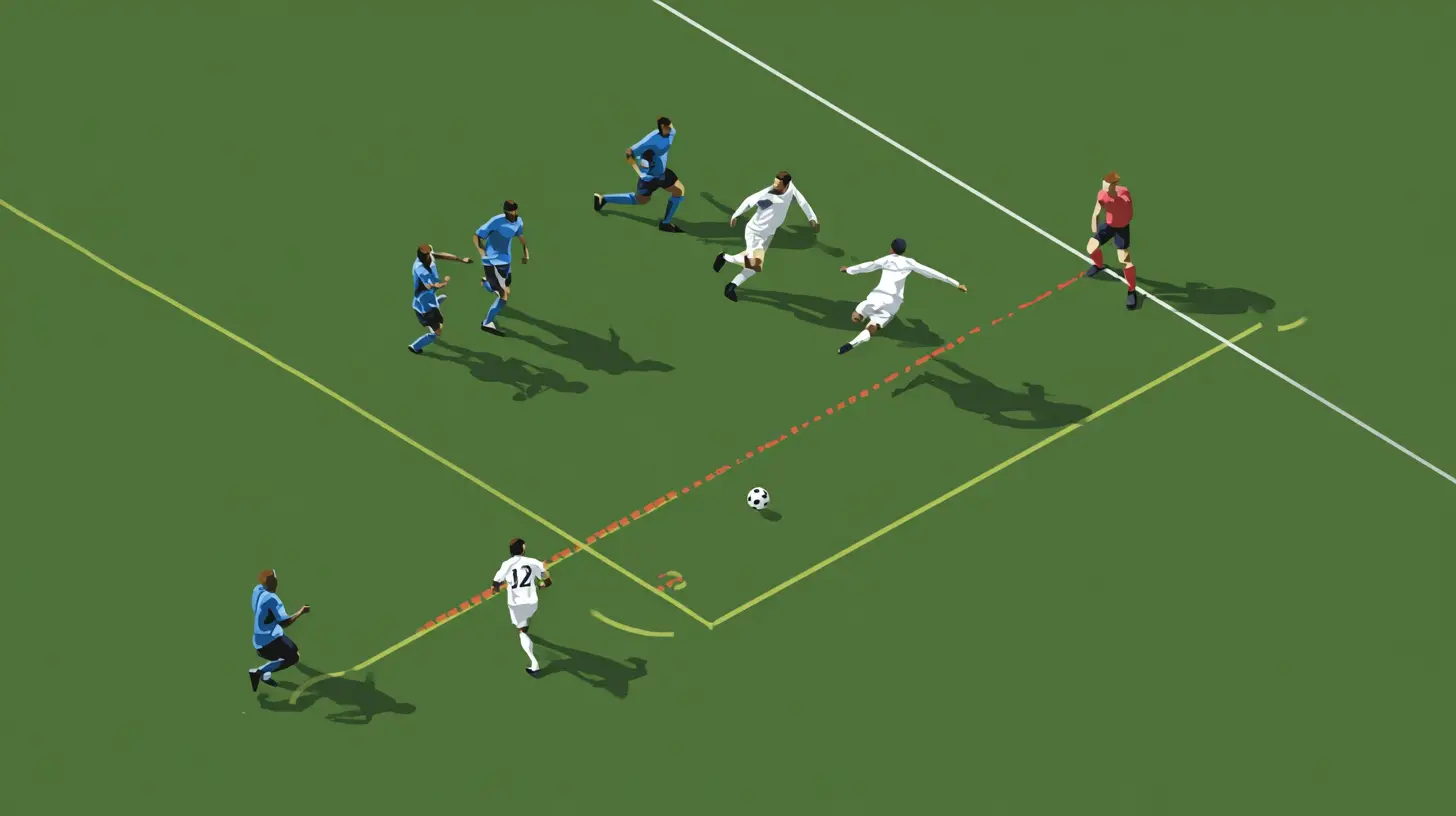
Offside is not a foul. It is an infraction that occurs when an attacking player is in an illegal position at the exact moment a teammate plays the ball to them. The punishment is an indirect free kick to the defending team, taken from the spot where the offending player became involved in active play.The core idea is simple: you cannot just stand next to the goalkeeper and wait for a pass. The rule exists to stop attackers from camping out in the opponent's penalty area. It keeps the game honest, forcing teams to build attacks through movement and passing rather than simply waiting for a long ball.
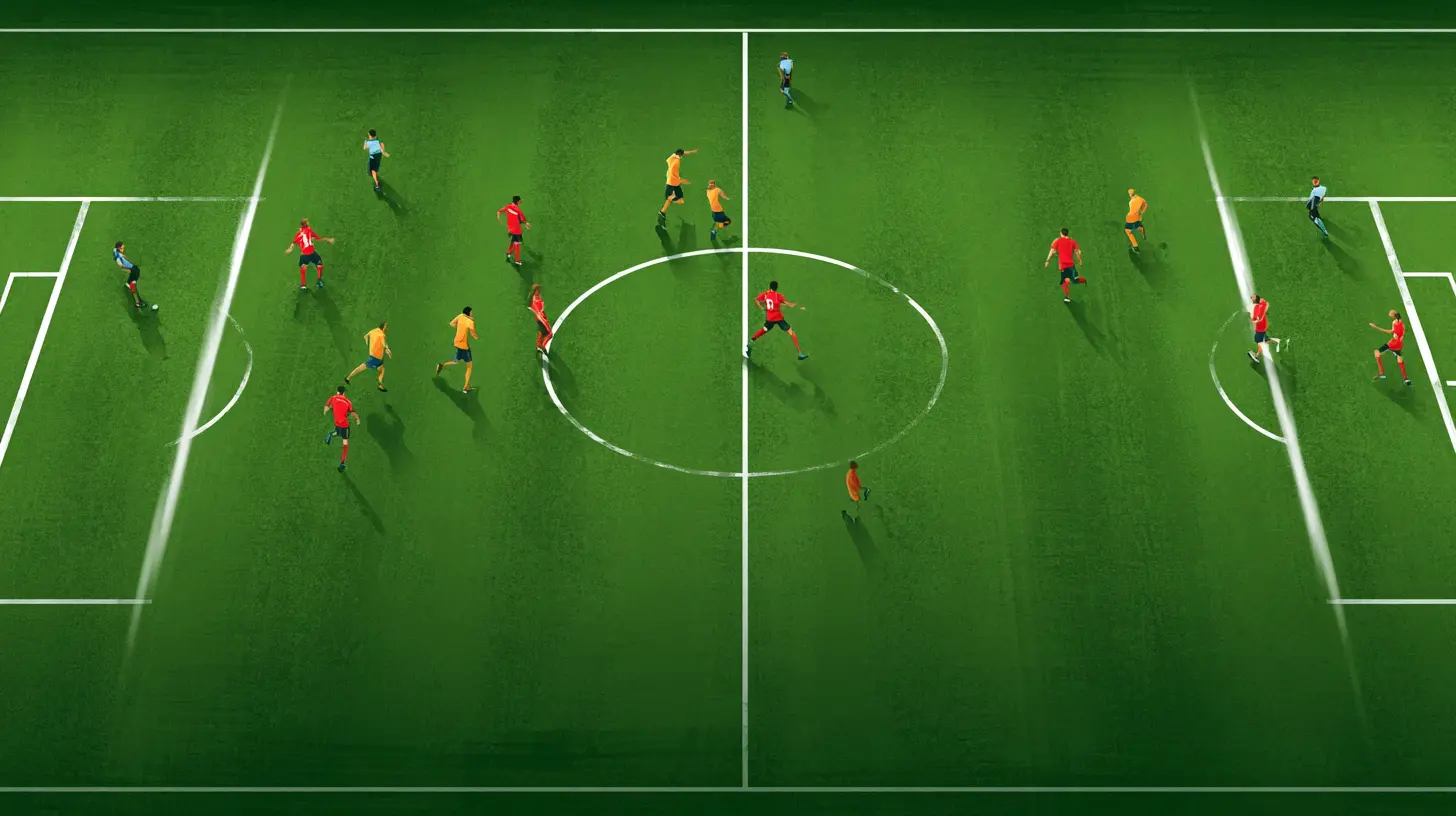
But the simplicity ends there. The actual application of the rule involves three distinct conditions that must all be true at the same time. The player must be in the opponent's half, closer to the goal line than both the ball and the second-last opponent, and actively involved in play. The second-last opponent is usually the last defender, not the goalkeeper. Many people think the goalkeeper is the reference point, but that is only true if the keeper is the last defender, which is rare.
The Three Conditions That Must All Be Met
Let us break down each condition carefully.Condition One: Being in the Opponent's Half
A player cannot be offside in their own half of the pitch. This is the easiest part to understand. If you are standing on your own side of the halfway line, you are always onside, no matter where the ball is or where the defenders are. This rule prevents absurd situations where a defender steps up and catches an attacker offside deep in their own territory.Condition Two: Position Relative to the Ball and the Second-Last Opponent
This is where the rule gets tricky. Imagine a line drawn across the pitch at the position of the second-last defender. Now imagine another line at the position of the ball. The attacking player must be ahead of both of those lines to be offside. If the player is level with the second-last defender, they are onside. If they are level with the ball, they are onside. The lines matter more than the actual physical distance between players.Here is a practical example. A defender is standing on the edge of the penalty area, and the goalkeeper is a few yards behind them. The second-last opponent is the defender, not the keeper. An attacker who is standing just behind that defender is offside. An attacker who is level with the defender is onside. The margin can be a matter of inches, which is why VAR checks are so precise and so frustrating for fans.
Condition Three: Active Involvement
This is the part that confuses even experienced watchers. Being in an offside position is not an offense by itself. The player must become involved in active play. That means they must touch the ball, interfere with an opponent, or gain an advantage from being in that position.Interfering with an opponent is the most subjective part. If an attacker is offside but does not touch the ball and does not block the goalkeeper's vision or movement, the referee may allow play to continue. But if that same attacker is standing directly in front of the keeper and the ball is shot toward goal, the keeper's line of sight is obstructed. That is interference, and the goal will be disallowed.
Gaining an advantage is also important. Imagine an offside player lets the ball run past them to a teammate who is onside. If the offside player does not touch the ball but their presence causes the defense to hesitate, that is gaining an advantage. The referee is expected to whistle for offside in that situation.
The Moment the Ball Is Played
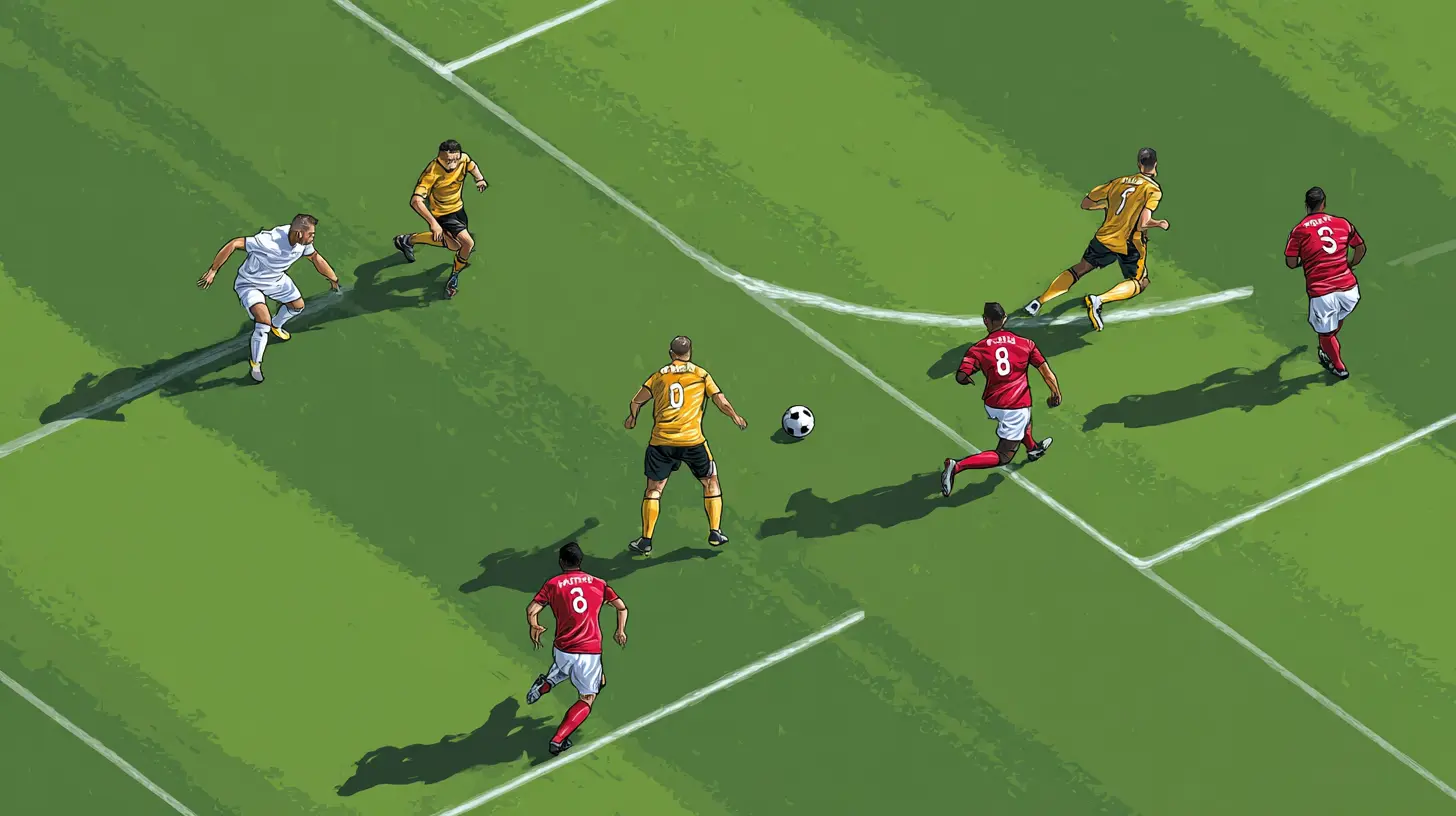
Everything hinges on the exact moment the ball is played by a teammate. Not when the ball arrives. Not when the player receives it. The freeze frame is the instant of contact between the passer's foot and the ball. This is why VAR reviews are so long. The officials are looking at the precise frame when the pass was made, not the frame when the ball reaches the attacker.This timing creates a fascinating dynamic. A player can start running from an onside position before the pass is made, and then be clearly ahead of the defender by the time the ball arrives. That is perfectly legal. The opposite is also true. A player can be in an offside position when the pass is made, then drop back to an onside position before receiving the ball. That is still offside because the position at the moment of the pass is what matters.
Common Misconceptions That Ruin Arguments
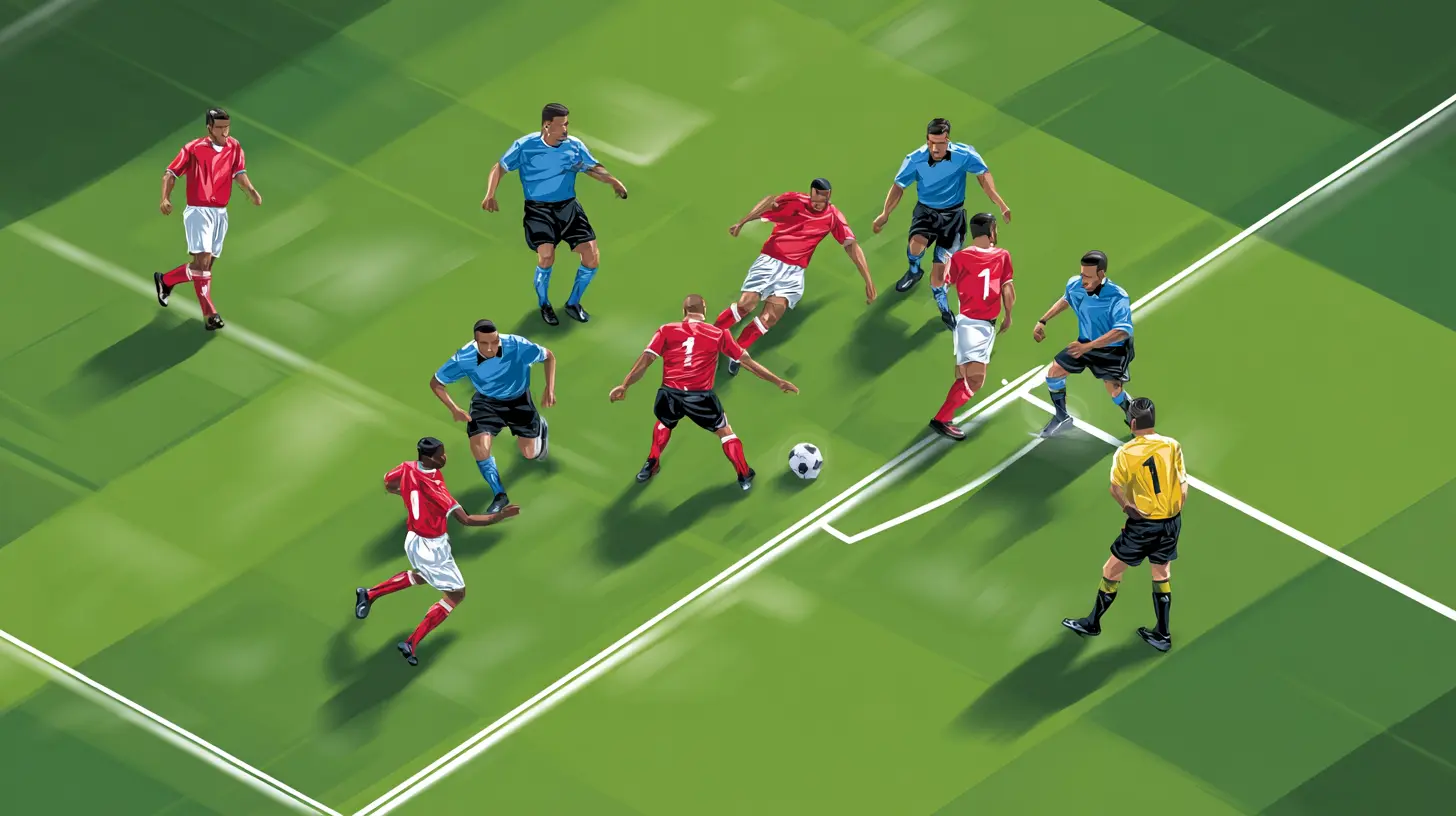
One of the most persistent myths is that a player cannot be offside if they are behind the ball. That is not accurate. The rule refers to being closer to the opponent's goal line than both the ball and the second-last opponent. If you are behind the ball, you are not closer to the goal line than the ball, so you are onside. But if you are ahead of the ball and level with the last defender, you are still onside because you are not ahead of both reference points.Another myth is that offside only applies to the player who receives the pass. In reality, any attacker in an offside position who interferes with play can be penalized, even if they never touch the ball. This happens frequently on crosses and set pieces. A crowded penalty area is full of players in offside positions, and the referee must decide who is actively interfering.
Some fans believe that a deflection off a defender cancels the offside. That is partially true but incomplete. If the ball deflects off a defender but the original pass was played to an offside attacker, the attacker is still offside. However, if a defender deliberately plays the ball, meaning they have clear control and time to choose a pass, then the offside is reset. The distinction between a deflection and a deliberate play is one of the hardest calls for referees.
The Offside Trap: A Defensive Tactic
The offside trap is a coordinated move where the entire defensive line steps up at the same moment, pushing the attackers into an offside position. When executed well, it is beautiful to watch. The timing must be perfect, and every defender must move in sync. One slow defender ruins the whole thing.The advantage of the offside trap is that it compresses the field. It allows the defense to play a high line, which keeps the team compact and makes it harder for the opponent to find space between the lines. It also forces the attacking team to time their runs more carefully, which can break their rhythm.
The disadvantage is the risk. If the trap fails, the attacker is clean through on goal with only the keeper to beat. A mistimed step leaves acres of space behind the defense, and the attacking team gets a one-on-one chance. This is why many teams prefer a deep defensive line instead. They sacrifice territory for safety, accepting that the opponent will have more possession in midfield but less chance of getting in behind.
The best teams mix both approaches. They use the offside trap selectively, often in the middle of the field or when the opponent is predictable. Near the penalty area, they tend to drop deeper and defend the space rather than gamble on timing. Knowing when to use which approach comes with experience and a deep understanding of the opponent's movement patterns.
How Attacking Players Exploit the Offside Rule
Top strikers are masters of timing. They study the defensive line and the body language of the last defender. They know when to make their run and when to hold their position. The art of staying onside is just as important as the art of making the run itself.One common technique is the delayed run. The striker starts moving slightly later than the defensive line steps up. This creates a moment of hesitation in the defender's mind. The striker appears to be offside, so the defender stops or raises an arm to appeal. But the striker is actually onside, and now they have a free run at goal. This is a psychological game as much as a physical one.
Another technique is the curved run. Instead of running in a straight line toward the goal, the attacker curves their run to stay on the blind side of the defender. This makes it harder for the defender to track both the ball and the attacker. It also keeps the attacker onside because they are not directly in line with the last defender when the pass is made.
The most advanced attackers use the offside line as a reference point for their positioning. They know exactly where the line is and use it to create separation. They might stand a step onside and then explode past the defender just as the ball is played. This requires incredible timing and spatial awareness, which is why only a few players in the world do it consistently at the highest level.
The Role of the Assistant Referee and VAR
The assistant referee is the primary judge of offside in real time. They watch the line of the second-last defender and the position of the ball. Their job is difficult because they must track multiple players while also watching the ball. The human eye is not perfect, which is why so many offside calls were wrong before technology became involved.VAR changed everything. The system uses calibrated lines to determine the exact position of the defenders and the attackers at the moment the ball is played. The technology is precise to the centimeter, but it has created new controversies. The issue is that the freeze frame is taken at the exact moment of contact, but the players are moving. A player's heel or shoulder can be a few millimeters ahead of the line, and that is enough to rule out a goal.
This precision has led to a debate about the spirit of the rule. Many fans and players argue that a player who is offside by a toenail is not gaining a material advantage. The counterargument is that the rule needs to be objective, and a clear line is the only way to be consistent. There is no perfect solution, and every method has trade-offs.
The real issue is that VAR has made offside calls more accurate but less intuitive. Fans cannot see the exact frame or the calibrated lines on the broadcast, so they are left confused when a goal is disallowed. The technology is correct, but the communication of the decision is poor. This is something the sport is still trying to improve.
The Deliberate Play Exception
Not every touch by a defender resets the offside. The law states that a player cannot be offside if the opponent deliberately plays the ball. The key word is deliberately. A deflection is not a deliberate play. A rebound off a defender's shin is not a deliberate play. The defender must have control of the ball and make a conscious decision to pass, clear, or carry it.This creates a gray area. What counts as control? If a defender slides in to block a cross and the ball bounces off their leg to an attacker, that is a deflection. The attacker is still offside if they were in an offside position when the original pass was made. But if the defender has time to control the ball and then misplaces a pass directly to an attacker, the offside is reset because the defender deliberately played the ball.
The best way to understand this is to think about intention. Did the defender intend to play the ball, or did the ball just hit them? If the defender is stretching to intercept and the ball takes a touch off their boot, that is not deliberate. If the defender is in a balanced position and passes the ball to a teammate but the pass is intercepted, that is deliberate play, and the attacker is onside.
Offside and the Goalkeeper
The goalkeeper is usually the last defender, but not always. If a defender is behind the keeper, then the keeper becomes the second-last opponent, and the offside line shifts accordingly. This happens when a defender is covering an empty net or when the keeper has come out of the box.When the keeper is the last defender, the offside line is the keeper's position. This changes the dynamic completely. An attacker can stand in front of an empty goal and be onside as long as they are level with the keeper. This is rare, but it happens on counterattacks when the keeper is stranded upfield.
Goalkeepers also play a role in the offside trap. A keeper who is quick off their line can act as a sweeper, allowing the defensive line to push higher because there is protection behind them. The keeper's positioning influences where the defense can set the offside line. A keeper who stays deep forces the defense to drop deeper, which gives the opponent more space in midfield.
Practical Tips for Players
If you are a defender, the most important skill is communication. The offside trap only works if everyone moves together. The center backs need to be vocal, and the full backs need to trust their partner's timing. You should also be aware of the attacker's body language. If an attacker is preparing to make a run, that is your cue to check your position relative to the rest of the line.If you are an attacker, never assume you are offside. Play to the whistle. Even if you think you are behind the defender, keep going until the referee calls it. Many goals are scored because the attacker stayed in the play while the defense stopped and appealed. The referee will not always give the call, and the advantage is yours if you keep playing.
For midfielders, the offside rule affects your passing choices. A through ball is only useful if your teammate is making a timed run. You need to read the movement of your striker and the defensive line. If the line is high and the striker is starting from an onside position, the through ball can be devastating. If the line is deep, a through ball is less effective because there is less space behind the defense.
How the Rules Have Changed Over Time
The offside rule has been modified many times. In the early days of soccer, a player was offside if they were ahead of the ball and there were fewer than three opponents between them and the goal. That meant you needed three defenders behind you to be onside. The rule was later changed to two defenders, which is the current basis.In 1990, the law was adjusted so that a player level with the second-last opponent was considered onside. Before that, level was offside. This change gave attackers more freedom and encouraged more attacking play. In 2005, the active involvement clause was clarified to distinguish between interfering with play and interfering with an opponent.
The most recent changes have focused on the use of VAR and the interpretation of handball in the buildup. There is ongoing discussion about whether the offside rule should be changed to encourage more goals. Some have suggested a daylight rule, where the attacker must be clearly ahead of the defender by a visible margin. Others have proposed removing offside entirely, which would fundamentally change the sport. Neither proposal has gained enough support, but the debate shows that the rule is not sacred.
The Mental Aspect of Offside
Offside is as much a mental battle as a physical one. Defenders try to trick attackers into mistiming their runs. Attackers try to trick defenders into stepping up at the wrong moment. The best players are always thinking one step ahead.A forward who is constantly caught offside is not just making technical errors. They are losing the psychological battle with the defense. The defense is reading their movement and anticipating their timing. To break this cycle, the forward needs to vary their runs. Sometimes they should stay onside and let the ball come to them. Sometimes they should make a decoy run to pull a defender out of position, even if they never receive the pass.
Defenders who are too aggressive with the offside trap can also lose the mental battle. If they step up too often, the referee might start watching them more closely, and the attackers will adjust their timing. A good defensive line knows when to be aggressive and when to back off. They do not try to catch every attacker offside. They pick their moments.
Watching Offside Like a Pro
Next time you watch a match, do not just look at the ball. Watch the defensive line. See how they move when the opponent has possession in midfield. Notice when they step up and when they drop. Watch the striker's starting position and the timing of their run. You will start to see the game in a new way.When a goal is scored and the referee checks for offside, do not just wait for the decision. Look at the position of the attacking player relative to the second-last defender at the moment the pass was made. You can train your eye to spot the offside call before the replay shows it. This takes practice, but it is a skill that makes watching soccer far more rewarding.
The offside rule is not perfect, but it is essential. It keeps the game balanced and rewards intelligent movement over simple positioning. Understanding it deeply gives you an appreciation for the tactical battles that happen on every single pass. That is what separates a casual viewer from a true student of the game.
all images in this post were generated using AI tools
Category:
Game Rules ExplainedAuthor:

Onyx Frye
Discussion
rate this article
2 comments
Kevin Scott
So offside is basically soccer's version of "don't be that guy" at a party who shows up when you're mid-conversation. Stay in the right spot, and maybe you'll avoid that awkward moment... or a yellow card!
August 30, 2026 at 5:02 AM
Onyx Frye
That's a great way to put it! Staying in the right position really does help avoid those awkward moments on the field... or getting penalized.
Jordan Franklin
The offside rule often confuses fans, but its purpose is to promote fair play and strategic depth. By keeping attackers in check, it encourages teamwork and tactical awareness. Analyzing how players navigate this rule reveals the nuances that make soccer so captivating.
August 18, 2026 at 12:12 PM
Onyx Frye
Absolutely. The offside rule adds complexity and strategy to the game, making teamwork essential. It's fascinating to see how players adapt to it on the field.