A Closer Look at the Importance of Midfield Playmakers
10 December 2025
When you're watching a thrilling football match, it's easy to get caught up in the goals, the saves, and the dramatic tackles. But let’s be honest—how often do we truly appreciate the brilliance that happens right in the heart of the pitch? That’s where the magic brews. That’s the domain of the midfield playmaker. These players may not always hog the spotlight, but they’re the glue that holds a team together.
In this article, we're going to take a deep dive into why midfield playmakers are such a big deal. We'll talk about what makes them tick, why they’re essential to every formation, and how they influence both ends of the pitch. Trust me, by the time you’re done reading this, you’ll watch your next game with a whole new appreciation for these midfield maestros.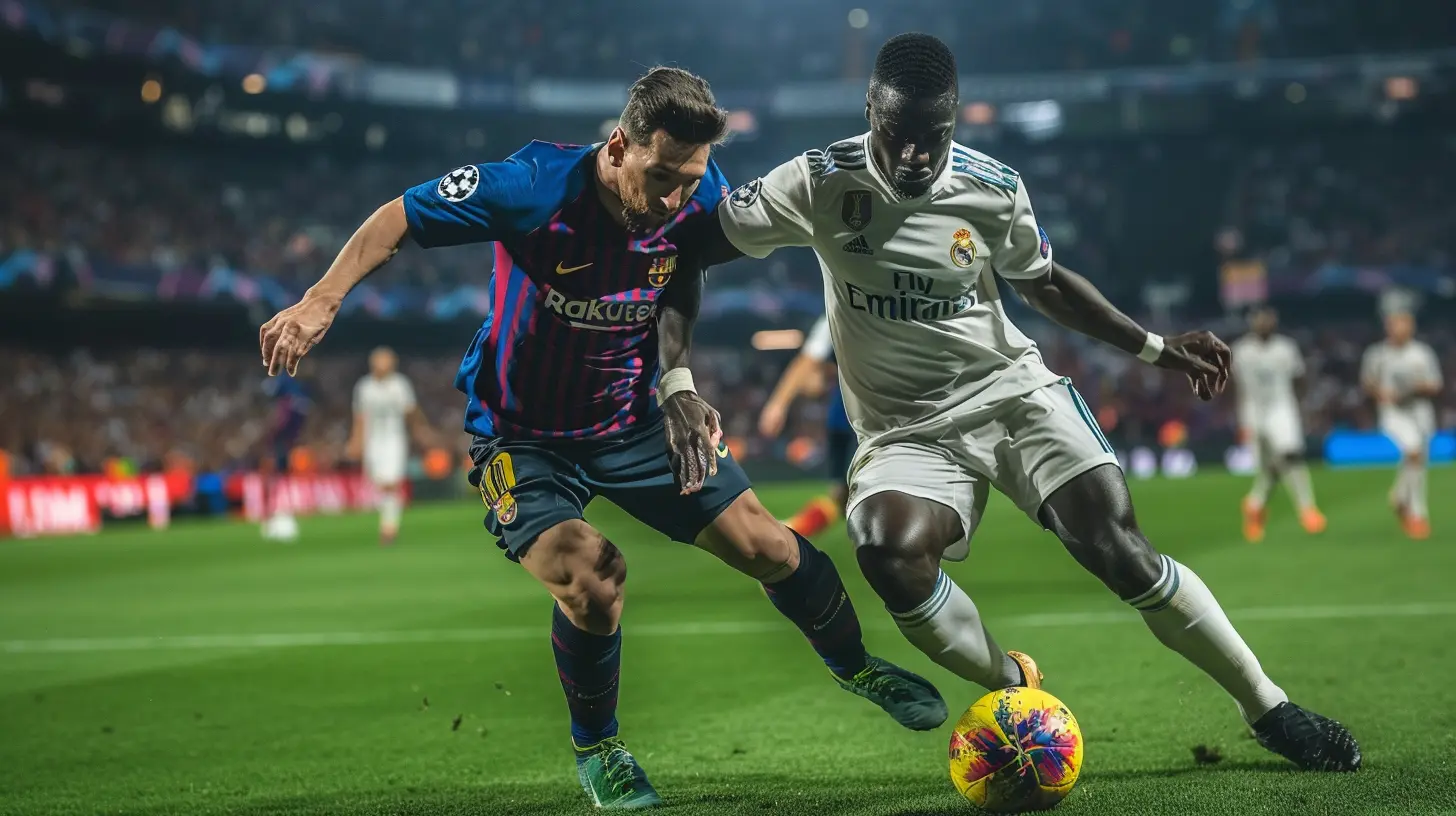
What is a Midfield Playmaker, Anyway?
Alright, let’s clear the air first. A midfield playmaker isn’t just someone who “plays in the middle.” That’d be underselling their role big time.A playmaker is the brain of the team. Think of them as the quarterback in American football or the point guard in basketball. They're the ones orchestrating the entire game. They dictate tempo, distribute the ball, create chances, connect defense to attack, and often pull off passes most players wouldn't even dare to try. The play flows through them.
There are two main types we see these days:
- Deep-lying playmakers (think Andrea Pirlo or Sergio Busquets)
- Attacking playmakers (like Kevin De Bruyne or Bruno Fernandes)
Both have different starting positions and slightly different responsibilities, but their goal is the same—control the game and create.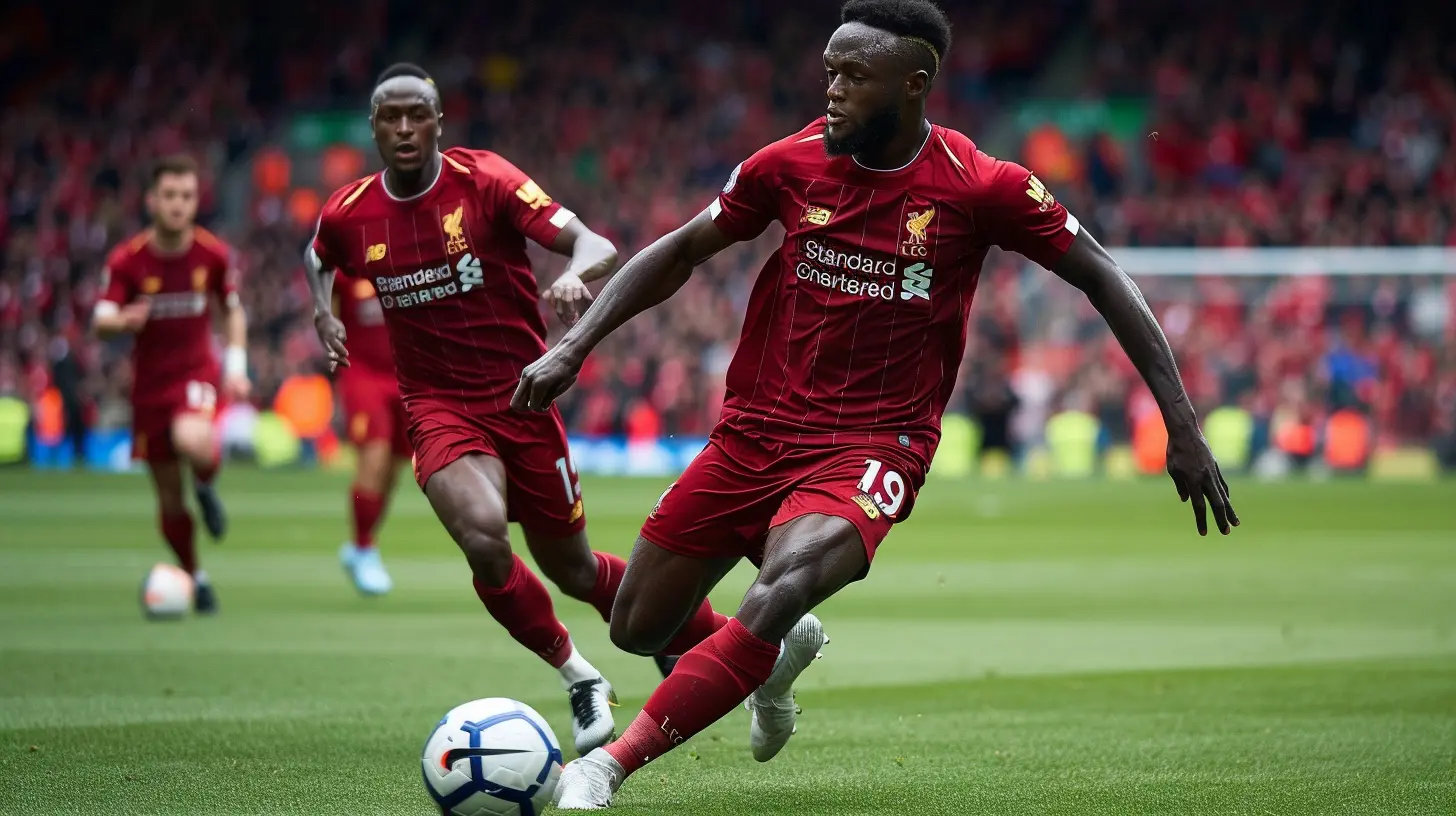
Why Are Midfield Playmakers So Crucial?
1. They Set the Rhythm
Every team needs someone who can control the tempo. You can’t always play at 100mph, right? Sometimes you need to slow it down, keep possession, and build an attack with patience.That’s where the playmaker shines.
They know when to pass it short, when to hit the switch, and when to press the accelerator. They’re essentially the team’s metronome, keeping everyone in sync and dictating how the match unfolds.
2. Bridging the Gap Between Defense and Attack
Football can be a chess match, especially when teams are evenly matched. The defense guards the house, the strikers hunt for goals—but how do you connect the two? Enter the playmaker.When defenders clear the ball, someone has to collect it, calm things down, and recycle it strategically. Midfield playmakers not only retrieve the ball but also transition it forward with purpose. Without them, your team risks looking disjointed, like a broken telephone.
3. Vision and Passing Range
Here’s a fun experiment—watch a game and focus just on the midfield conductor. You’ll start to notice those impossible passes, those split-second decisions, those subtle movements to create space.Their vision is unreal. They can see runs before they even happen.
Whether it’s a lofted pass over the top or a perfect through-ball between two defenders, these players do more than pass the ball—they paint with it. It’s artistry meets athleticism.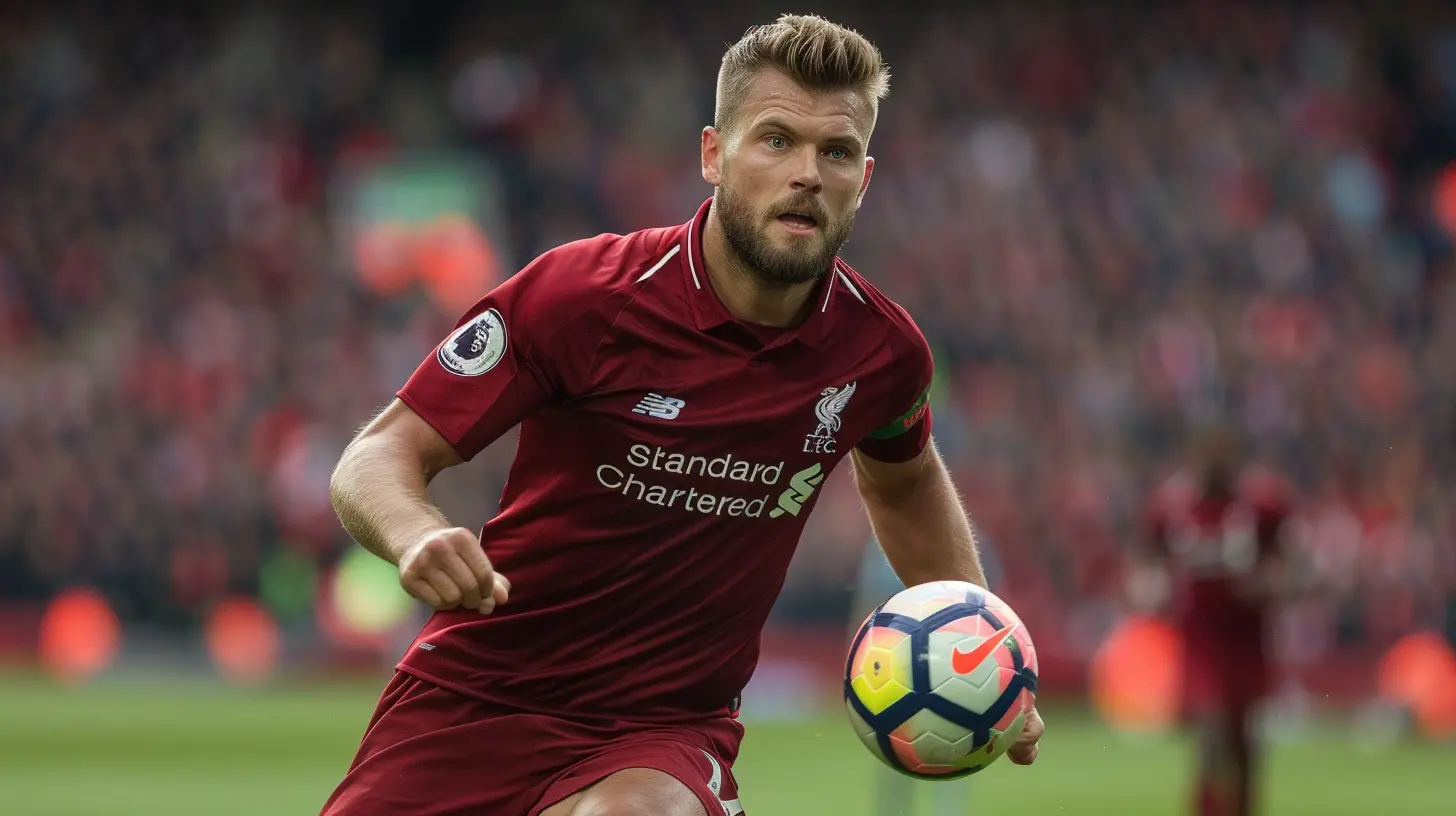
Playmakers Throughout History
Let’s be honest, we could talk tactics all day long, but nothing hits home like the legends who've shown us how it’s done.Andrea Pirlo: The Architect
Pirlo didn’t need to sprint. His weapon was his brain. He sat deep, picked passes like picking grapes at harvest, and made everything look so effortless. Italy’s 2006 World Cup win? Yeah, he had a huge say in that.Zinedine Zidane: Elegance in Motion
Zidane was the embodiment of class. His control, dribbling, and precise passes made him the heartbeat of any team he was in. And that volley in the 2002 Champions League final? Pure magic.Xavi and Iniesta: The Duo that Changed the Game
Barcelona’s tiki-taka era wouldn’t exist without these two. Xavi was the controller, Iniesta the dribbler and creator. Between them, they redefined midfield play—short passes, quick turns, and always a step ahead.Modern-Day Masters
Fast forward to today, and we’re blessed with talents like:- Kevin De Bruyne – Probably the best attacking playmaker right now. His vision, pace, and delivery are out of this world.
- Luka Modrić – Even into his late 30s, he's controlling Real Madrid’s midfield like a wizened general.
- Bruno Fernandes – Takes risks, makes things happen, and unlocks defenses with a single touch.
The Science Behind the Magic
It’s easy to admire the beauty, but let’s not forget there’s an ocean of strategy behind every move a playmaker makes.Spatial Awareness
It’s not just about where you are; it’s about knowing where everyone else is too. Great playmakers have a mental map of the pitch. Before they even receive the ball, they already know their next move.Decision Making Under Pressure
Think about it — a playmaker often has half a second to control the ball, scan the field, and make the right decision before getting swarmed. The truly great ones? They make it all look casual.Ball Retention and Press Resistance
When midfield gets crowded, you need someone who won’t panic. A good playmaker can shield the ball, wriggle out of tight spaces, and keep possession. Losing the ball in midfield? That’s a big no-no. It could lead to a devastating counter.The Evolution of the Role
Football is always evolving. So have playmakers.From the #10 to the False 9
The classic number 10 role has slowly faded in some modern formations. Coaches now prefer more dynamic, pressing midfielders. But playmakers are still alive—they’ve just adapted.Some, like Lionel Messi in his earlier Barcelona days, dropped deep as a false nine, creating havoc by blending attacking and midfield duties. Others have morphed into box-to-box dynamos, contributing in both defense and attack.
Data-Driven Football
Modern analytics now track everything from key passes to expected assists (xA). Playmakers get measured not just by what you see, but by what the data says. And guess what? They still come out on top.Training the Next Generation
So how do you build a future playmaker?- Start with technique – Dribbling, passing, and first touch have to be second nature.
- Develop game IQ – Watch matches, break down plays, understand movement.
- Encourage vision and creativity – Let young players take risks. Let them fail. That’s how genius builds.
Youth academies around the world now groom midfielders with intelligent movement and flair. The goal? Build the next De Bruyne or Modrić before they hit their teens.
How Playmakers Boost Team Performance
It's not just individual brilliance—playmakers elevate everyone around them.- They increase your attackers' output by feeding them clean chances.
- They help defenders by offering an outlet under pressure.
- They raise the overall tempo and cohesion of the squad.
A team without a solid playmaker is like a car with a fancy engine but no steering wheel. It may look good, but it’s going nowhere fast.
Final Whistle: Give the Midfield Some Love
Next time you're sitting on your couch watching your favorite team, do yourself a favor—watch the playmaker. Watch their movement, their calmness, their influence. They might not always score the goals or make the highlight reels, but they’re the silent heroes keeping everything ticking.Midfield playmakers are more than just passers—they’re storytellers. And every football match? That’s their canvas.
all images in this post were generated using AI tools
Category:
FootballAuthor:

Onyx Frye
Discussion
rate this article
2 comments
Remi McFadden
Midfield playmakers are essential for victory.
December 22, 2025 at 1:27 PM
Onyx Frye
Absolutely! Midfield playmakers are the heartbeat of the team, orchestrating attacks and linking defense to offense, crucial for securing victory.
Daphne McMillan
This article beautifully captures the essence of midfield playmakers. Their vision and creativity are the heartbeat of a team, often going unnoticed but crucial to success. It’s refreshing to see this vital role highlighted—truly, they are the unsung heroes of the beautiful game. Thank you for this insight!
December 17, 2025 at 1:09 PM
Onyx Frye
Thank you for your insightful comment! I’m glad the article resonated with you and highlighted the vital role of midfield playmakers in the game.