Thrills and Spills: Previewing the 2026 BMX World Championships
20 September 2026
Every year the BMX World Championships deliver a particular kind of chaos. Riders launch off a starting ramp at full sprint, hit jumps at speeds that leave no room for hesitation, and trade handlebars through corners where a single wrong lean can end a season. The 2026 edition will not be different. What makes it worth previewing now is that the picture is unusually open. Several of the sport's dominant names are aging into the back half of their careers, a wave of younger riders has started winning at the elite level, and the track itself will shape the racing in ways that reward specific skills over others.
This preview is not a list of favorites copied from a results page. It is a guide to what will actually decide the medals in 2026: the venue, the schedule, the categories, the riders, the equipment choices, and the small decisions that separate a world title from a fourth-place finish. If you follow BMX racing closely, or you are trying to understand why the sport looks the way it does, this should give you a working framework.
What the World Championships Actually Are
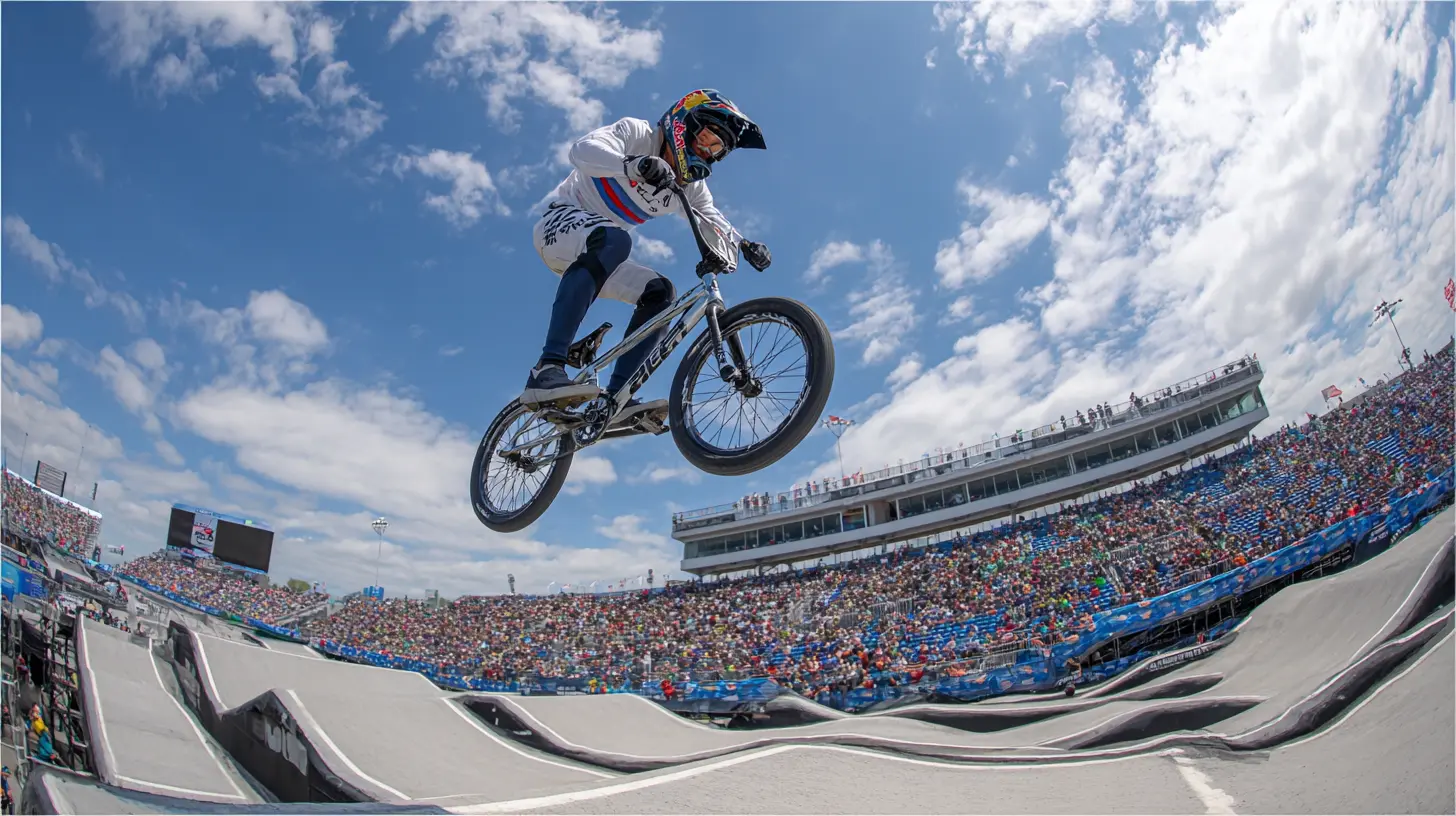
BMX racing is a sprint sport. Riders race on a purpose-built track roughly 350 to 400 meters long, featuring a starting hill, a series of jumps and rollers, and banked corners called berms. A race, called a moto, lasts somewhere between 30 and 45 seconds at the elite level. The World Championships compress a full season's worth of pressure into a single week, and unlike the World Cup series, there is no second chance. One bad gate, one clip of a pedal, and the year is over.That structure matters more than most casual viewers realize. In a World Cup, a rider can finish fifth in one round and still win the overall title through consistency. At the Worlds, consistency across a season means nothing. You need to be fast on one specific day, on one specific track, in conditions you may never have raced before. This is why the list of world champions is not identical to the list of World Cup overall winners. It rewards peaking, adaptability, and nerve.
The Categories You Will See
The championships typically include several classes racing across the week:- Elite Men and Elite Women, the flagship categories
- Under 23 Men and Under 23 Women, introduced to bridge the gap from junior to elite
- Junior Men and Junior Women
- Masters and amateur categories, depending on the host federation's program
- Cruiser classes, raced on 24-inch wheel bikes rather than the standard 20-inch
The Under 23 category deserves particular attention in a preview like this. It has changed career trajectories. Riders who would once have been thrown straight into elite competition now get a protected environment to develop, and the riders who win there often arrive in elite racing with a different kind of confidence. When you watch the 2026 Under 23 races, you are effectively watching the 2028 and 2032 Olympic medal contenders.
Why the Venue Shapes Everything
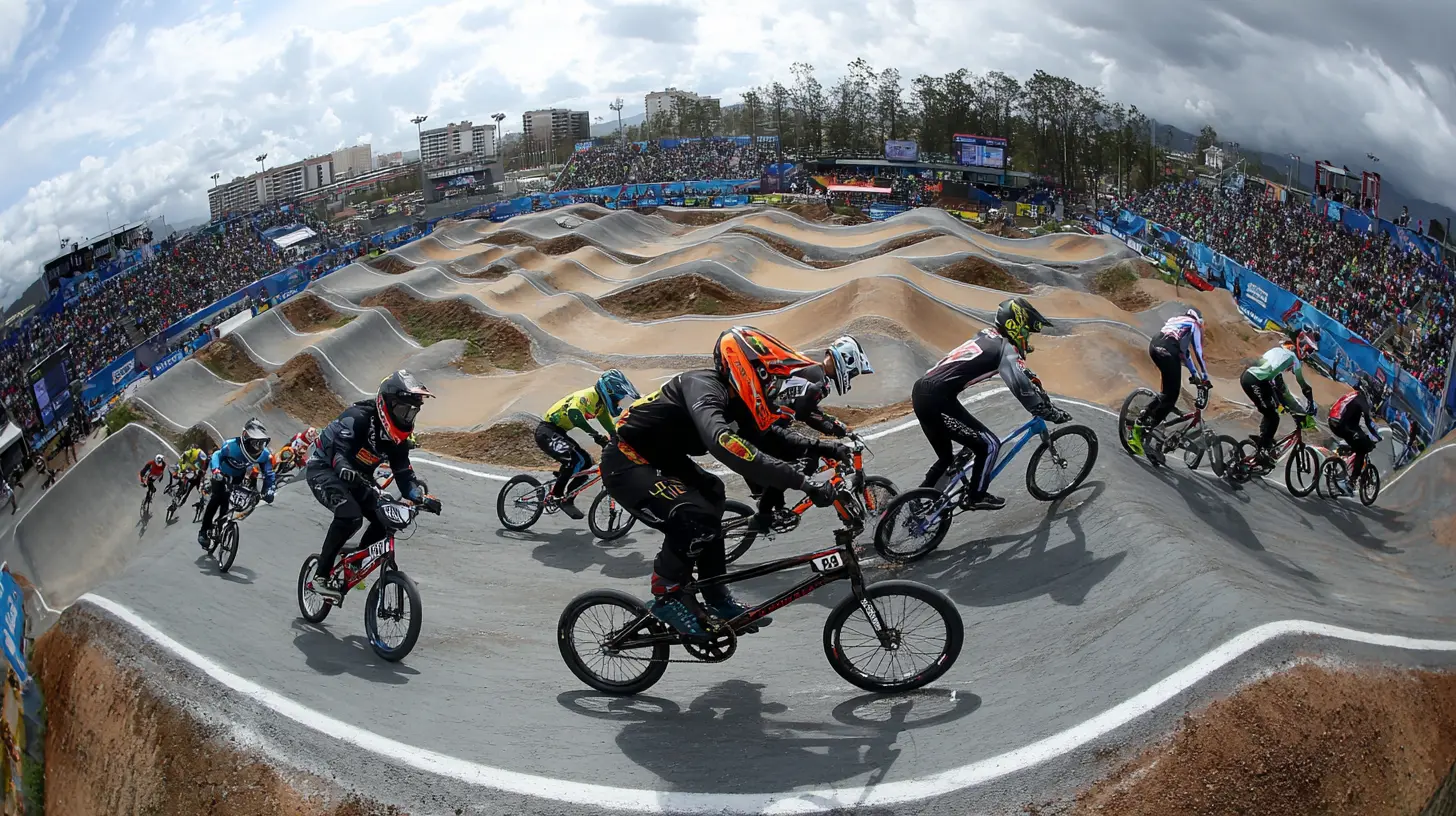
BMX tracks are not interchangeable. Two tracks of identical length can produce completely different racing. The variables that matter most are:Starting hill height and ramp angle. A steeper, taller start rewards explosive power and precise gate timing. A flatter start compresses the field and makes the first corner more crowded, which increases the chance of contact and crashes.
Jump design. Tracks built with "rhythm sections" of closely spaced doubles and triples reward riders who can manual and pump efficiently, maintaining speed without pedaling. Tracks with bigger, more separated jumps reward riders willing to commit to full-speed sends. The two styles favor different athletes.
Berm shape and width. Wide, sweeping berms allow multiple lines and encourage passing. Tight, steep berms force riders into single file and turn the race into a drag race out of the gate.
Surface and maintenance. Hard-packed clay runs fast and predictable. Loose or dusty surfaces change grip from moto to moto, which punishes riders who set their bike up once and never adjust.
Altitude and climate. A track at significant elevation reduces air resistance slightly but also reduces oxygen availability for repeated efforts. Heat changes tire pressure, hydration needs, and how aggressively riders can warm up.
Before the 2026 championships, the single most useful thing a fan or aspiring rider can do is study the host track's layout. Look at where the first passing opportunity occurs. Look at whether the last straight is long enough for a rider to recover from a bad start. Look at whether the track rewards a holeshot specialist or a rider who can generate speed through technique. That analysis tells you more about likely results than any ranking list.
The Riders: Who Is Peaking and Who Is Fading
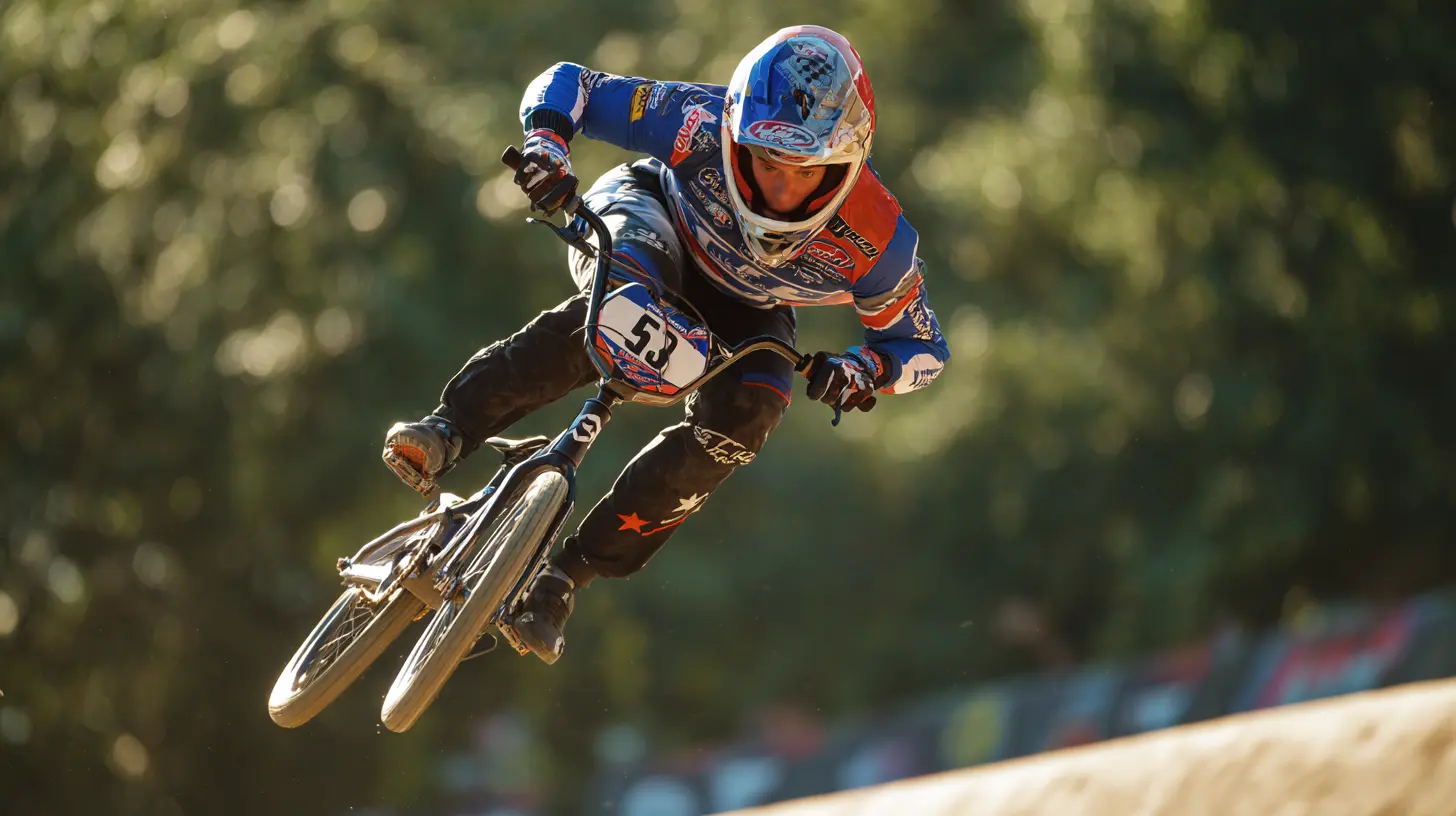
BMX careers are short by the standards of most sports. The physical demands, the repetitive impact, and the sheer risk of injury mean many elite riders peak between 22 and 28 and retire before 35. This creates a predictable cycle: every Olympic cycle, a new generation arrives.For 2026, the sensible way to think about the field is in three groups.
The Established Champions
These are riders who have already won world or Olympic titles. Their advantage is experience. They know how to manage a week of racing, how to handle the pressure of a main event, and how to recover between motos. Their disadvantage is wear. Years of crashes and training accumulate. A rider who was untouchable at 23 may be half a bike length slower at 29, and at this level half a bike length is the difference between gold and sixth.The key question for this group is not whether they are fast. It is whether they can still produce their best single lap on demand, after three days of racing, on a track that may not suit them.
The Breakout Contenders
These riders have been knocking on the door: podium finishes at World Cups, strong showings at continental championships, maybe a junior world title a few years back. They are in the sweet spot of physical maturity and hunger. They often have one weakness, usually gate starts or race craft in traffic, and the World Championships is unforgiving about weaknesses.If you are looking for value in a prediction, this is usually the group. They are not yet priced as favorites, but they have the speed.
The Wildcards
Every Worlds produces at least one rider nobody expected. It might be a local racer who knows the track better than anyone, a rider returning from injury with nothing to lose, or a junior moving up who has not yet been studied by the field. These riders are dangerous precisely because they are unknown. Opponents cannot anticipate their lines.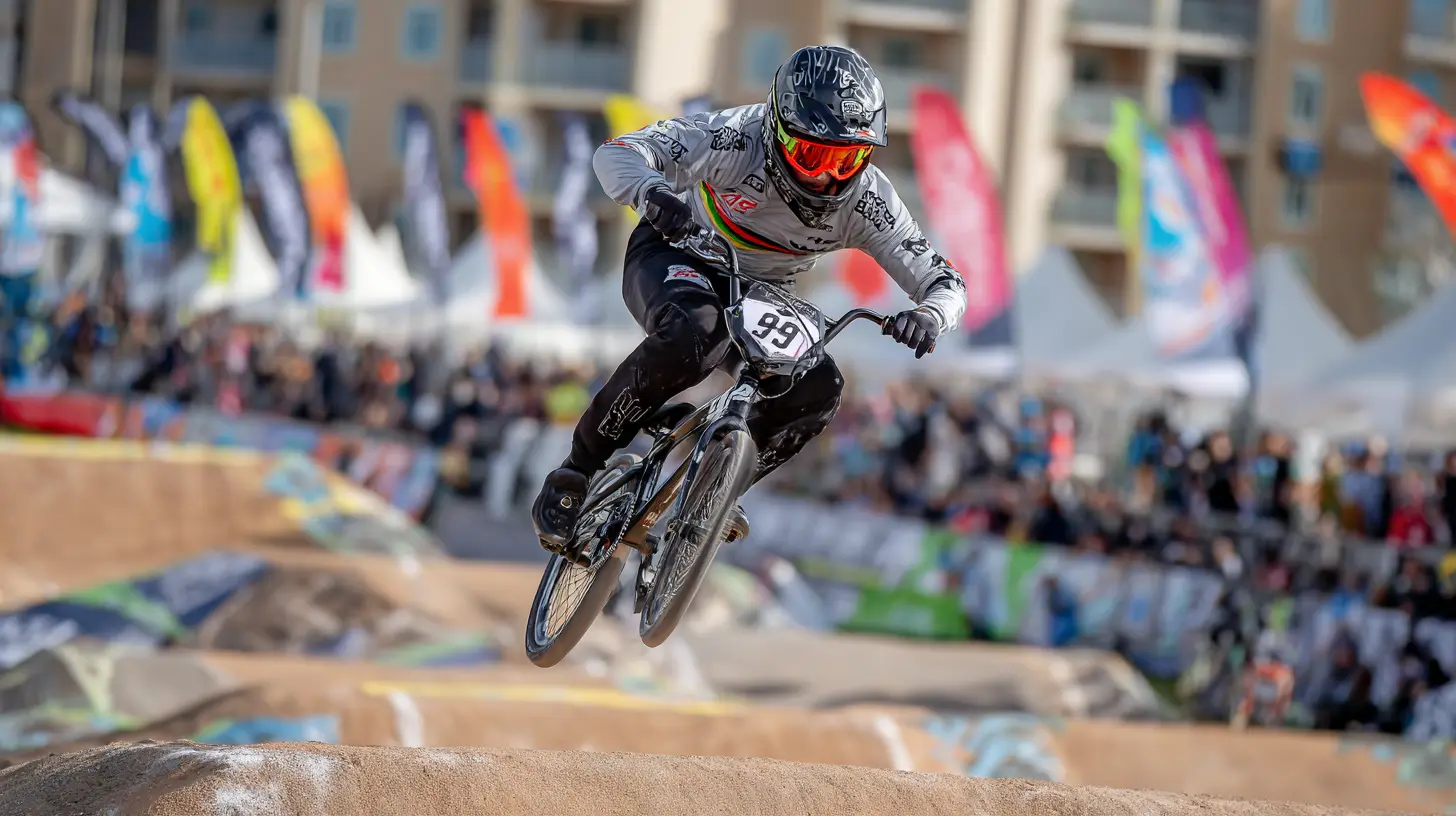
The Technical Side: What Wins a World Title
BMX looks simple from the outside. It is not. The technical detail at elite level is significant, and understanding it makes the racing far more interesting to watch.Gate Starts
The gate start is the most rehearsed moment in the sport. Riders spend years perfecting their timing. The gate drops, and the rider must explode forward while keeping the front wheel down and the body in a position that allows an immediate pedal stroke.The trade-off is between reaction and control. A rider who anticipates the gate can gain a fraction of a second but risks a false start or a poor first pedal. A rider who reacts purely to the gate drop is safe but may lose the holeshot. Elite riders typically aim for a hybrid: they track the gate's cadence and commit just before the drop, trusting muscle memory.
What most people miss is that the gate matters less on some tracks than others. On a track with a short run to the first jump, the holeshot is nearly decisive. On a track with a long, flat start straight, a rider who gates poorly can still recover by generating more speed before the first obstacle. This is why studying the track layout comes before studying the riders.
Manuals, Pumps, and Jumping
Between the jumps, elite riders do not pedal as much as you might expect. They pump: using body weight and timing to extract speed from the track's transitions. A rider who can manual (balance on the rear wheel through a section) can carry speed through rollers that force others to pedal.The trade-off here is risk. Pumping and manualing require precision, and a small error can cost more speed than pedaling would have. Riders choose based on their skill and the track's design. On a rhythm section with closely spaced rollers, pumping is almost always faster. On a section with larger gaps, jumping is often safer and faster.
Passing and Race Craft
BMX is a contact sport in practice, even if the rules discourage deliberate contact. Passing happens in three places: the first berm, the exit of the second berm, and the final straight. Riders who can pass cleanly in the first berm are extremely valuable because they avoid the chaos behind them.The most common mistake young riders make is trying to pass too early. Committing to an inside line in the first corner when three riders are already there usually ends in a crash. Experienced riders wait for the second corner, where the field has spread out and the passing lane is clearer. This is a small example of why experience matters so much at the Worlds.
Equipment Choices and Their Consequences
Bike setup at elite level is a series of trade-offs, and the World Championships amplify them because riders cannot easily test changes between motos.Gearing. Taller gearing produces higher top speed but slower acceleration. Shorter gearing accelerates faster but tops out sooner. On a track with a long final straight, riders lean toward taller gearing. On a track with a short, jump-heavy layout, they go shorter.
Tire pressure and tread. Higher pressure rolls faster on hardpack but loses grip on loose surfaces. Lower pressure grips better but risks pinch flats and slower rolling. Riders often adjust between motos based on how the track is holding up.
Frame length and geometry. Longer frames are more stable at speed and over jumps. Shorter frames are more agile in tight berms. Track design drives the choice.
Clipless versus flat pedals. Clipless pedals transfer power more efficiently and keep feet planted over jumps. Flat pedals allow faster foot placement after a dab and are preferred by some riders in wet conditions. There is no universal answer, and riders who switch late in their careers often struggle.
The practical advice for anyone racing at any level: do not change equipment at a championship. Test changes in training, weeks before. The Worlds is not the place to experiment.
Common Mistakes Riders and Coaches Make
Watching championship racing over the years, a few errors repeat.Over-racing in the early motos. Riders who push maximum effort in qualifying rounds arrive at the main event fatigued. The best riders do enough to advance and no more. This is a discipline problem as much as a physical one.
Ignoring the weather. Rain changes everything. Riders who do not have a wet setup or a wet riding plan are at a severe disadvantage. Checking forecasts and preparing two setups is basic practice, yet it is often skipped.
Mistaking speed for race craft. A fast rider who cannot hold a line in traffic will not win a world title. Coaches who focus only on lap times produce riders who qualify well and finish poorly.
Underestimating the psychological load. A world championship is mentally exhausting. Riders who do not have routines for managing nerves, sleep, and media obligations often underperform. This is not soft advice. It is a measurable factor.
What to Watch For in 2026
If you are following the championships, here is a practical watching guide.Watch the first corner in every moto. It tells you who has the speed and who has the nerve. Most crashes and most passes happen there.
Track the gate times if they are published. A rider consistently in the top three gate times is a serious threat regardless of their ranking.
Notice who is pedaling and who is pumping. Riders who pump efficiently are usually conserving energy for later rounds. Riders who pedal constantly are often less technically confident.
Pay attention to the Under 23 races. They are frequently the most exciting racing of the week, and they preview the next Olympic cycle.
Look at the last straight. If it is long, expect late passes. If it is short, expect the race to be decided in the second berm.
Final Thoughts
The 2026 BMX World Championships will be decided by a combination of factors that no single ranking captures: track design, gate execution, technical efficiency, race craft, equipment choices, weather, and the ability to produce one perfect lap after four days of pressure. The riders who win will not simply be the fastest in a time trial. They will be the ones who understood the track, managed their energy, and made the right decision in the half-second that mattered.For fans, that is what makes this event worth your attention. For riders and coaches, it is a reminder that preparation is not just physical. It is tactical, technical, and mental, and the margins are smaller than they look.
all images in this post were generated using AI tools
Category:
Upcoming TournamentsAuthor:

Onyx Frye