The Unexpected MVP According to Fans in 2026
26 September 2026
Every year, the MVP conversation follows a predictable script. Analysts point to scoring averages, efficiency metrics, win shares, and highlight reels. Fans argue about narrative versus numbers. Talking heads declare a frontrunner by December and spend the next four months defending or dismantling that pick.
Then 2026 happened.
If you polled the most online, most terminally invested fan bases across major sports in early 2026, the name that kept surfacing as the "real MVP" was not a max-contract superstar. It was not a rookie phenom. It was not even, in several cases, a full-time starter.
It was the backup.
Not one specific backup. The concept itself. Fans across basketball, football, and hockey started rallying around the idea that the most valuable player on a roster is often the person who never gets a banner, never gets a signature shoe, and never gets a tribute video. The guy who plays 12 minutes, knows every playbook, holds the locker room together, and steps in when everything falls apart.
This is not a hot take for the sake of being contrarian. It is a real shift in how fans evaluate value, and it says a lot about where sports culture is heading in 2026.
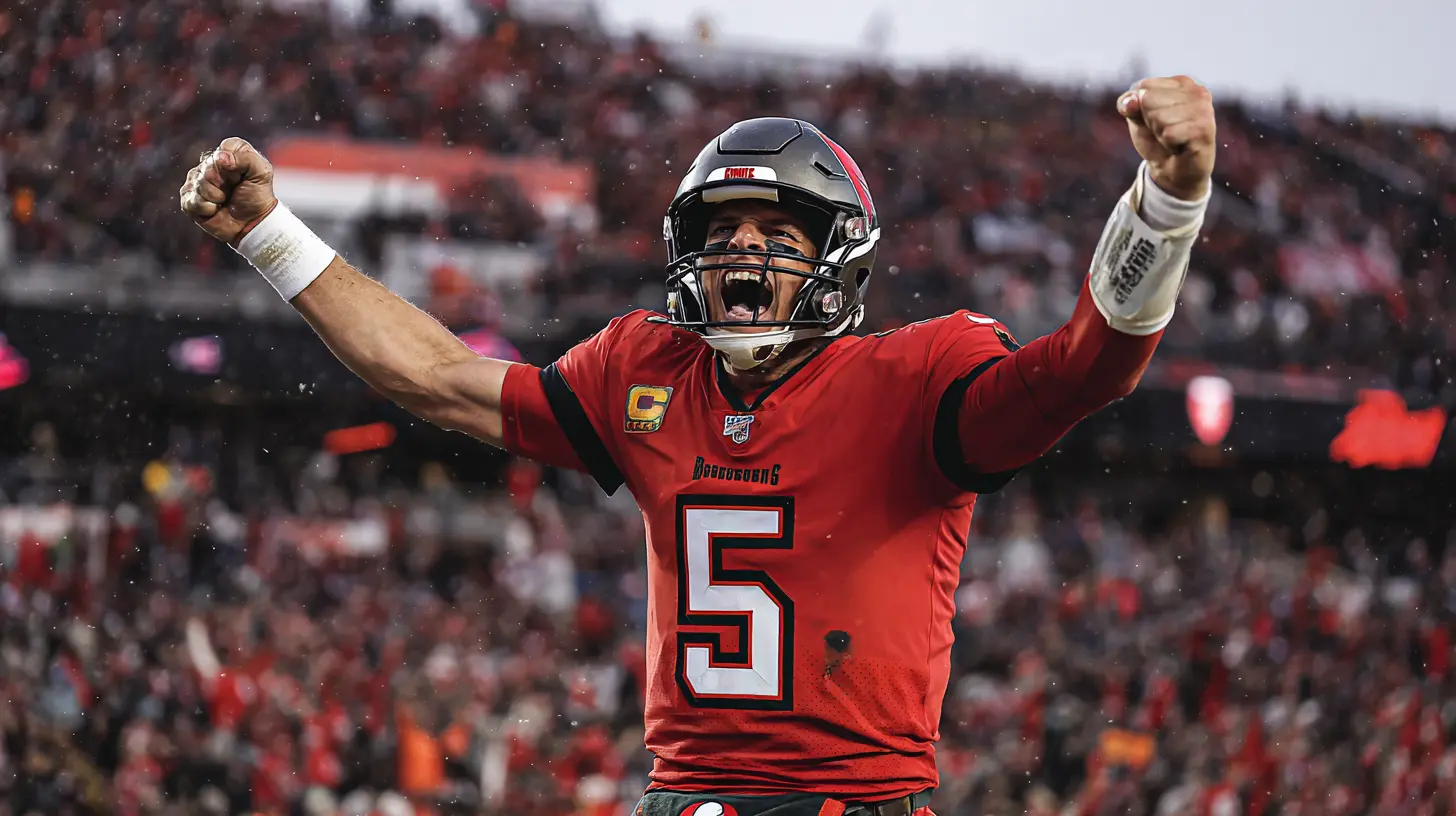
Why Fans Started Looking Past the Box Score
For two decades, the MVP debate has been shaped by publicly available advanced stats. PER, WAR, EPA, xG, plus-minus, on/off splits. These tools are genuinely useful. They also have a blind spot the size of a bench.They measure what happens when a player is on the court or field. They rarely capture what happens because a player exists on the roster.
Consider a concrete scenario. A starting point guard goes down with a hamstring injury in January. The backup steps in for six weeks, runs the offense at a league-average level, and the team goes 14-8 instead of 6-16. The starter returns, the team secures a top-four seed, and the backup's name never appears in a single MVP discussion.
By traditional logic, the starter is the MVP candidate. By fan logic in 2026, the backup just saved the season.
Fans have started to notice this pattern because access has changed. Player podcasts, behind-the-scenes documentaries, and social media clips have made the invisible labor of role players visible. When a third-string tight end explains how he prepares every week as if he is starting, fans remember it. When a bench guard describes the defensive scout team he runs in practice, that information travels.
The result is a fan base that values reliability, preparation, and emotional leadership as much as raw production.
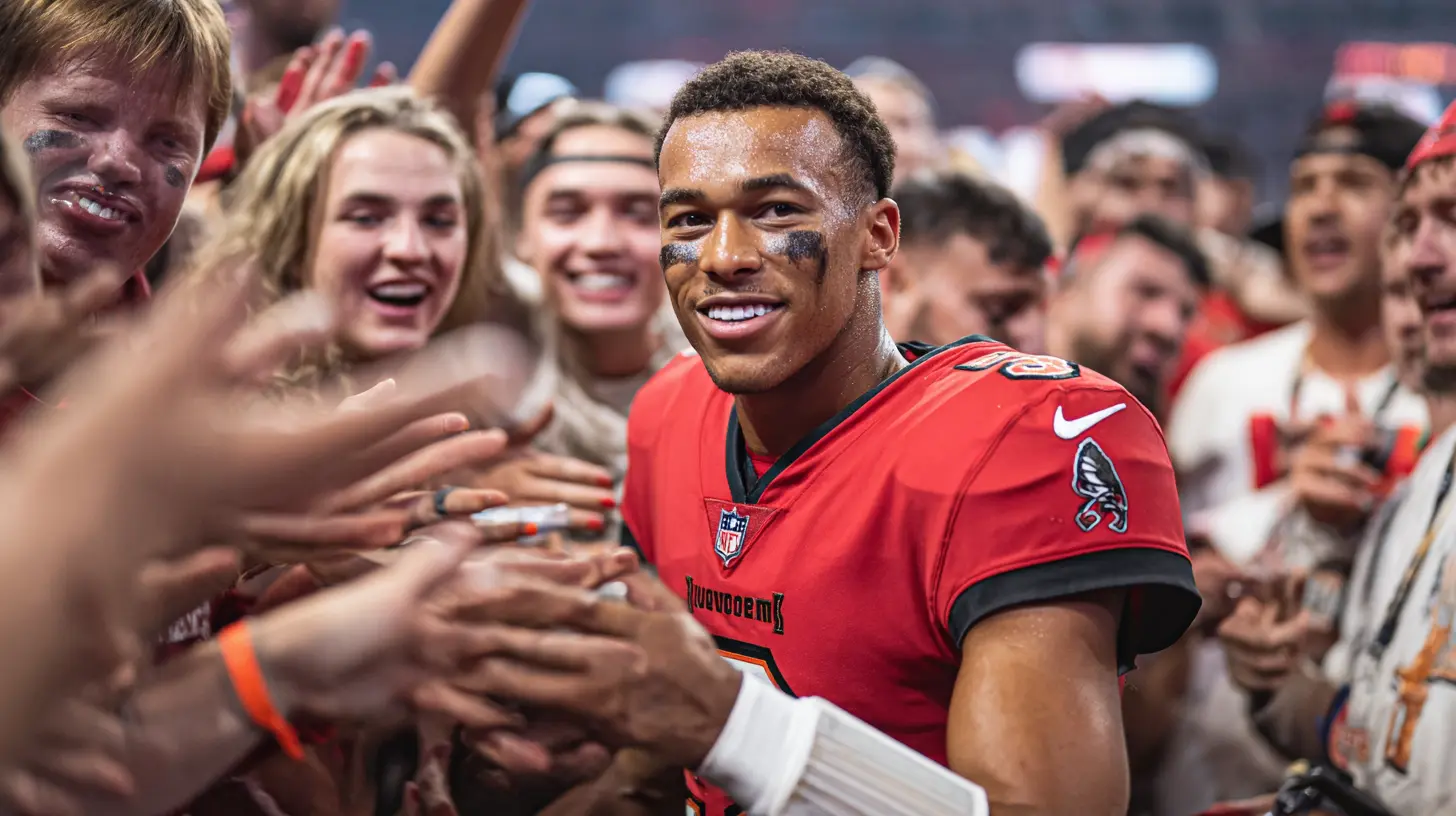
The Case for the Backup as MVP
Let's build the actual argument, because it is stronger than it sounds.Availability Is a Skill
The single most underrated ability in professional sports is being available. Not just healthy, but ready. There is a meaningful difference between a player who is medically cleared and a player who can execute a game plan on four hours' notice.Backups who thrive in this role share a specific trait: they prepare as if they are starting every week. They study film on the opponent's second unit. They memorize audibles they may never use. They rehearse end-of-game situations in empty gyms.
When the starter goes down, there is no adjustment period. The machine keeps running.
Fans in 2026 have started calling this "roster insurance," and they are right to value it. A team with a reliable backup at a critical position is functionally a different organization than one without.
The Salary Cap Math
Here is where it gets interesting. In capped leagues, value is not just production. It is production per dollar.A superstar making 35 percent of the cap who produces at an elite level is valuable. A backup making 3 percent of the cap who produces at 70 percent of a starter's level for six weeks is arguably more valuable per dollar.
Fans have gotten smarter about this. Cap sheets are public. Contract details are public. When a fan base realizes that their team's third guard is outplaying his contract by a wide margin, that player becomes a folk hero.
This is not sentimentality. It is economics.
The Locker Room Multiplier
Every championship team in modern sports history has had at least one player whose primary contribution was cultural. A veteran who calls out laziness. A bench player who keeps morale steady during a losing streak. A specialist who mentors younger players.This is hard to quantify and easy to dismiss. But ask anyone who has been inside a professional locker room and they will tell you the same thing: talent alone does not win. Cohesion does.
Fans in 2026 have started naming these players as MVPs because they have watched talented rosters implode. They have seen teams with three All-Stars miss the playoffs because nobody held anyone accountable. They have learned that chemistry is not a soft concept. It is a hard requirement.
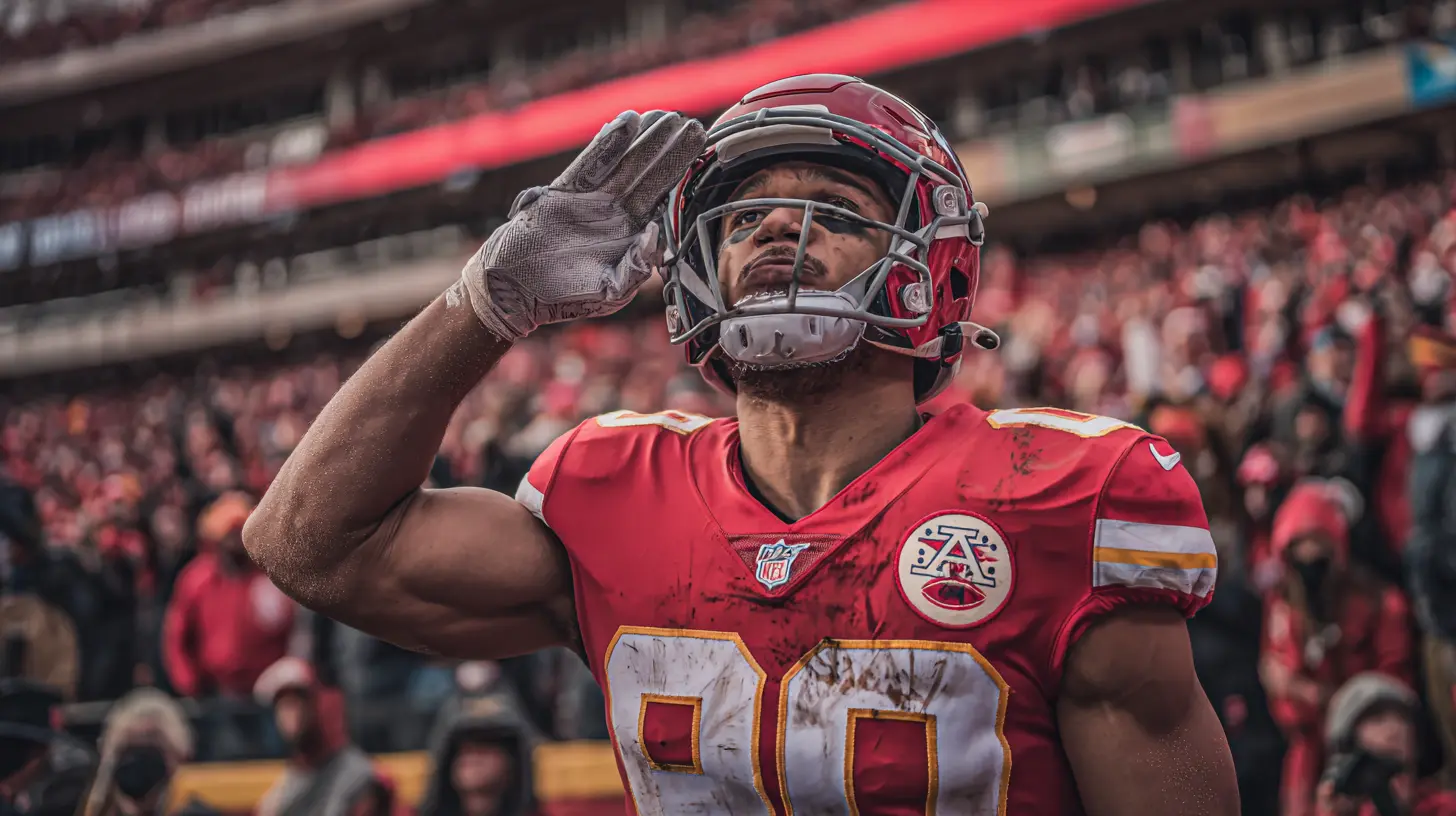
What This Shift Gets Right
The backup MVP argument is not just a cute narrative. It reflects several real insights that analytics has historically undervalued.It Rewards Process Over Outcome
Fans who champion backups are often rewarding the process, not the result. They are saying: this player did everything right, even when nobody was watching. That is a healthier way to evaluate sports than chasing highlight plays.It Broadens the Definition of Value
Value is not just points, goals, or yards. It is also reliability, adaptability, and leadership. Expanding the definition makes the MVP conversation richer and more honest.It Creates Better Fan Engagement
When fans care about the whole roster, not just the stars, they watch differently. They notice rotations. They track matchups. They pay attention to the fourth quarter of a blowout. That is a more sophisticated way to consume sports.
What This Shift Gets Wrong
Balance matters here, because the backup MVP argument has real weaknesses.It Can Become Anti-Star Sentiment
There is a strain of fan discourse in 2026 that treats any superstar as overrated by default. This is just as lazy as ignoring role players. The best player on a team is usually the best player for a reason. Dismissing that because it feels more authentic to root for the underdog is not analysis. It is performance.It Overvalues Narrative
Some backups get praised because their story is compelling, not because their play is actually impactful. A player who gives a great interview and plays hard in garbage time is not the same as a player who swings playoff series. Fans should be honest about the difference.It Ignores Sample Size
A backup who plays well for 15 games is not automatically more valuable than a starter who plays well for 70. Sustainability matters. Consistency matters. One hot stretch does not redefine a career.How to Evaluate a Backup Properly
If you want to make a real argument for a backup as MVP, here is what to look at.On/Off Splits in Context
Do not just look at raw plus-minus. Look at how the team performs when the backup is on the floor compared to the starter, adjusted for opponent quality and lineup composition. A backup who holds serve against elite teams is more valuable than one who dominates against bench units.Role Difficulty
Some backup roles are harder than others. Backup quarterback in the NFL is one of the toughest jobs in sports because you may not play for 10 weeks and then be asked to win a game in the fourth quarter. Backup catcher in baseball requires managing a pitching staff. Backup goaltender in hockey requires staying sharp with irregular starts.The harder the role, the more credit the backup deserves for executing it.
Contract Efficiency
Compare the backup's salary to the production they provide. If a player making the minimum contributes meaningfully to wins, that is real value. It frees up cap space for the rest of the roster.Teammate and Coach Testimony
This is not a stat, but it matters. When coaches and teammates consistently praise a backup's preparation and professionalism, that is a signal. It is not proof of MVP-level value, but it is evidence of real contribution.
Real-World Patterns Fans Are Pointing To
Without inventing specifics, we can describe the general patterns fans have highlighted in 2026.The Veteran Backup Quarterback
In the NFL, the backup quarterback who wins two or three games in relief of an injured starter is often the difference between making the playoffs and missing them. Fans have started treating these stretches as legitimate MVP moments, especially when the backup manages the game cleanly and avoids turnovers.The Sixth Man Who Closes
In the NBA, the sixth man who finishes games is functionally a starter. Fans have started arguing that closing ability matters more than starting designation. If a player is on the floor in the final five minutes of a tight game, they are valuable, regardless of whether they were introduced last.The Fourth-Line Energy Player
In the NHL, the fourth-line forward who kills penalties, wins faceoffs, and shifts momentum is easy to overlook. Fans who watch closely know that these players swing games. They are not scoring 40 goals, but they are preventing them.The Utility Infielder
In MLB, the player who can play four positions and hit just enough is a roster necessity. When injuries pile up, that player becomes a starter by default. Fans have started to recognize this as a form of MVP value, especially on teams with fragile rosters.The Trade-Offs Teams Face
Here is where the conversation gets practical. Teams have to make real decisions about how much to invest in backup roles.Invest Heavy or Go Cheap
Some teams spend significant cap space on a proven backup. Others roll with a developmental player and accept the risk. Both approaches have merit.Investing heavy gives you insurance but limits flexibility elsewhere. Going cheap gives you flexibility but exposes you to catastrophic downside if the starter goes down.
There is no universally correct answer. It depends on the starter's injury history, the team's championship window, and the quality of the developmental pipeline.
Continuity Versus Upside
A veteran backup knows the system and can execute immediately. A young backup has more upside but may need time to develop. Teams have to decide which they value more.For contending teams, continuity usually wins. For rebuilding teams, upside usually wins. The mistake is pretending one approach is always right.
Cultural Fit Versus Raw Talent
A talented backup who does not fit the locker room can be worse than a less talented one who does. This is not sentimental. It is practical. A disgruntled backup can poison a season.
Common Mistakes Fans Make
If you want to argue for a backup as MVP, avoid these traps.Confusing Effort With Impact
Playing hard is not the same as playing well. A player can give maximum effort and still be a net negative. Praise the effort, but do not confuse it with value.Ignoring Opportunity Cost
Every dollar spent on a backup is a dollar not spent elsewhere. A backup who is good but overpaid is not a bargain. Value is relative to cost.Overreacting to Small Samples
One great game is not a season. One great month is not a career. Be honest about sample size.Romanticizing the Underdog
Rooting for the underdog is fine. Pretending the underdog is objectively better than the star is not. Keep the analysis honest.Best Practices for Evaluating Value in 2026
Here is a practical framework.1. Look at production relative to role and expectation.
2. Adjust for salary and cap impact.
3. Consider availability and reliability.
4. Weigh leadership and cultural contribution, but do not overweight it.
5. Use multiple sources of evidence, not just one stat.
6. Be explicit about uncertainty. If you cannot prove something, say so.
This framework applies to backups and starters alike. It is not about who deserves credit. It is about how to think clearly.
Why This Matters Beyond Sports
The backup MVP conversation is really a conversation about how we define value in any team setting. In workplaces, in creative projects, in families, the person who holds things together is often invisible. They are not the face. They are the foundation.Sports fans in 2026 are starting to see that. Whether the label "MVP" fits is debatable. But the underlying insight is sound: value is not always loud. Sometimes it is the person who shows up, knows the playbook, and is ready when it counts.
That is worth celebrating, even if it never shows up in a highlight reel.
Final Thoughts
The unexpected MVP according to fans in 2026 is not a single player. It is a category of player. The reliable backup. The sixth man. The fourth-line grinder. The utility infielder. The veteran who never complains and always prepares.This shift is not a rejection of superstars. It is an expansion of what fans consider valuable. It is a more mature way to watch sports, and it is long overdue.
If you want to make the argument yourself, do it with evidence. Look at on/off splits, contract efficiency, role difficulty, and teammate testimony. Be honest about sample size. Avoid romanticizing effort over impact.
Do that, and your case will hold up. Not just in 2026, but in any year.
all images in this post were generated using AI tools
Category:
Fan ReactionsAuthor:

Onyx Frye