How College Performance Translates to Draft Success
2 August 2026
Let’s be honest—every year, draft day turns into a high-stakes poker game. Scouts are betting big, fans are refreshing Twitter like mad, and athletes are sitting on edge, waiting to see if their college hustle pays off. But here’s the million-dollar question: does being a college star actually mean you’ll crush it at the next level?
College performance is often treated like gospel, but the truth is, it's only one piece of the puzzle. In this article, we’re diving headfirst into how college stats, accolades, and intangibles really impact draft success across major sports leagues—NFL, NBA, MLB, and beyond.
The Draft: More Than Just a Highlight Reel
What Exactly Is “Draft Success”?
Before we go full throttle, let’s define what we mean by “draft success.” It’s not just about being picked early. It’s about turning that opportunity into a long, productive pro career. Think consistent game time, Pro Bowls, All-Star nods, and—yep—championship rings.So how do you measure if a player’s college performance helped pave the way?
- Draft position (Top 10? Late round steal?)
- Longevity in the league
- On-field or on-court production
- Overall impact on a franchise
The College Star vs. The Pro Contributor
Not all college stars are built the same—and not every highlight-maker becomes a pro game-changer. Why? Because college performance doesn’t happen in a vacuum. There’s context, baby.Let’s break it down.
1. Level of Competition Matters
A QB lighting it up in a Power Five conference isn't the same as putting up video game numbers in the FCS. Scouts weigh the level of opposition. It’s kinda like comparing apples to fruit-flavored candy.Sure, a player at Alabama or Duke is getting coached up, facing top talent weekly, and playing under big pressure. That makes their gaudy stats carry more weight than someone racking up yards in a lesser-known program.
2. Stats Can Be Misleading
Here’s the deal: stats tell a story, but not always the full one.Let’s say a college wide receiver racks up 1,500 yards in a season. Sounds amazing, right? But what if the offensive system is so pass-heavy it inflates everybody’s numbers? And what if the DBs he's torching are future insurance agents?
Scouts dig deeper into:
- System fit
- Scheme dependency
- Game-to-game consistency
- How well the player performs against elite opponents
3. Intangibles: The Secret Sauce
Ever wonder why some mid-round picks outperform first-rounders? Welcome to the world of intangibles.Things like:
- Work ethic
- Leadership
- Coachability
- Football/IQ or Court Sense
These traits don’t always show up on stat sheets, but they scream potential to develop at the pro level.
NFL: Why College Dominance Isn’t Always Enough
In the NFL, college performance plays a huge role during the draft process. But history has shown us time and again that being a Heisman winner or setting college records doesn’t guarantee NFL superstardom.Remember These Guys?
- Tim Tebow: College legend. National titles. Heisman Trophy. But his unorthodox mechanics didn’t translate.- Baker Mayfield: Had a monster college career. Mixed NFL results up to this point.
Then there’s the flip side.
The “Under-the-Radar” Success Stories
- Tom Brady: Drafted in the 6th round. You know how that turned out.- Josh Allen: Not a statistically dominant college QB, but scouts fell in love with his size and tools. That raw potential bloomed in the NFL.
NFL Draft Takeaway
College performance matters—but the NFL loves tools, measurables, and ceiling. A guy with average college stats but elite size, speed, and arm talent can go higher than a decorated, shorter QB with a weaker arm.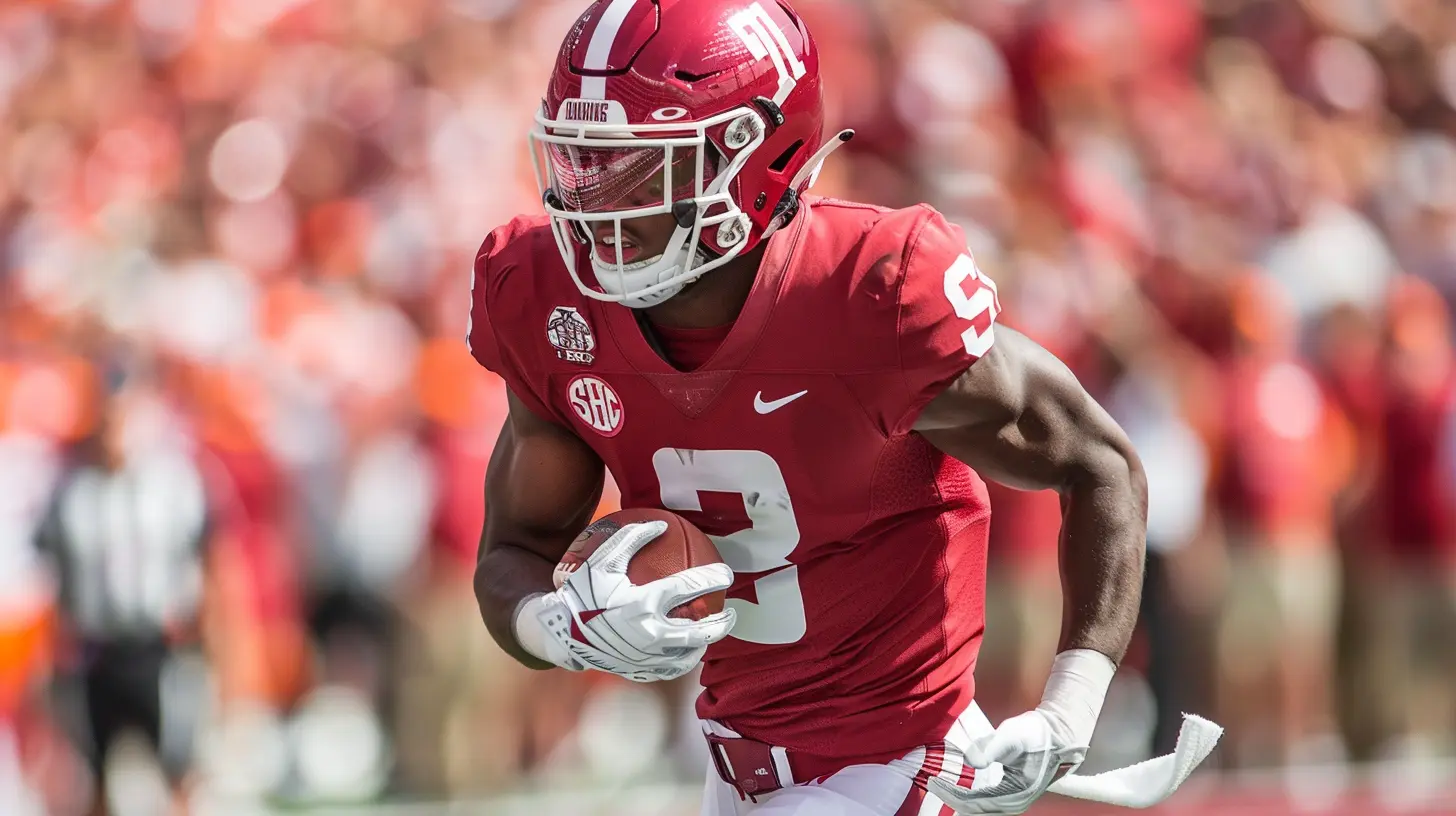
NBA: The Rise of One-and-Done Culture
When it comes to the NBA, you don’t even need a long college career to be a top pick.College Production vs. Potential
It’s no secret the NBA draft is built more on upside than stats. Scouts are obsessed with:- Wingspan
- Athleticism
- Scoring ability in isolation
- Defensive switchability
That’s why guys like Anthony Bennett (yikes) went first overall despite only playing one iffy year at UNLV.
Who Proved Themselves in College?
- Damian Lillard: Played four seasons at Weber State. Dominated at a lower level. Turned into one of the best guards in the league.- Steph Curry: Lit up the NCAA tournament. Scouts weren’t sure his game would translate. Spoiler alert: it did.
Meanwhile, some dudes look like men among boys in March Madness and then barely crack a rotation in the pros. It’s a gamble.
NBA Draft Takeaway
In the modern NBA, flashes of brilliance are sometimes more valuable than a full résumé. Scouts want to mold players like clay rather than chase polished college stars who’ve peaked.MLB: The Greatest Guessing Game
Baseball is a tough nut to crack.College vs. High School Players
MLB scouts are drafting 18-year-olds and 22-year-olds in the same class. That’s wild, right? College players have more data, experience, and polish. High schoolers? More raw upside but way less certainty.College Stars Who Made It
- Stephen Strasburg: Dominant college arm, #1 overall pick, became a World Series MVP.- Buster Posey: Crushed it at Florida State, transitioned seamlessly to MLB.
But...
College Studs Who Flopped
- Mark Appel: #1 pick out of Stanford. Never found his groove.- Brady Aiken: Draft issues, injuries, and development struggles.
MLB Draft Takeaway
College performance gives MLB teams more reliable tape, but development systems still matter A LOT. It’s still a long road from Omaha to the Big Leagues.
Common Traits Among Draft Success Stories
Regardless of sport, some traits consistently show up in players who turn college hype into pro production:1. Adaptability – Can they adjust to faster competition and new systems?
2. Mental Toughness – Do they bounce back from bad games?
3. Work Ethic – How bad do they want it?
4. Consistency – Flashy plays are cool, but reliable performance wins games.
The Combine Effect: When Tests Matter More Than Game Film
Ah yes, the scouting combine. The underwear Olympics.Some players shoot up draft boards because they run a 4.3 40-yard dash or nail the vertical jump. Others drop because their athleticism doesn’t “wow."
So what gets more weight: college performance or combine results?
Truth is, both matter. But here's the kicker—combine numbers can change a scout’s mind quick. A good 40 time might make them rewatch tape with a different lens.
Can You Really Predict Draft Success?
Short answer? Not always.Long answer? You can improve your odds by marrying college performance with:
- Athleticism
- Character
- Developmental potential
- Fit with the team
Drafting is more art than science. Think of it like guessing which caterpillar turns into a butterfly. Some college stars were already butterflies. Others need the right cocoon.
Final Thoughts: College Performance Is a Compass, Not a Guarantee
So, does college performance translate to draft success? Sometimes. But it’s not the end-all, be-all. It’s more like one of many road signs scouts follow on the way to building their big board.Some players peak in college. Others just begin scratching the surface. The key is figuring out which is which—and that’s where the real challenge lies.
Whether you're a fan, scout, or future draft hopeful—you’ve got to look deeper than the box score. Because at the next level, it’s not just about where you’ve been—it’s about how high you can climb.
all images in this post were generated using AI tools
Category:
Draft PicksAuthor:

Onyx Frye
Discussion
rate this article
1 comments
Oriana McCallum
This article offers valuable insights into the connection between college performance and draft success. It highlights key factors that scouts consider, emphasizing that standout college players often face different challenges in the pros. Understanding this link is essential for aspiring athletes aiming for the next level.
August 9, 2026 at 3:13 AM
Onyx Frye
I appreciate your thoughts. It's crucial for athletes to grasp these insights as they pursue their goals. Understanding the transition can really make a difference.