The Role of Psychology in Boxing: Winning the Mental Battle
7 February 2026
Boxing is often referred to as the “sweet science,” and while that usually talks about the technical and strategic side of the sport, there's another element that doesn't get nearly enough attention—psychology. Yep, your mind can be your most powerful weapon or your biggest weakness inside the ring. While physical strength, agility, and technique are crucial, it's the mental game that separates good fighters from great champions.
So, let's dig deep into the true power of the mind in boxing—how it can make or break a fighter. Whether you're a seasoned boxer, a coach, or just someone who loves the sport, understanding the mental side of boxing will take your appreciation to a whole new level.
Why Psychology Matters in Boxing
Alright, let’s keep it real for a second—boxing is brutal. You’re in a ring trying to out-punch someone who’s trying to do the exact same thing to you. It's not just about who's stronger or faster. It's about who's mentally tougher, who stays calm under pressure, and who doesn’t fold when things get rough.Think about it. How many times have you seen a fighter with all the physical tools get dominated by someone who's mentally composed, focused, and confident? It happens all the time. That’s the mental battle. And if you don’t win it, chances are you’re not winning the fight either.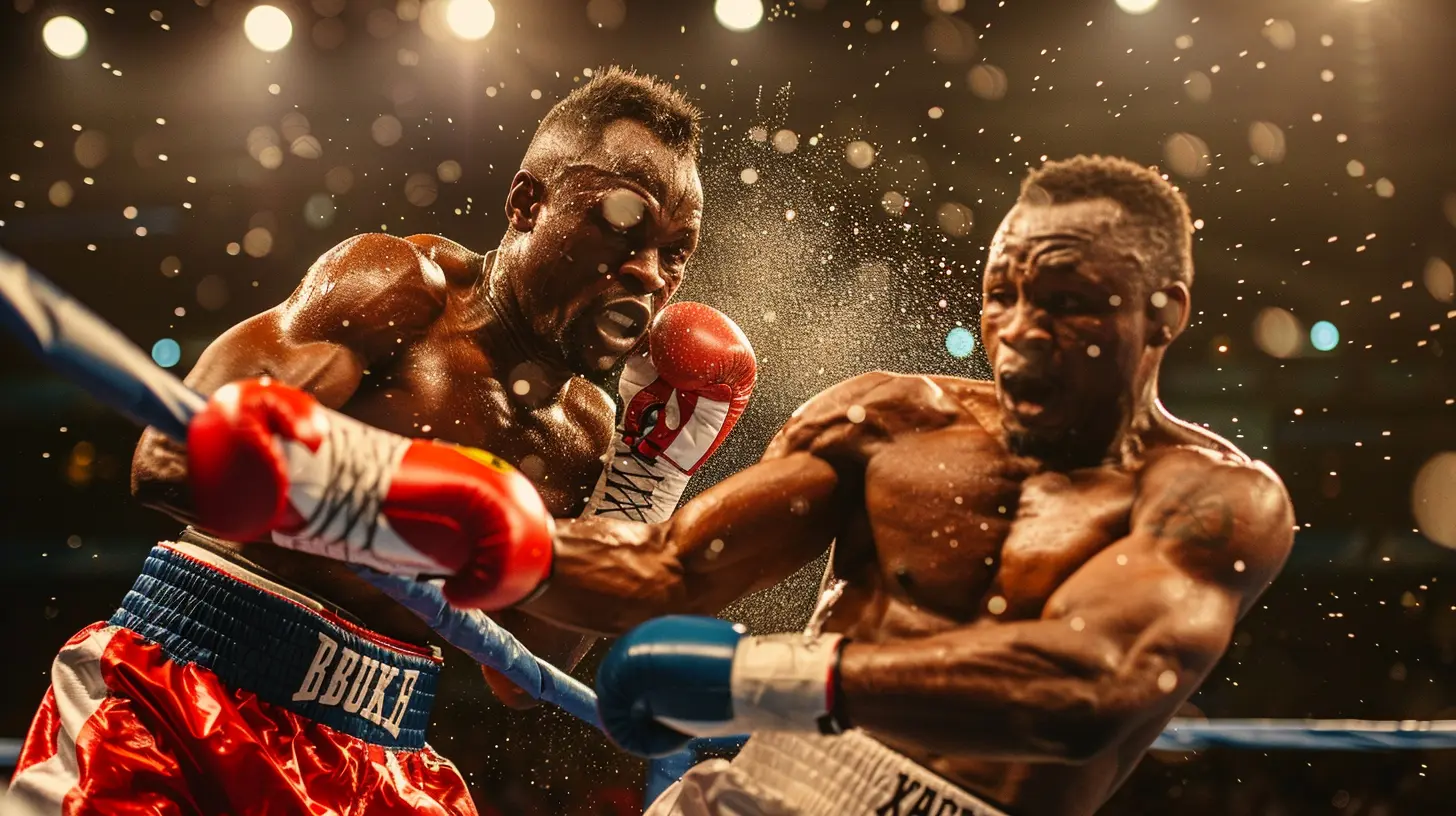
The Mental Toughness Every Boxer Needs
Mental toughness isn’t just being brave or not feeling fear. It's the ability to persevere when your body screams to stop. When your coach is yelling in your ear, and your opponent is coming at you with everything they've got—that’s where mental toughness kicks in.Components of Mental Toughness:
- Emotional Control: Keeping your cool even when you're hurt or frustrated.- Resilience: Bouncing back from a knockdown or a round gone wrong.
- Focus: Sticking to the game plan without getting distracted by the crowd or your opponent’s antics.
- Self-Belief: Truly believing that you can win, even when the odds are stacked against you.
These aren't just traits you're born with—they can be trained and improved just like your jab or footwork.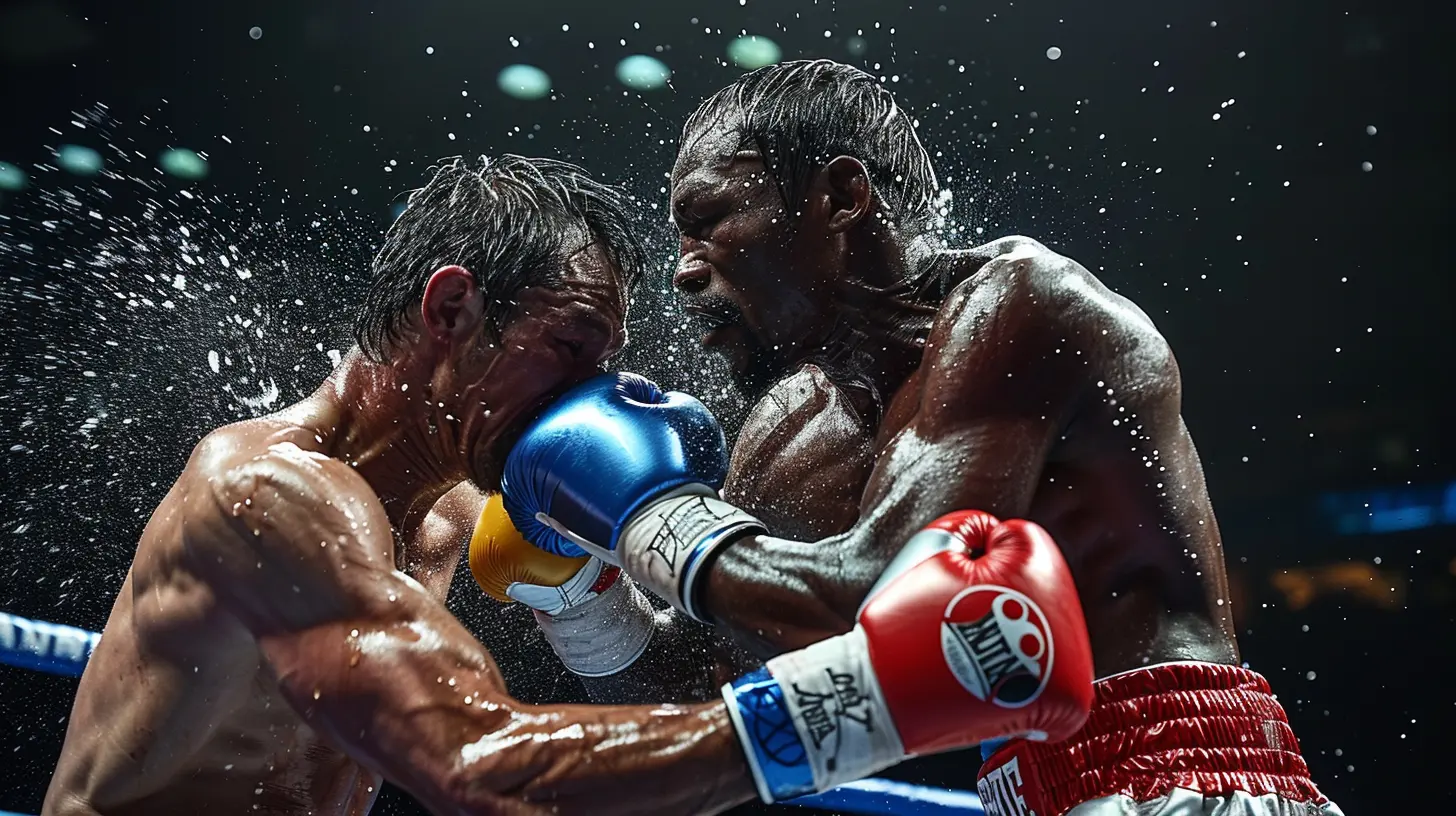
The Psychological Preparation Before the Fight
Ever heard a boxer say the fight was won in the gym? Yeah, well, that’s not just about physical training. The mental grind starts way before fight night.Visualization Techniques
Many boxers use visualization to mentally rehearse the fight. Picture this: You’re lying in bed the night before your bout, eyes closed, mentally walking through the ring walk, the opening bell, slipping jabs, landing combos, celebrating the win. That’s not daydreaming—that’s mental training.When you visualize success repeatedly, your brain starts to believe it's already happened. Your body follows your mind. It can reduce anxiety and boost confidence big time.
Managing Pre-Fight Nerves
Let’s not kid ourselves—almost every fighter gets nervous. It’s natural. But how you deal with those nerves can be the difference between coming out sharp or looking lost.Some boxers use deep breathing, meditation, or even calming music. Others like to keep things light—joking with the team, staying loose. Find what works for you, but the key is to stay in control of your emotions.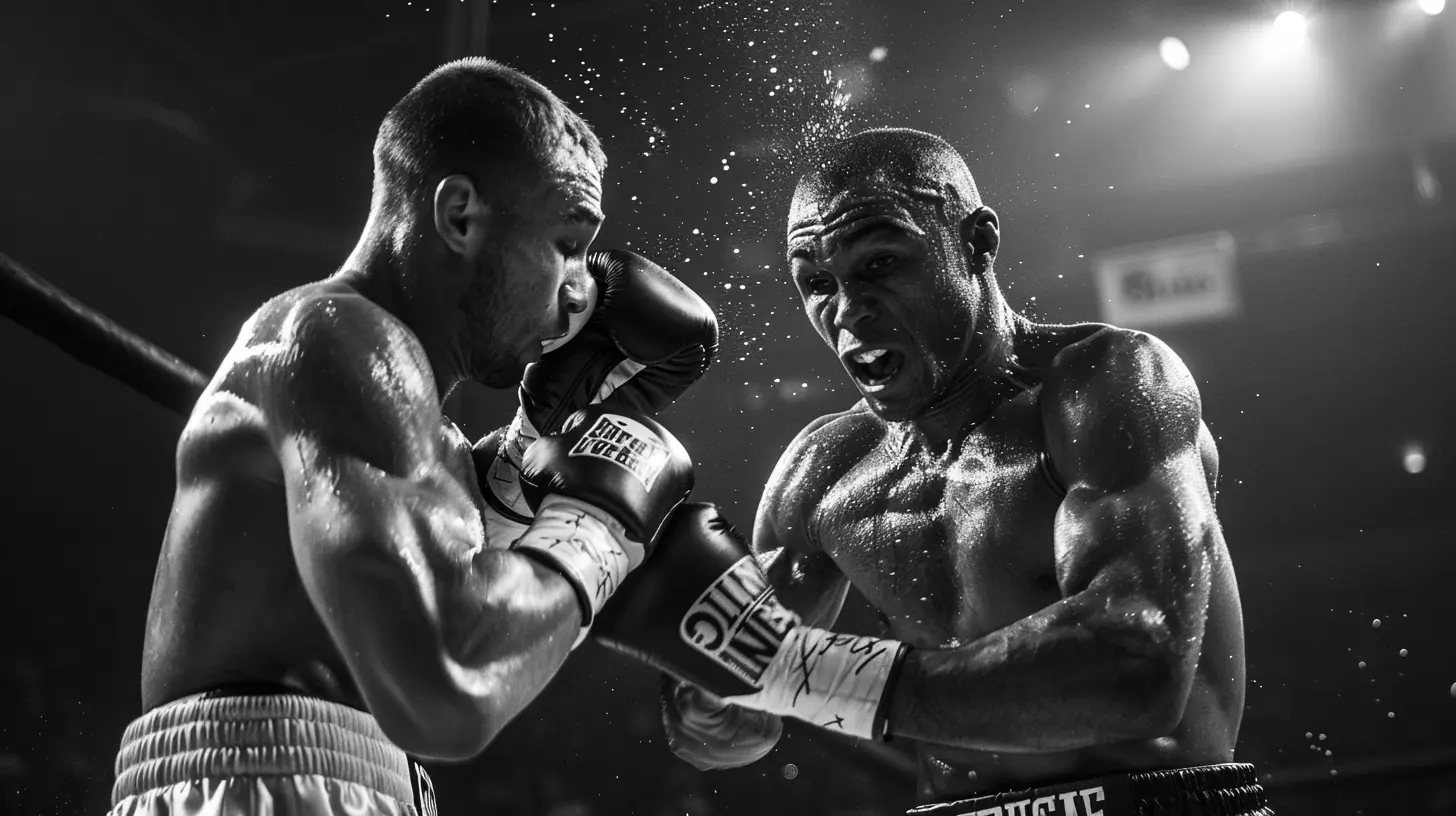
Confidence: The Invisible Shield
Confidence in boxing is a double-edged sword. Too little of it, and you’re tentative and second-guessing every move. Too much, and you might charge in recklessly and get caught.The sweet spot? That’s where real champions live.
True confidence isn’t built overnight. It comes from:
- Consistent training
- Positive self-talk
- Past success
- Facing and overcoming adversity
That voice in your head? Make sure it’s hyping you up, not tearing you down.
Dealing With Fear: The Elephant in the Ring
Let’s address the big, scary word—fear. It’s more common in boxing than most fighters would admit. Fear of failure. Fear of getting knocked out. Fear of letting down your team.Here’s the thing—fear isn’t the enemy. Fear is information. It tells you this matters. The key is not to eliminate fear, but to manage it and turn it into energy.
Think of it like electricity. It can light up your house or burn it down. The way you use it makes all the difference.
The Zone: Where Mind and Body Are One
Ever heard fighters talk about “being in the zone”? That mystical state where everything just clicks—reactions are faster, focus is razor-sharp, and punches land like poetry?That’s called flow state, and it’s a psychological phenomenon where you're fully immersed in the task. Achieving this state in boxing means you're not overthinking, you’re not doubting—you're just doing.
Getting into the zone consistently requires:
- Intense but relaxed focus
- Complete confidence in your skills
- A challenge that matches your ability
Practicing mindfulness and staying grounded in the present can help you tap into this powerful state when you need it most.
Mind Games: Psychological Warfare in the Ring
Boxing isn’t just throwing punches; it’s a chess match. And just like in chess, strategic deception can give you the upper hand.Ever seen fighters stare down their opponent at the weigh-in? That’s not just for show. It’s about planting seeds of doubt. Trash talk, taunts, and even subtle body language—all these can shake a fighter’s mindset before the bell ever rings.
But here’s the trick—don’t let it get in your head. A composed mind is a dangerous weapon. Let your opponent waste energy trying to mess with yours while you stay laser-focused on the goal.
Mental Recovery: Bouncing Back After a Loss
Let’s face it—not every fight ends with your hand raised. Sometimes you get beat. Sometimes you make mistakes. But how you respond says more about you than the loss itself.Reframing the Loss
Instead of thinking, “I lost,” think, “I learned.”Instead of asking, “Why me?” ask, “What now?”
Losses are inevitable, especially in boxing. Even legends like Muhammad Ali, Manny Pacquiao, and Mike Tyson took big Ls. But they bounced back—and that’s what made them great.
Dealing with loss in a healthy way includes:
- Honest performance evaluation
- Emotional support from trainers and loved ones
- Setting new short-term goals
- A focus on progress, not perfection
The Coach’s Role in Mental Preparation
A good boxing coach isn't just a technician—they’re part mentor, part psychologist. They help shape a fighter’s mindset, not just their mitt work.The Best Coaches:
- Build trust with their fighters- Speak positivity and belief
- Teach mental resilience during sparring
- Know when to push and when to pull back
A fighter’s confidence often mirrors their coach’s belief in them. So, if you're a trainer, understand the power of your words and energy. You're shaping minds just as much as bodies.
Common Psychological Pitfalls (And How to Avoid Them)
Even the toughest fighters can fall into mental traps. Here are a few to watch out for:1. Overanalyzing During the Fight
Thinking too much can slow you down. Stay in the moment. Trust your training.2. Comparing Yourself to Others
Every fighter has a different journey. Focus on being better than you were yesterday.3. Negative Self-Talk
Words become beliefs. Replace “I can’t” with “I’ll figure it out.”4. Fear of Judgment
Forget the critics. Your journey is yours. The only opinion that matters is yours and your team’s.Training the Mind: Practical Tools for Boxers
Okay, so how do you actually improve mental strength? Here are a few tools you can start using today:Journaling
Write down your thoughts after training or sparring. Reflect on what went well and what you can improve. It helps track your mental progress and build awareness.Breathing Exercises
Simple deep breathing or box breathing can lower anxiety and help you stay calm.Affirmations
Use short, powerful statements like, “I am focused,” or “I am ready.” Say them daily.Sports Psychology
Working with a sports psychologist can provide tailored strategies to enhance your mental toughness. It’s like hiring a strength coach—but for your mind.Final Thoughts
Boxing is raw, it’s real, and it’s ruthless. But the physical battles you fight inside the ring? They’re nothing compared to the mental war raging inside your head. Mastering the psychological side of boxing doesn’t just help you win more fights—it makes you a smarter, stronger, and more resilient person.Whether you're stepping into the ring for the first time or chasing a world title, never underestimate the power of your mind. Because in boxing, winning the mental battle isn't optional—it's essential.
all images in this post were generated using AI tools
Category:
BoxingAuthor:

Onyx Frye
Discussion
rate this article
2 comments
Cody McHugh
This article highlights the crucial role psychology plays in boxing. Understanding mental resilience, managing anxiety, and visualizing success can significantly enhance a fighter's performance. The mental aspect is often overlooked, but it's clear that a strong mindset is key to winning both in and out of the ring.
February 27, 2026 at 2:03 PM
Onyx Frye
Thank you for your insightful comment! I completely agree—mental resilience is indeed vital for success in boxing and should not be underestimated.
Max Adams
Oh sure, because nothing says “tough fighter” like sitting on a couch analyzing feelings before a match. Who knew a good therapy session was the secret to a knockout punch? Go team mental health!
February 17, 2026 at 4:20 AM
Onyx Frye
Absolutely! Mental strength is just as crucial as physical training in boxing. A strong mindset can be the difference between winning and losing in the ring.