The Role of Leadership in Professional Sports Teams
4 January 2026
When you watch your favorite sports team score a game-winning goal, hit a buzzer-beater, or nail a championship, it’s easy to focus on the superstars—the athletes who are front and center. But if you peel back the layers, you’ll find something often even more critical behind the scenes: leadership.
Leadership in professional sports teams isn’t just about yelling from the sidelines or wearing a captain’s armband. It’s a blend of influence, trust, strategy, and emotional intelligence that holds a team together and pushes them beyond their limits. So, let’s dive into what makes leadership such a big deal in winning games, building chemistry, and creating dynasties.
What Exactly Is Leadership in Pro Sports?
First things first—what do we even mean by leadership in sports?In short, it’s the ability to guide, inspire, and unite a group of athletes towards a common goal—usually winning. But leadership in sports is a bit more layered than in the average workplace. It takes place in high-pressure environments where emotions run high, egos can clash, and the margin for error is razor-thin.
Good leadership in this world means knowing when to push, when to pull back, when to encourage, and when to hold people accountable. It’s about creating an atmosphere where everyone believes in the mission—and themselves.
The Players Who Lead Without a Title
Not all leaders wear the “C” on their jersey or sit at press conference tables.In sports, leadership often comes from all corners of the locker room. Some lead by example—showing up to practice first, leaving last, and giving 110% every single day. Others are vocal, firing up the team when the chips are down or calling out teammates when standards slip.
Think of players like Tim Duncan, Ray Lewis, or Megan Rapinoe. They weren’t just talented—they made their teams better because they inspired those around them to rise to the occasion.
The Power of Peer Leadership
This kind of leadership is special because it's peer-to-peer. When a teammate tells you to pick it up, it hits differently than when a coach says it. Players live the grind together. They struggle, bleed, and break records side by side. That shared battle creates a unique kind of bond—and a powerful platform for leadership.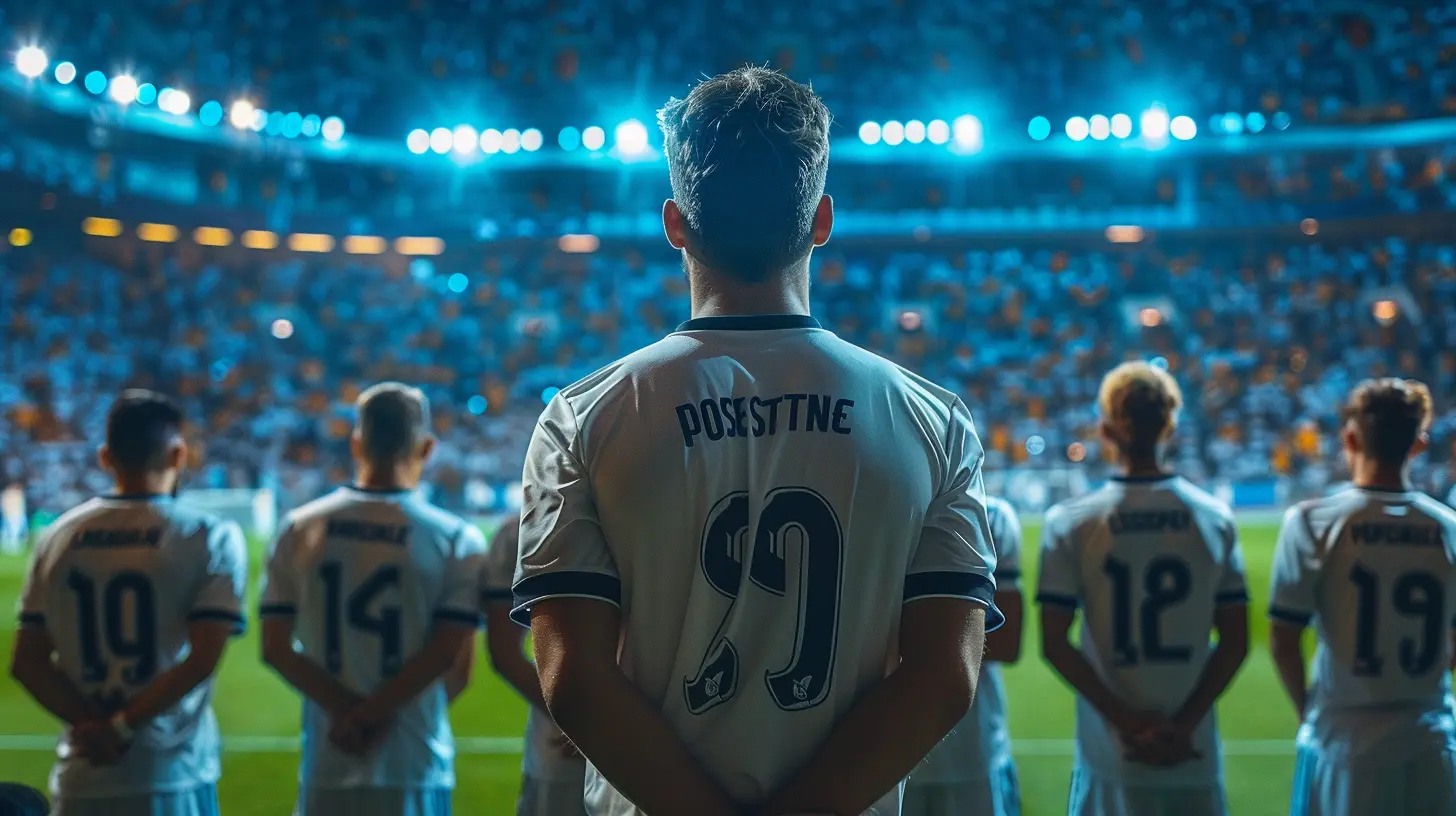
Coaching: The Backbone of Team Direction
Let’s not sugarcoat it: a team without a strong coach is like a ship without a captain.Coaches are strategic leaders. They craft game plans, manage egos, build culture, and set the tone. Think about legends like Phil Jackson, Bill Belichick, or Sir Alex Ferguson. They weren’t just drawing up plays—they were shaping mentalities, building trust, and turning rosters into champions.
Emotional Intelligence: The Secret Weapon
What separates great coaches from the rest isn’t just X’s and O’s. It’s emotional intelligence. Knowing how to read a room. Understanding when a player needs a pat on the back versus a kick in the pants. Being able to navigate conflicts before they blow up a season.A coach with emotional intelligence builds long-term loyalty—and wins.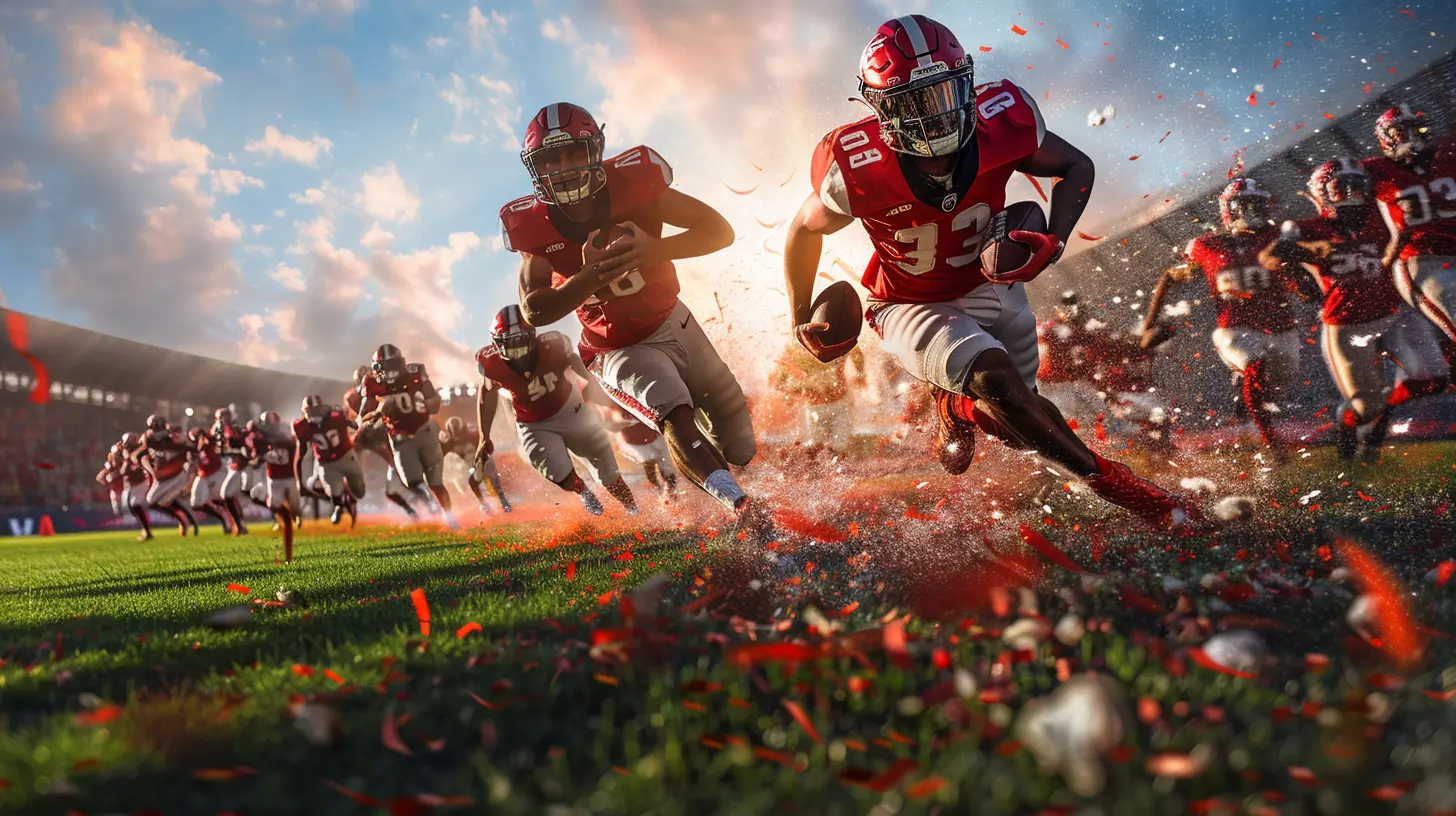
Why Team Captains Matter More Than You Think
Team captains aren’t just ceremonial leaders. They’re the bridge between players and coaches. They lead huddles, set standards, and often carry the emotional weight of the team.Captains bring structure. When things go sideways, it’s usually the captain who pulls the team back together. They’re the ones making sure the locker room doesn’t divide when the losses pile up.
Leadership Is Learned, Not Assigned
Here’s the kicker—you can’t just hand someone a title and expect them to lead. Leadership has to be earned. Players respect actions more than words. If a captain isn’t living the values they preach, the team won’t follow.That’s why authenticity is the name of the game.
How Leadership Impacts Team Culture
Culture eats talent for breakfast. Ever heard that quote? In pro sports, it's gold.A strong team culture built on trust, honesty, and hard work doesn’t happen by accident. It comes from leaders setting the tone every day—on and off the court or field.
Accountability = Results
Great leaders hold themselves and everyone else accountable. That’s not about passing blame; it’s about owning mistakes and using them as fuel. When leadership demands accountability, it creates a ripple effect. Everyone sharpens up. Everyone raises their game.And guess what? That’s usually when winning happens.
Leadership During Adversity
Every team hits rough patches. Injuries, losing streaks, locker room drama—it comes with the territory.This is where leadership shines the brightest. When the pressure’s on, true leaders don’t crumble—they rise. They don’t just point fingers or make excuses. They rally the team, refocus the mission, and keep the belief alive.
That’s why leadership isn’t just nice to have. It’s essential for staying afloat when the waves get rough.
The Evolution of Leadership in Modern Sports
Leadership in sports has come a long way. It’s not about barking orders anymore—it’s about building connections and trust.Today’s athletes aren’t wired the same as those from 20 years ago. They want to be heard. They want purpose. They want leaders who care as much about them as people as they do about them as players.
Modern sports leadership is about emotional intelligence, collaboration, and empathy.
Female Leaders in Professional Sports
Let’s take a moment to appreciate the rise of female leadership in sports. More women are stepping into leadership roles—both as athletes and coaches.Think of Serena Williams, Becky Hammon, or Sue Bird. These women didn’t just dominate athletically—they’re trailblazers for leadership that transcends gender norms.
Their presence is rewriting the leadership playbook and inspiring the next generation to lead with confidence, compassion, and strength.
Leadership and Team Chemistry
You can’t fake chemistry. And leadership plays a big role in building it.When leaders encourage open communication, support growth, and keep egos in check, team chemistry thrives. And when a team clicks on a personal level, it shows on the field.
Leaders are the glue. They hold it all together.
Examples of Iconic Sports Leadership
Let’s highlight a few real-world examples that scream “top-tier leadership.”Michael Jordan – Chicago Bulls
MJ wasn’t just a beast on the court—he was relentless in pushing his teammates. Tough love? Absolutely. But he made winners out of everyone around him. Without his leadership, the Bulls don’t win six titles.Tom Brady – New England Patriots / Tampa Bay Buccaneers
The GOAT didn’t just lead with his arm. He led with preparation, communication, and unshakable belief. He walked into locker rooms and made everyone believe they could win—because with him, they usually did.Megan Rapinoe – U.S. Women’s National Soccer Team
Beyond her insane talent, Megan shows what it means to lead with passion and conviction. On the field, she commands respect. Off the field, she’s used her voice to drive change, showing that leadership extends far beyond the game.Can Leadership Be Developed?
Short answer? Absolutely.Leadership isn't some magical trait you’re either born with or not. You can build it. Through experience, feedback, and self-awareness.
Teams that invest in leadership development—mentor programs, communication workshops, and mental training—often find gold. They’re not just building better athletes. They're building leaders.
Final Thoughts: More Than Just Talent
Let’s bring it home.Talent might get you on the team, but leadership decides how far that team goes. In every iconic moment in sports history, there’s almost always a leader behind it—a coach, a captain, or a teammate who inspired belief when it mattered most.
Leadership in professional sports isn't just some sideline factor. It's the engine. The heartbeat. The difference between a group of good players and a truly great team.
So next time you watch your team win, take a minute to think about the leaders behind the scenes. Chances are, they're the reason that trophy’s in the case.
all images in this post were generated using AI tools
Category:
Professional SportsAuthor:
Onyx Frye
Discussion
rate this article
2 comments
Seraphis Mahoney
Good leaders: less yelling, more snacks!
February 1, 2026 at 5:10 AM
Onyx Frye
Absolutely! Good leadership fosters a positive environment, and sometimes that means keeping things light and rewarding hard work with snacks. It builds team camaraderie and boosts morale!
Riff Scott
This article highlights an intriguing aspect of sports! Leadership truly shapes team dynamics and performance. It’s fascinating to consider how different leadership styles influence both individual athletes and overall team success. I’d love to hear more examples and insights!
January 5, 2026 at 7:37 PM
Onyx Frye
Thank you for your thoughts! Leadership really does play a crucial role in shaping team dynamics. I'll consider adding more examples in future pieces.