How the 2026 Asian Games Could Shift the Balance of Power
12 October 2026
The 2026 Asian Games in Aichi and Nagoya, Japan, will not just be another multi-sport festival. It will be a stress test for the regional order in Asian sport, and the results could reshape funding priorities, talent pipelines, and medal hierarchies for years. When the Olympic Council of Asia (OCA) hands the flag to Japan, it hands over a stage where established powers defend their turf and rising programs attempt to break through. The balance of power in Asian sport is not static. It is negotiated every four years, and 2026 offers a rare convergence of factors that could accelerate change.
This article breaks down where the power currently sits, what forces are shifting it, which sports matter most for the standings, and how nations, federations, and even athletes should prepare. If you work in high-performance sport, sports business, or simply follow Asian athletics closely, this is the strategic picture you need.

The Current Balance: Who Holds Power and Why
To understand how 2026 could shift the balance, you first need a clear map of the present order. Asian sport operates on a tiered system, and the tiers are not determined by population alone.Tier 1: The Structural Giants
China has dominated the Asian Games medal table since 1982, and the gap has rarely been close. This is not just about talent. It is about system design. China combines state-backed talent identification, provincial training networks, centralized coaching, and massive investment in sports science. The result is depth across dozens of sports, not just a few flagship events. When one generation retires, the next is already in the pipeline.Japan sits clearly in the top tier as well, and as host in 2026 it gains a structural advantage. Host nations typically benefit from guaranteed qualification, familiar venues, crowd support, and increased government funding in the build-up. Japan has also invested heavily in para-sport and in sports like skateboarding, sport climbing, and surfing, where it has become a genuine power.
South Korea remains a consistent top-three force. Its strength is concentrated but deep: archery, taekwondo, shooting, fencing, and swimming have produced reliable medal hauls. Korea's approach blends government support with strong corporate sponsorship through companies like Hyundai and SK, which run their own athletic programs.
Tier 2: The Disruptors
India is the most discussed potential disruptor. It has the population, the economic growth, and now the political will to invest in sport at scale. Recent performances in shooting, badminton, wrestling, and athletics suggest the pipeline is improving. But India's challenge is not talent. It is infrastructure consistency, coaching quality, and the ability to convert potential into medals across many sports rather than a few.Chinese Taipei, Thailand, Indonesia, and Iran occupy a similar space. They can win medals in specific sports but lack the breadth to challenge the top three. Indonesia, for example, is strong in badminton and weightlifting but thin elsewhere. Iran dominates wrestling and weightlifting but struggles in swimming and gymnastics.
Tier 3: The Specialists
Countries like Singapore, Malaysia, Vietnam, and the Philippines win in targeted events. Singapore excels in swimming and table tennis. Malaysia has badminton and diving. Vietnam has shown growth in athletics and swimming. These nations will not top the medal table, but they can influence where medals go, especially in sports where the top tier is vulnerable.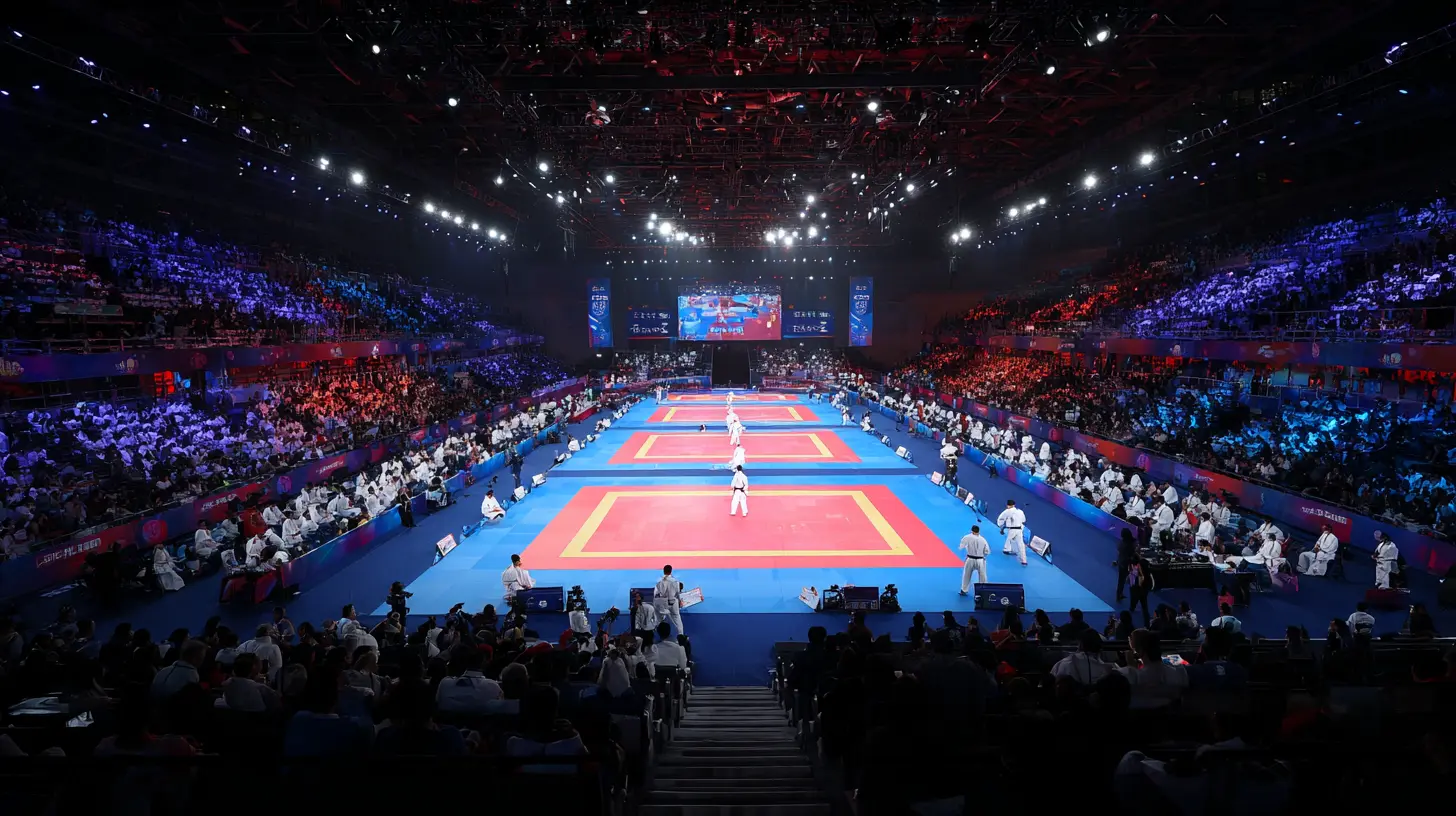
Why 2026 Is Different: The Forces at Play
Every Asian Games has its own dynamics. But 2026 brings several factors together that could produce a genuine shift rather than a temporary blip.Host Advantage and the Japan Effect
Japan hosting matters more than most people realize. Host nations typically see a medal boost of 10 to 20 percent compared to their away performances. This is not just about crowd support. It is about venue familiarity, optimized training schedules, and the ability to place athletes in sports where the host has invested strategically.Japan has been building toward this cycle since the Tokyo 2020 Olympics. That investment did not stop when the Games ended. It continued into the Paris 2024 cycle and is now focused on Aichi-Nagoya. Sports like skateboarding, sport climbing, and breaking have been integrated into Japan's high-performance system, and the country has produced world-class athletes in each.
If Japan overperforms in 2026, it could challenge China in specific sports and widen the gap between itself and South Korea. That would not topple China, but it would change the conversation about who owns Asian sport.
The Olympic Qualification Overlap
The 2026 Asian Games will serve as a key qualification event for the 2028 Los Angeles Olympics in several sports. This raises the stakes. Nations that treat the Asian Games as a development opportunity may reconsider. If a strong performance in Aichi-Nagoya helps secure Olympic quotas, federations will send their best athletes rather than experimenting with youth.This cuts both ways. For established powers, it means less room for error. For rising nations, it means an opportunity to announce themselves on a stage that directly feeds into the Olympic cycle. A breakthrough in 2026 could unlock funding and attention that carries through to 2028.
The New Sport Equation
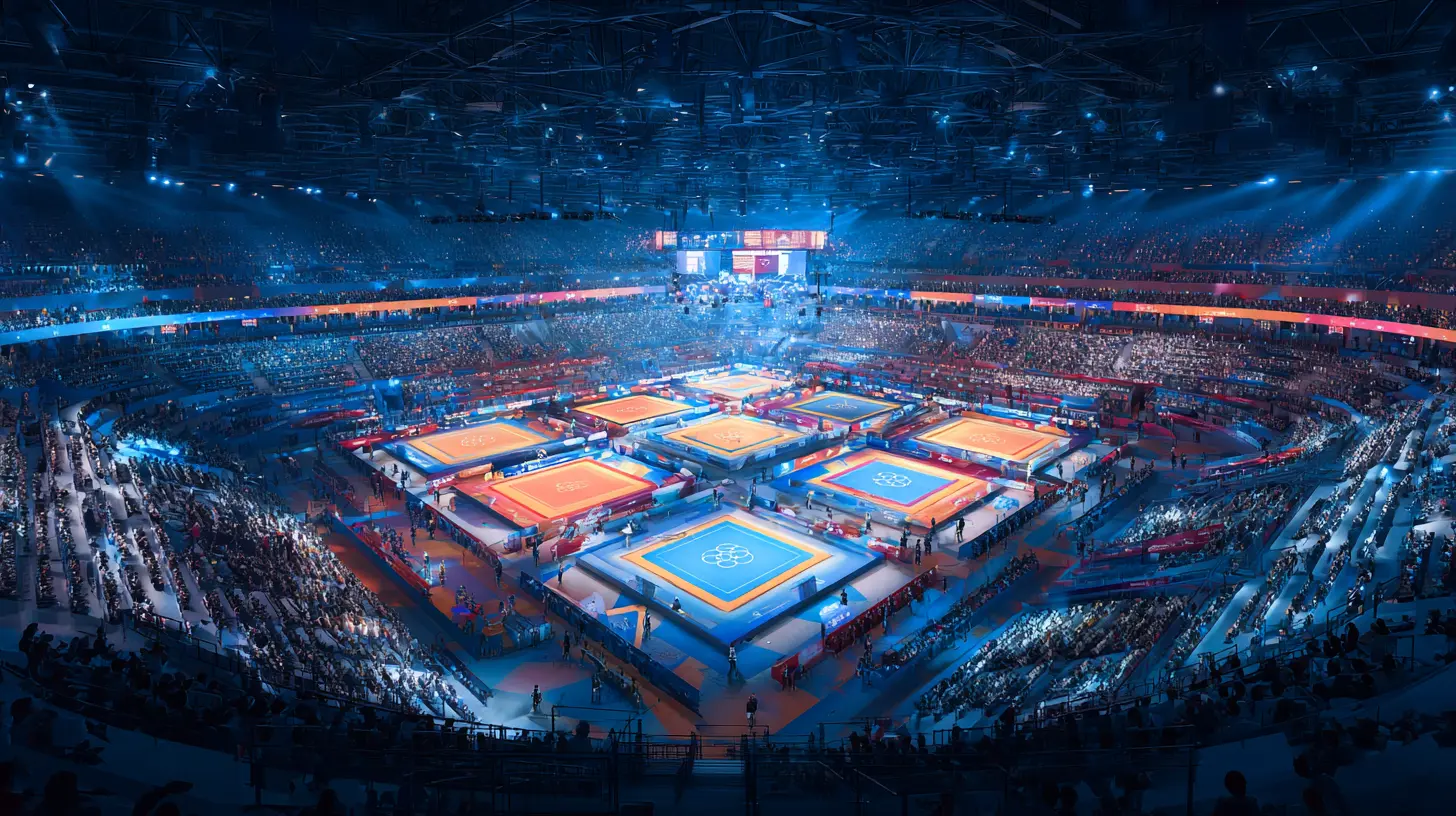
The Asian Games program has expanded to include sports that were not part of the traditional medal table. Esports, breaking, skateboarding, and sport climbing are now part of the mix. These sports favor younger athletes, different training systems, and countries that have been quick to build infrastructure around them.Japan and South Korea have moved fast. China has invested heavily in esports and is now a major force. India and Southeast Asian nations have shown interest but lag in organized development. The inclusion of these sports does not just add medals. It changes the calculus of what it means to be a sporting power. A country that dominates traditional sports but ignores new ones will see its relative position erode.
Sport-by-Sport: Where the Balance Could Tip
The medal table is a blunt instrument. To understand real shifts, you need to look at individual sports and the dynamics within them.Athletics and Swimming: The Big Points
Athletics and swimming award the most medals at any Asian Games. They are also the sports where China and Japan are strongest, with South Korea and India making inroads.In swimming, Japan has traditionally been strong in breaststroke and individual medley. China dominates freestyle and butterfly. South Korea has produced world-class swimmers in freestyle. India has improved but remains a minor player. The 2026 results will depend heavily on which nations have developed depth. A single star can win a medal, but depth wins team standings.
In athletics, China and Japan are the clear leaders, with India and Qatar strong in specific events. India's javelin throwers have become genuinely competitive, and its relay teams have improved. If India can convert its athletic potential into multiple medals, it could climb the table. If not, it will remain a tier-two nation with tier-one ambitions.
Combat Sports: The Wild Card
Wrestling, judo, taekwondo, boxing, and fencing are where countries like Iran, South Korea, and Chinese Taipei can punch above their weight. These sports are also where judging controversies and qualification rules can create surprises.Iran's wrestling program is world-class, but it is concentrated in a few weight classes. South Korea's taekwondo dominance has been challenged by Iran, China, and Turkey in recent years. Japan's judo program is arguably the best in the world, and hosting will only help.
For nations looking to break into the top tier, combat sports offer the fastest route. They require less infrastructure than swimming or athletics, and a single exceptional coach can transform a program. The trade-off is that success in these sports is often fragile. A change in weight classes or judging criteria can wipe out a nation's advantage overnight.
Team Sports: The Long Game
Team sports like basketball, volleyball, and football do not award many medals, but they matter for national prestige and for building a sporting culture. Japan and China are strong in women's volleyball and basketball. South Korea and Chinese Taipei are competitive in baseball and softball. India has improved in hockey but has not translated that into consistent Asian Games success.The 2026 results in team sports will not shift the medal table dramatically. But they will signal which countries are building sustainable systems and which are relying on individual talent.

What Rising Nations Need to Do
If you are involved in a national federation or a high-performance program in a tier-two or tier-three country, the 2026 Asian Games is not just a competition. It is a strategic opportunity. Here is what actually works.Invest in Coaching, Not Just Athletes
The most common mistake rising nations make is investing in athletes without investing in coaches. You can send a talented athlete abroad for training, but if the coaching at home is weak, the athlete will plateau. Building a coaching pipeline takes years, but it is the only way to create sustainable success.Japan and China both have robust coaching education systems. South Korea's corporate teams employ full-time coaches with international experience. If your country does not have this, start there.
Target Sports Where the Top Tier Is Vulnerable
You do not need to beat China in swimming to win medals. You need to find sports where the top tier is thin. Archery, shooting, weightlifting, and specific track events often have fewer dominant nations. A focused investment in one or two of these sports can yield medals faster than spreading resources across many.The trade-off is that success in these sports can be fragile. If the international federation changes rules or equipment, your advantage may disappear. Diversify within your targeted sports to manage that risk.
Use the Asian Games as a Development Tool, Not Just a Medal Hunt
For countries with long-term ambitions, the 2026 Asian Games should be a development milestone. Send young athletes to gain experience. Use the event to test new coaching structures. Measure performance against benchmarks, not just medals.This approach will not win the medal table in 2026. But it will build the foundation for 2030 and beyond. The countries that do this consistently are the ones that eventually break into the top tier.
What Established Powers Should Watch
If you are part of a tier-one nation, the 2026 Asian Games is a defensive exercise. You are not just competing. You are protecting your position. Here is what to watch.The Depth Problem
China's advantage is depth. But depth requires constant investment. If China's provincial training system weakens, or if talent identification becomes less effective, the gap will narrow. The 2026 results will show whether China's pipeline is still producing at the same rate.Japan's challenge is different. It has depth in some sports but not others. If Japan wants to challenge China, it needs to broaden its base. Hosting helps, but it is not a substitute for systemic strength.
The Complacency Risk
South Korea has been a top-three nation for decades. But its advantage in sports like archery and taekwondo has been challenged. If Korea does not continue to innovate in coaching and sports science, it could slip. The 2026 Asian Games will be a test of whether Korea's system is still evolving or resting on past success.The New Sport Blind Spot
Established powers that ignore esports, breaking, and other new sports will lose medals they did not know they were competing for. China has invested in esports. Japan has invested in skateboarding and climbing. South Korea has invested in esports and breaking. Countries that treat these sports as novelties will fall behind.
Practical Advice for Federations and Athletes
If you are preparing for the 2026 Asian Games, here is what you should consider.For Federations
Start your qualification planning now. The Asian Games qualification windows overlap with Olympic qualification in several sports. Map out which events matter most and allocate resources accordingly.Build relationships with international federations. Judging, rules, and qualification criteria are often decided in rooms where your country may not have a seat. Being present matters.
Invest in data and analytics. The countries that win are the ones that understand their competitors. Track performance trends, not just results. Know which athletes are improving and which are plateauing.
For Athletes
Treat the Asian Games as a performance opportunity, not just a medal opportunity. The experience of competing in a multi-sport environment is valuable, especially if you are targeting the Olympics.Manage your schedule carefully. The Asian Games can be physically and mentally draining. If you are competing in multiple events, plan your recovery and training cycles around the competition.
Do not underestimate the host advantage. If you are competing in Japan, expect a partisan crowd and a well-prepared home team. Prepare for the environment, not just the event.
Common Mistakes and Misconceptions
There are several myths about the Asian Games that can lead to bad decisions.Myth: The Asian Games Are Just a Smaller Olympics
The Asian Games have their own dynamics. Qualification rules, sport programs, and competitive depth are different. Treating it as a minor Olympics will lead to poor preparation.Myth: Medal Counts Tell the Whole Story
Medal counts matter, but they do not capture the full picture. A country that wins ten medals in one sport is not necessarily stronger than a country that wins five medals across five sports. Depth and breadth matter differently depending on your goals.Myth: Hosting Guarantees Success
Hosting helps, but it is not a magic bullet. Countries that host without a strong high-performance system often underperform. The host advantage amplifies existing strength. It does not create it.
The Long Game: What 2026 Means for 2030 and Beyond
The 2026 Asian Games will not fundamentally overturn the balance of power in one cycle. China will likely remain on top. Japan will likely strengthen its position. South Korea will likely stay in the top tier. India and others will likely make incremental gains.But the direction of travel matters. If India, Indonesia, or Thailand can convert potential into consistent performance, the balance could shift by 2030 or 2034. The countries that treat 2026 as a learning opportunity rather than a one-off event will be the ones that benefit.
The real shift is not about who wins the most medals in Aichi-Nagoya. It is about which countries build the systems that produce medals consistently. That is a slower process, but it is the one that actually changes the balance of power.
Final Thoughts
The 2026 Asian Games will be watched closely for signs of change. The host nation will have an advantage. Rising nations will have opportunities. Established powers will have to defend their positions. The results will not just be a snapshot of current strength. They will be a signal of future direction.If you are part of this ecosystem, whether as an athlete, coach, administrator, or fan, pay attention to the details. Look beyond the medal table. Watch the coaching, the infrastructure, and the investment. Those are the things that actually shift power. The medals are just the visible result.
all images in this post were generated using AI tools
Category:
Upcoming TournamentsAuthor:

Onyx Frye