The Rising Stars Set to Shine in the 2027 FIFA U-20 World Cup
21 September 2026
The 2027 FIFA U-20 World Cup will not be won by the most talented individual squad. It will be won by the federation that best solves a specific problem: how to compress elite teenage development into a four-week tournament format while managing the physical and psychological load that comes with sudden global exposure. That distinction matters more than most previews admit.
Every cycle produces a handful of breakout names. The 2023 edition in Argentina gave us Cesare Casadei's goal-scoring from midfield, Alejandro Garnacho's directness off the left, and a Colombian side that nearly rewrote expectations. The 2025 tournament in Chile continued the pattern of African and South American sides outperforming their senior-level reputations at youth level. By 2027, the players who will define the tournament are currently 16 to 19 years old, developing in academies from Amsterdam to Abidjan, and in many cases still deciding which national team to represent.
This article is not a list of names copied from scouting databases. It is an analytical framework for understanding which types of players tend to shine at this specific tournament, why the U-20 World Cup rewards certain profiles more than others, and how to evaluate the prospects you will hear about before the opening whistle.

Why the U-20 World Cup Produces a Specific Type of Star
The U-20 World Cup is not a smaller version of the senior tournament. It is a fundamentally different competitive environment, and understanding that difference is the key to predicting who will succeed.The physical and tactical gap that defines the tournament
Most players arrive at the U-20 World Cup having just completed a domestic season with a youth or reserve team. A minority have logged meaningful first-team minutes. The result is a tournament where physical maturity varies enormously, tactical discipline is inconsistent, and individual quality can dominate in ways it rarely does at senior level.This is why technically gifted attacking players and physically dominant defensive midfielders tend to stand out. A player who can win duels in the middle third and drive forward 30 meters will look unstoppable against opponents who have not yet learned to foul intelligently or hold a compact block.
The trade-off is that tournament success at U-20 level does not reliably predict senior success. History is full of Golden Ball winners who never became senior internationals, and full of squad players who became world-class. Anyone evaluating these prospects should hold two ideas at once: tournament performance matters, but it is one data point among many.
The schedule problem no one talks about
Six matches in roughly three weeks, often with travel between cities, on pitches that range from excellent to poor. Federations that rotate their squads intelligently have a structural advantage. Federations that ride their best eleven into the ground usually fade in the knockout rounds.When you watch the 2027 tournament, pay attention to which coaches sub at the 60th minute even when winning. That is a tell. It signals a staff that understands cumulative fatigue and is managing load deliberately. Teams that do this tend to look fresher in the semifinals.
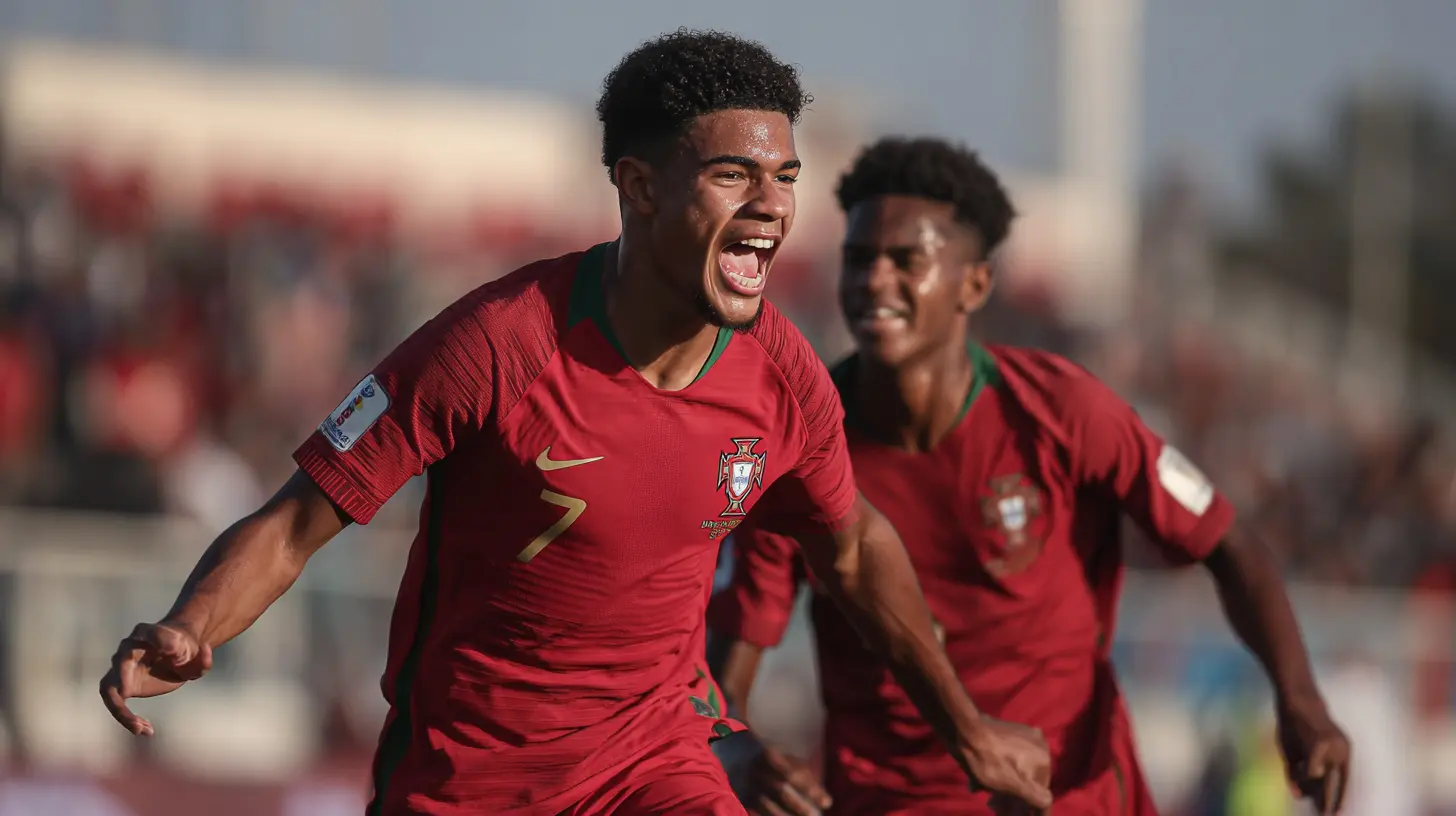
The Profile Categories That Tend to Break Out
Rather than guessing at specific names, it is more useful to understand the archetypes that consistently produce breakout performers at this tournament. When you see a player fitting one of these profiles, you are watching someone with a real chance to define the competition.The physically mature central midfielder
This is the most reliable breakout profile. A 19-year-old who has already played 20 to 30 senior matches, has the frame to hold off challenges, and can both break up play and progress the ball will dominate U-20 midfield battles. Think of the role Casadei played in 2023, arriving late in the box and scoring from positions opponents do not track.Why it works: at U-20 level, most midfielders are still learning positioning. A player who reads the game two seconds faster than his marker will find space repeatedly. When that player also has the physical tools to hold that space, he becomes a genuine problem.
When it does not work: if the player is technically limited and relies purely on physicality, he will struggle against organized defensive blocks. The best U-20 teams defend with structure, not just effort.
The inverted winger with senior minutes
Wingers who have already faced senior fullbacks arrive with a calibration advantage. They know how to beat a defender who is not going to dive in. They know how to draw fouls in dangerous areas. They know when to shoot and when to recycle possession.The winger who has only played youth football often relies on pace alone. Against U-20 opposition, pace alone can work for two or three matches. It rarely works for six.
The ball-playing center back
Defenders rarely win individual awards at this tournament, but they shape outcomes. A center back comfortable stepping into midfield, breaking lines with a pass, and defending in a high line is enormously valuable in a tournament where most teams press inconsistently.The catch: this profile requires the right system. A ball-playing center back in a low-block team is a wasted asset. Before praising or criticizing a young defender's tournament, check the tactical setup he is playing in.
The goalkeeper who has faced senior shots
Goalkeepers develop later than outfield players. A 19-year-old keeper who has played even a handful of senior matches arrives with a completely different level of composure. Penalty shootouts decide knockout matches, and keepers with senior experience handle that pressure differently.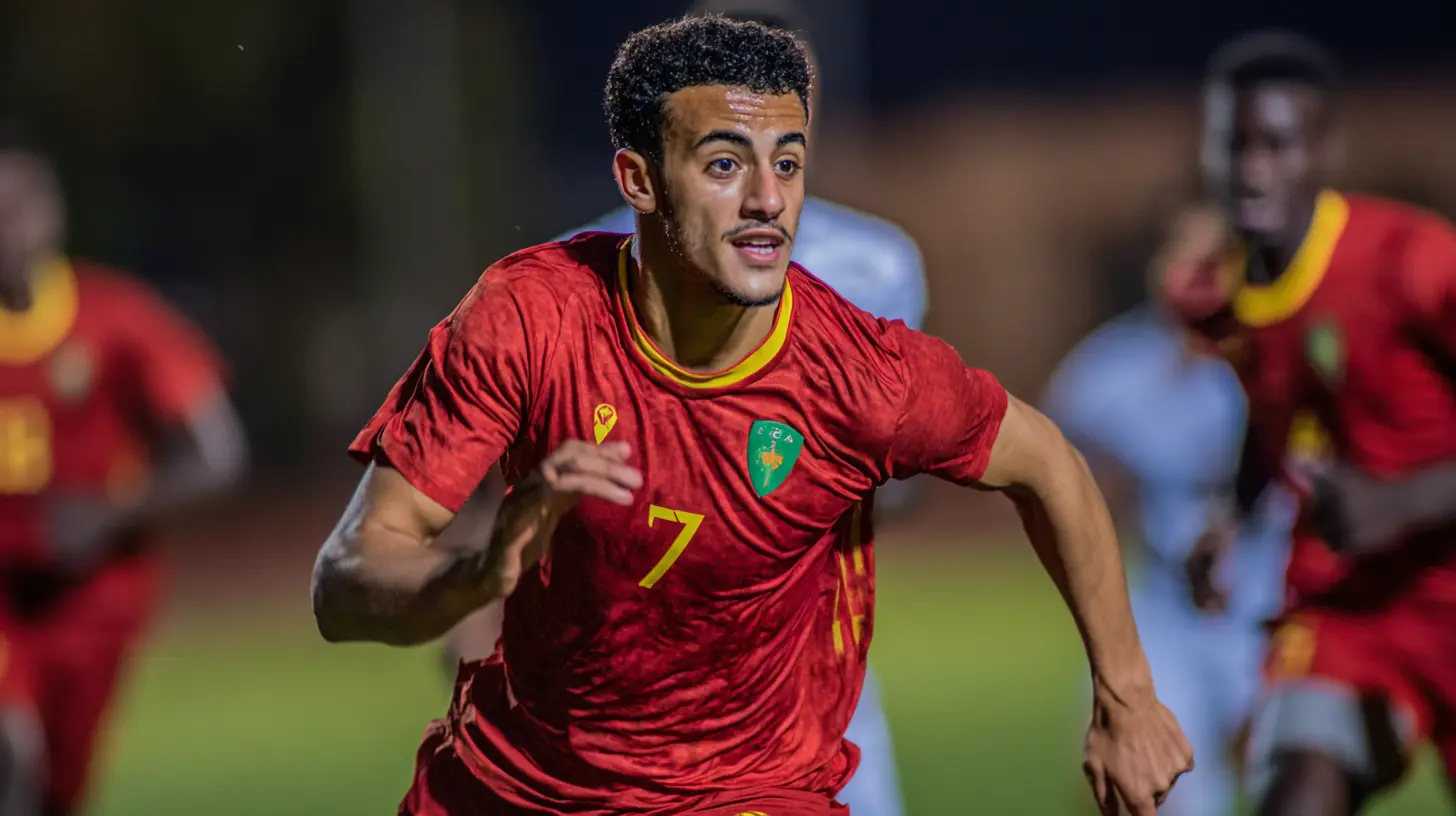
Regional Development Patterns and What They Mean for 2027
Where a player develops shapes what he brings to the tournament. This is not about nationality as a character trait. It is about the actual training environments and competitive structures that produce different skill sets.South American academies and early senior exposure
Brazilian, Argentine, Uruguayan, and Colombian clubs routinely promote teenagers to senior squads earlier than European clubs do. The trade-off is real: earlier exposure means earlier physical and psychological demands, and some players burn out or suffer injuries. But for those who handle it, the U-20 World Cup becomes a stage where they are playing against peers, not against grown professionals.Expect South American sides to field players with more senior minutes than their European counterparts. Expect them to be tactically flexible but sometimes emotionally volatile.
European academies and tactical precision
Players developed in top European academies arrive with superior tactical education. They understand pressing triggers, positional rotations, and game management. What they often lack is the raw competitive edge that comes from playing in front of 40,000 people in a league match.This is why European U-20 sides sometimes underperform relative to their talent. The tournament rewards players who have already been tested in chaotic, high-pressure environments.
African and Asian development pathways
African federations have increasingly invested in youth structures, and the results show at this level. Players from academies in Senegal, Ghana, Nigeria, and Morocco arrive with a blend of physical readiness and technical quality that is genuinely difficult to defend.The structural challenge is often organizational rather than individual. Preparation camps, travel logistics, and coaching continuity vary widely. When these factors align, African sides are genuine contenders. When they do not, individual talent gets stranded.
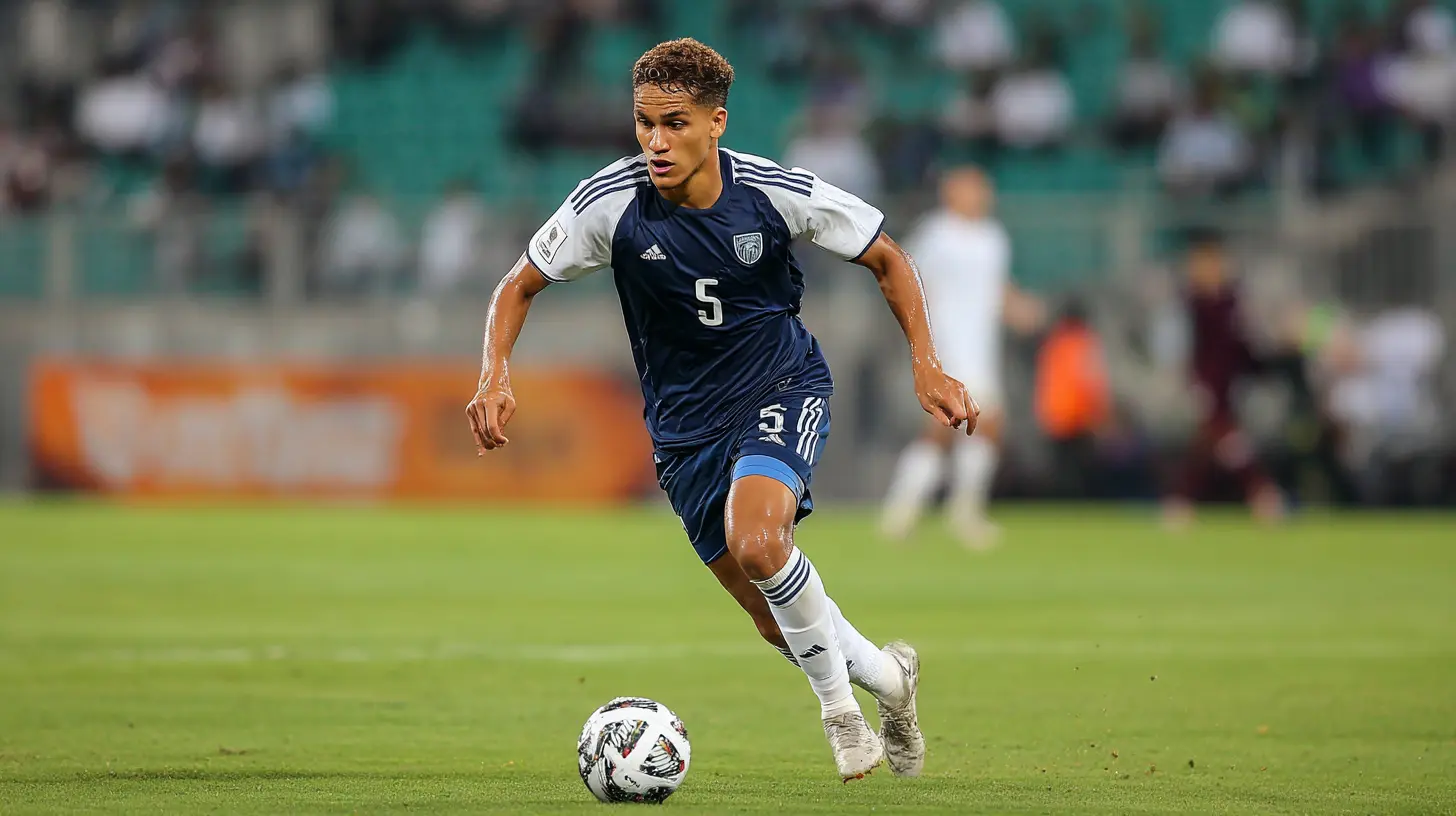
How to Evaluate a Prospect Before the Tournament Starts
Most previews list names. A more useful approach is to evaluate players against a set of criteria that actually predict U-20 tournament impact.Senior minutes, not youth goals
Youth-level goal totals are a weak predictor. A striker scoring 30 goals in an U-18 league may be facing defenders who will never play professionally. Senior minutes, even limited ones, tell you far more about a player's readiness.Ask: has this player appeared in a competitive senior match? How many minutes? Against what level of opposition?
Physical readiness relative to position
A 17-year-old winger can succeed at U-20 level if he is exceptionally quick and technically sharp. A 17-year-old center back usually cannot, because the position demands physical maturity.Consider the position before judging the age. The demands are not the same.
Decision-making under pressure
Watch a player's last three senior or reserve appearances. Look specifically at what he does when pressed, when his team is losing, and when he has the ball in his own third. These moments reveal more than highlight reels.National team commitment and eligibility
Dual-nationality players are a recurring storyline at every U-20 World Cup. Some federations use the tournament as a recruitment tool. Others lose players to rival nations. This is not just a narrative angle. It affects squad quality directly.If a highly rated prospect is eligible for multiple countries, his participation in 2027 is not guaranteed. Treat any projected squad list as provisional until official rosters are confirmed.
Common Misconceptions About U-20 Breakout Stars
Several beliefs about this tournament are repeated so often that they have become accepted wisdom. Most of them are misleading.Misconception one: the Golden Ball winner is the best prospect
Tournament awards reward players who perform best in a specific six-match window. That is not the same as being the best long-term prospect. Some winners have gone on to modest careers. Some players who barely featured have become senior internationals.The award is a snapshot, not a projection.
Misconception two: a strong tournament guarantees a big transfer
Clubs have become more sophisticated about youth evaluation. A strong U-20 tournament can accelerate a move, but it rarely creates one from nothing. The clubs that sign players based purely on tournament performances are usually the ones that later regret it.Misconception three: playing time at U-20 level means a player is ready for senior international football
The gap between U-20 and senior international football is enormous. Physical speed, tactical complexity, and pressure all increase dramatically. A player who dominates in 2027 may still need two or three more years before he is ready for a senior World Cup.
What to Watch During the 2027 Tournament
If you want to evaluate players meaningfully rather than just react to goals, focus on these areas.Off-ball movement
The best young players separate themselves with movement that does not show up in highlight packages. Watch how a midfielder scans before receiving, how a striker adjusts his run to stay onside, how a fullback times his overlap.Response to adversity
Every team will concede. Every player will make a mistake. Watch who responds by demanding the ball and who disappears. This tells you more about long-term potential than any single performance.Coaching adjustments at halftime
The best U-20 coaches change shape or personnel at halftime when the initial plan is not working. Watch which teams come out of the break with a clear adjustment. That reflects preparation quality, which in turn reflects federation investment.Set-piece organization
At youth level, set pieces decide matches. Teams that are well organized defensively on corners and creative offensively from free kicks have a measurable advantage. This is a coaching detail that separates serious contenders from talented but disorganized squads.Practical Advice for Following the 2027 Tournament
For readers who want to follow the tournament intelligently rather than just consume highlights, a few practical suggestions.First, watch full matches rather than clips, at least for the teams you care about. Clips strip context, and context is everything at this level.
Second, keep a simple note on each player you find interesting: position, age, senior minutes, and one specific observation from each match. Patterns emerge quickly.
Third, be patient with your conclusions. A player who struggles in the group stage may be adjusting to altitude, heat, or a new tactical role. A player who scores twice in the opening match may be facing a weak opponent.
Fourth, avoid the temptation to compare every young player to an established star. Comparisons compress complex development paths into lazy shorthand. They are rarely useful and often misleading.
The Bigger Picture: Why 2027 Matters Beyond the Trophy
The 2027 U-20 World Cup will function as a stress test for youth development systems worldwide. Federations that have invested in academy infrastructure, sports science, and coaching education will see results. Federations that rely on individual talent emerging from unstructured environments will produce moments but struggle for consistency.For players, the tournament is a platform, not a destination. The ones who shine will be those who combine technical quality with physical readiness, tactical intelligence, and the psychological capacity to handle sudden attention. That combination is rare. When you see it, you are watching something genuinely worth following.
The rising stars of 2027 are already training. Some are in first-team squads. Some are recovering from injuries. Some have not yet been called up to a national youth team. By the time the tournament begins, the picture will have shifted in ways no preview can fully predict. What remains constant is the framework: physical readiness, senior exposure, tactical fit, and mental resilience. Evaluate players against those criteria, and you will understand the tournament far better than any highlight reel will allow.
all images in this post were generated using AI tools
Category:
Upcoming TournamentsAuthor:

Onyx Frye