The Rising Popularity of Esports in the 2026 Global Games Landscape
28 September 2026
Esports has spent the last two decades proving it belongs in the same conversation as traditional sports. By 2026, that argument is largely settled. The more interesting question is no longer whether competitive gaming matters, but how its growth is reshaping the economics, culture, and infrastructure of global sport itself.
This article looks at where esports stands in 2026, why its rise has accelerated, and what players, organizers, sponsors, and fans should understand before committing time or money to the space. It also examines the trade-offs that come with rapid growth, because not every development in esports deserves blind enthusiasm.
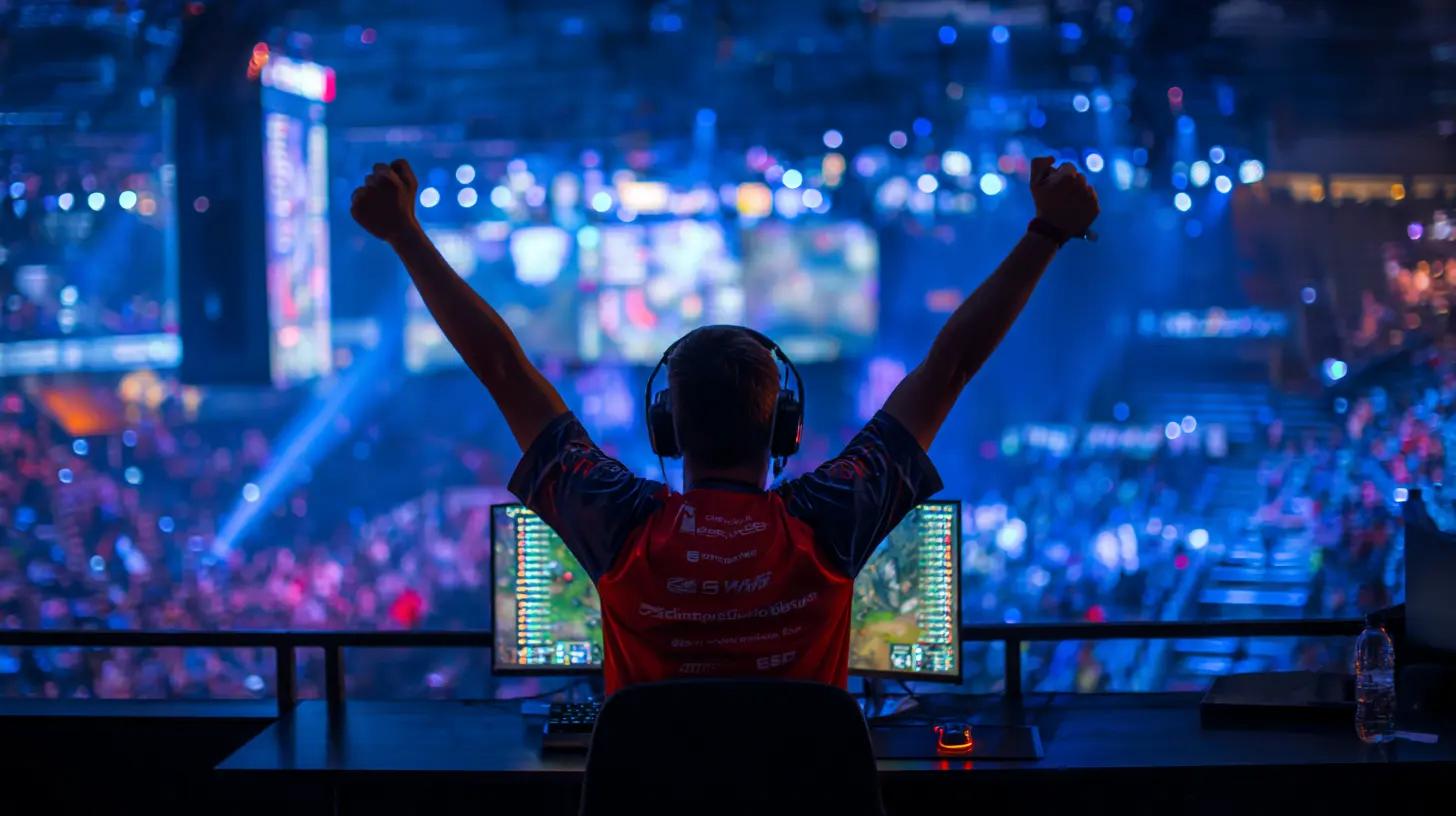
What Esports Looks Like in 2026
Esports in 2026 is not a single entity. It is a collection of ecosystems, each with its own games, publishers, leagues, and fan bases. That fragmentation is both a strength and a weakness, and understanding it is the first step toward making sense of the industry.Tier-one titles and their ecosystems
A handful of titles anchor the global scene. These include established tactical shooters, multiplayer online battle arena games, and a rotating set of fighting games and sports simulations. What separates tier-one titles from the rest is publisher investment. When a publisher funds a global league, provides prize pools, and enforces competitive integrity rules, the scene tends to stabilize.The trade-off is control. Publisher-run leagues offer structure and financial security, but they also concentrate power. Teams and players often have limited leverage when rules, revenue splits, or game updates change. Independent scenes, by contrast, offer more freedom but struggle with funding and long-term stability. There is no universally correct model. A team entering a publisher-run league gains visibility and predictable competition. A team building in a community-run scene keeps autonomy but must generate its own revenue.
Regional differences that matter
Esports growth is not uniform. North America and Europe have mature infrastructure: dedicated venues, established team organizations, and a deep pool of coaching and analytics talent. Asia, particularly South Korea and China, has long treated esports as a legitimate career path, with government recognition and strong youth pipelines.Emerging regions tell a different story. In parts of Southeast Asia, Latin America, and the Middle East, mobile esports dominates because smartphones are more accessible than gaming PCs. This is not a lesser form of competition. It is a different market with different economics. Anyone planning to enter esports professionally should study regional hardware access, internet reliability, and local publisher support before assuming a global strategy will work.

Why Popularity Kept Climbing
The growth of esports is often attributed to a single factor, such as streaming or prize money. In reality, several forces reinforce each other. Removing any one of them would slow the entire system.Streaming as the distribution engine
Streaming platforms turned esports from a niche event into an always-on product. A fan no longer needs to attend a tournament or wait for a broadcast window. They can watch live matches, replays, player streams, and analysis shows at any hour.This matters because it changes the fan relationship. Traditional sports fans consume games in fixed blocks. Esports fans consume content continuously, often blending entertainment and competition. That behavior attracts sponsors who want sustained engagement rather than a single weekend of attention.
The downside is attention dilution. When dozens of streams compete simultaneously, individual events struggle to stand out. Organizers increasingly rely on personality-driven storylines, not just gameplay, to hold viewers. That shift rewards players who can build a personal brand, and it punishes those who cannot.
Publisher investment and league stability
Publishers realized that organized competition extends a game's commercial life. A title with a thriving esports scene retains players longer, sells more in-game items, and generates free marketing through broadcasts.This is why so many publishers now operate their own leagues. The benefit is stability: salaries, venues, and broadcast production are funded centrally. The risk is dependency. If a publisher decides to reduce investment, entire teams and careers can be affected overnight. Smart organizations diversify across multiple titles rather than tying their future to one game.
Mobile and accessibility
Mobile esports deserves separate attention because it changed who can compete. A capable gaming phone costs far less than a high-end PC, and mobile titles often run on stable connections in regions where wired internet is unreliable.The result is a broader talent pool. Players who would never have afforded competitive PC hardware now compete at high levels. For organizers, this means larger audiences in markets that traditional esports overlooked. For sponsors, it means access to younger, mobile-first consumers.
The limitation is prestige. Some fans and sponsors still view mobile competition as secondary. That perception is changing, but slowly. Players choosing between PC and mobile should weigh prize pool depth, publisher commitment, and regional viewership, not just personal preference.
The Business Side of Esports in 2026
Money in esports flows from several sources, and each has a different risk profile. Understanding these streams is essential for anyone building a career or a business in the space.Sponsorship and brand partnerships
Sponsorship remains the largest revenue source for most teams and leagues. Brands are attracted by young demographics, global reach, and low production costs compared to traditional sports advertising.However, sponsorship is cyclical. When the broader economy tightens, marketing budgets shrink, and esports is often treated as experimental rather than essential. Teams that rely almost entirely on sponsors are vulnerable. The most resilient organizations combine sponsorship with merchandise, content revenue, and direct fan monetization.
Media rights and broadcasting
Media rights in esports are less standardized than in traditional sports. Some leagues sell exclusive broadcast deals. Others distribute content freely to maximize reach. Both approaches have merit.Exclusivity generates guaranteed revenue but limits audience growth. Open distribution grows the fan base but makes direct monetization harder. The right choice depends on the league's stage of development. A new league usually benefits from open access. A mature league with a loyal audience can command exclusivity fees.
Merchandise and direct fan support
Merchandise, subscriptions, and direct support programs give teams a way to earn without intermediaries. This is slower to scale than sponsorship, but it is more stable.The common mistake is treating merchandise as an afterthought. Fans buy apparel when it reflects identity, not when it is generic. Teams that invest in design, storytelling, and limited drops tend to outperform those that simply print logos on shirts.
Competitive Pathways and Player Development
For players, the path to professional esports is clearer than it was a decade ago, but it is still unforgiving. Talent alone is not enough.The amateur-to-pro pipeline
Most professional players pass through ranked ladders, amateur tournaments, and academy teams. Academy systems, run by established organizations, offer structured coaching, scrim schedules, and exposure to scouts.The advantage of an academy is stability and guidance. The disadvantage is that players surrender some independence and may be locked into contracts that limit outside opportunities. Before signing, players should review contract length, buyout clauses, and revenue sharing terms. These details determine long-term earning potential far more than initial salary.
Coaching, analytics, and support staff
Esports has matured beyond five players and a manager. Modern teams employ coaches, analysts, mental performance staff, and sometimes nutritionists and physiotherapists. This mirrors traditional sports and reflects a simple reality: at the highest level, mechanical skill is roughly equal, so preparation and decision-making decide outcomes.For aspiring staff, this is an opportunity. Analyst and coaching roles are growing faster than player rosters. The barrier to entry is lower, but the expectation of measurable impact is higher. A coach who cannot justify decisions with data will not last long.
Viewership, Fandom, and Culture
Esports fandom behaves differently from traditional sports fandom, and ignoring that difference leads to poor decisions.Why fans choose teams
Traditional sports fans often inherit loyalty from family or geography. Esports fans more often choose teams based on players, personalities, or content. This makes roster changes riskier. When a popular player leaves, fans may follow.Teams that understand this invest in content and community. They treat players as creators, not just competitors. The trade-off is that player brands can outgrow team brands, giving individuals more negotiating power. Organizations must balance promoting players with building their own identity.
The role of live events
Live events remain the strongest fan engagement tool. Arena tournaments create atmosphere that streams cannot replicate. They also generate highlights, press coverage, and sponsor visibility.The challenge is cost. Venues, production, and travel are expensive, and not every region can support a large event. Smaller, regional events often deliver better returns than oversized global showcases. Organizers should match event scale to local demand rather than chasing prestige.
Common Mistakes and Misconceptions
Esports attracts hype, and hype produces bad decisions. Here are the errors that appear most often.Assuming fast growth means easy money
Rapid growth does not guarantee profitability. Many teams and leagues operate on thin margins. New entrants should build financial models based on conservative revenue assumptions and plan for at least two years of limited returns.Confusing popularity with sustainability
A game can be hugely popular and still have an unstable competitive scene. Popularity drives viewership, but sustainability depends on publisher commitment, revenue sharing, and organizational discipline. Evaluate both before investing.Ignoring regional context
A strategy that works in Europe may fail in Southeast Asia or Latin America. Hardware access, internet quality, language, and local publisher support all vary. Copying a successful model without adaptation is one of the most common causes of failure.Overlooking player welfare
Burnout, contract disputes, and mental health challenges are real in esports. Organizations that ignore welfare may see short-term results but struggle to retain talent. Sustainable programs include reasonable practice hours, mental health support, and clear career transition paths.What Comes Next
Predicting esports with certainty is unwise, but several directions seem likely.Integration with traditional sports
Traditional sports clubs continue to enter esports, either by founding teams or partnering with existing organizations. This brings credibility, infrastructure, and cross-promotional opportunities. It also raises questions about identity. A football club's esports division may attract different fans than its core audience, and managing both requires care.Education and career paths
Colleges and universities increasingly offer esports programs, scholarships, and facilities. These provide structured competition and a bridge to professional careers. The value depends on the program's coaching quality and industry connections. A program without ties to professional organizations offers less than it promises.Technology shifts
New platforms, including VR and cloud gaming, may create new competitive categories. Whether they achieve mainstream status is uncertain. The lesson from past cycles is that technology alone does not build a scene. Publishers, organizers, and communities must commit together.
Practical Advice for Different Readers
Different people need different guidance, so here is a short breakdown.For players: Treat esports like a profession. Track your performance, study contracts, and build a backup plan. The average career is short, and preparation matters more than raw ambition.
For teams and organizations: Diversify revenue. Do not depend on a single game, sponsor, or streamer. Invest in content and community because they compound over time.
For sponsors: Choose partnerships based on audience fit, not just reach. Engagement quality matters more than raw viewership numbers.
For fans: Support the scenes and creators you value. Fan behavior shapes which models survive.
For educators and parents: Understand that esports involves real skills, including teamwork, communication, and strategic thinking. It also requires boundaries and balance.
Final Thoughts
Esports in 2026 is neither a fad nor a guaranteed gold rush. It is a maturing industry with real opportunities and real risks. The people who succeed tend to be those who study the structure of the scene, respect regional differences, and plan for volatility rather than assuming perpetual growth.The rise of esports is best understood as a long-term shift in how people consume competition. Games are now a primary form of entertainment, and competition is a primary way people engage with them. That combination is powerful, and it explains why esports keeps expanding even when individual teams, leagues, or titles struggle.
For anyone considering a move into the space, the advice is simple. Do the research, build realistic expectations, and focus on sustainable value rather than short-term hype. Growth rewards patience more than it rewards speed.
all images in this post were generated using AI tools
Category:
Upcoming TournamentsAuthor:

Onyx Frye