The Rise of Athlete Influencers and Their Societal Impact
23 August 2026
There was a time when athletes existed in a different kind of spotlight. You saw them on the field, on the court, or in the ring. You read about them in the morning paper. You heard their voices in a post-game interview, usually for ninety seconds, usually repeating the same tired phrases about giving one hundred and ten percent and taking it one game at a time. Then they disappeared until the next match. That world is gone. It has been replaced by something far more intimate, far more complicated, and far more influential than anyone could have predicted twenty years ago.
The modern athlete is no longer just a performer. They are a content creator, a brand ambassador, a political voice, a mental health advocate, a fashion icon, and sometimes a full-time influencer who happens to play a sport on the weekends. The rise of athlete influencers has changed not only how we consume sports but how we think about fame, money, and the very nature of public life. This shift carries real consequences for society, some of them inspiring and some of them deeply troubling.

The Evolution from Sports Star to Social Media Star
To understand where we are, it helps to look at how we got here. The first wave of athlete fame was built on scarcity. You could only see a player when they were playing. The second wave came with cable television and twenty-four-hour sports networks. Suddenly you could see athletes in interviews, in commercials, and in highlight reels on repeat. But even then, the relationship was one-directional. You watched them. They did not watch you back.Social media changed that equation completely. When LeBron James joined Twitter in 2009, it was still seen as a curiosity. Now it is a necessity. Athletes across every sport, from global superstars to benchwarmers in minor leagues, maintain active profiles on Instagram, TikTok, X, and YouTube. They post training footage, behind-the-scenes moments, family photos, and hot takes on everything from politics to pop culture. They respond to fans directly. They build communities. They control their own narratives in ways that were impossible when the only outlet was a press conference.
The key shift here is ownership. In the old model, the team owned the story. The league owned the broadcast. The journalist owned the interview. The athlete was the raw material, not the publisher. Today, an athlete with ten million followers has a direct line to their audience that no media company can broker or block. That is a fundamental redistribution of power, and it has changed the economics of sports forever.
The Financial Reality of Being an Athlete Influencer
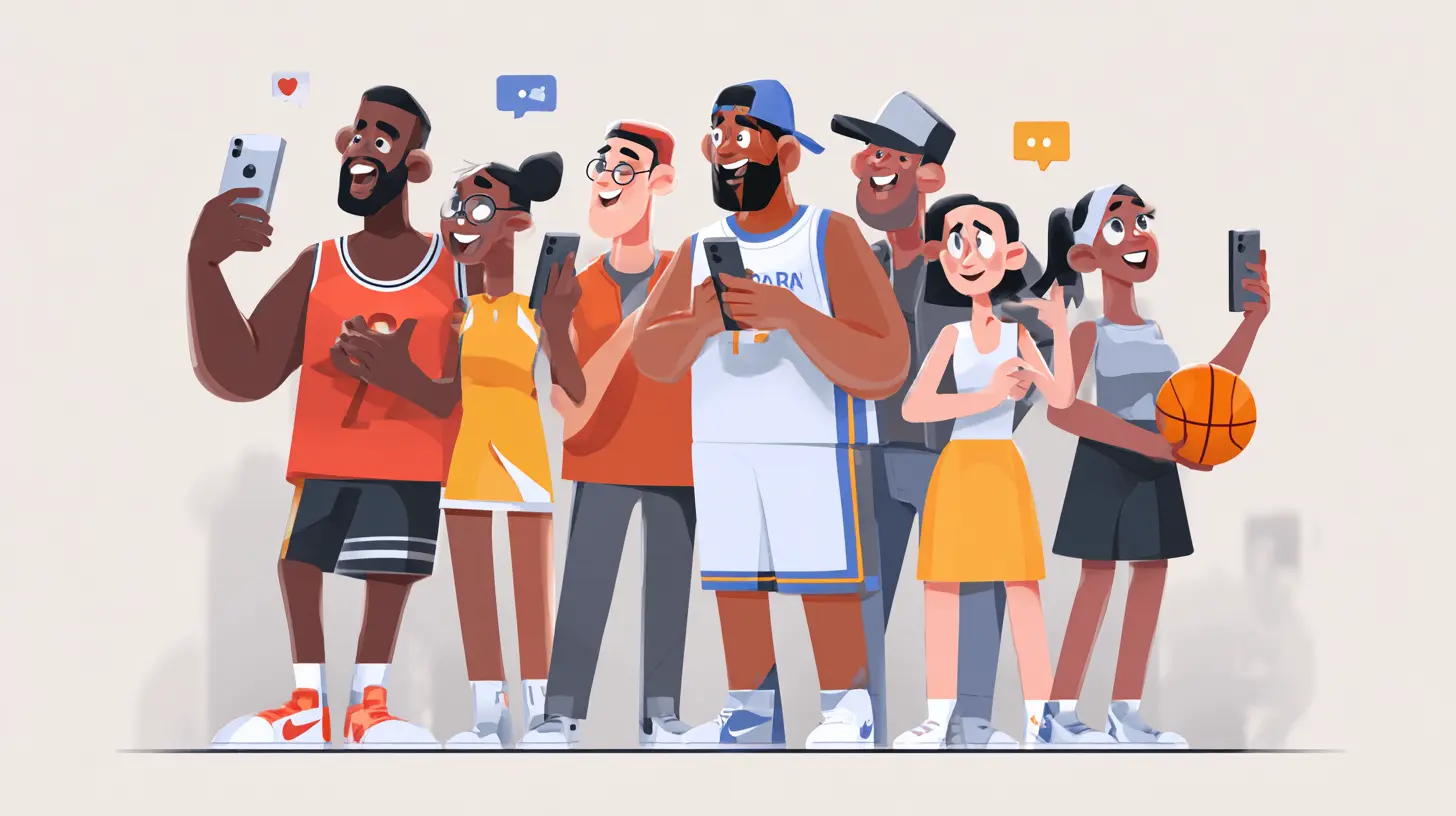
Let us talk about money, because that is the engine driving this entire phenomenon. A starting player in a major league might earn a salary that sounds astronomical to most people. But the real fortunes are now being made off the field. Endorsement deals have always existed, but the nature of those deals has changed. Brands are no longer just looking for a famous face. They are looking for an engaged audience, a specific demographic, and a personality that aligns with their values.An athlete with a smaller following but a highly engaged niche audience can sometimes out-earn a superstar with a massive but passive following. This is the influencer economy applied to sports. A golfer with fifty thousand dedicated fans who trust their equipment recommendations might be more valuable to a niche brand than a quarterback with fifty million followers who posts once a month. Brands have become sophisticated about this. They look at engagement rates, comment sentiment, and audience overlap. They want authenticity, or at least the appearance of it.
This has created a new career path within sports. Some athletes now treat their social media presence as their primary job and their athletic performance as the content that feeds it. That sounds cynical, but it is also rational. A career in professional sports is short. The average NFL career lasts about three and a half years. The average WNBA career is similar. Even in sports with longer careers, like golf or tennis, the window of peak earning power is narrow. Building a personal brand that survives retirement is not just smart. It is necessary.
The trade-off is real, though. Time spent creating content is time not spent training, recovering, or studying film. There is a reason why some coaches and general managers privately grumble about players who are more focused on their Instagram stories than their playbook. The best athlete influencers have figured out how to integrate content creation into their routine without letting it dominate. The worst ones let it become a distraction, and their performance suffers. Then the followers start to drop, and the whole house of cards collapses.
The Authenticity Paradox
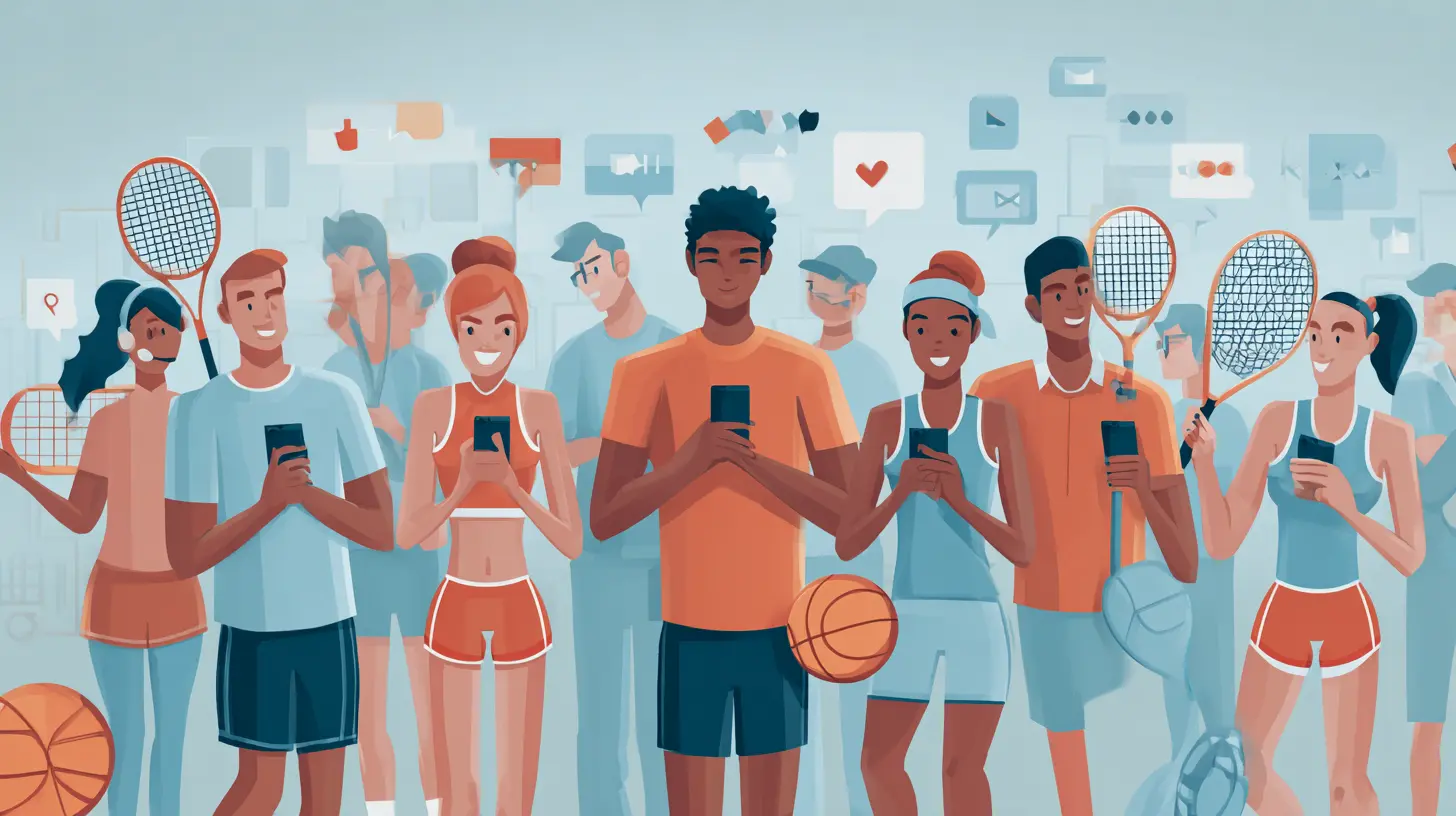
Here is the central tension of the athlete influencer phenomenon. Audiences demand authenticity, but the very act of performing for an audience makes authenticity nearly impossible. An athlete who posts a tearful video about a difficult loss is still making a series of strategic choices. What angle to shoot from. What lighting to use. What caption to write. What to leave out. That is not authentic in the pure sense. It is a curated performance of authenticity, which is a very different thing.The best athlete influencers understand this paradox and work within it. They do not pretend that their lives are perfect. They share struggles alongside triumphs. They talk about injuries, mental health, and the loneliness of life on the road. They admit when they make mistakes. This vulnerability creates a powerful bond with followers. It makes the athlete feel like a friend rather than a distant celebrity.
But there is a dark side to this intimacy. When athletes share their struggles, they open themselves up to criticism, harassment, and even stalking. The same fans who praise them for being real can turn on them viciously when they say the wrong thing. The line between public figure and public property has blurred. Athletes are now expected to have opinions on everything, from geopolitical conflicts to the latest TikTok trend. If they stay silent, they are criticized for being cowardly. If they speak out, they are criticized for being political. There is no winning move, only different ways of losing.
The Impact on Young Fans and the Next Generation
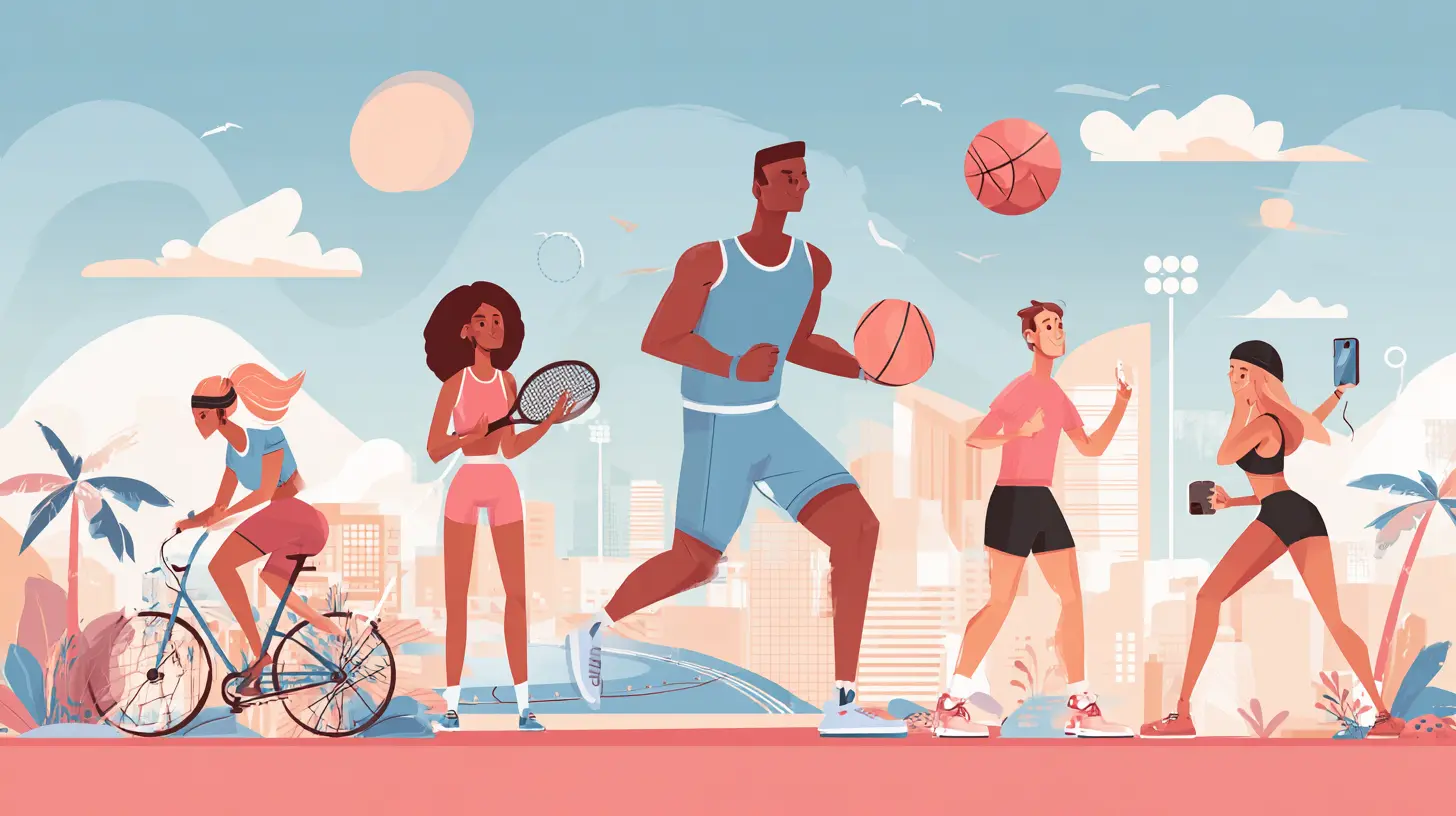
The societal impact of athlete influencers is most pronounced among young people. Children and teenagers are not just watching these athletes play. They are watching them live. They are modeling their behavior, their speech patterns, and their values on what they see in these posts. This is where the responsibility becomes heavy.On the positive side, athlete influencers have normalized conversations that were once taboo. Mental health struggles are discussed openly. The pressure of competition is acknowledged. Body image issues are addressed. Athletes like Simone Biles and Naomi Osaka have used their platforms to talk about anxiety and burnout in ways that resonate far beyond the sports world. For a teenager who feels isolated and overwhelmed, seeing a world-class athlete admit to the same feelings can be profoundly reassuring.
There is also a powerful representation angle. Young fans from underrepresented communities see athletes who look like them succeeding at the highest levels. They see athletes speaking with confidence, building businesses, and commanding respect. That matters. It expands the sense of what is possible.
But the negative influences are just as real. The relentless focus on material wealth can distort priorities. The curated perfection of an Instagram feed can create unrealistic standards for body image and lifestyle. The constant comparison game can breed anxiety and dissatisfaction. And the blending of sports with politics, while often valuable, can also create echo chambers where young fans are exposed to one-sided perspectives without the tools to think critically.
Parents and educators are now in a difficult position. They cannot simply ban social media or pretend that athlete influencers do not exist. That would be futile. Instead, they need to teach media literacy. They need to help young people understand that an Instagram post is not a documentary. It is a highlight reel. It is a marketing tool. It is a performance. The sooner young fans grasp that distinction, the healthier their relationship with these figures will be.
The Political and Social Activism Dimension
Athletes have always been involved in social issues, but the influencer era has amplified their voices to an unprecedented degree. When Colin Kaepernick took a knee, he did not just make a statement on the field. He created a movement that played out across social media for years. When LeBron James speaks out about voter suppression or police brutality, his words reach millions of people instantly. When Megan Rapinoe advocates for equal pay and LGBTQ rights, she does so with a platform that rivals any politician's.This is a double-edged sword. On one hand, it is healthy for a democracy to have prominent voices challenging the status quo. Athletes have unique credibility because they are not career politicians. They are seen as more authentic, more in touch with ordinary people. Their activism can bring attention to issues that might otherwise be ignored.
On the other hand, the pressure to take a stand on every issue can be overwhelming and counterproductive. Athletes are not policy experts. They are not trained in diplomacy or economics. When they speak with confidence on complex topics, they risk spreading misinformation or oversimplifying nuanced problems. The expectation that every athlete should have a fully formed opinion on every social issue is unreasonable and potentially harmful.
The best approach, for athletes and for society, is to recognize that activism is a choice, not an obligation. Some athletes will be passionate advocates. Others will prefer to focus on their sport and their family. Both choices are valid. The problem arises when we demand that athletes be either completely apolitical or completely political. That binary thinking serves no one.
The Mental Health Toll on Athletes
The constant visibility of the influencer life takes a psychological toll. Athletes are under immense pressure to perform on the field, and now they are also under pressure to perform online. Every post is scrutinized. Every comment is read. Every mistake is magnified. The line between public and private life has eroded to the point where some athletes feel like they are never off duty.This is not a theoretical concern. There have been numerous high-profile cases of athletes stepping away from their sports to address mental health issues. Some have cited the relentless pressure of social media as a contributing factor. The expectation to always be positive, always be grateful, always be inspiring is exhausting. It is not sustainable.
The irony is that the very platforms that allow athletes to build personal connections with fans also expose them to the worst of human behavior. The anonymity of the internet brings out cruelty that would never be expressed face to face. Athletes receive death threats, racist abuse, and vicious personal attacks on a regular basis. They are expected to shrug it off, to be tough, to not let it affect their performance. That expectation is both unrealistic and inhumane.
There is a growing movement within sports to address this issue. Teams are hiring mental health professionals. Leagues are implementing social media guidelines. Athletes are speaking more openly about their struggles. But the fundamental problem remains. The system that celebrates athlete influencers is the same system that consumes them. We want the access, the authenticity, the behind-the-scenes content. We are less willing to accept the human cost.
The Role of Teams and Leagues in the Influencer Economy
Teams and leagues have had to adapt to this new reality, and their responses have been mixed. Some organizations have embraced the influencer model, hiring social media managers, creating content studios, and encouraging players to build their personal brands. They understand that a player with a large following brings value to the team, both in terms of marketing and in terms of attracting other players who want that exposure.Other organizations have resisted, trying to control the narrative and limit what players can post. This approach is increasingly futile. Players have their own platforms, their own audiences, and their own legal rights to their image. Trying to suppress that is like trying to hold back the tide.
The smartest teams are finding a middle ground. They set clear guidelines about what is acceptable, particularly around sensitive topics like injuries, trades, and internal team matters. They provide resources and training to help players manage their online presence safely. They recognize that the influencer economy is not a threat to the sport but an extension of it. The teams that understand this are thriving. The ones that do not are losing talent and relevance.
The Blurring Line Between Athlete and Celebrity
It is worth asking whether we are even talking about athletes anymore or whether we are talking about celebrities who happen to be athletic. The distinction matters. A traditional athlete was judged primarily on performance. A celebrity is judged on a broader set of criteria, including charisma, appearance, and cultural relevance.The influencer economy has pushed athletes firmly into celebrity territory. They are now expected to have a personal style, a signature catchphrase, a recognizable aesthetic. They are expected to collaborate with other celebrities, to attend award shows, to be part of the cultural conversation beyond sports. This can be exciting and lucrative, but it also creates a new set of pressures.
Some athletes thrive in this environment. They are natural performers who enjoy the spotlight. Others are deeply uncomfortable with it. They just want to play their sport and go home. The system does not always accommodate that preference. Sponsors want engagement. Teams want visibility. The machine demands content.
The result is that some athletes feel forced to perform a version of themselves that does not feel authentic. They post things they do not really believe. They cultivate an image that is at odds with their true personality. This creates a kind of cognitive dissonance that can be corrosive over time. The athlete influencer who is always smiling on screen but miserable in private is a more common figure than most fans realize.
Practical Advice for Aspiring Athlete Influencers
For young athletes who are just starting to build their personal brand, there are some practical lessons worth understanding. First, consistency matters more than frequency. Posting once a week with genuine value is better than posting every day with empty content. Second, find your niche. You do not need to be a generalist. If you are a swimmer, talk about swimming technique, pool culture, and the mental game of endurance. That specificity will attract a more loyal audience than generic motivational quotes.Third, be careful about what you post. The internet is forever. A stupid joke made at nineteen can haunt you at thirty. Think before you post, especially when you are angry or upset. Fourth, do not compare yourself to others. The influencer economy rewards uniqueness, not imitation. The athlete who tries to copy another athlete's style will always be second best. The athlete who embraces their own quirks and personality will stand out.
Fifth, remember that your sport is your foundation. The influencer career is built on top of your athletic career. If you stop performing, the content becomes less interesting. Protect your training time. Do not let the demands of content creation undermine the very thing that makes you valuable in the first place.
Finally, have a plan for the end. Every athletic career ends eventually. The influencer brand you build today can be the foundation of your post-sports career. But you need to think about that transition early. What skills are you developing? What relationships are you building? What business opportunities are you exploring? The athletes who retire gracefully are the ones who started planning for retirement long before they hung up their cleats.
The Responsibility of the Audience
It is easy to blame athletes for the excesses of the influencer economy, but the audience bears responsibility too. We are the ones who click, who share, who buy the products. We are the ones who create the demand for constant content. We are the ones who reward the most outrageous posts and punish the most thoughtful ones.If we want athlete influencers to be a positive force in society, we need to change our own behavior. We need to reward authenticity over spectacle. We need to support athletes who use their platforms responsibly. We need to be skeptical of the curated perfection and look for the real person underneath. We need to remember that athletes are human beings with flaws and struggles, not characters in a story we are entitled to control.
This is not about being naive or forgiving every mistake. Athletes who break the law or promote harmful ideas should face consequences. But there is a difference between holding someone accountable and hounding them relentlessly. The culture of outrage, the pile-on mentality, the constant demand for apologies for every perceived slight. That is not healthy for anyone.
The Future of Athlete Influencers
Looking ahead, the trend is clear. Athlete influencers are not going anywhere. If anything, the phenomenon will grow as new platforms emerge and new generations of athletes come of age in a world where social media is as natural as breathing. The question is not whether this will continue but how it will evolve.We are likely to see more athletes becoming full-time content creators after retirement, building media empires that rival traditional sports networks. We are likely to see more athlete-founded brands and businesses, leveraging their personal followings into commercial ventures. We are likely to see more athletes using their platforms for advocacy, particularly around issues that affect their communities.
We are also likely to see more regulation and oversight. Governments are already grappling with how to handle influencer marketing, disclosure requirements, and the spread of misinformation. Athlete influencers will not be exempt from these rules. The days of posting whatever you want without consequence are already ending.
The most important development will be the changing expectations of the audience. As fans become more sophisticated about the influencer economy, they will demand more substance and less fluff. The athletes who survive the long term will be the ones who offer real value, who build genuine communities, and who use their platforms for something beyond self-promotion.
Conclusion
The rise of athlete influencers is one of the most significant cultural shifts in modern sports. It has democratized fame, created new economic opportunities, and given athletes a voice they never had before. It has also introduced new pressures, new risks, and new ethical questions that we are still learning to navigate.There is no simple answer to whether this is a good or bad thing. It is both. It is complex. It is evolving. What matters is how we engage with it. Athletes need to be thoughtful about the power they hold. Audiences need to be critical about the content they consume. Teams and leagues need to provide support and guidance. And society as a whole needs to recognize that athlete influencers are not just entertainers. They are shapers of culture, for better or for worse.
The best outcome is one where athletes can use their platforms to inspire, to educate, and to connect without sacrificing their own well-being in the process. That is a tall order, but it is not impossible. It just requires everyone involved to be a little more conscious, a little more compassionate, and a little more willing to see the human being behind the profile picture.
all images in this post were generated using AI tools
Category:
Sports And SocietyAuthor:
Onyx Frye
Discussion
rate this article
2 comments
Bear McIntire
Athlete influencers reshape culture, proving their voice can inspire change beyond the field.
September 6, 2026 at 5:05 AM
Onyx Frye
Absolutely. Athlete influencers not only excel in sports but also drive meaningful conversations, pushing for progress in various social issues.
Naomi McGhee
Athlete influencers are changing the game! Their passion and reach inspire us all to chase our dreams. With every post, they remind us that hard work and positivity can truly make a difference. Keep shining!
August 24, 2026 at 11:42 AM
Onyx Frye
Absolutely! Athlete influencers really do motivate us to push our limits and embrace positivity. Their impact is undeniable and inspiring.