The Most Talked About Fan Moments Caught on Camera in 2027
21 October 2026
Fandom has always been a performance. The difference now is that the audience never stops recording. By 2027, the combination of broadcast cameras, fan-held phones, and always-on social platforms has turned the stands into a second show, one that often generates more conversation than the game itself. A single reaction shot can travel further than a highlight reel, and a thirty-second clip from row fourteen can shape a player's reputation, a team's marketing strategy, and a sponsor's quarterly planning.
This article is not a list of viral clips. It is a working analysis of the fan moments that defined 2027, why they resonated, how they were captured, and what the people inside the industry should take from them. If you work in sports media, team operations, athlete representation, or brand partnerships, the lessons here matter more than the moments themselves.

Why Fan Footage Became the Main Event
The shift did not happen overnight, but 2027 is the year the balance tipped in a visible way. Three forces converged.First, camera quality on ordinary phones crossed the threshold where a fan in the upper deck can produce broadcast-adjacent footage. Stabilization, low-light performance, and optical zoom are now good enough that the difference between a professional reaction shot and a fan shot is often just angle and access.
Second, the distribution layer changed. League-owned channels, athlete accounts, and fan aggregators now operate in the same feed. A clip does not need a broadcaster to reach an audience. It needs a moment with emotional clarity.
Third, and most importantly, audiences became fluent in the language of the reaction shot. They understand that the stands are where honesty lives. Players are media-trained. Coaches are guarded. Fans are not, and that asymmetry is the entire product.
> The practical takeaway: teams that treat fan footage as a nuisance are fighting the current. Teams that treat it as a content channel with real editorial value are the ones shaping the narrative.
The Anatomy of a Fan Moment That Travels
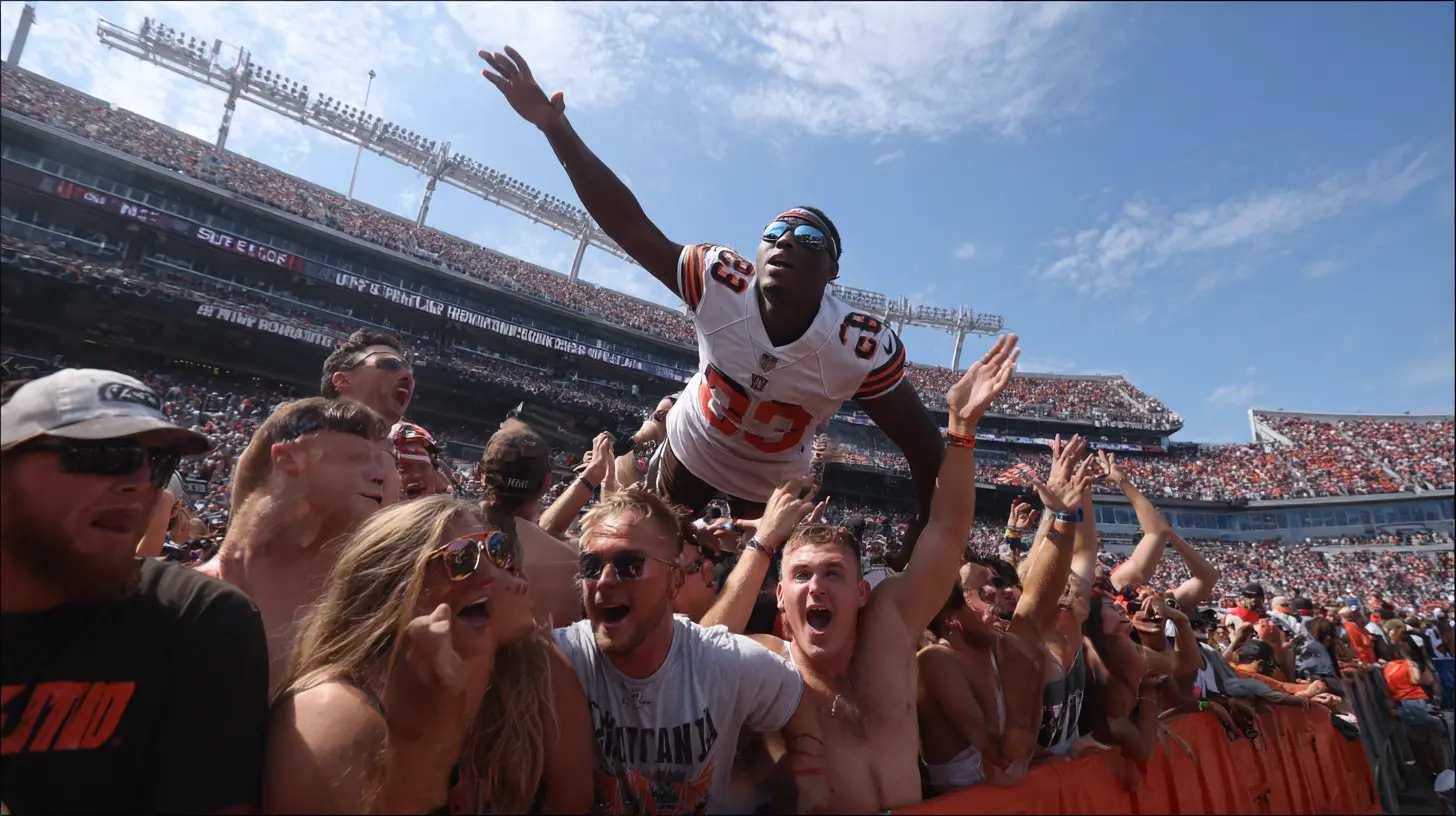
Not every loud reaction goes viral. In 2027, the moments that broke through shared a recognizable structure. Understanding that structure is useful whether you are a broadcaster deciding what to cut to, a team deciding what to repost, or a fan who happens to be in the right seat.Emotional legibility. The viewer needs to understand the feeling in under two seconds, without context. A face doing one clear thing beats a crowd doing ten unclear things.
Proximity to stakes. A reaction to a routine play is noise. A reaction to a moment that decided something is signal. The best clips are attached to consequence.
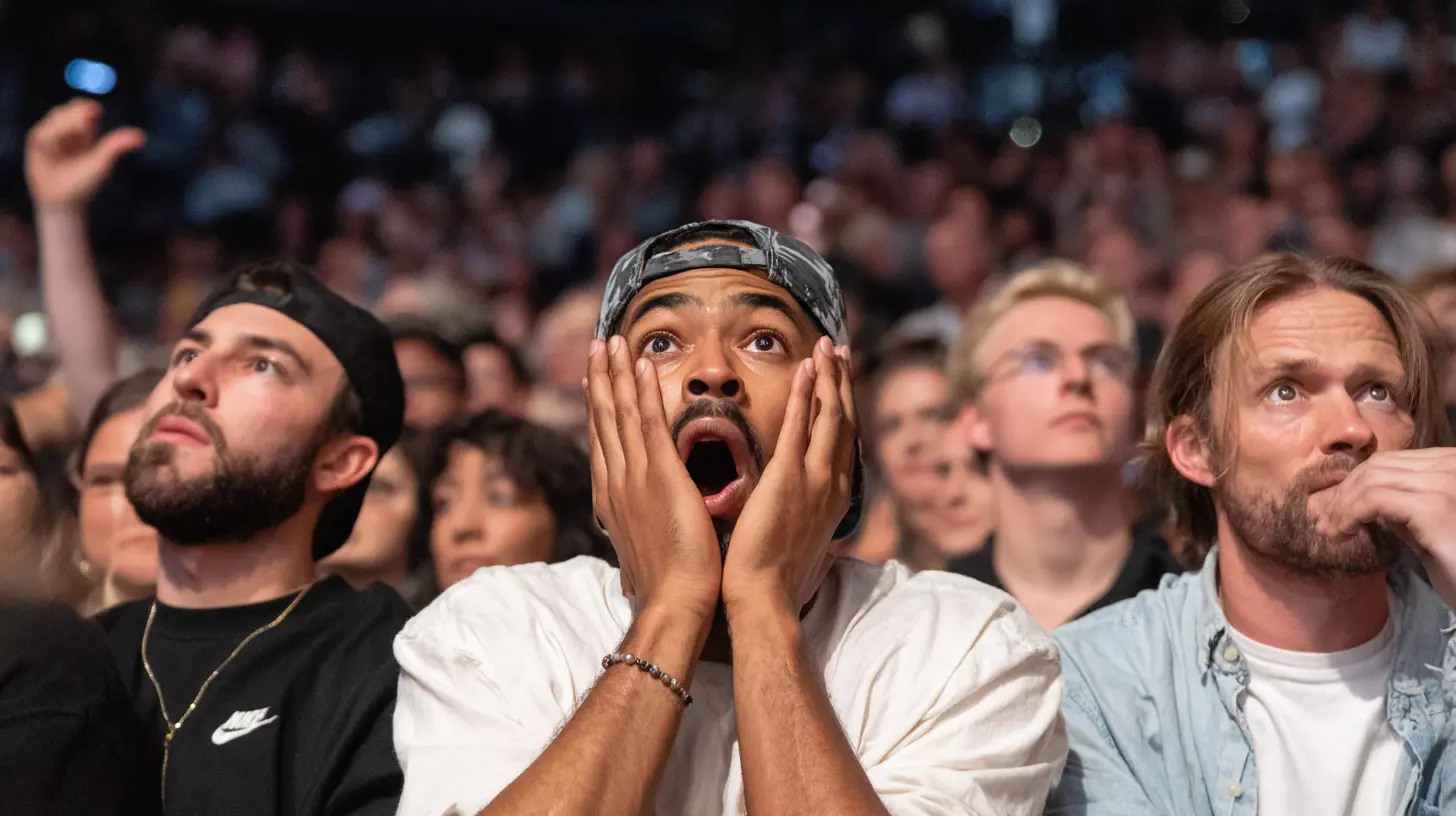
A human detail. The moments people talked about in 2027 almost always included a small, specific gesture: a hand over a mouth, a child being lifted onto shoulders, a stranger being hugged. Specificity is what separates a clip from a crowd shot.
A clean frame. Fan footage that travels tends to have one subject, even if the background is chaos. Cluttered frames die in the feed.
An unresolved question. The strongest clips leave something open. Did the player see it? Did the fan get the ball? Did anyone apologize? Open loops drive comments, and comments drive reach.
The Moments That Defined 2027
The following moments are described in general terms because the specific details of each are less instructive than the pattern they represent. Treat them as case studies in behavior, not as a definitive record.The Silent Stand
The most discussed fan moment of the year was also the quietest. In a playoff game, a section of supporters chose to stand in complete silence for an extended stretch, holding a single banner, refusing to chant. The broadcast cameras found them repeatedly. The silence became the story.What made it work was contrast. A stadium is expected to be loud. Deliberate quiet reads as intent, and intent reads as newsworthy. The moment also carried a message without requiring the broadcast to explain it, which is exactly the kind of content that spreads because every viewer can project their own interpretation onto it.
The lesson for teams: protest and passion are not opposites. A fan base that cares enough to organize silence is a fan base that cares. How an organization responds in the following 48 hours matters more than the moment itself. Silence met with silence curdles. Silence met with a genuine statement and a follow-up conversation can convert.
The Catch in the Crowd
A foul ball, a tangle of hands, and a child who ended up with the ball after an adult appeared to pull it away. The clip ran for days. The debate was not about baseball. It was about adult behavior in shared spaces, and everyone had a position.This is the classic fan-moment archetype, and it keeps working because it triggers a moral judgment that viewers make instantly. The trade-off for teams is real: these moments generate enormous engagement but they also put ordinary people under a hostile spotlight. The best practice in 2027, increasingly adopted by clubs, is to intervene early. A staff member retrieving the ball and making sure the child gets one, on camera, converts a negative story into a positive one within hours.
The Away End Celebration
An away supporter section, small and outnumbered, producing a coordinated celebration that the home broadcast could not ignore. The cameras kept cutting back. The home crowd's reaction to the away fans became its own storyline.Why it worked: it inverted the expected power dynamic. The smaller group controlled the emotional temperature of the building. Broadcast directors are trained to follow emotion, and emotion does not care about seat allocation.
The practical consideration for clubs is safety and segregation. Coordinated away support is one of the best atmospheres in sport, but it requires stewarding that anticipates choreography rather than reacting to it.
The Player-Fan Exchange
A player, walking off after a difficult loss, stopped at the barrier and had a visible exchange with a supporter. The fan footage captured the player's face and the fan's hand on his shoulder. The broadcast did not have the angle. The clip became the definitive image of the night.This is the category where fan footage most clearly outperforms professional coverage. Broadcast cameras follow the ball and the bench. They rarely follow the tunnel. Fans are positioned exactly where the human moments happen, and in 2027, athletes increasingly know it.
The risk is equally clear. These exchanges are unscripted, and an unscripted exchange can go badly. Athletes and their representatives should assume every barrier interaction is being recorded and behave accordingly, not out of fear, but because the fan on the other side is having the most important night of their year.
The Family Reaction Shot
A parent and child in the front row during a decisive moment. The child's face, then the parent's face, then the replay. The sequence was cut and recut thousands of times.Broadcast producers have known for decades that family reaction shots are reliable. What changed in 2027 is that fan-shot versions of the same moment, taken from a different angle, often felt more authentic than the broadcast cut. The audience can tell when a reaction is being harvested. They respond better when it feels found.
The Traveling Support
A group of supporters who followed their team across multiple countries, documented in a mix of fan footage and ambient crowd shots, became a recurring storyline across the tournament. The individual clips were small. The accumulation was the story.This is a useful reminder that not every fan moment is a single event. Some are narratives built from repetition. Teams and leagues that recognize a recurring cast of traveling supporters and treat them as characters, with consent and care, build a loyalty loop that no advertising campaign can buy.
The Business Side: What These Moments Are Worth
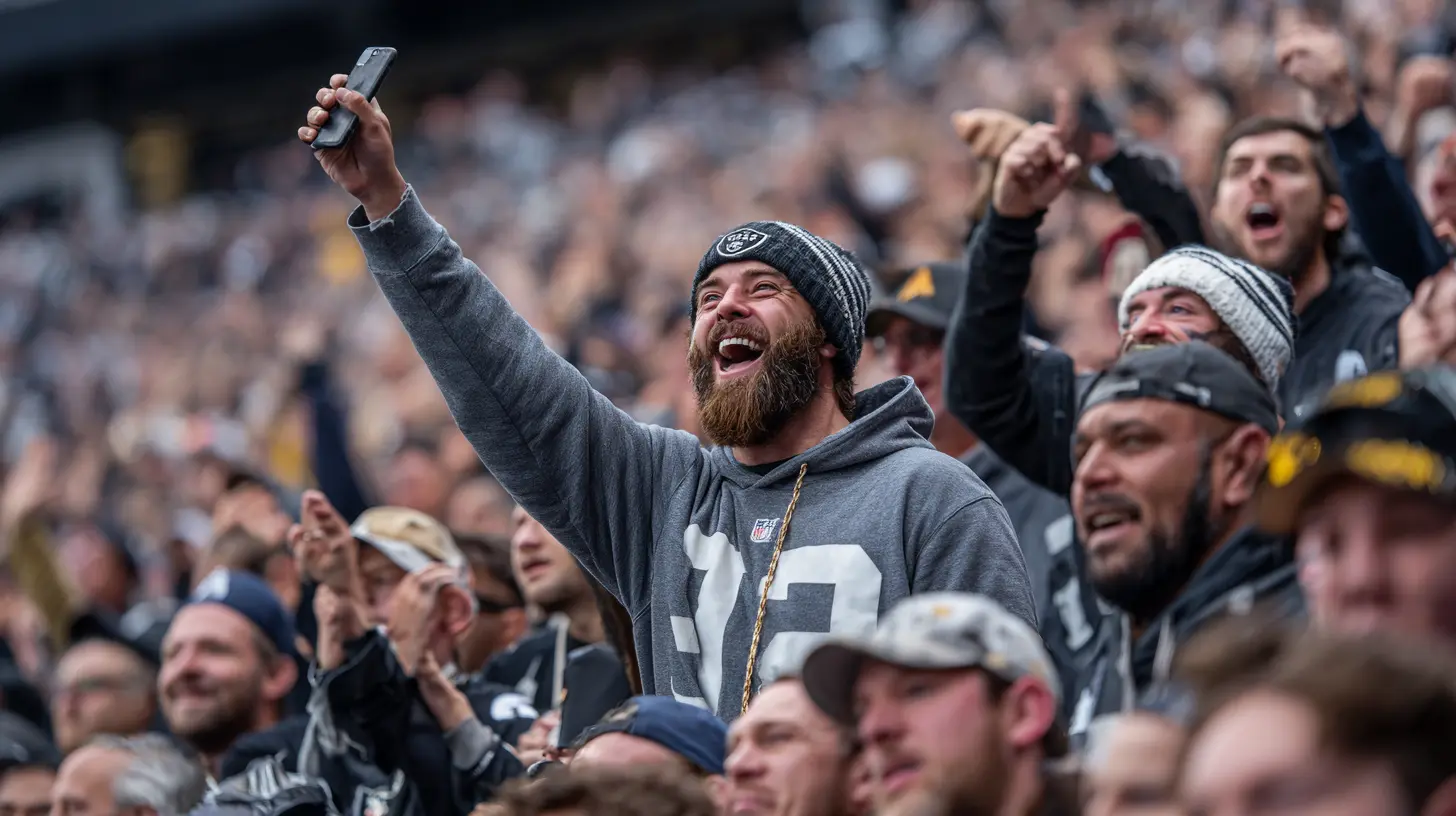
Fan moments have become an asset class, and like any asset class, they are poorly understood by most of the people who own a stake in them.For Teams
The value is not in the clip. It is in the response time. A club that can identify, clear, and repost a fan moment within an hour captures the audience while attention is at its peak. That requires a content team with pre-approved usage protocols and a legal framework for fan footage that does not create friction.Common mistake: reposting fan footage without permission and then scrambling when the fan asks for credit or removal. The better practice is a simple, visible policy, stated in the stadium and online, that explains how the club uses fan content and how fans can opt out.
For Broadcasters
The trade-off is between control and reach. Broadcasters hold the highest-quality footage but move slower than the fan ecosystem. The ones doing this well in 2027 treat fan footage as a sourcing layer, licensing clips quickly and crediting them on air, rather than pretending the broadcast angle is the only one that matters.For Brands
Athlete-adjacent fan moments are tempting sponsorship territory, and most brands get it wrong by inserting themselves too early. The rule that holds up: sponsor the context, not the moment. Fund the away travel, the family section, the community initiative. When the moment happens, your logo is in the background where it belongs, not superimposed on someone's grief.For Athletes
Every athlete in 2027 should assume that the stands are a camera array. That is not a reason to be guarded. It is a reason to be deliberate. The athletes who handled fan moments best this year were the ones who engaged genuinely and briefly, then moved on. The ones who struggled were caught between performance and privacy, and the ambiguity showed.The Ethics Nobody Wants to Discuss
Fan moments involve people who did not sign up to be public figures. That is the central tension, and 2027 produced enough cautionary examples to make the conversation unavoidable.Consent. A fan in a public stadium has limited expectations of privacy, but limited is not zero. Broadcasting a child's face during a distressing moment, or identifying an ordinary supporter during a controversy, carries real consequences. The best practice is a light touch with minors and a clear escalation path when a clip starts to attract harassment.
The pile-on problem. The adult who took the ball. The fan who said the thing. These people become temporary main characters, and the attention is rarely proportionate. Organizations that amplify such clips are making an editorial choice, and they should own it rather than hiding behind the idea that the internet did it.
The manufactured moment. As fan footage becomes more valuable, some of it becomes staged. A choreographed reaction, a planted banner, a fan who happens to be a content creator with a ring light. Audiences are getting better at spotting this, and the credibility cost when it is exposed is steep. Authenticity is the entire currency of the category. Spend it carefully.
Compensation. When a fan clip generates significant value for a team or broadcaster, what does the fan get? In 2027 there is no universal answer. Credit is the minimum. Some organizations now offer experiences, merchandise, or small licensing fees. The absence of a standard is a problem, and it will be resolved by whichever league moves first.
How to Read a Fan Moment as a Professional
If you are making decisions based on fan footage, here is a practical framework.1. Separate the moment from the clip. The moment is what happened. The clip is a framing of it. Ask what the full context was before you react.
2. Check the source chain. Fan footage is frequently re-uploaded and re-captioned. The original poster usually has the most accurate context and the strongest claim to credit.
3. Assess the emotional half-life. Some moments burn hot for six hours. Some reshape a relationship between a club and its supporters for years. Treat them differently.
4. Decide your posture before you post. Are you amplifying, responding, or staying out of it? All three are valid. Drifting between them is what creates problems.
5. Plan the follow-up. The moment is the beginning of a conversation, not the end of one. The organizations that handled 2027 best had a second and third move ready.
Common Misconceptions
"Viral means valuable." Reach and relevance are different things. A clip that reaches ten million people who will never buy a ticket is worth less than a clip that reaches two hundred thousand people who live in your market."Fan footage is free." It is free until it is not. Legal review, licensing, and reputational management all carry cost. Budget for it.
"The broadcast controls the narrative." The broadcast controls the primary feed. It does not control the narrative, and in 2027 it does not even control the definitive angle.
"Fans want to be famous." Some do. Most do not. Assuming otherwise is how organizations end up exploiting people who were simply having a strong reaction in a public place.
What Comes Next
The trajectory is clear. Camera quality keeps improving, distribution keeps fragmenting, and the gap between what happens in the stands and what reaches the audience keeps closing. The organizations that will thrive are the ones that build real infrastructure around fan moments: fast clearance, clear ethics, genuine credit, and a willingness to treat supporters as collaborators rather than content sources.The most talked about fan moments of 2027 were not accidents. They were the product of a system that rewards emotional honesty and punishes manufactured sentiment. That is a good thing for sport, provided the people inside the system remember that the fans in the frame are not characters. They are the reason the cameras are there in the first place.
all images in this post were generated using AI tools
Category:
Fan ReactionsAuthor:

Onyx Frye