The Most Influential Athletes of the 2020s
27 November 2026
Influence in sports is not the same as greatness. A great athlete wins. An influential athlete changes what winning means, how the game is played, how money flows, how fans behave, or who gets to participate in the first place. The 2020s have already produced a cohort of athletes whose reach extends well past scoreboards and into economics, politics, media, and culture. This article breaks down who those athletes are and, more importantly, why their influence matters and what it tells us about the decade.
A quick note on method before we start. Influence is not a popularity contest, and it is not a stat sheet. I am weighing four things: competitive dominance that shifts how opponents and coaches approach the sport, commercial power that moves markets and labor negotiations, cultural reach that shapes public conversation, and institutional impact, meaning changes to rules, structures, or norms that outlast any single season. Some athletes score high on one axis and low on others, and that is fine. The point is to be honest about the trade-offs rather than pretend everyone belongs on the same pedestal.
How to Judge Influence Without Getting Fooled
Most lists of influential athletes are really lists of famous athletes. Fame and influence correlate, but they are not the same thing, and confusing them leads to bad conclusions. Here is a practical framework anyone can apply.The Four Tests of Influence
- Does the sport change because of them? Think about tactical shifts, rule adjustments, or positional evolution. If opponents redesign their game plans around one person, that is influence.- Do they move money? Not just endorsements, but league revenue, broadcast deals, ticket demand, and labor dynamics. An athlete who shifts bargaining power for an entire workforce is influential in a way a highlight reel never is.
- Do they shape conversation beyond sports? This is where cultural influence lives. It matters whether their voice changes minds, sets news cycles, or forces institutions to respond.
- Do they change the pipeline? The deepest influence is generational. If young athletes copy their training, their activism, or their business model, the impact compounds for years.
The Common Mistakes
The first mistake is recency bias, treating last month's headline as lasting influence. The second is conflating dominance with impact. A dominant athlete in a niche sport can be less influential than a merely very good athlete in a sport with global reach. The third mistake is ignoring structural context. Athletes in the 2020s operate inside a system reshaped by name, image, and likeness rules in American college sports, by social media disintermediation, and by a post-pandemic sports economy. Influence is partly what an athlete does and partly what the moment allows them to do.
The Case for Caitlin Clark
Clark is the cleanest example of an athlete whose influence is measurable in institutional terms. Her rise in college basketball and then the WNBA coincided with, and in meaningful ways accelerated, a surge in attendance, television viewership, and merchandise demand for women's basketball. The important insight is not that she is popular. It is that her popularity functioned as a stress test for the sport's infrastructure, exposing gaps in charter travel, roster economics, and marketing investment that had been tolerated for years. When demand spikes and the system visibly strains, it forces investment. That is influence with teeth.There is a fair counterargument worth taking seriously. Some of the attention around Clark reflects novelty and media framing as much as sustained transformation, and it is too early to know how much of the surge persists after the initial wave. That is a legitimate caution. But the structural responses, from scheduling decisions to broadcast allocations, are already real, and those tend to be sticky. If you want to understand why she belongs on this list, look at the league's decisions rather than the discourse.
LeBron James and the Economics of Player Power
James has been influential for two decades, but the 2020s version of his influence is different. It is less about what he does on the court and more about what he has normalized off it. Player mobility, the expectation that stars can and should shape rosters, the acceptance of athletes as media owners and production companies, and the willingness to speak on political issues without apologizing for it, all of these were pushed forward by James and are now standard practice.The trade-off is worth naming. Player empowerment has given athletes leverage and voice, but it has also created tension with fans who feel loyalty is now one-directional, and with teams that must manage constant uncertainty. Whether that trade-off is good depends on your vantage point. From a labor perspective, it is long overdue. From a competitive balance perspective, it is complicated. What is not debatable is that the 2020s labor landscape in basketball, and increasingly in other sports, runs through the model James helped build.
Giannis Antetokounmpo and the Value of Staying
Antetokounmpo represents a counter-model to player mobility, and that is precisely why he is influential. By committing long term to a single franchise and delivering a championship, he demonstrated that loyalty and competitive ambition are not mutually exclusive. In an era where stars force trades, his approach gives small-market teams a credible template and gives fans a reason to believe the draft still matters.His influence also shows up in how the game is played. His physical development from a thin, unpolished prospect into a dominant force is a case study in patient player development, and his willingness to be coached and to expand his skill set challenges the assumption that stars are finished products. The practical takeaway for teams is that development infrastructure matters as much as scouting. The takeaway for players is that environment and continuity have real value that does not show up in a max contract comparison.
Shohei Ohtani and the Two-Way Disruption
Ohtani is the most interesting tactical story of the decade. The two-way player was treated as a novelty or a risk for most of baseball history, and he made it a viable competitive strategy. That has consequences beyond his own stat line. It changes how rosters are constructed, how pitchers are developed, and how front offices think about the opportunity cost of specialization.Here is the nuance most coverage misses. Ohtani's success does not mean two-way play is broadly replicable. It requires rare physical traits and an organizational willingness to absorb risk that most clubs will not accept. So his influence is less "everyone will do this" and more "the ceiling of what is considered possible has moved." That distinction matters. Influence often works by expanding the range of options decision-makers consider, even if only a few can execute on them.
The Athletes Who Changed the Business of Being an Athlete
Some of the decade's most consequential influence is not about sport at all. It is about the athlete as a business entity, and several figures deserve attention here.The NIL Generation
The arrival of name, image, and likeness compensation in American college sports created a new class of athlete-entrepreneurs. The most influential figures in this space are not necessarily the most famous. They are the ones who treated their platform like a small business from day one, building audiences, signing carefully, and avoiding deals that traded long-term brand equity for short-term cash. The lesson for young athletes is straightforward and often ignored: the first deal is rarely the best deal, and the tax and compliance implications of early money are real. The lesson for programs is that recruiting now involves genuine business support, not just facilities and exposure.Athletes as Media Owners
A growing number of stars have moved from appearing in media to owning it, whether through production companies, podcasts, or direct-to-consumer channels. This is influential because it changes who controls the narrative. When an athlete owns the microphone, the traditional trade-off between access and criticism weakens. The upside is more honest storytelling and better economics for athletes. The risk is fragmentation and a loss of the editorial scrutiny that keeps reporting credible. Both things are true at once, and readers should hold both in mind.The Political Athlete and the Cost of Speaking Up
The 2020s have been defined in part by athletes using their platforms for political and social advocacy, and the influence here is not uniform. Some athletes have changed policy conversations. Others have discovered that public stances carry real commercial costs and that the calculus differs by sport, market, and moment.The practical insight is that advocacy works best when it is specific, sustained, and connected to the athlete's own community and experience. Vague statements generate headlines and little else. Concrete commitments, whether to voter registration, youth programs, or institutional reform, build credibility over time. Athletes considering this path should think about the difference between symbolic gestures and structural commitments, and should be honest about which one they are making. Fans and sponsors should apply the same test rather than rewarding noise.
The Global Shift: Football, Cricket, and the New Geography of Influence
Any serious list has to account for sports whose influence is global but underreported in American media. Football's biggest stars shape transfer markets, sponsorship economics, and youth aspiration across continents, and their social media reach dwarfs most American athletes. Cricket's leading figures carry similar weight across South Asia, the Middle East, and beyond, and the sport's franchise leagues have rewritten how players are compensated and scheduled.The misconception to correct here is that influence can be measured by coverage volume in one country. It cannot. A footballer with a hundred million followers across multiple languages may be more globally influential than an American star with a higher domestic profile. If you are building a brand, a media strategy, or a sponsorship portfolio, ignoring this geography is an expensive mistake.
What Actually Makes Influence Last
Looking across these athletes, a few patterns stand out, and they are useful whether you are a fan, a marketer, or an athlete yourself.Patterns That Hold Up
- Influence compounds through institutions. Athletes who change rules, contracts, or league investment create durable effects. Athletes who only generate attention create spikes.- Authenticity is a strategy, not a vibe. The athletes whose influence holds up tend to have a consistent through-line between what they say, what they do, and where they came from. Audiences are good at spotting gaps.
- Control of narrative matters more than volume of coverage. Owning a channel, a production company, or a direct relationship with fans reduces dependence on gatekeepers.
- The best influence creates options for others. Whether it is expanded development paths, better labor terms, or new business models, lasting influence widens the door rather than just walking through it.
Where People Get It Wrong
The biggest misconception is that influence requires being liked. Several of the most influential athletes of the decade are polarizing, and that is not a flaw in the analysis. Polarization generates engagement, engagement generates leverage, and leverage changes systems. The second misconception is that influence is permanent. It is not. It requires maintenance, and athletes who stop investing in their platform, their community, or their craft lose it faster than they built it.
Looking Ahead: What to Watch
The next few years will clarify which of these influences are durable. Watch three things. First, whether the investment in women's sports triggered by the current wave of stars translates into permanent structural change or fades with the news cycle. Second, whether player empowerment continues to expand or whether leagues push back through collective bargaining and rule changes. Third, whether the athlete-as-media-owner model produces credible journalism and storytelling or collapses into promotional content.If you are an athlete reading this, the practical advice is to think in decades, not seasons. Build skills, build relationships, build a business, and build a position on the issues you actually care about. If you are a fan, the useful habit is to distinguish between attention and impact. The athletes who will matter most by 2030 may not be the ones dominating your feed today. They will be the ones quietly changing the rules everyone else has to play by.
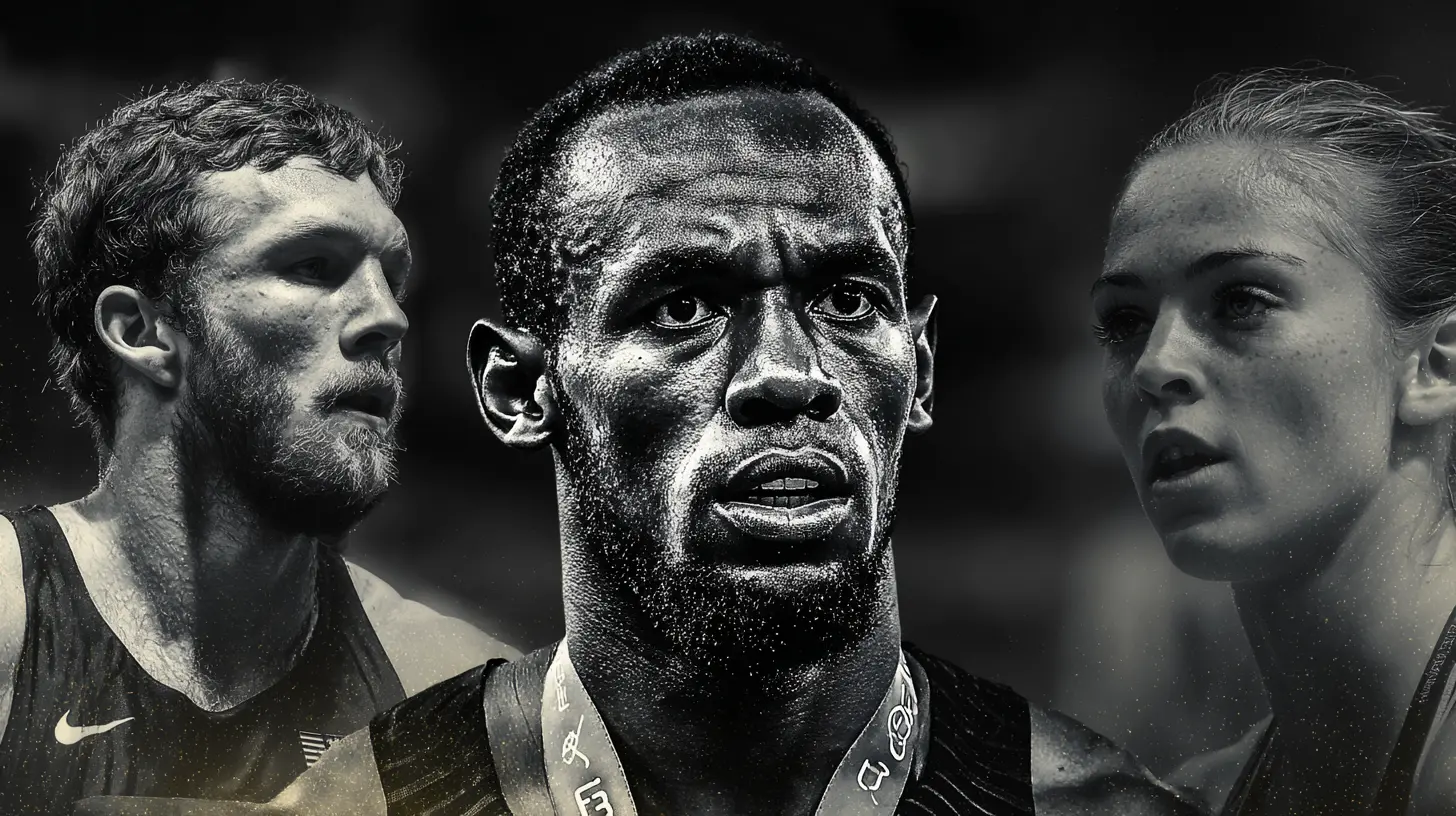
all images in this post were generated using AI tools
Category:
Professional AthletesAuthor:
Onyx Frye