The Hidden Benefits of Yoga for Track and Field Athletes
23 February 2026
Track and field athletes are known for their sheer speed, explosive strength, and endurance. Whether it's a sprinter exploding off the blocks, a long jumper soaring through the air, or a marathon runner pounding through mile after mile, these athletes are the definition of physical performance. But what if I told you that the secret weapon to leveling up in track and field doesn't always lie in the gym or on the track—but on the yoga mat?
Yep, you read that right. Yoga might seem like a slow, stretchy routine more suited for zen-seeking yogis than competitive runners or jumpers. But here’s the twist: yoga has a ton of hidden benefits that can dramatically improve how you train, recover, and compete.
In this article, we’re pulling back the curtain on how yoga can be a game-changer for track and field athletes. Whether you’re a sprinter, hurdler, thrower, or middle-distance runner, yoga has something powerful to offer you.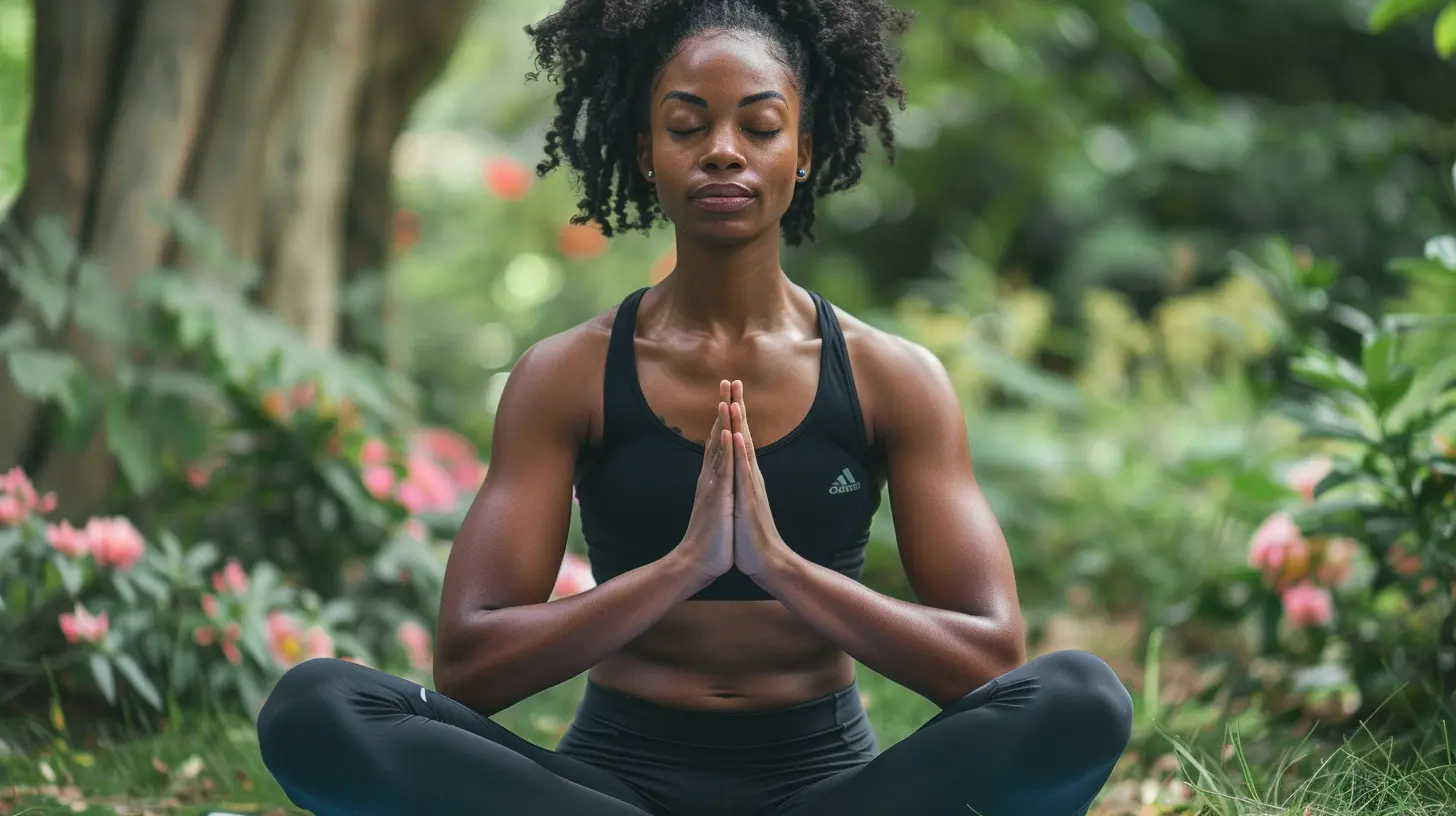
Why Track and Field Athletes Should Bother with Yoga
Let’s face it—track and field is hard on the body. Every stride, jump, or throw puts stress on your muscles, joints, and tendons. Over time, this can lead to tightness, fatigue, or even injury. Enter yoga.Yoga addresses the stuff that’s often overlooked in traditional training—flexibility, breath control, balance, and mental focus. It's not just about touching your toes or humming in silence. It's about unlocking better movement, sharper awareness, and faster recovery.
Think of yoga as a performance enhancer that doesn’t come in a bottle.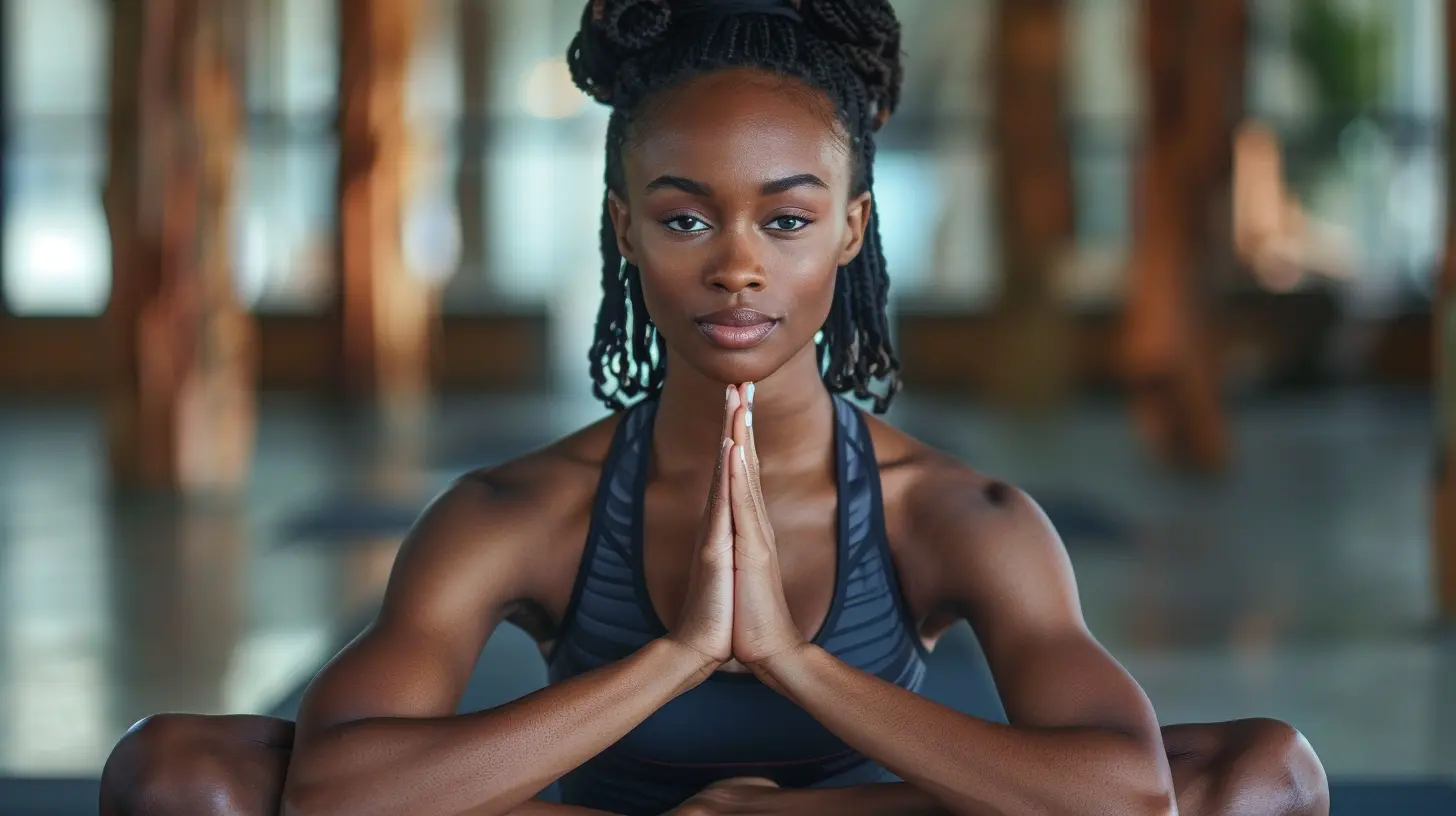
1. Improved Flexibility and Range of Motion
Let’s start with the obvious one—flexibility.Track and field events demand a great range of motion. Whether you’re sprinting, hurdling, or pole vaulting, your muscles are constantly being pushed to their limits. Tight hips, hamstrings, or shoulders can be the weak link that throws off your entire performance.
Yoga systematically stretches and lengthens muscles that are often neglected in standard workouts. It loosens up the tight spots that restrict your stride or make your knees ache after a long session.
Have you ever tried sprinting with tight hip flexors? It's like driving with the parking brake on. No bueno.
Flexibility Benefits for Specific Track Events:
- Sprinters: Enhanced hip mobility = longer, more powerful strides- Hurdlers: Greater range of motion in hips and hamstrings = smoother clearance over hurdles
- High Jumpers/Pole Vaulters: Flexible spine and shoulders = better arching and rotation
- Throwers: Looser shoulders and core = more torque and power in throws
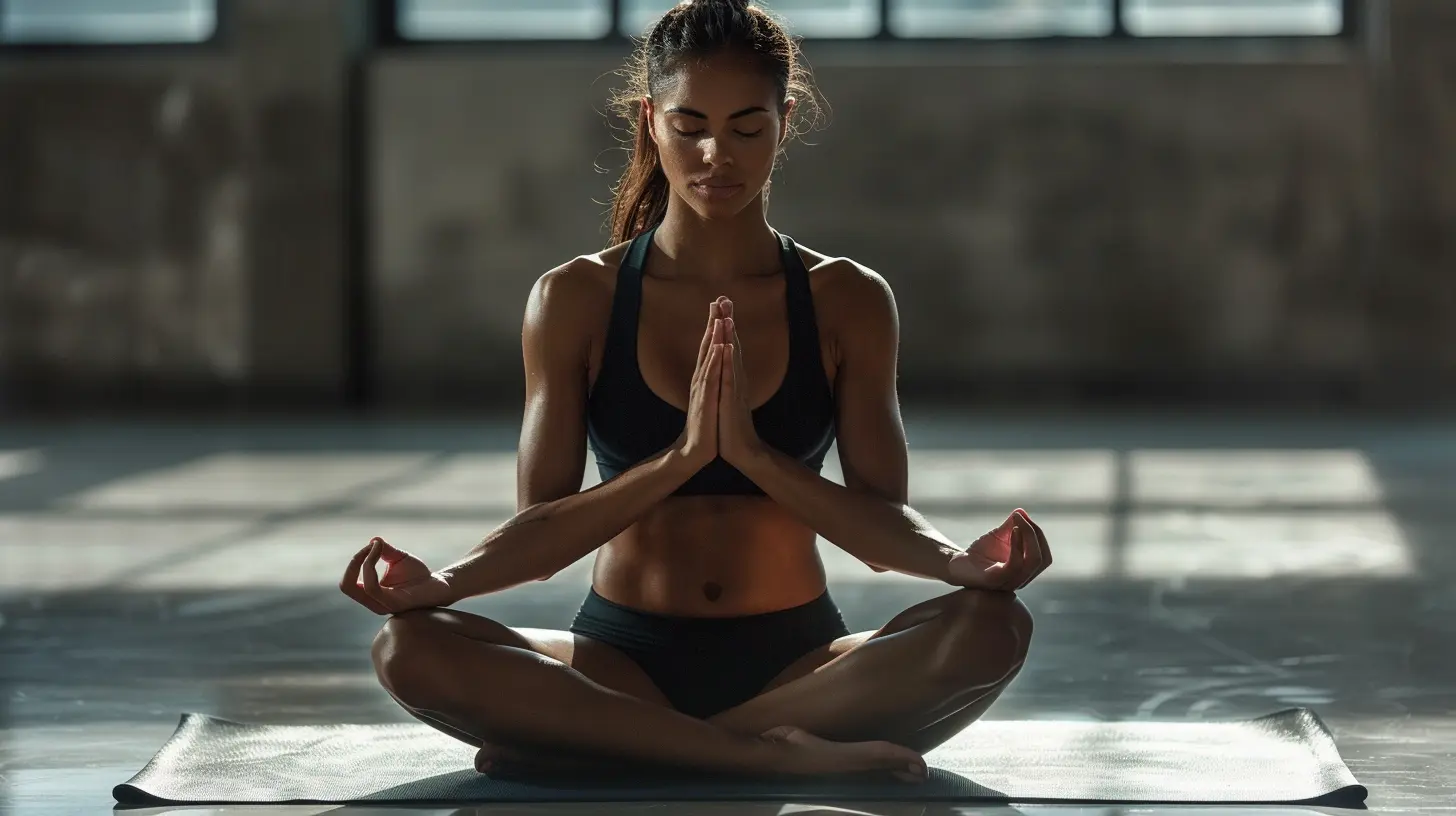
2. Injury Prevention (Your Body Will Thank You)
No track athlete wants to sit out mid-season with a pulled hamstring or stress fracture. But injuries are all too common thanks to repetitive motion and high-impact training.Yoga helps build the kind of balanced strength and mobility that makes injuries less likely. Most yoga poses engage multiple muscle groups at once, promoting symmetry and addressing muscle imbalances.
You know that one side of your body that’s always tighter than the other? Yoga fixes that. Over time, a more balanced body is a more injury-resistant one.
How Yoga Helps Prevent Injuries:
- Increases joint mobility and lubricates the joints- Strengthens stabilizer muscles that are often forgotten
- Improves posture and alignment, reducing the chance of overuse
- Promotes better proprioception (your body’s sense of positioning)
Yoga is like a tune-up for your body—it keeps all the working parts running smoothly.
3. Core Strength That Translates to Performance
Sure, you crunch and plank your way through ab workouts every week. But yoga delivers a next-level core challenge that works your stabilizing muscles in a functional, explosive way.Almost every yoga pose engages the core—even the ones that don’t seem like ab workouts. Balancing poses, twists, and planks build deep core strength that supports your spine and improves your posture.
Let’s be honest—everything in track and field starts with a solid core. From take-off to landing, your core is the control center. A stable core leads to better balance, quicker transitions, and more powerful movement.
4. Mental Focus and Pre-Race Calm
Track and field isn’t just physical—it’s mental. You can’t explode off the starting line if your head isn’t in the race. That’s where the mindfulness side of yoga pays off big time.Yoga teaches athletes to focus on their breath, stay present in the moment, and control anxiety. Ever get those pre-race jitters that mess with your stomach? Or the mental fog that makes you miss your step in long jump? Yoga helps you calm the mental chaos and tune into your body.
By incorporating breathwork (pranayama) and meditation, yoga trains your mind to be as sharp as your body.
Mental Benefits of Yoga:
- Reduces performance anxiety and nerves- Boosts confidence through self-awareness
- Improves focus and concentration during competition
- Helps you bounce back mentally after a bad race or poor performance
Your body can be in top shape, but if your mind isn’t right, good luck smashing any records.
5. Faster Recovery and Reduced Muscle Soreness
Let’s talk DOMS—delayed onset muscle soreness. We’ve all been there the day after a brutal workout, barely able to walk up stairs.Yoga helps flush out lactic acid, improve circulation, and speed up recovery. Gentle flows and restorative poses are like a massage for your muscles. Plus, the deep breathing signals your nervous system to relax and repair.
Post-workout yoga sessions can reduce soreness, improve sleep quality, and get you back in action quicker.
Best Yoga Practices for Recovery:
- Gentle Yin Yoga sessions- Long-held stretches like pigeon pose, child’s pose, and legs-up-the-wall
- Slow flows focusing on breath and mobility
Treat yoga like active recovery—it’s low-impact but highly effective.
6. Better Balance and Coordination
Track and field athletes don’t just need raw power—they need control. Whether it’s sticking the landing after a jump or maintaining form at top speed, balance and coordination are everything.Yoga is full of balance-driven poses that sharpen neuromuscular connections. These poses train your body to stabilize under pressure, improving your mechanics and reducing the risk of falls or bad landings.
Over time, yoga can help you move more fluidly and efficiently. And when you’re in a sport where milliseconds matter, that’s a big deal.
7. A Tool for Longevity and Career Sustainability
Let’s be real—track and field is hell on the body. Athletes often peak young and retire in their 20s due to burnout or injury.But yoga can help extend your athletic career by keeping your joints happy, your muscles supple, and your mind energized. Many pro athletes—think Allyson Felix, Usain Bolt, and Novak Djokovic—have turned to yoga not just for performance, but for longevity.
Adding yoga to your weekly training can help you avoid the chronic issues that sideline so many athletes. Think of it as an investment in your future self.
How to Include Yoga in Your Training Routine
You don’t have to ditch your regular workouts for yoga. Just sprinkle it in where it fits. Here’s how to make it part of your strategy without losing track-specific gains.Simple Ways to Integrate Yoga:
- 10-15 minutes post-workout: Pick 3-5 poses, hold each for 1-2 minutes- Recovery days: Do a 30-minute gentle or restorative flow
- Pre-race morning: Try a short energizing yoga flow to wake up the body
- Evening unwind: Relax with deep stretching and breathing before bed
The key is consistency. Even short sessions can have massive payoffs over time.
Bonus: Best Yoga Poses for Track and Field Athletes
Want to get started? Try these athlete-approved poses:- Downward-Facing Dog: Opens hamstrings, calves, and shoulders
- Pigeon Pose: Deep hip opener—hurdlers, this one's for you
- Low Lunge (Anjaneyasana): Stretches hip flexors and quads
- Reclining Twist: Releases the spine and aids digestion
- Plank to Side Plank: Builds core and shoulder stability
- Tree Pose: Trains balance and root stability
- Legs-Up-the-Wall: Recovery and lymphatic drainage
Mix and match based on your needs and how your body feels.
Final Thoughts
So, is yoga just for flexible hippies and wellness influencers? Heck no.For track and field athletes, yoga is a secret weapon hiding in plain sight. It boosts flexibility, prevents injuries, sharpens the mind, and accelerates recovery—all things that can help you chase down a PR or finally break through that plateau.
In a sport where every second counts, don’t overlook a tool that can give you the edge without adding wear and tear. Grab a mat, breathe deep, and let yoga do its magic—your body (and race times) will thank you.
all images in this post were generated using AI tools
Category:
AthleticsAuthor:

Onyx Frye
Discussion
rate this article
2 comments
Trinity Sharp
Who knew downward dog could turn into a gold medal position? Forget just running—now we can stretch our way to victory! Next up: the 100m ‘Zen’ sprint. Namaste and fast times!
March 12, 2026 at 4:25 AM
Onyx Frye
Absolutely! Yoga enhances flexibility and focus, giving athletes a competitive edge. Who wouldn't want to stretch their way to success? Namaste!
Viva Monroe
“Who knew downward dog could help you sprint faster? Next time you see a runner doing yoga, don’t worry—they’re not confused, just training to outrun the competition and achieve inner peace simultaneously!”
February 25, 2026 at 4:26 AM
Onyx Frye
Thanks for the insightful comment! It's true—yoga offers both physical and mental advantages that can enhance running performance.