The Evolution of Defensive Strategies in Pro Sports
21 January 2026
When you think about pro sports, defense probably isn’t the first thing that comes to mind. We’re usually drawn to the highlight-reel goals, jaw-dropping slam dunks, or last-second touchdowns. But here’s the deal—behind every championship team, there's a rock-solid defense that’s just as entertaining and crucial as any offensive fireworks.
From the grind-it-out days of old-school football to the lightning-fast switches in today’s NBA, defensive strategies have come a long way. And frankly, they’ve evolved in some wild and fascinating ways. So, let’s dig into how defense in pro sports has changed over time—and why those changes matter.
Defense: Then vs. Now
The Early Days: Muscle Over Mind
Back in the day, defense in most sports was pretty straightforward. Think brute strength, man-on-man coverage, and just plain hustle. Whether it was a linebacker trying to simply overpower a running back, or an NBA center parking himself under the rim waiting for a block, early defenses were all about physical dominance.There wasn’t much in the way of analytics, film breakdown, or sophisticated schemes. Coaches relied on grit and instinct more than anything. Trust me, watching some of those old-school games looks more like a brawl than a chess match!
The Shift to Strategy and Smarts
Fast-forward a few decades, and it's a whole different ball game—literally.Modern defense is way more than just stopping your man. It’s about anticipation, communication, and most importantly, adaptation. Today’s defensive schemes are built on data, film study, and precise execution. Players now need to be students of the game, not just athletes.
Let’s break down how that evolution has unfolded across some of the major pro sports.
Football: From Smashmouth Defense to Complex Schemes
Ground-and-Pound to Aerial Assault
The biggest shift in football? The passing game. Quarterbacks today are tossing the ball all over the field, and defenses have had to adjust big-time.In the old days, defensive coordinators focused on stuffing the run. Think eight-man boxes and crashing defensive lines. But once offenses started spreading the field with four or five receivers, defenders had to evolve from thumpers to thinkers.
The Rise of the Hybrid Defender
Enter the hybrid defender. These are guys who can do it all—cover tight ends, chase down running backs, and put pressure on the quarterback. Linebacker-safety hybrids are now the norm, not the exception.And don’t even get me started on the playbooks. Defensive schemes today look like something out of a calculus textbook. Zone blitzes, disguised coverages, nickel and dime packages—it’s a mental game just as much as a physical one.
The Role of Analytics
Football has fully embraced analytics. Defensive coordinators use data to identify offensive tendencies, preferred formations, and even quarterback eye movement. And trust me, that data gives defenses a serious edge.
Basketball: From Man-to-Man to Switch Everything
The Classic Man-to-Man and Zone Defense
Back in the ‘80s and ‘90s, NBA teams were all about that physical man-to-man defense. Picture Dennis Rodman or Gary Payton—those guys prided themselves on locking up their man.Zone defenses were less common and, in some cases, even illegal. But as the game evolved, so did the rules and strategies.
The Golden State Effect
When the Golden State Warriors started lighting up the court with pace-and-space offense and countless three-pointers, everyone else had to rethink defense. Switching on every screen became the new norm.Now you’re seeing teams stick to the “switch everything” mantra. That means defenders are trained to guard multiple positions. Big men are stepping out to the three-point line, while guards are battling in the post.
Defensive Versatility Is Key
Modern NBA defense is about versatility. Players like Draymond Green or Bam Adebayo can guard almost anyone on the floor. And coaches are drawing up schemes that emphasize help defense, rotations, and elite communication.It’s not just about locking down your assignment—it’s about being ready for anything.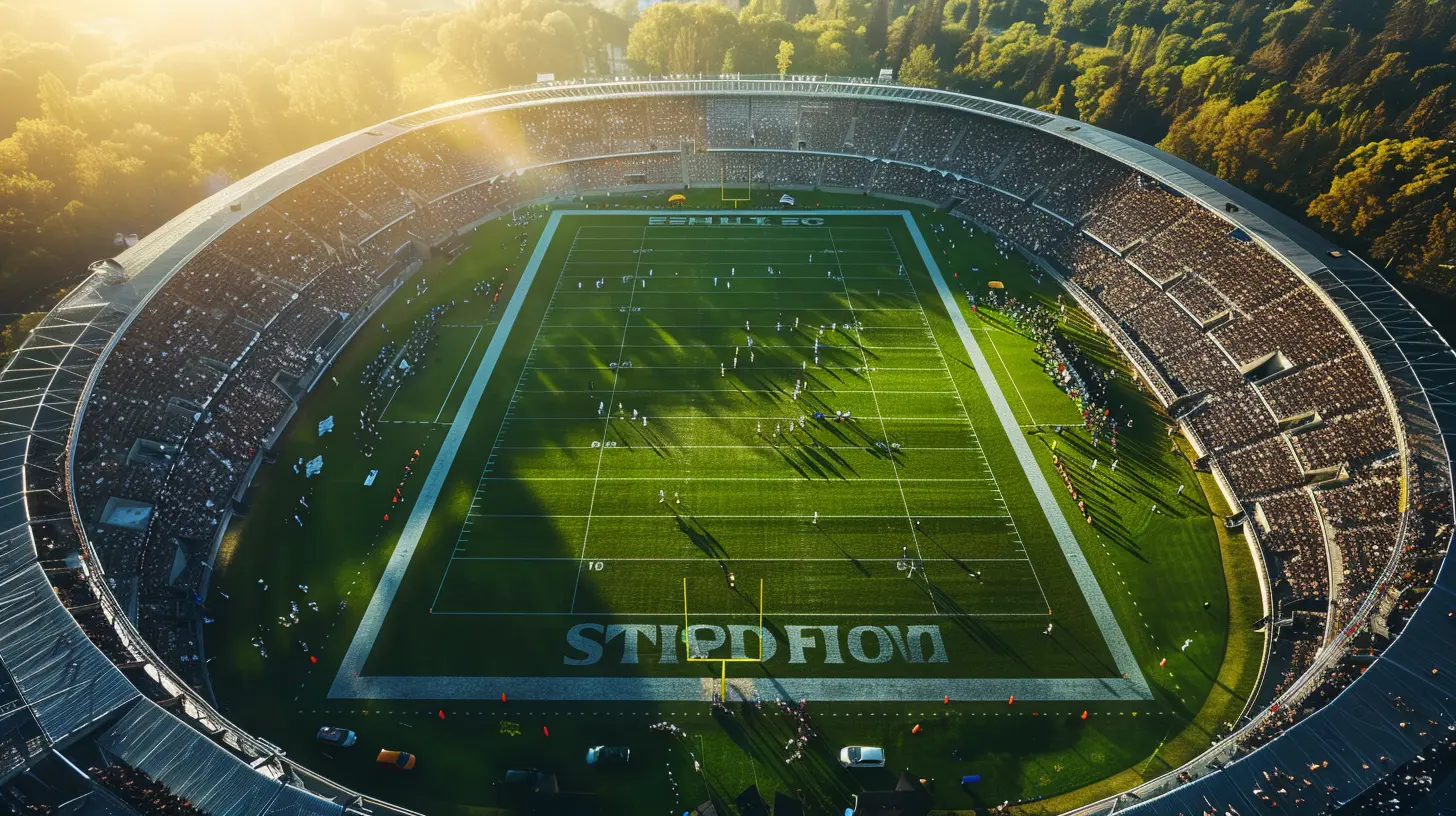
Baseball: Defensive Shifts and Sabermetrics
Traditional Positions? Not Anymore
Remember when the shortstop always played... well, shortstop? Yeah, those days are fading fast.With the rise of sabermetrics, baseball teams now position fielders where the ball is most likely to be hit, not where tradition says they should be. That’s why you’ll see three infielders on one side or an outfielder playing shallow right.
The Defensive Shift Era
The shift has become a staple of modern MLB defense. Teams analyze spray charts and tendencies to move players accordingly. It’s like playing chess with nine pieces on the field.This change has completely altered how batters approach at-bats. Some even try to bunt just to beat the shift—something almost unheard of a decade ago.
Ban the Shift?
Interestingly, MLB is considering rules to limit defensive shifts, arguing they reduce offensive excitement. It's a fascinating debate—should defense be penalized for just being smart?Hockey: Goaltending and the Trap
The Dominance of Goaltending
In the NHL, one of the biggest evolutions has been the role of the goalie. Modern goalies are absolute monsters in net—not just big in size but in technique. They study shooters, angles, and tendencies in insane detail.With butterfly styles and quick reflexes, goalies have turned defense into both an art and science.
The Neutral Zone Trap
Remember the New Jersey Devils of the late ‘90s? Their neutral zone trap basically suffocated offenses. It was effective, but let’s be honest—it made games kind of boring.Today, teams still use variations of the trap, but the emphasis has shifted to speed and transition defense. You've got defensemen acting like fourth forwards and forwards hustling back to block shots and clog lanes.
Defense in hockey is now a full-team job, not just the blue-liners standing guard.
Soccer: High Pressing and Tactical Mastery
From Catenaccio to Gegenpressing
In soccer, defense used to be about parking the bus—shutting down all holes, standing tall, and hoping to sneak a goal on a counter.That style—famously known as “Catenaccio” (Italian for “door-bolt”)—was dominant for years.
But nowadays, you’re seeing a trend toward proactive defense. Teams like Liverpool under Jürgen Klopp have popularized "Gegenpressing"—a high-pressure, attack-while-defending philosophy.
Team Defense Is the Norm
Modern teams defend as a unit. That means forwards pressing defenders, midfielders blocking lanes, and goalkeepers acting as sweepers. Everyone has a role in defense, not just the back four.It’s no longer about sitting back—it’s about staying active, pressing high, and forcing turnovers. And honestly? It’s way more fun to watch.
What’s Fueling These Changes?
The Speed of the Game
Athletes today are bigger, faster, and stronger. That means you can’t rely on old-school methods. Defensive strategies had to evolve to keep up with the speed and creativity of modern offenses.Technology and Data
We live in a world of information overload—in sports, that’s a good thing. Teams now track every movement, every play, every tendency. It’s like having a cheat sheet for every game.Video analysis, GPS trackers, and AI-based scouting all contribute to fine-tuning defensive tactics.
Rule Changes
Let’s not forget the rulebook. In almost every sport, the rules have changed to favor offense. That means defenders have had to get smarter and more creative to stay relevant.The Bottom Line: Defense Still Wins Championships
You’ve heard the saying a million times—“Defense wins championships.” And guess what? It still holds true.Offense sells tickets, but defense seals the deal. The dynasties we remember—whether it's the '85 Bears, the Spurs, or the Patriots—all had one thing in common: lockdown D.
Sure, the strategies have changed. We’ve moved from brute force to brainpower. From man-to-man to data-driven, adaptive schemes. But at its core, defense is about heart, hustle, and outsmarting your opponent.
So next time you’re watching your favorite team, take a moment to appreciate the effort it takes to shut down a high-powered offense. It’s a game of chess—and the defensive side is playing it beautifully.
Final Thoughts
The evolution of defensive strategies in pro sports is a testament to how dynamic and intelligent the games we love have become. As offenses have gotten flashier, defenses have sharpened their edges, using everything from technology to psychology to stay one step ahead.And while the rules might favor the scoring highlights, those clutch defensive stands—when the game’s on the line and everything’s at stake? That’s what real fans live for.
So whether you're team offense or a die-hard defensive junkie, one thing’s clear: defense isn't just part of the game—it is the game.
all images in this post were generated using AI tools
Category:
Professional SportsAuthor:

Onyx Frye
Discussion
rate this article
2 comments
Rina Barker
Great insights! Love seeing how strategies evolve.
February 16, 2026 at 3:45 AM
Onyx Frye
Thank you! I appreciate your feedback and am glad you enjoyed the article!
Colette Myers
Defense wins championships, period.
January 21, 2026 at 12:43 PM
Onyx Frye
Absolutely! Defense has always been a critical component in sports success, and evolving strategies continue to shape how teams compete for championships.