The Economics of Professional Sports: A Look Behind the Numbers
20 June 2026
Professional sports may seem like just a game, but behind the thrilling matches, passionate fans, and legendary athletes, there’s a billion-dollar industry at play. From television deals and sponsorships to player salaries and ticket sales, the economics of professional sports dictate how leagues operate, how teams stay afloat, and even how athletes build their wealth.
But what exactly makes sports such a lucrative business? And where does all the money come from? Let’s dive into the numbers behind professional sports and uncover the financial engine that keeps this industry running.
The Big Business of Professional Sports
Sports leagues today are more than just collections of teams competing for trophies. They function as massive corporations that generate revenue from multiple streams, with billion-dollar valuations and global audiences.Revenue Streams: Where the Money Comes From
Revenue in professional sports flows from several key sources, each contributing to the financial powerhouse that these leagues have become.1. Media Rights and Broadcasting Deals
Ever wondered why TV networks pay billions of dollars for the rights to broadcast live sports? The answer is simple—sports draw huge audiences.- Major leagues like the NFL, NBA, and English Premier League sign multi-billion-dollar deals with television networks and streaming platforms.
- Networks profit through advertisements, as advertisers are willing to pay a premium to reach millions of engaged viewers.
- Streaming services like Amazon Prime, ESPN+, and DAZN are now entering the game, pushing the value of media rights even higher.
The competition for exclusive broadcasting rights has turned live sports into one of the most valuable assets in entertainment.
2. Sponsorships and Endorsements
Think about the logos you see on jerseys, stadium billboards, and even post-match interviews—those aren't just decorations, they’re major revenue generators.- Companies pay millions to have their brands associated with top teams and athletes.
- Global brands like Nike, Adidas, and Coca-Cola invest heavily in sponsorships to keep their products in the spotlight.
- Athletes like LeBron James and Lionel Messi make more from endorsements than they do from their actual salaries.
Sponsors are willing to invest huge amounts because sports offer something that few other advertising platforms can—real-time engagement with passionate consumers.
3. Ticket Sales and Merchandising
Even with the rise of TV and digital streaming, ticket sales remain a crucial source of revenue.- Fans pay hefty prices to watch their favorite teams live, with premium seating and VIP experiences bringing in even more cash.
- Merchandise such as jerseys, hats, and memorabilia bring in millions, allowing fans to show their loyalty while directly supporting teams.
A full stadium not only boosts a team’s morale but also its finances, making ticket sales an essential part of the economic structure.
4. Betting and Fantasy Sports
Sports betting has exploded in popularity, especially with the legalization of online gambling in various countries.- Betting companies partner with leagues and teams, creating additional sponsorship opportunities.
- Fantasy sports platforms like DraftKings and FanDuel make money through entry fees and subscriptions, keeping fans more engaged than ever.
The integration of betting into sports entertainment means that fans don’t just watch the game—they have a financial stake in the outcomes.
The Cost of Running a Professional Sports Team
As much as teams make money, they also have enormous expenses. Ever wondered why ticket prices and player salaries are so high? Let’s break it down.1. Player Salaries and Contracts
The most obvious expense for any team is paying the players.- Superstar athletes command massive contracts—think of Patrick Mahomes’ $450 million deal or Messi’s earnings at PSG.
- Salaries aren't just about rewarding talent; they help teams stay competitive in attracting top players.
- Many leagues have salary caps (like the NFL and NBA) to maintain competitive balance, but this doesn’t stop teams from spending big on bonuses and incentives.
2. Stadium Costs and Maintenance
Owning or leasing a stadium comes with steep costs.- Building a state-of-the-art stadium can cost billions of dollars.
- Regular maintenance, security, and staffing on game days are ongoing expenses.
- Some teams rely on public funding, sparking debates about whether taxpayers should foot the bill for privately owned franchises.
3. Travel and Logistics
With teams playing in different cities and even different countries, travel is a major expense.- Private team jets, five-star hotels, and world-class training facilities are necessary to keep players in peak condition.
- In global leagues like the Champions League or international tournaments like the World Cup, travel costs skyrocket.
4. Coaching and Support Staff
It takes more than just players to run a successful team.- Coaches, scouts, medical staff, analysts, and trainers all play a role.
- Some high-profile coaches make just as much as star players—Bill Belichick, for example, earns millions annually.
While these costs add up, they’re necessary for keeping teams competitive, ensuring player health, and ultimately maximizing profits.
Why Some Teams Struggle Financially
Not all teams are raking in profits. While some franchises are worth billions, others struggle to stay afloat. Here’s why:1. Market Size and Fan Base
Teams in major cities—like the New York Yankees or Los Angeles Lakers—naturally have bigger revenue potential than teams in small markets.- A larger fan base means more ticket sales, merchandise purchases, and TV viewers.
- Smaller-market teams often rely on revenue-sharing agreements within leagues to stay competitive.
2. Poor Management and Bad Investments
Some teams suffer due to poor financial decisions.- Overspending on player contracts without seeing results can be disastrous.
- Failed sponsorship deals, bad stadium investments, or mismanaged budgets can push teams into debt.
3. Performance and Success
Winning teams make more money—simple as that.- Success leads to higher ticket sales, more merchandise purchases, and better sponsorship deals.
- Struggling teams risk losing fans, advertisers, and even TV time.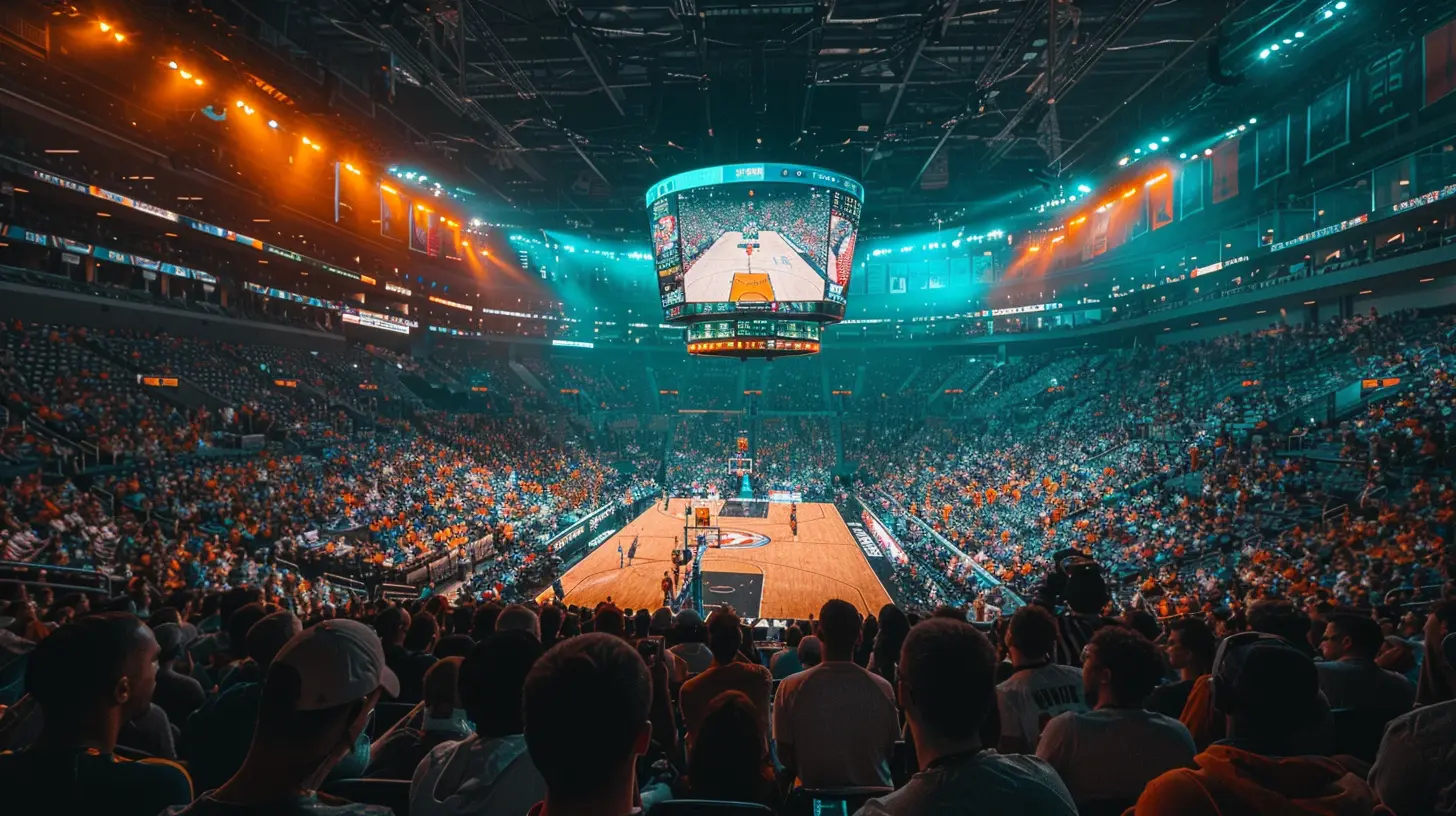
The Role of Fans in the Sports Economy
At the heart of all this money are the fans. Without them, there’s no revenue, no sponsorships, and no billion-dollar deals.1. Fan Engagement Drives Revenue
Fans don’t just watch games—they buy jerseys, tune into broadcasts, bet on outcomes, and attend matches, all of which fuel the industry.2. Social Media’s Impact
The digital age has changed fan engagement.- Social media platforms like Twitter, Instagram, and TikTok allow fans to interact with teams and players directly.
- The more followers a team or athlete has, the more valuable they are to advertisers and sponsors.
3. The Power of Loyalty
Sports loyalty is unique—fans stick with their teams through wins and losses. This emotional investment is what keeps the industry thriving year after year.Final Thoughts: More Than Just a Game
At its core, professional sports is about passion, competition, and entertainment. But behind the scenes, it’s a finely tuned financial machine that relies on careful investments, strategic marketing, and fan engagement to thrive.From television deals and sponsorships to massive player salaries and billion-dollar stadiums, the economics of professional sports show just how deep the financial stakes run. It’s a high-risk, high-reward game—one as thrilling as the action on the field.
So next time you watch your favorite team play, remember: every goal, touchdown, or basket isn’t just a moment of excitement. It’s a moment that fuels a massive global industry.
all images in this post were generated using AI tools
Category:
Professional SportsAuthor:

Onyx Frye
Discussion
rate this article
1 comments
Marissa Lozano
Great insights! Sports and numbers really tell a wild story.
June 22, 2026 at 4:31 AM
Onyx Frye
Thanks! I'm glad you found it interesting. The numbers do reveal some fascinating trends in sports.