The Importance of Diversity and Inclusion in Professional Sports
22 January 2026
Alright, let’s talk sports—and not just how fast someone can sprint or how far they can launch a ball. Nah, we’re going deeper. Let’s talk about what really keeps the heart of sports beating strong in the 21st century: diversity and inclusion.
Don’t click away! I promise this isn’t some boring corporate seminar in disguise. We’re talking fast-paced, end-zone-dancing, slam-dunking, underdog-winning realness. So grab your favorite jersey, kick back, and let’s dive into why diversity and inclusion are as vital to sports as water is to a marathon runner.
What Do We Mean by Diversity and Inclusion Anyway?
Okay, first things first. What are we even talking about here?- Diversity: It's all about representation. Different races, genders, sexual orientations, nationalities, religions, abilities—you name it. If people come in all shapes and shades, then sports should too.
- Inclusion: This is where things get cozy. Inclusion means everyone, regardless of background, feels welcome and valued. Not just tolerated, but fully embraced like a touchdown celebration dance.
So, just to be clear: diversity is being invited to the game, and inclusion is actually getting some playing time.
Why Should We Care About Diversity in Professional Sports?
You might be thinking, “Well, isn’t sports already pretty diverse? I mean, have you seen an NBA roster lately?”Sure, on the surface, some leagues have racial diversity covered. But that’s just the tip of the iceberg. True diversity digs deeper—it’s about who’s coaching, who’s managing, who’s calling the shots at the boardroom table, and yes, who’s getting media coverage.
But let’s get into the real reasons diversity and inclusion should matter to everyone—even if your sports knowledge stops at remembering Space Jam.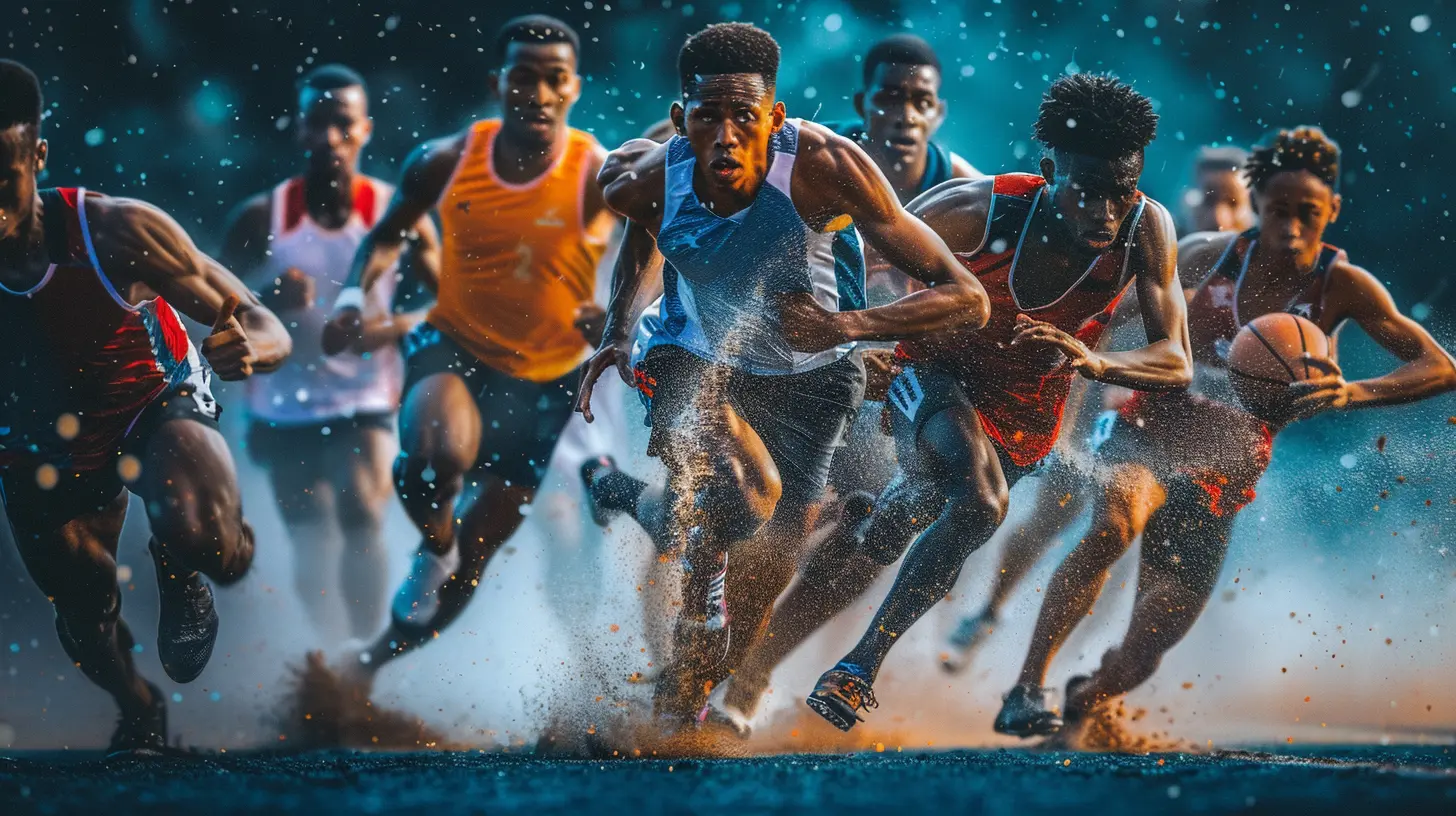
1. Talent Comes from Everywhere
Let’s just state the obvious: talent doesn't care what zip code you were born in.Think of sports like a treasure hunt. If you only search in one sandbox, you’re gonna miss out on some serious buried treasure. There are incredible athletes out there in neighborhoods you've never heard of, countries you can’t spell, and communities that haven’t had the chance to shine. By embracing diversity, we’re basically casting a wider net, and in the world of sports, that’s how you catch once-in-a-generation greatness.
Remember Jeremy Lin’s "Linsanity"? Or Simone Biles flipping the definition of gravity? These aren't accidents—they're proof that talent is universal, but opportunity isn’t. Not yet, anyway.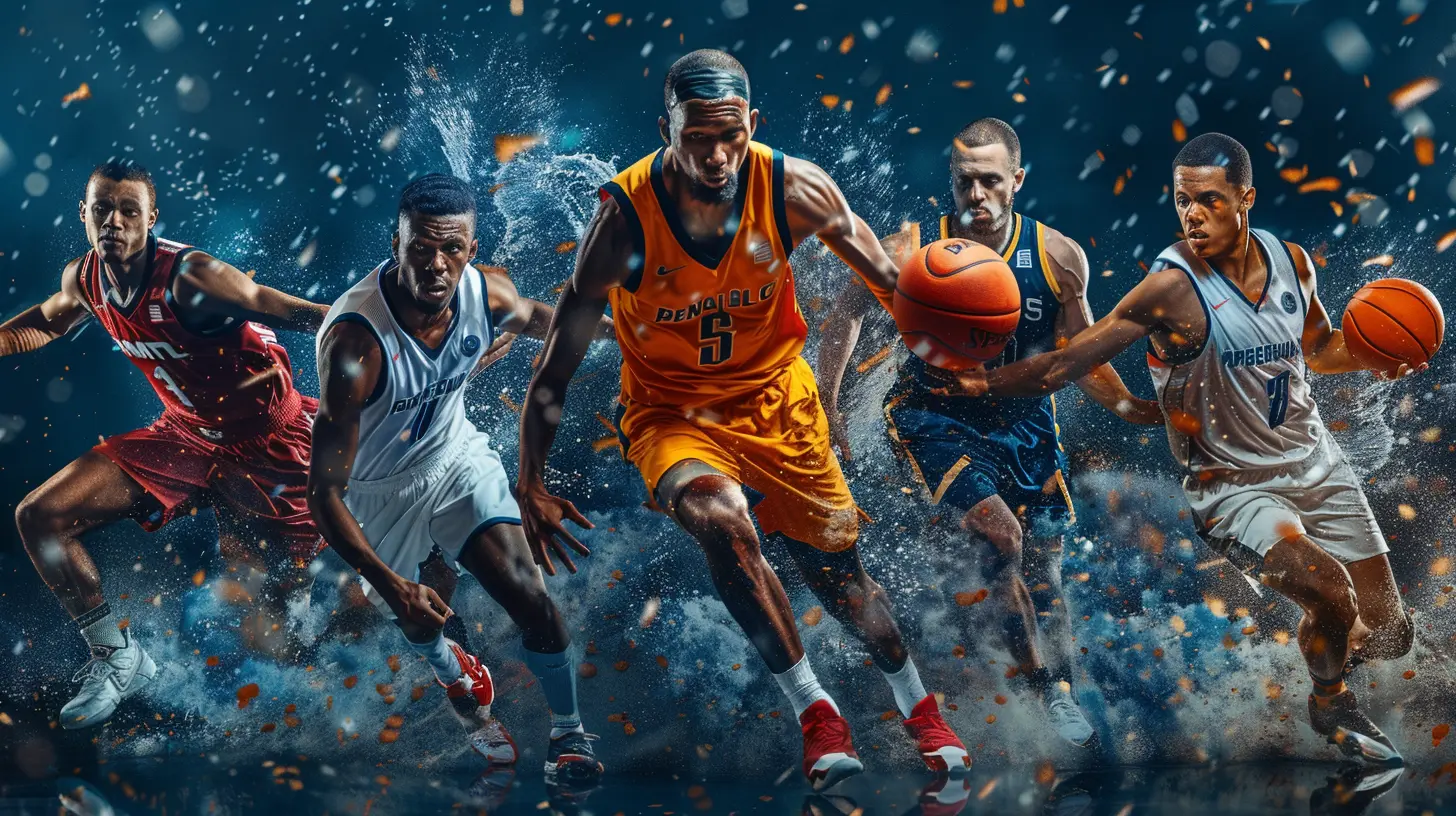
2. Inclusion Builds Stronger Teams
Here’s the deal: diverse teams are stronger. Not just in the “we have a killer offense” kind of way, but in communication, creativity, and resilience.Teams that bring different perspectives to the table are like stews with a bunch of killer ingredients. You’ve got spicy, sweet, savory—it all works together to make something better than the sum of its parts. That’s what inclusion does.
In fact, studies have shown that diverse teams perform better. That's not fluff—that's cold, hard stats. When different perspectives collide, magic happens. You get new strategies, smarter plays, and stronger locker room bonds.
3. Representation Matters—Big Time
Ever noticed how a kid lights up when they see someone like them scoring the game-winning goal? That’s no coincidence.Representation acts like a beacon. It tells aspiring athletes, “Hey, you belong here too.” When Serena Williams smashes a serve or when Jason Collins came out as the first openly gay NBA player, they weren’t just making athletic history—they were paving the way for the next generation.
If you can see it, you can be it. It’s cheesy, sure—but it’s true.
4. Inclusive Sports = Bigger, More Passionate Fanbases
Let’s be real—sports is a business too. And you know what businesses like? Fans. Lots of fans.A diverse and inclusive league isn’t just the right thing to do; it’s smart marketing. When fans see themselves reflected in the players, the coaches, even the commentators, they connect more deeply. That means more jerseys sold, more streams watched, and more nachos eaten at the stadium. Everyone wins.
You ever try selling hockey to someone who’s never seen snow? Tough gig. But show that person a player who looks like them, who came from their background, and suddenly—bam! New lifelong fan.
5. Shaking Up the System Keeps It Honest
Let’s get a little spicy here. The sports world hasn’t always been a beacon of equality. Just look at the history—segregated leagues, pay disparities, lack of opportunities for women and minorities. It’s not ancient history either. A lot of that nonsense still lingers like that one smelly gym sock at the bottom of your bag.Diversity and inclusion challenge the system to be better. They push leagues to examine their own biases, policies, and hiring practices. It’s like cleaning out your fridge—you gotta deal with the old leftovers if you want room for something fresh.
Real Talk: The Challenges Still Out There
Alright, I won’t sugarcoat it—pursuing diversity and inclusion in sports isn’t always a walk in the park (or a jog on the track). There are still a few stubborn hurdles in the race:a. Unconscious Bias
Even with the best intentions, people carry biases they don’t even realize. That’s why the same resumes with “Jordan” get more callbacks than “Jamal”—even if the stats are identical.b. Lack of Access
In some communities, kids don’t even have safe fields to play on, let alone access to training, gear, or coaching. How’s that fair?c. The Old Boys’ Club
Some coaching and executive positions are still locked tighter than a Super Bowl defense. It’s slowly changing, but we’ve got a ways to go.What’s Being Done About It?
Luckily, not all hope is lost. A lot of leagues and organizations are taking big swings to promote diversity and inclusion. Here are a few MVP moves:- Rooney Rule (NFL)
This requires teams to interview minority candidates for head coaching and senior football operations jobs. It’s not perfect, but it’s a step.- WNBA Advocacy
The WNBA has been a powerhouse in social justice and inclusion, speaking up on issues ranging from racial inequality to LGBTQ+ rights. That’s a slam dunk for representation.- International Recruitment Programs
Many leagues are hunting for talent worldwide, opening doors and building bridges across borders. More soccer stars from Africa, more baseball players from Asia—you love to see it.How Fans (Yeah, That’s You!) Can Make a Difference
Think you’re just a spectator? Think again.1. Support Inclusive Teams and Players
Buy that jersey. Stream that game. Stand up for players who are advocating for change.2. Speak Up When You See Injustice
Whether it’s online or in the stands, call out racism, homophobia, or sexism when you see it. Don’t just let it slide like a missed free throw.3. Educate Yourself
Follow athletes and advocates who know what they’re talking about. Listen to podcasts. Read articles. Stay informed. That knowledge? It’s power.The Future of Sports: More Unity, Less Division
Imagine a world where every kid, anywhere, can dream of going pro and actually has a fair shot. Where locker rooms aren’t just united by uniform color, but enriched by cultural variety. Where fans of all backgrounds pack the stadiums, not just to watch the game, but to share in something bigger—belonging.We’re not all the way there yet. But the strides being made are real—every inclusive hire, every bold athlete using their platform, every league policy aimed at equality—it all counts.
Final Whistle: Diversity Isn’t Just a Buzzword—It’s a Game-Changer
Look, diversity and inclusion aren’t just feel-good taglines that leagues slap on during Pride Month or Black History Month. They are essential for the growth and integrity of the game.Sports are supposed to bring us together. To bridge gaps. To remind us that no matter where we come from, we sweat the same, cheer the same, and sometimes scream at our TVs the same. And when everyone gets a seat at the table—or better yet, a spot on the roster—the game just gets better.
So next time you’re watching a game and see a lineup that looks like a mini United Nations, smile. That’s the future of sports—and it looks good.
all images in this post were generated using AI tools
Category:
Professional SportsAuthor:
Onyx Frye
Discussion
rate this article
2 comments
Deborah McKinstry
Great read! It’s inspiring to see the conversation around diversity and inclusion in sports grow. Embracing different backgrounds not only enriches teams but also strengthens communities. Here’s to more equitable opportunities in the game we all love! Keep the dialogue going!
February 14, 2026 at 3:58 AM
Onyx Frye
Thank you! I'm glad you found it inspiring. Let's continue to champion diversity and inclusion in sports together!
Rook McGrady
Great read! Celebrating diversity and inclusion in professional sports not only strengthens teams but enriches the entire community. Let's continue to support and promote a culture that values every athlete’s unique contribution!
January 24, 2026 at 4:21 AM
Onyx Frye
Thank you! I appreciate your support for diversity and inclusion in sports—it's vital for building stronger teams and communities. Let’s keep the conversation going!