The Best Reactions to Last-Minute Wins Across the League in 2027
24 October 2026
A buzzer-beater does not just change a scoreboard. It changes the emotional temperature of an entire building, and often an entire season. In 2027, the league has produced an unusually rich catalog of last-second finishes, and the reactions around them have become a study in how players, coaches, and fanbases process sudden, irreversible change. This article breaks down those reactions with an analytical eye: what made them work, what they revealed about the teams involved, and what anyone trying to understand or replicate that energy should take away.
The goal here is not to rank highlights. It is to explain why certain reactions to last-minute wins feel authentic and consequential while others feel staged or forgettable. That distinction matters more than ever, because in 2027 the reaction itself is part of the product. Cameras are everywhere, microphones pick up huddles, and social clips circulate within seconds. Understanding the anatomy of a great reaction is now a genuine competitive and cultural skill.
Why Last-Minute Wins Produce Such Extreme Reactions
The psychology of sudden resolution
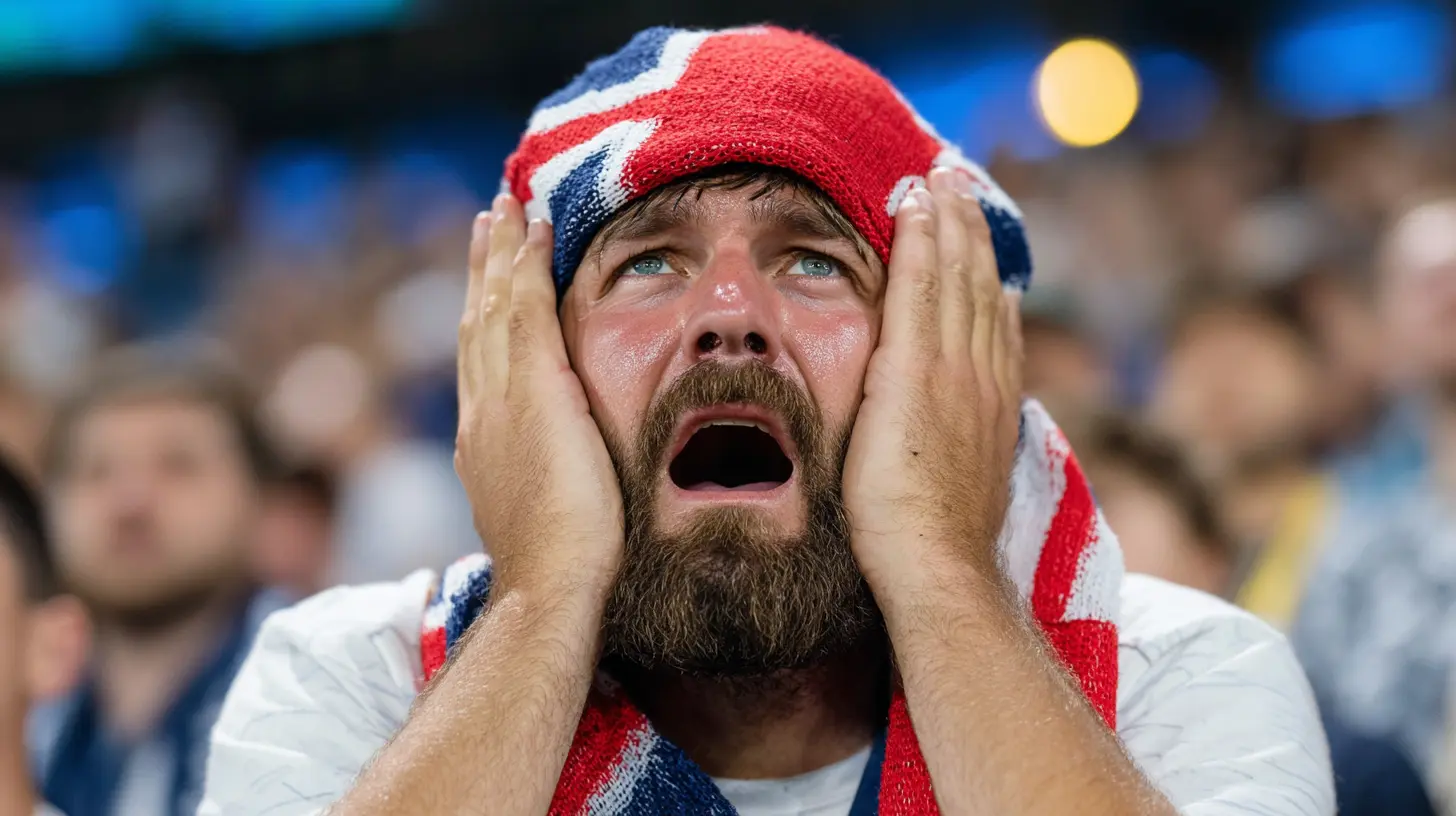
A game that is decided with 0.4 seconds left compresses months of tension into a single moment. Fans and players spend 47 minutes building a narrative, and then the narrative is rewritten in one possession. That abruptness is what produces the rawest reactions. There is no time to compose yourself, no garbage-time minutes to process the outcome. The brain goes from threat to relief, or from certainty to devastation, in less than a second.This is why reactions to buzzer-beaters look different from reactions to blowout wins. In a blowout, celebration is gradual and social. In a last-second win, celebration is explosive and often solitary for a split second before it becomes collective. Watch the bench on a game-winner: players freeze, then erupt. That freeze is the tell. It is the moment the brain catches up to reality.
The difference between relief and joy
Not all last-minute wins produce the same emotion. A team that trailed by 20 and stormed back feels joy. A team that led by 15, coughed up the lead, and survived feels relief. The reactions diverge sharply. Relief reactions are quieter, often marked by exhaling, hugging, and a coach staring at the floor before finally smiling. Joy reactions are loud and physical.Analysts and fans often misread this. A subdued reaction after a last-second win is not evidence that a team does not care. It is often evidence that the team knows it nearly gave the game away. Reading reactions correctly requires knowing the game script, not just the final score.

The Anatomy of an Authentic Reaction
Bench eruptions and the physics of collective joy
The bench reaction is the most reliable indicator of genuine emotion. Bench players have no personal stat line to protect in that moment. Their reaction is almost pure. In 2027, the best bench eruptions share three traits: they start before the shot goes in, they involve everyone including staff, and they produce at least one person who runs in the wrong direction.That last detail sounds like a joke, but it is diagnostic. Confusion is a hallmark of authenticity. Choreographed celebrations look clean. Real ones look chaotic.
The coach's tell
Coaches are paid to be composed, which makes their reactions the most revealing. A coach who pumps a fist and immediately checks the clock is a coach who has been here before. A coach who stands motionless for two seconds before reacting is processing disbelief. Neither is better. They simply signal different team cultures.The most instructive coach reactions in 2027 came from staffs that had clearly rehearsed late-game scenarios. Their first reaction after the make was not celebration but communication: who is back on defense, who is calling timeout, who is checking the foul situation. That discipline is worth studying because it shows how elite teams separate the emotional release from the operational next step.
Player reactions: the stare, the scream, the shrug
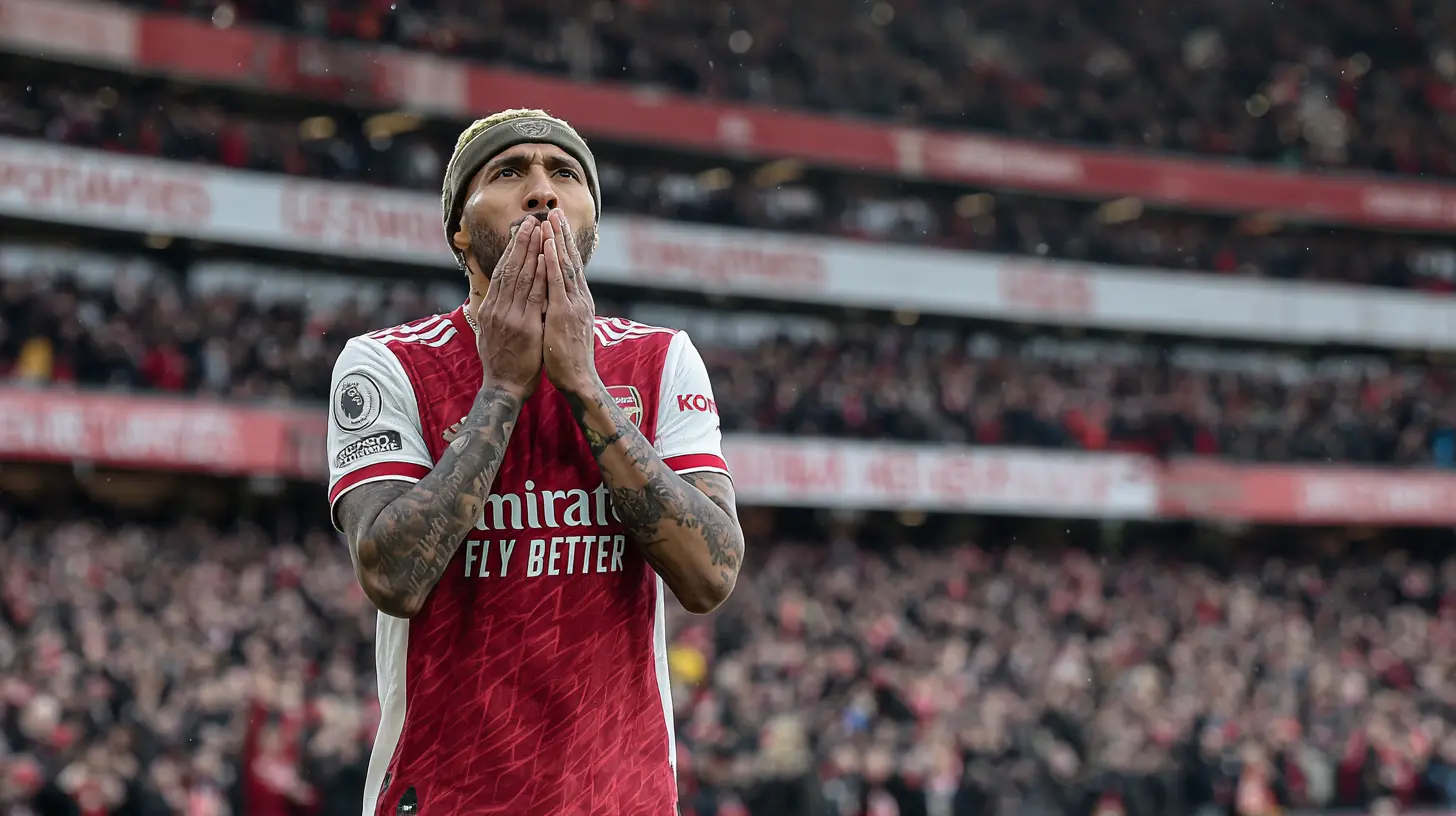
Players show three dominant reaction archetypes after a game-winner. The stare is a long, silent look at the crowd or the opposing bench, common among veterans who want to absorb the moment. The scream is a full-body release, common among younger players and role players who rarely get the spotlight. The shrug is the rarest and most interesting: a player who acts as if the outcome was inevitable.The shrug can read as arrogance, and sometimes it is. But more often it reflects a shooter's mental framework. Players who have trained to expect the ball to go in do not experience the make as a surprise. Their reaction is muted because their internal model already accounted for it. Whether that mindset is healthy depends on context. It works for confident shot-makers and backfires for players who need emotional engagement to stay locked in.
Team-Level Reactions That Defined 2027
The comeback teams
Several teams in 2027 built identities around fourth-quarter comebacks, and their reactions reflected it. These teams celebrated less like underdogs and more like people confirming a hypothesis. The body language said: we have done this before, and we expected to do it again. That is a dangerous mindset for opponents, because it signals a team that no longer panics when trailing.The trade-off is real. Teams that live on comebacks often develop bad habits early in games, coasting because they trust the late run. Their reactions after wins can mask structural problems. A celebration is not a diagnosis.
The front-runners who nearly lost
The most awkward reactions of the season came from teams that should have won comfortably. When a front-runner survives a last-second scare, the reaction is often a mix of relief and irritation. Players hug, then immediately look frustrated. Coaches praise the result while criticizing the process.This is a healthy reaction when it is genuine. It becomes a problem when it turns into public finger-pointing. The best teams in 2027 handled near-losses by keeping the frustration internal and the praise public. That is a practical lesson for any organization: the reaction after a narrow win sets the emotional tone for the next week.
The upset winners
When a heavy underdog hits a game-winner, the reaction is the purest form of the genre. There is no expectation management, no championship-or-bust calculus. There is just disbelief turning into joy. These reactions resonate because they are universally legible. You do not need to know the standings to understand them.The mistake analysts make is treating these reactions as mere color. They are actually signals about team culture. Underdogs that celebrate together, including the last man on the bench, tend to be teams that hold together through losing streaks. Underdogs whose celebrations center on one player tend to fracture when that player struggles.

Fan and Crowd Reactions: What Arenas Reveal
The delayed roar
The most underrated crowd reaction is the delayed roar. In arenas with poor sightlines or in moments when the shot hangs on the rim, the crowd noise arrives a half-second late. That delay is electric. It means thousands of people are all processing the same uncertainty at the same time.Broadcast producers in 2027 have gotten better at letting that delay breathe. Cutting immediately to a celebration can kill the moment. The best broadcasts hold the wide shot, let the sound build, and then cut to the reaction. That is a production choice worth understanding if you work in media or content.
The silence before the noise
The opposite reaction, the silence before the noise, is equally powerful. When a road team hits a game-winner, the home crowd goes silent first, then the visiting bench erupts. That contrast is the emotional engine of the highlight. It is also why home broadcasters often sound deflated even while describing a great play.For fans attending games, this is a practical tip: the reaction you remember is often the one you did not see on television. The bench, the opposing coach, the usher who stopped working to watch. Pay attention to the edges of the frame.
Social reactions and the compression problem
By 2027, social reactions have become part of the live experience. Clips circulate before the postgame press conference begins. The upside is immediacy. The downside is compression: a 48-minute game becomes a six-second clip, and the reaction becomes the story.This creates a subtle distortion. Players and coaches now know their reactions will be clipped. Some lean into it, producing celebrations designed for vertical video. Others deliberately stay flat to avoid becoming a meme. Neither approach is wrong, but both are forms of performance. When you evaluate a reaction, ask whether it was aimed at the moment or at the camera.
Common Mistakes in Reading Reactions
Mistaking volume for meaning
The loudest reaction is not always the most significant. A bench player who screams for ten seconds may be less invested than a veteran who quietly taps his chest and points at a teammate. Volume is easy to produce. Specificity is not.When you analyze reactions, look for specific gestures: a player finding a particular teammate, a coach grabbing an assistant, a trainer hugging the equipment manager. Those targeted behaviors reveal relationships, and relationships reveal culture.
Ignoring the losing side
The best reactions to last-minute wins are incomplete without the reaction of the team that lost. In 2027, the most compelling moments came from opposing benches that reacted with respect rather than frustration. A player who smiles and shakes his head after being beaten is telling you something about the shot, not just about himself.Ignoring the losing side also leads to bad analysis. A game-winner against a broken defensive rotation is a different event than a game-winner against a perfect contest. The reactions of the defenders tell you which one it was.
Overrating the postgame quote
Press conference reactions are the least reliable data points. Players and coaches have been media-trained. They know the right things to say. A quote like "we just kept believing" is not evidence of anything except media literacy.The reliable signals are the unguarded ones: the moment before the interview starts, the walk to the locker room, the interaction with family in the tunnel. Those are the reactions worth studying.
Practical Takeaways for Coaches, Analysts, and Content Teams
For coaches: build a reaction protocol
Late-game execution is usually rehearsed. Late-game reaction rarely is. That is a missed opportunity. A simple protocol helps: designate one staff member to manage the clock and foul situation immediately after a make, one to manage substitutions, and one to manage the emotional temperature of the huddle.The point is not to suppress emotion. The point is to make sure the emotional release does not cost you the next possession. Teams that separate celebration from operation tend to handle late-game chaos better over a season.
For analysts: separate process from outcome
A last-second win can hide a dozen bad decisions. A last-second loss can validate a dozen good ones. The discipline is to evaluate the process independently of the result. Did the team get a good shot? Was the defensive rotation correct? Did the coach have the right lineup on the floor?Reactions are useful evidence here. A team that celebrates a lucky win with genuine relief often knows it got away with something. A team that loses on a great shot but reacts with composure often knows it played well. Read the reaction, then verify with the film.
For content teams: resist the template
The temptation with last-minute wins is to produce the same package every time: the shot, the bench, the crowd, the interview. That template works, but it flattens the story. Better content finds the specific detail: the player who was not supposed to be on the floor, the assistant coach who called the play, the fan who has been coming to games since before the current roster was born.Specificity is what makes a reaction memorable. A generic celebration is forgotten by morning. A specific one becomes part of team lore.
When Reactions Become Team Identity
Over a season, reactions accumulate into identity. A team that consistently celebrates together becomes known as a team that celebrates together. A team that consistently reacts with irritation after wins becomes known as a team that is never satisfied. Both reputations have consequences in free agency, in trade talks, and in how opponents prepare.The 2027 season offered a useful natural experiment. Teams with public, joyful reactions tended to attract more positive attention and more favorable coverage. Teams with muted or contentious reactions tended to face more scrutiny. Neither pattern is proof of causation, but the correlation is worth noting for anyone building a culture.
The deeper point is that reactions are not just outputs. They are inputs. How a team reacts to a last-second win shapes how it reacts to the next one. Emotional patterns are self-reinforcing. That is why the best organizations treat celebration as something to be designed, not left to chance.
Final Thoughts: What Makes a Reaction Worth Remembering
The best reactions to last-minute wins in 2027 share a common thread. They were not the loudest, the most viral, or the most polished. They were the most specific. A player finding his brother in the third row. A coach hugging the assistant who drew up the play. A bench player who sprinted onto the floor before the ball went through the net.Those moments work because they are irreducible. You cannot script them, and you cannot fake them convincingly. They are the emotional proof that the game mattered.
For anyone studying the league, that is the real lesson of 2027. Last-minute wins are chaotic, and the reactions around them are the clearest window into what a team actually is. Watch the edges. Watch the losing bench. Watch the half-second before the noise. That is where the story lives.
all images in this post were generated using AI tools
Category:
Fan ReactionsAuthor:

Onyx Frye