The Hidden Logic Behind the NBA's Bonus Free Throws
19 August 2026
If you have ever watched an NBA game, you have probably seen it happen. The game is tight, the clock is winding down, and suddenly the referees send a player to the line for two shots even though the foul had nothing to do with a shot attempt. The announcer says, "They are in the bonus," and casual fans often nod along without fully understanding why that rule exists, how it changes the game, or why coaches make such strange decisions around it.
The bonus free throw situation is one of the most misunderstood and strategically dense parts of professional basketball. It is not just a penalty for too many fouls. It is a hidden switch that flips the entire game into a different mode. Once a team enters the bonus, every defensive mistake becomes twice as costly, and every offensive possession becomes a chance to manufacture points without running a single play. Understanding the logic behind the bonus is not just for referees or stat nerds. It is for anyone who wants to watch the game with sharper eyes and understand why coaches scream at their players to stop reaching.
What Exactly Is the Bonus?
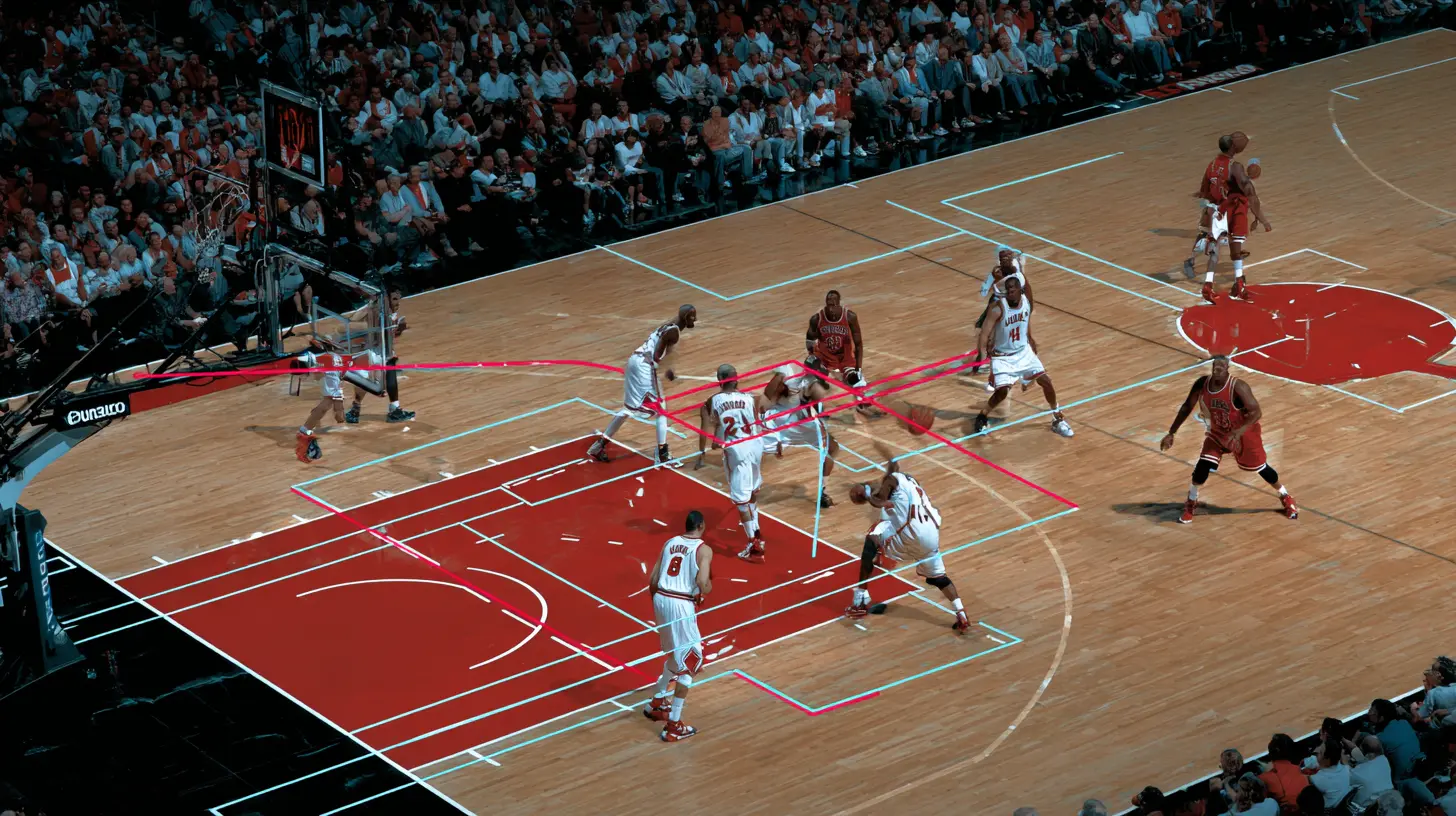
The bonus, also known as the penalty situation, kicks in when a team commits a certain number of team fouls in a single quarter. In the NBA, that number is five. Once a team commits its fifth team foul in a quarter, the opposing team is awarded two free throws on every subsequent non-shooting foul for the rest of that quarter. This is different from the first four fouls of the quarter, which usually result in the offended team simply taking the ball out of bounds.There is also a second layer called the "double bonus," which begins when a team commits its sixth foul or more in a quarter. In the double bonus, the opposing team gets two free throws plus possession of the ball in some cases, though in the NBA the possession rule is slightly different than in college basketball. In the NBA, the double bonus simply means two shots and the ball, but only if the foul is a loose ball foul or a personal foul away from the ball. In practice, the double bonus is just the same free throws but with the added advantage of keeping the ball, which is huge.
The key thing to remember is that the bonus resets after every quarter. The foul count does not carry over from the first quarter to the second. The only exception is overtime, where the bonus threshold is still five fouls, but the period is shorter, which makes the bonus arrive much faster relative to game time.
Why Does the Bonus Exist?
The bonus rule was not created to punish teams for being aggressive. It was created to prevent a specific kind of cheating. Think about what happens without a bonus. A team that is trailing late in a game could simply foul the other team every time they get the ball. If the foul just results in a sideline inbound, the defending team can reset their defense, stop the clock, and never let the offense get into a rhythm. That would be a legal way to stall, and it would make the end of games completely unwatchable.The bonus forces teams to pay a price for fouling. That price is free throws, which are the highest percentage shot in the game. By making the fifth foul and beyond cost two points, the league makes it irrational to foul constantly. But the logic goes deeper than that. The bonus also rewards offensive teams for attacking the basket. If a team drives into the paint and draws contact, they are not just trying to score. They are also trying to push the opponent closer to the bonus threshold. Once the opponent hits five fouls, every subsequent defensive mistake becomes a gift of free points.
This creates a hidden economy of possessions. Smart teams do not just look at the scoreboard. They look at the foul count. They know that if they can get the opponent to five fouls before the halfway point of the quarter, they have effectively changed the value of every defensive possession. The opponent will have to play softer defense, avoid reaching, and give up easier looks at the rim just to avoid sending the other team to the line.
The Strategic Shift When the Bonus Arrives
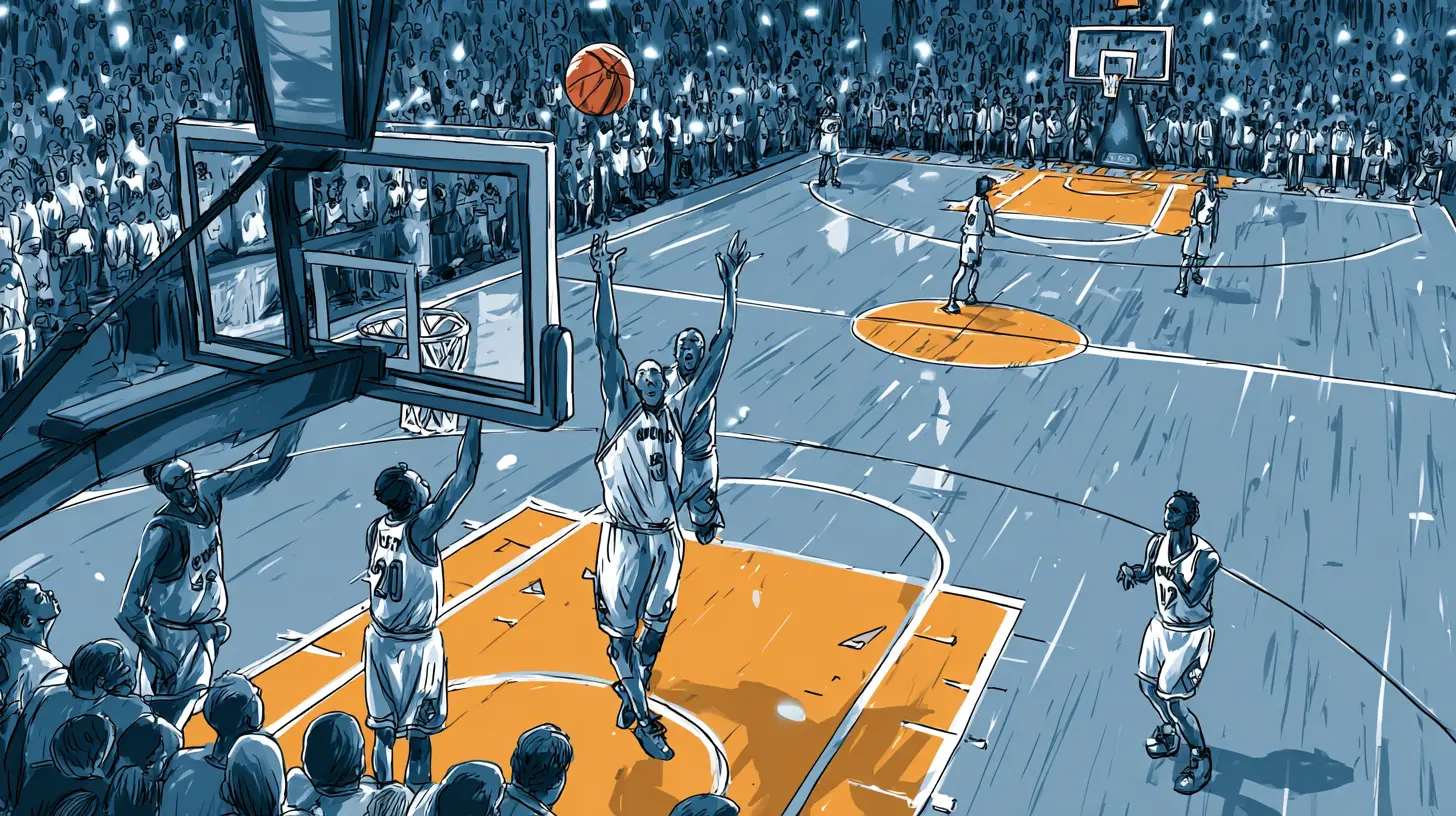
When the bonus kicks in, the game changes in ways that are not always obvious to the casual viewer. The most immediate change is that the defense stops being aggressive. Players who were comfortable swiping at the ball or bodying up their man suddenly become timid. They stand straight up, keep their hands high, and give up ground. This is not because they are tired. It is because the risk-reward calculation has flipped.In the first four fouls of a quarter, a defensive foul is just a reset. The offense gets the ball back, but the defense can set up again. There is no direct scoring consequence. So defenders can take chances. They can gamble for steals, contest shots hard, and play physical. But once the bonus is reached, every foul is a guaranteed two points for the opponent, assuming the free throw shooter is competent. That changes the math.
Consider a player who shoots 75 percent from the line. Two free throws are worth 1.5 points on average. A defensive stop, on the other hand, prevents the offense from scoring, but the possession could still end with zero points if the offense misses. So a foul in the bonus is worse than a made field goal in many cases. It is a guaranteed scoring opportunity that does not require any offensive execution.
Coaches understand this, and they adjust their defensive schemes accordingly. You will see more zone defense in the bonus, because zone defense reduces the chance of individual fouls. You will also see more conservative closeouts, with defenders staying a step further away from shooters to avoid body contact. The result is that the offense gets more space, more time, and more open looks. The bonus does not just give free throws. It gives better shot quality on the next possession because the defense is scared.
The Art of Foul Management
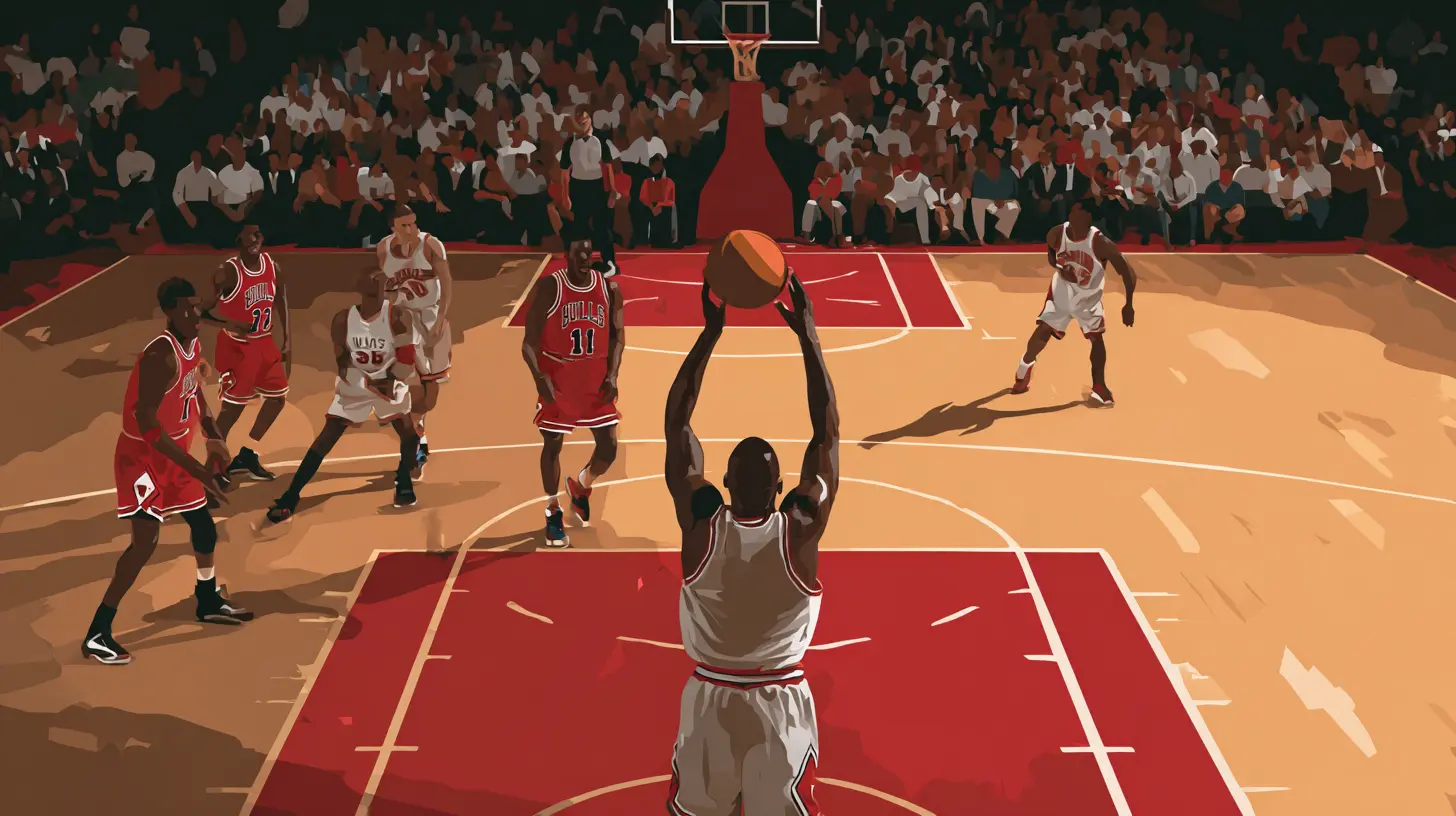
Good teams do not wait until the bonus to start thinking about it. They manage their foul count from the first minute of the quarter. This is called foul management, and it is one of the most underrated coaching skills in the NBA.A team that commits two fouls in the first two minutes of a quarter has to play the next ten minutes with a tight leash. They cannot afford to be physical. They have to give up layups rather than risk a third or fourth foul. Meanwhile, the opponent knows this and will attack the paint relentlessly. They will drive into bodies, throw up wild shots, and hope for contact. They are not just trying to score. They are trying to draw fouls and push the count higher.
The best defensive teams in the league are masters of staying under the threshold. They contest shots without touching the shooter. They slide their feet instead of reaching. They use their chest to absorb contact without extending their arms. This is not just about avoiding free throws. It is about protecting their defensive identity for the entire quarter.
On the flip side, some teams intentionally foul in the bonus. This sounds crazy, but it happens more than you think. For example, a team that is leading by three points with thirty seconds left might foul the opposing team before they can attempt a three-pointer. This is called a "foul to prevent the three." By sending the shooter to the line for two free throws, the leading team forces the opponent to make both shots just to tie, and then the leading team gets the ball back with a chance to run out the clock.
This strategy only works in the bonus, because a non-bonus foul would just reset the clock and give the ball back to the opponent. So the bonus creates a toolbox for end-of-game strategy that would not exist otherwise. Coaches who understand this can manipulate the rules to their advantage, even when they are the ones committing the foul.
How the Bonus Affects Player Behavior
Players are not just victims of the bonus. They are active participants in exploiting it. The best players know exactly how many fouls the opponent has committed, and they adjust their game accordingly.Take a player like James Harden, who was famous for drawing contact. In the bonus, Harden would drive into the lane with no intention of shooting. He would just look for a body to bump into. The defender, knowing that a foul means free throws, would try to avoid contact. But Harden would initiate the contact himself, swinging his arms into the defender's space. If the referee called the foul, Harden got two free throws. If not, he had created a scoring opportunity because the defender was off balance.
This is not just a skill. It is a read on the game state. Players who are aware of the foul count can force the defense into impossible positions. They know that the defense is playing scared, so they become more aggressive. They attack the rim more, they pump fake to get defenders in the air, and they take contact that they would normally avoid. The bonus turns average offensive players into threats simply because the defense cannot touch them.
There is also a psychological component. When a team enters the bonus, the pressure shifts. The team shooting free throws feels confident because they are getting free points. The team fouling feels frustrated because their defensive effort is being punished. That frustration leads to more fouls, which leads to more free throws, which leads to a bigger lead. The bonus can create a snowball effect that is very hard to stop.
The Misconception About the Double Bonus
Many fans think the double bonus is just a fancy way of saying two free throws. That is mostly true, but the possession aspect is the real difference. In the NBA, when a team commits a sixth foul in a quarter, the opposing team gets two free throws and the ball back. This is not the same as a technical foul or a flagrant foul, but it is close in terms of value.The possession rule is what makes the double bonus so devastating. In the regular bonus, a team gets two free throws but then the defense has a chance to rebound a miss and regain control. In the double bonus, even if the shooter misses both free throws, the offense gets the ball back. That means a missed free throw is not a lost possession. It is just a reset with a fresh shot clock.
This is why teams will sometimes intentionally foul a poor free throw shooter in the double bonus. If the shooter makes both, the offense gets the ball back anyway. If the shooter misses, the offense still gets the ball. So the expected value of fouling a bad shooter in the double bonus is actually positive for the defense in some situations. This is a counterintuitive tactic that only works because of the possession rule.
Coaches rarely use this tactic because it looks terrible on TV and it is hard to execute without giving up an easy basket. But in theory, if the opponent has a 40 percent free throw shooter on the floor, fouling him in the double bonus might be better than letting him run a half-court offense. The math is tight, and most coaches prefer to play straight up. But the option exists, and it shows how deep the bonus logic goes.
The Bonus in Overtime
Overtime periods are five minutes long, but they still use the five-foul bonus threshold. That means the bonus arrives much faster relative to game time. In a regular quarter, a team has twelve minutes to commit five fouls. In overtime, they have five minutes. So teams that play aggressive defense in overtime often find themselves in the bonus within the first two minutes.This changes overtime strategy significantly. Coaches have to decide whether to stay aggressive and risk putting the opponent on the line, or play soft and hope to force tough shots. The best approach is usually a mix. In the first two minutes of overtime, teams can afford to be physical. After that, they have to back off.
Players also change their shot selection in overtime. Because the bonus comes so fast, they will drive to the basket more often, looking for contact. They know that a foul is worth more in overtime because the clock is shorter and every point matters more. The bonus in overtime is not just a rule. It is a strategic weapon that can decide the game.
Common Mistakes and Misunderstandings
One of the biggest mistakes casual fans make is thinking that the bonus carries over between quarters. It does not. Every quarter starts with a clean slate. But there is a subtlety: overtime is considered a separate period, not a continuation of the fourth quarter. So the foul count resets for overtime as well.Another common mistake is confusing the NBA bonus with the FIBA or college bonus. In college basketball, the bonus starts on the seventh team foul, and the double bonus starts on the tenth. In FIBA, the bonus starts on the fifth foul, but the double bonus does not exist. Instead, every foul after the fifth gives two free throws, but no possession. The NBA is different, and players who come from international leagues often struggle to adjust to the possession rule.
There is also a misconception that the bonus only applies to defensive fouls. That is mostly true, but offensive fouls do not count toward the team foul total. So if a player charges into a defender, that does not put his team closer to the bonus. This is important because it means aggressive offensive players can force the defense into foul trouble without risking their own team's foul count.
How Coaches Use the Bonus to Control Game Pace
The bonus is not just about scoring. It is also about tempo. Teams that want to slow the game down will try to avoid the bonus on defense, because free throws stop the clock and give the opponent a chance to reset. Teams that want to speed the game up will attack the basket relentlessly to draw fouls and get to the line.This is especially visible in the final two minutes of a close game. A team that is trailing will intentionally foul in the bonus to stop the clock. They will hack the opposing player away from the ball, forcing free throws. If the shooter makes both, the trailing team gets the ball back with more time on the clock. If the shooter misses, the trailing team gets a rebound and a chance to score quickly. This is called "fouling to extend the game," and it only works because the bonus guarantees free throws.
The team that is leading will try to run the clock instead. They will hold the ball, run plays that take time, and avoid taking quick shots. They will also avoid fouling, because giving the opponent free throws is the worst outcome. The bonus creates a tug of war between the two teams, each trying to use the rules to their advantage.
Real-World Examples of the Bonus Changing Outcomes
Think about a typical playoff game where the score is tied with two minutes left. The home team is on defense. Their opponent has committed four fouls in the quarter. The home team wants to be aggressive, but they know that one more foul puts the opponent in the bonus. So they back off. They give up a mid-range jumper instead of contesting it. The jumper misses, but the rebound is grabbed by the offense, and now the defense has to foul anyway because they are out of position.This exact sequence happens dozens of times every season. The bonus does not just affect the play. It affects the decision-making before the play even starts. A defender who would normally block a shot hesitates because he is afraid of the foul. That hesitation gives the shooter an extra half-second, which is all a professional needs to get a clean look.
Another example is the intentional miss. In the bonus, a player who is fouled on a three-point attempt gets three free throws. If he makes the first two, he might intentionally miss the third, hoping to tip the rebound to a teammate for a quick two. This is a high-risk, high-reward play that only exists because the bonus turns a simple foul into a multi-point opportunity.
Best Practices for Players and Coaches
For players, the best practice is to know the foul count at all times. Do not wait for the coach to tell you. Check the scoreboard after every dead ball. If your team is in the bonus, attack the rim. If the opponent is in the bonus, stop reaching. This awareness is what separates smart players from talented ones.For coaches, the best practice is to plan for the bonus before it happens. Do not wait until the fifth foul to adjust your defense. Start managing fouls in the first three minutes. Rotate your players so that your best defenders are not in foul trouble. Use timeouts to calm the game down if your team is committing too many fouls. And when the game is on the line, decide whether you want to foul or play straight up based on the score, the clock, and the free throw percentages of the opposing players.
There is no single right answer. The bonus is a tool, and like any tool, it depends on how you use it. Some coaches prefer to never foul in the bonus, even when they are trailing. Others will foul immediately because they value time over points. The key is to understand the trade-offs and make a decision based on the specific situation, not on habit.
The Future of the Bonus Rule
There has been talk in recent years about changing the bonus rule. Some analysts think the NBA should adopt the FIBA model, where every foul after the fifth gives two free throws but no possession. Others think the bonus should be based on total team fouls per game instead of per quarter. These are interesting ideas, but they are unlikely to be implemented soon. The current system works well because it creates strategic variety without making the game too choppy.If the rule did change, it would have a massive impact on how teams play. The possession rule in the double bonus is what makes the end of games so tense. Without it, teams would foul more freely, and the game would become a parade of free throws. The current balance is actually quite good, and most players and coaches appreciate the nuance it adds.
Final Thoughts
The bonus free throw rule is one of those things that seems simple on the surface but reveals layers of complexity the more you study it. It is not just a penalty. It is a mechanism that forces teams to think about risk, reward, time, and scoring in a dynamic way. It changes how defenders move, how offensive players attack, and how coaches manage their rotations. It creates moments of high tension and high strategy that would not exist in a simpler game.The next time you watch an NBA game and the announcer mentions the bonus, pay attention to how the players react. You will see the defense soften. You will see the offense drive harder. You will see coaches shouting instructions about foul counts. That is the hidden logic at work. It is not random. It is a carefully designed system that rewards smart play and punishes carelessness. And once you understand it, you will never watch the game the same way again.
all images in this post were generated using AI tools
Category:
Game Rules ExplainedAuthor:

Onyx Frye
Discussion
rate this article
2 comments
Wade Sweeney
Intriguing strategy, worth exploring.
September 7, 2026 at 12:49 PM
Onyx Frye
Thanks for your feedback! I appreciate your interest in exploring this topic further.
London McFarlane
Great insight into the mechanics of the NBA's bonus free throws. Understanding how these rules impact game strategy adds depth to our appreciation of the sport. Looking forward to seeing how teams adapt moving forward.
August 19, 2026 at 10:49 AM
Onyx Frye
Thanks for your thoughts! The bonus free throw rule definitely shifts strategies, and it'll be interesting to see how teams respond. Appreciate your engagement with the article!