Skating Towards Glory: The 2026 World Figure Skating Championships Preview
7 September 2026
Every four years, the Olympic cycle reshapes the landscape of figure skating. But the season right after the Games? That is where the real drama lives. The 2026 World Figure Skating Championships, set to take place in the heart of a post-Milan-Cortina world, will not simply be a victory lap for the newly crowned Olympic heroes. It will be a brutal, beautiful reset. Skaters who spent four years chasing one specific moment now face a different kind of pressure: the pressure of relevance in a sport that moves at lightning speed.
This preview is not about listing the medal favorites and calling it a day. It is about understanding the tectonic shifts happening beneath the surface. The 2026 World Championships will answer a question that has haunted the sport for decades: What happens when the old guard finally steps aside, and the next generation has to carry the weight of history without a safety net?
The Post-Olympic Hangover: Why 2026 Will Be Different
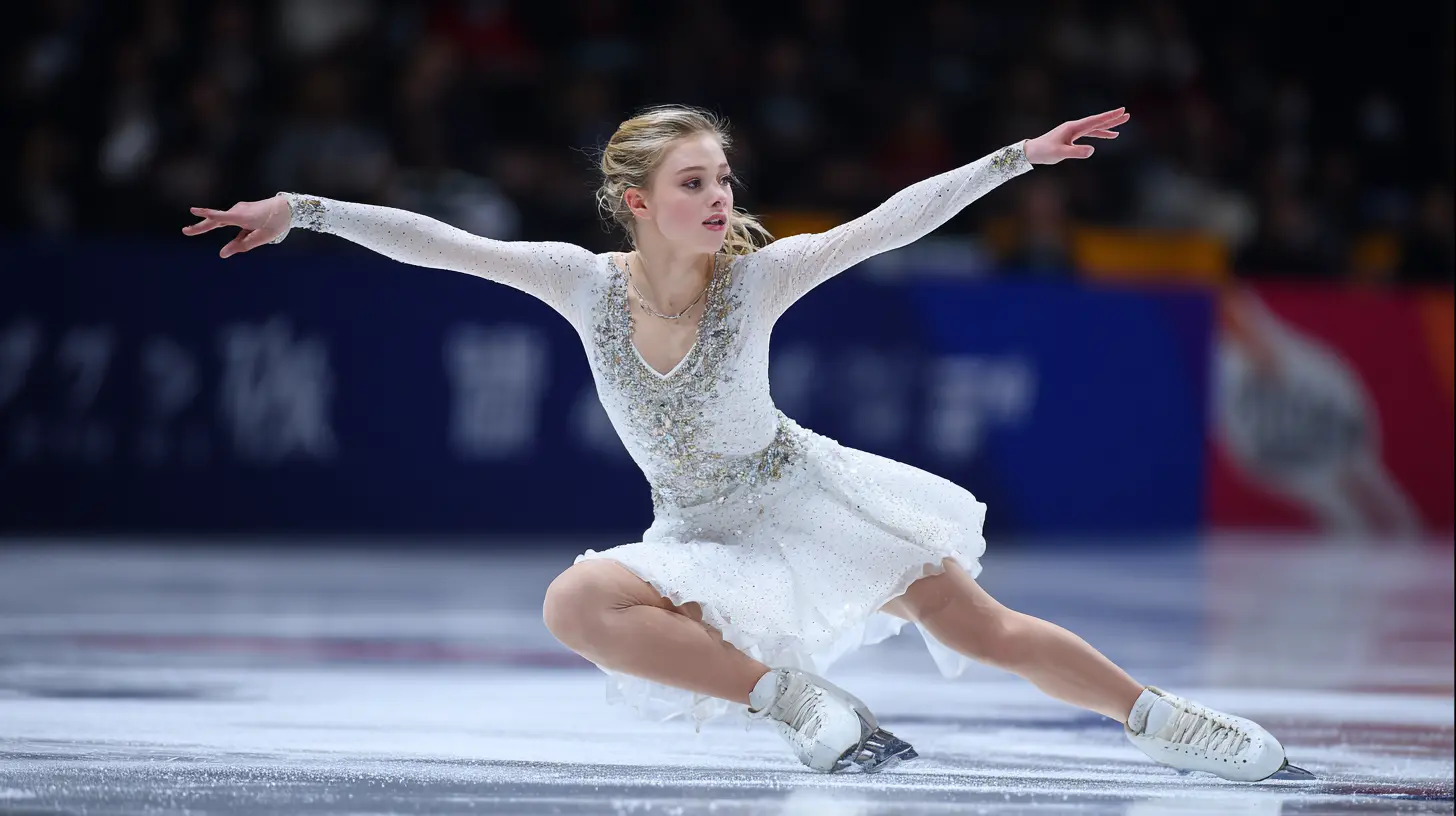
Here is a truth that casual fans often miss. The World Championships immediately following an Olympics are historically the most unpredictable events in the sport. You would think the opposite, right? The Olympic medalists are at their peak, the momentum is there, the confidence is sky-high. But the reality is far messier.Consider the physical toll. An Olympic season is a marathon disguised as a sprint. Skaters peak in February, not March. By the time Worlds rolls around in late March or early April, the body is screaming for a break. The legs are heavy, the jumps are slightly less crisp, and the mental battery is completely drained. The 2026 event will be no exception. The skaters who competed in Milan will have had roughly five weeks to recover, travel, do a hundred media appearances, and then somehow find the motivation to do it all over again.
But there is another layer here. The 2026 World Championships will also be the first major international event where the new generation truly claims the spotlight. The skaters who were teenagers during the Beijing 2022 cycle are now seasoned adults. The ones who were juniors are now seniors with something to prove. This is not a transition that happens smoothly. It happens in fits and starts, with shocking upsets and heartbreaking meltdowns.
The smart money is not on the Olympic champion repeating at Worlds. The smart money is on the skater who was third or fourth at the Games, the one who has a chip on their shoulder and a point to prove. They had the extra month of training while the medalists were doing talk shows. They are hungrier. And in this sport, hunger beats fatigue almost every single time.
The Men's Event: A Changing of the Guard or a Crowded House?
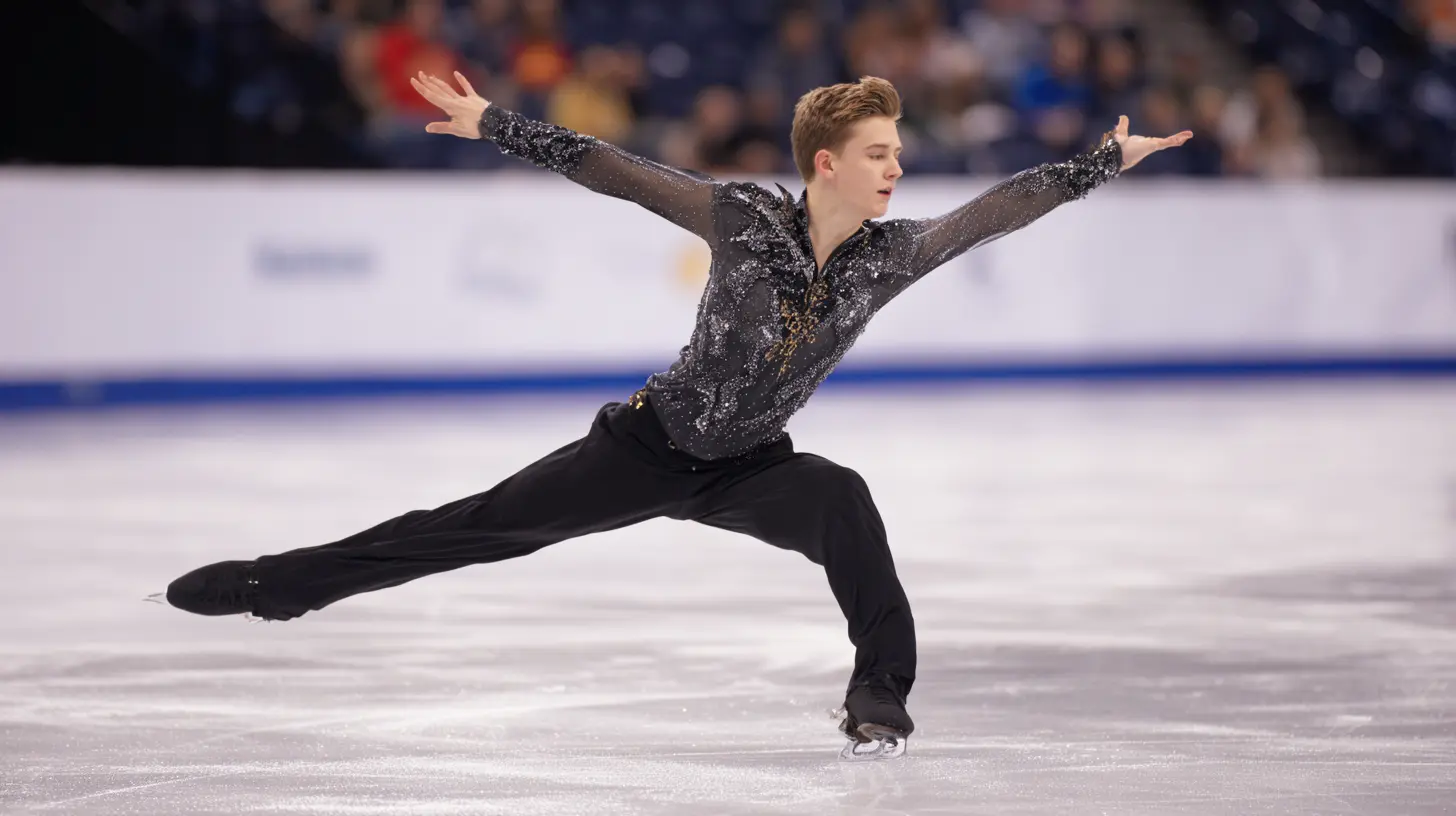
The men's discipline is the most volatile in figure skating. It has always been that way. The quad revolution turned it into a high-stakes lottery where one bad landing can separate gold from obscurity. Going into 2026, the picture is genuinely fascinating because there is no single dominant figure. The era of one man winning everything for four straight years appears to be over.The Quad King Conundrum
Here is the issue that will define the men's event. The technical ceiling has been reached, but the consistency has not. We are seeing skaters attempt five or six quads in a free skate, which is an astronomical difficulty level. But the judging system, post-2022, has been tweaked to reward quality over quantity. The skater who lands two clean, beautifully executed quads with high GOE (Grade of Execution) can beat the skater who lands three shaky ones with negative GOEs.This creates a fascinating strategic dilemma. Do you go for the maximum base value and risk a splatfest? Or do you dial it back, skate clean, and hope the judges reward your artistry? The 2026 World Championships will be a referendum on which philosophy wins.
The skaters who understand this nuance will succeed. The ones who are still living in the 2018 mindset, where sheer technical firepower was enough, will be left behind. Watch for the skaters who have refined their quad combinations to maximize the second half bonus without sacrificing flow. Those are the ones who understand the modern game.
The Artistry Factor
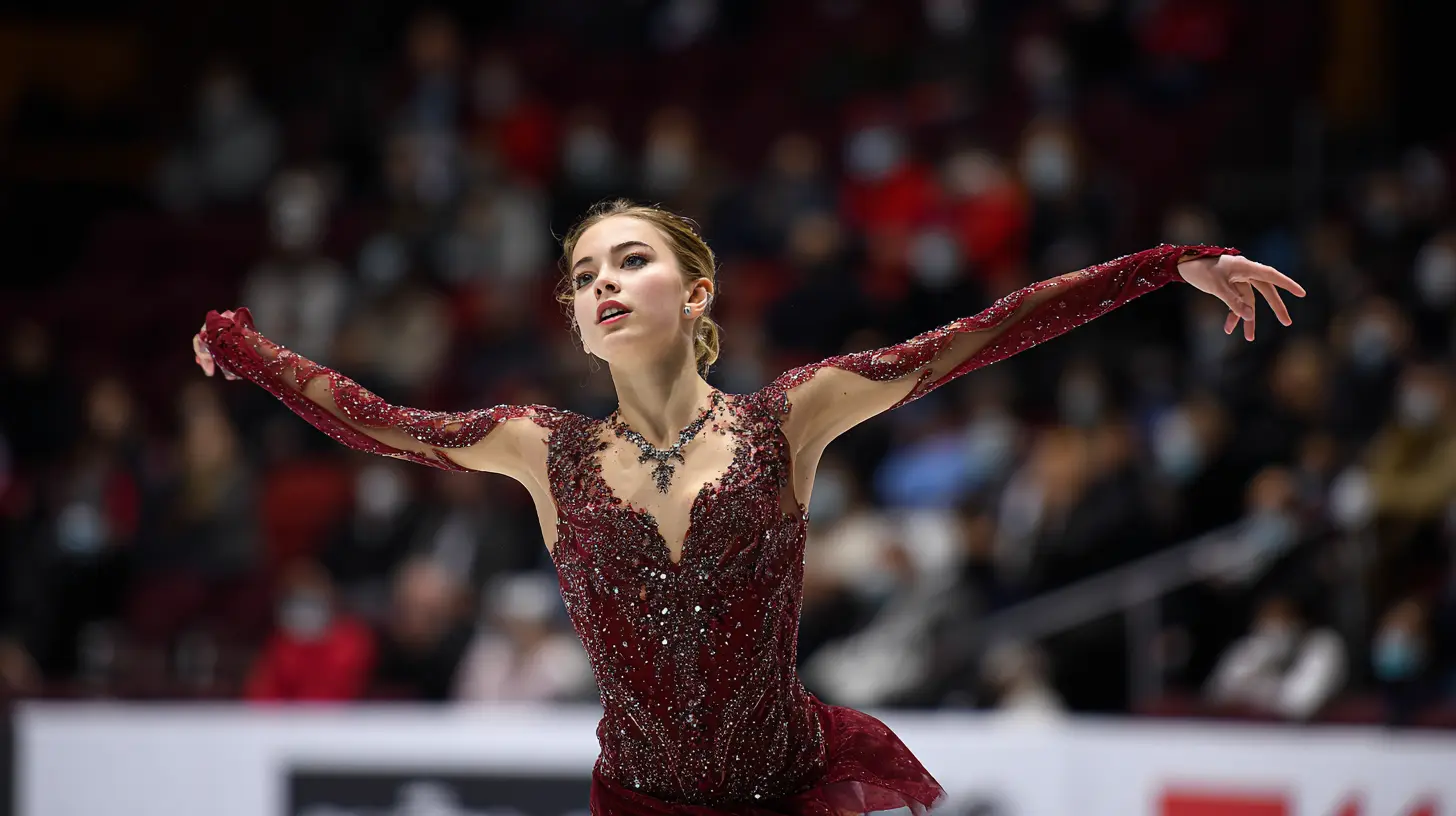
There is a misconception that figure skating is just about jumps. It is not. It is about the marriage of athleticism and performance. In the men's event, this is where the gap between the podium and the also-rans will be most visible.The skaters who have worked with choreographers to build programs that tell a story, that breathe, that have moments of stillness amidst the chaos, will stand out. The 2026 judging panel will be looking for that intangible quality of command. It is not just about hitting the elements. It is about making the audience forget they are watching a competition.
Expect to see a shift towards more mature, nuanced programs in 2026. The teenage firecrackers who rely on pure adrenaline will need to develop a deeper musicality to stay relevant. This is not a criticism. It is an observation of how the sport evolves. Every generation thinks they have it figured out, and then the next generation proves them wrong.
The Women's Event: The Triple Axel Arms Race and the Mental Game
The women's competition is where the sport's most significant technical evolution is happening. The days when a clean triple-triple combination was enough to win are long gone. The 2026 World Championships will feature a field where multiple women are consistently attempting the triple Axel, and some are even flirting with the quadruple toe loop.Why the Triple Axel Is a Game Changer
Let us break down the math. A triple Axel has a base value of 8.0 points. A triple Lutz has a base value of 5.9. That is a 2.1-point difference on a single element. When you factor in GOE, which can add up to 1.2 points for a well-executed Axel, the gap widens further. Over the course of a program, a skater who lands two clean triple Axels is effectively starting with a five-point advantage over a rival who has none.But here is the catch. The triple Axel is not just a physical challenge. It is a psychological one. The takeoff is blind, the rotation is fast, and the landing is unforgiving. Skaters who attempt it in competition are making a statement. They are saying, I am willing to risk the entire program for this one moment.
The best practice for skaters targeting 2026 is not to force the Axel into every program. It is to build a program that can survive a missed Axel. The skaters who have a solid triple flip or Lutz as a backup plan will be the ones who can handle the pressure. The ones who put all their eggs in the Axel basket and have nothing else are playing a dangerous game.
The Consistency Paradox
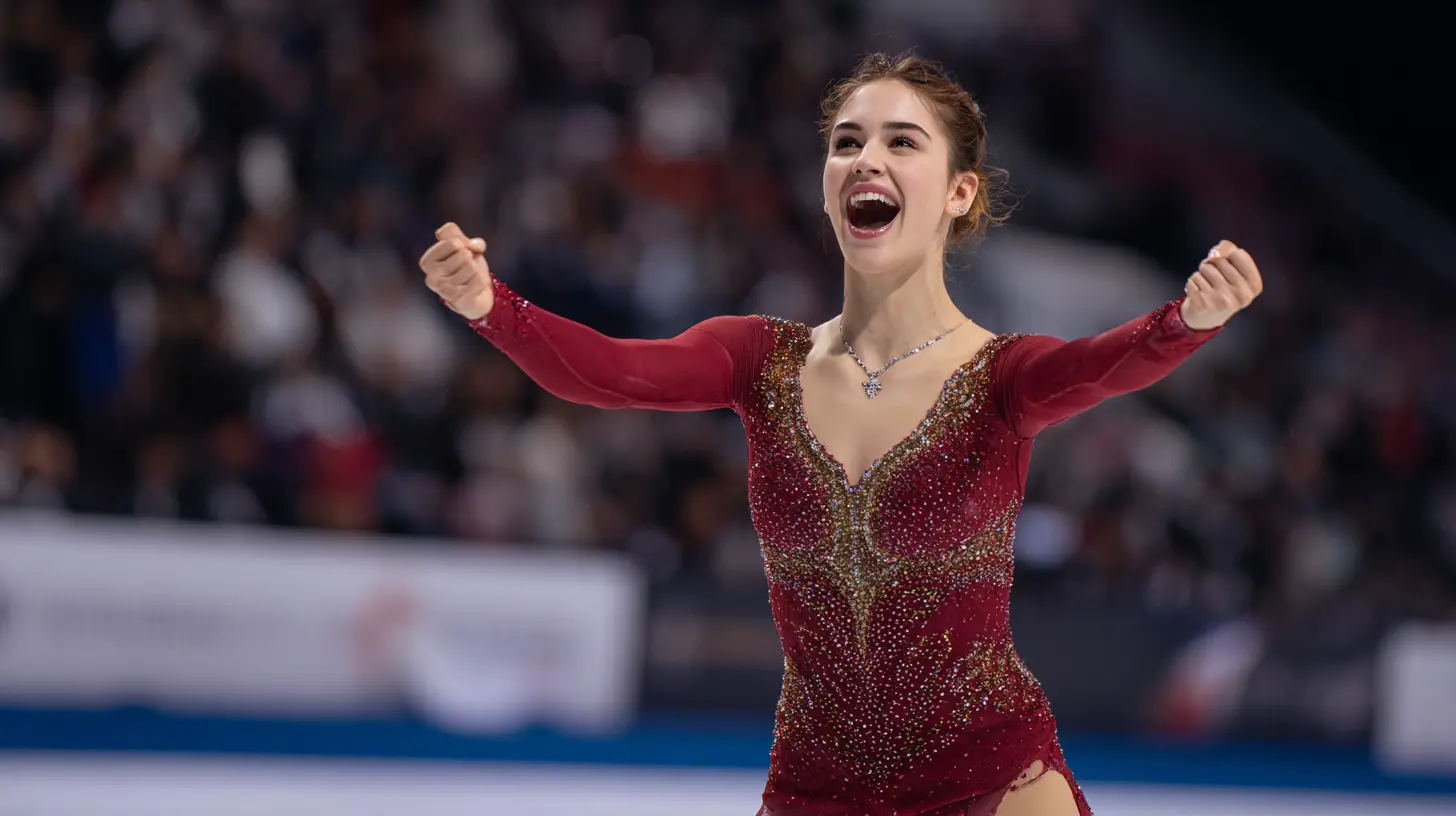
Here is a strange truth about women's figure skating. The skaters who win World Championships are rarely the ones with the highest technical ceiling. They are the ones who make the fewest mistakes. The 2026 event will be won by the woman who skates two clean programs, not the one who attempts the most difficult content and falls.This sounds obvious, but watch how many skaters ignore it. The pressure of the event, the crowd, the cameras, the expectations. It gets into your head. The skaters who have a pre-planned routine for handling nerves, whether that is breathing exercises, visualization, or just talking to their coach, will have an edge. The ones who wing it, who rely on talent alone, will crack.
The most successful champions in this era have one thing in common: they treat every competition the same. They do not get too high after a great short program, and they do not get too low after a bad practice. This emotional stability is the most underrated skill in the sport.
Ice Dance: The Art of Not Falling Apart
Ice dance is often dismissed as the lesser discipline, the one without the jumps. This is a massive misunderstanding. Ice dance is the most technically demanding discipline in terms of precision, timing, and trust. The 2026 World Championships will showcase why this is true.The Rhythm Dance Trap
The rhythm dance is where competitions are won and lost. It is a tightly choreographed pattern that requires exact timing and footwork. Skaters who have spent years building a partnership that moves as one unit will shine here. The new teams, the ones that have only been together for a season or two, will struggle.The pattern dance elements are brutal. They require a deep knee bend, precise edges, and a connection that goes beyond physical touch. It is almost telepathic. The teams that have this will make it look effortless. The teams that do not will look mechanical, stiff, and out of sync.
The Free Dance Narrative
The free dance is where the storytelling happens. The 2026 rules have emphasized the need for a clear narrative arc. It is not enough to just skate around and do some lifts. The program needs to have a beginning, a middle, and an end. It needs to take the audience on a journey.The best teams in this discipline understand that the music is not just a background track. It is a partner. The choreography must interpret the music, not just accompany it. The skaters who have chosen music that resonates with them personally, that they can feel in their bones, will have an advantage. The ones who picked a popular piece just because it was trendy will look hollow.
The biggest mistake new teams make is trying to do too much. They cram in too many transitions, too many difficult lifts, too many changes of direction. The result is a program that feels frantic and chaotic. The best practice is to simplify. Do fewer things, but do them exceptionally well. The judges reward mastery, not clutter.
Pairs: The High-Risk, High-Reward Discipline
Pairs skating is a sport within a sport. It combines the athleticism of singles with the trust and coordination of dance, and then adds the constant threat of catastrophic injury. The 2026 World Championships will be a test of nerve as much as skill.The Throw Quad Debate
There is a persistent debate in the pairs community about whether throw quads are worth the risk. The base value is high, but the success rate is abysmal. Most teams who attempt a throw quadruple Salchow or toe loop in competition fall on it. The fall costs them points and, more importantly, shatters their confidence for the rest of the program.The smart teams are the ones who have realized that a clean throw triple with high GOE is worth more than a fallen quad. This is a lesson that has been learned the hard way by many teams over the years. The 2026 event will likely see fewer throw quads attempted than in previous years, simply because the risk-reward ratio does not make sense under the current judging system.
The Twist and the Death Spiral
The twist lift and the death spiral are the signature elements of pairs skating. They are also the most difficult to perfect. The twist, in particular, requires the man to throw his partner high into the air with a specific rotation and catch her with absolute precision. A slight miscalculation can lead to a dangerous fall.The teams that have the most consistent twist will have a massive advantage. It is not the flashiest element, but it is the one that sets the tone for the entire program. A clean, high, well-caught twist signals to the judges that this team is in control. A shaky twist signals that they are not.
The death spiral is the opposite. It is a slow, controlled element that requires the man to pivot on a single edge while his partner is horizontal to the ice. It looks elegant, but it is incredibly taxing on the lower back and core. The teams that can maintain a deep, sustained position without rushing will score well. The ones that rush it, that pop up too quickly, will lose points.
The Judging System: What the Fans Get Wrong
There is a persistent myth that figure skating judging is corrupt or arbitrary. This is not true. The International Judging System (IJS) is complex, but it is also remarkably consistent when you understand how it works.The Components Are Not a Vibe
The Program Component Scores (PCS) are often misunderstood as a subjective "artistry" score. In reality, they are broken down into five specific components: Skating Skills, Transitions, Performance, Composition, and Interpretation. Each has a set of bullet points that judges use to evaluate the skater.The key insight is that PCS is tied to technical content. You cannot have high PCS if you are not attempting difficult technical elements. The system is designed to reward skaters who push the boundaries of what is possible. This is why you see top skaters receiving both high TES (Technical Element Score) and high PCS. They are linked.
The GOE Scale
The Grade of Execution (GOE) scale is not just a binary good or bad. It ranges from -5 to +5. A judge can give a -5 for a fall with a poor landing, or a +5 for a jump that is perfect in every way. The key is that the GOE is based on specific bullet points. For a jump, those bullet points include height, distance, flow, and the quality of the landing.Skaters who understand this will tailor their training to maximize the positive GOE bullets. They will not just try to land the jump. They will try to land it with maximum height, with a smooth transition in and out, and with a secure edge on the landing. This attention to detail is what separates the good from the great.
Preparation Strategies for the 2026 World Championships
For the skaters reading this, or the coaches and parents of skaters, the 2026 World Championships are a specific target. Here are some practical strategies that go beyond the generic "train hard" advice.Peak at the Right Time
The biggest mistake skaters make is peaking too early in the season. They win a Grand Prix event in October and think they have it figured out. By March, they are burned out. The best approach is to treat the Grand Prix series as practice. Use it to test programs, to work out the kinks, and to build confidence. The real training should be focused on the period from January to March.Manage the Media Burden
If you are a medal contender, the media attention will be relentless. Every interview, every photo shoot, every social media post takes energy away from training. The best practice is to have a designated media day, where you get all your obligations out of the way in one go. The rest of the week is for skating.The Importance of a Sports Psychologist
This cannot be overstated. The mental game is 50 percent of the sport at the elite level. A sports psychologist can help you develop routines for handling pressure, for dealing with bad practices, and for maintaining focus during a four-minute program. Skaters who think they can handle it alone are often the ones who crack under the spotlight.
Common Misconceptions and Mistakes
Let us clear up a few things that are often repeated by commentators and fans alike.Misconception: More Quads Always Equal a Higher Score
This is false. A fallen quad with a -5 GOE and a deduction for the fall can lose you more points than a clean triple. The base value of the quad is higher, but the negative GOE can wipe out that advantage. Skaters need to be realistic about their consistency rate in practice. If you only land the quad 50 percent of the time in practice, you should not be putting it in the program.Misconception: The Free Skate Is More Important Than the Short
This is also false. The short program is worth one-third of the total score, but it sets the tone for the entire competition. A bad short program puts you in a deep hole that is nearly impossible to climb out of. The skaters who win Worlds are the ones who are solid in both segments. The ones who only focus on the free skate are making a strategic error.Mistake: Changing Programs Mid-Season
This is a classic error. Skaters get a bad result in November and decide to scrap their entire program and start over. This is almost always a mistake. The new program will be less polished, less refined, and less connected to the music. It takes months to develop the muscle memory and the emotional connection to a program. Trust the process. Make minor tweaks, but do not overhaul.The Venue and the Crowd
The 2026 World Championships will be held in a city that has not been officially announced as of this writing, but the expectation is for a passionate and knowledgeable crowd. European audiences tend to be more appreciative of the artistic side of the sport, while North American audiences are louder and more energetic. Both have an impact on the skaters.The skaters who can feed off the energy of the crowd without getting distracted will have an edge. The ones who let the noise get into their heads will struggle. This is where experience matters. The veterans who have skated in front of 20,000 screaming fans will know how to channel that energy. The newcomers might be overwhelmed.
The Bottom Line for 2026
The 2026 World Figure Skating Championships will not be a coronation. It will be a proving ground. The Olympic champions will be there, but they will be tired. The challengers will be hungry. The result will be a competition that is wide open, unpredictable, and utterly compelling.For the fans, this is the best kind of event. You do not know who is going to win. Every skater has a chance. For the skaters, it is a test of character. Can you dig deep when your body is broken and your mind is tired? Can you find the will to perform when the ultimate prize is already behind you?
The answer to those questions will determine who skates towards glory in 2026. The rest of us just get to watch and marvel at the beauty, the grace, and the sheer audacity of it all.
all images in this post were generated using AI tools
Category:
Upcoming TournamentsAuthor:

Onyx Frye
Discussion
rate this article
2 comments
Will McClain
Can't wait to see who shines at the 2026 championships!
October 5, 2026 at 3:28 AM
Liora McKinney
I can't wait for the World Figure Skating Championships in 2026! The talent on display is always incredible, and I'm excited to see who will take home the gold this time. Let the countdown to glory begin!
September 9, 2026 at 10:31 AM
Onyx Frye
Thanks for sharing your excitement! The upcoming championships promise to be thrilling, and I can't wait to see the incredible performances unfold. Let the countdown begin!