When Hometown Heroes Disappoint: Fan Backlash in 2026
2 May 2026
Let me paint you a picture. It is a crisp October evening in 2026. The stadium lights hum. The crowd is on its feet. Your team is down by two, bases loaded, two outs. The kid who grew up three blocks from the ballpark, the one who used to sell lemonade on the corner you drive past every day, steps up to the plate. He is the hometown hero. The prodigal son. The guy whose face is on every billboard and every kid's lunchbox.
He swings. He misses. Strike three.
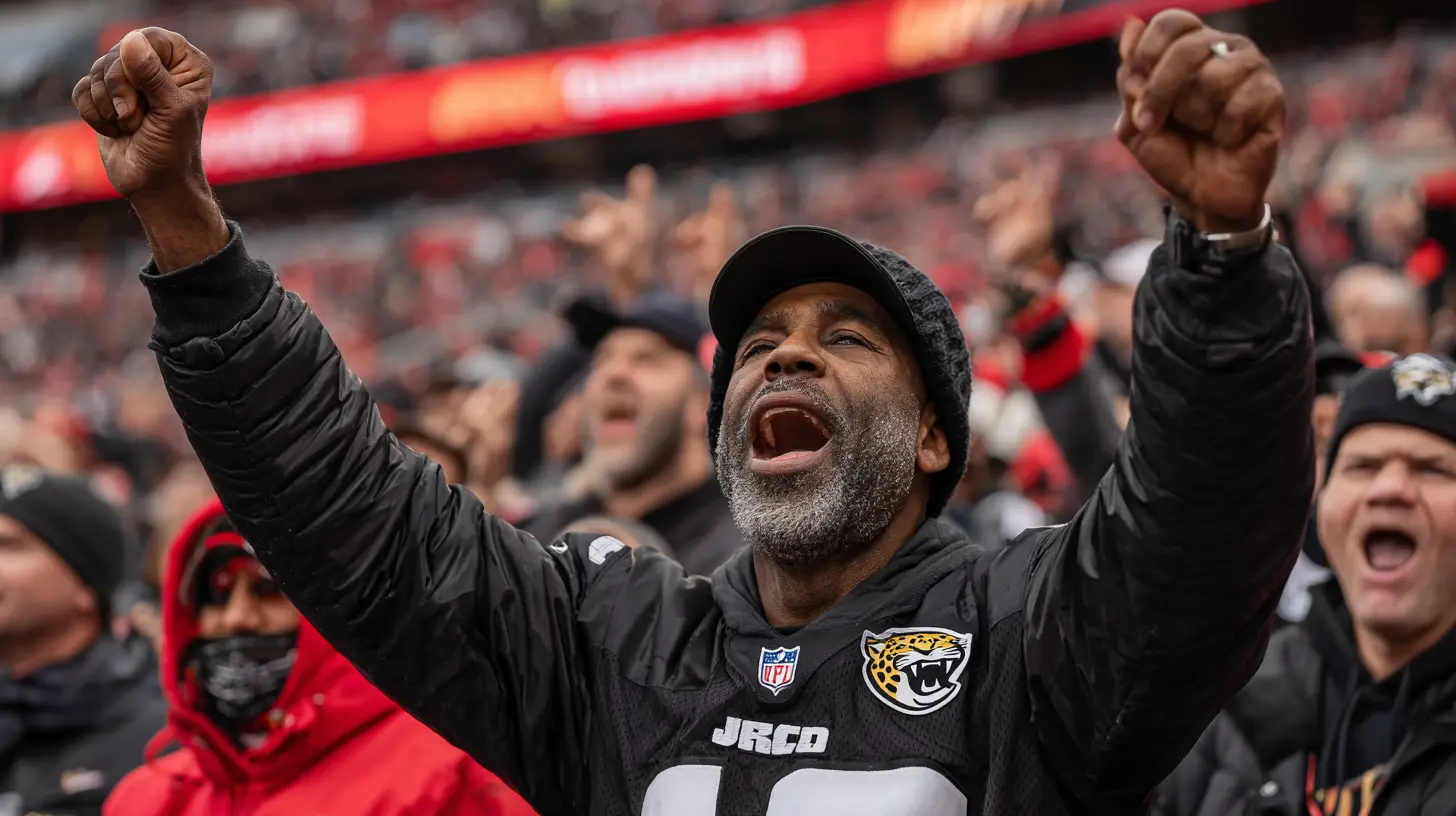
The silence is louder than any roar. Then comes the booing. Not just from the cheap seats, but from the guy in the $500 jersey behind home plate. From the mom who once babysat him. From the old man who taught him how to hold a bat. In 2026, that booing is not just disappointment. It is a declaration of war.
Welcome to the era of the backlash. It is loud, it is messy, and it is personal. When the hometown hero fails, the city does not just turn its back. It turns into a Twitter mob, a talk radio frenzy, and a meme factory. So, what happened? When did we stop forgiving our golden boys and start demanding their heads on a platter? Grab a drink, pull up a chair, and let us dive into the beautiful, brutal chaos of fandom in 2026.
The Golden Boy Curse: Why We Love Them So Hard
First, we have to understand why the fall hits so hard. It is not just about a player. It is about a story. The hometown hero is a script written by the city itself. He is the kid who shoveled snow off the neighbor's driveway, the high school star who turned down big-money colleges to stay close to his sick grandma. We project our own dreams onto his shoulders. When he makes it, we made it. His success is our collective victory lap.Think of it like this. The hometown hero is a living, breathing lottery ticket for the entire fanbase. Every time he steps on the field, we cash in on a little bit of that fantasy. "I knew him when," we whisper. "He is one of us." That bond is stronger than any contract. It is emotional equity. And when that equity tanks, when he strikes out in the clutch, drops a game-winning pass, or misses a buzzer-beater, we feel robbed. It is not just a loss. It is a betrayal of the narrative we bought into.
In 2026, that narrative is amplified by a 24/7 news cycle and a social media ecosystem that runs on outrage. You cannot hide from the backlash. It follows you to the grocery store, into your phone, and into your living room. The hometown hero is no longer just a player. He is a brand, a talking point, and a target.
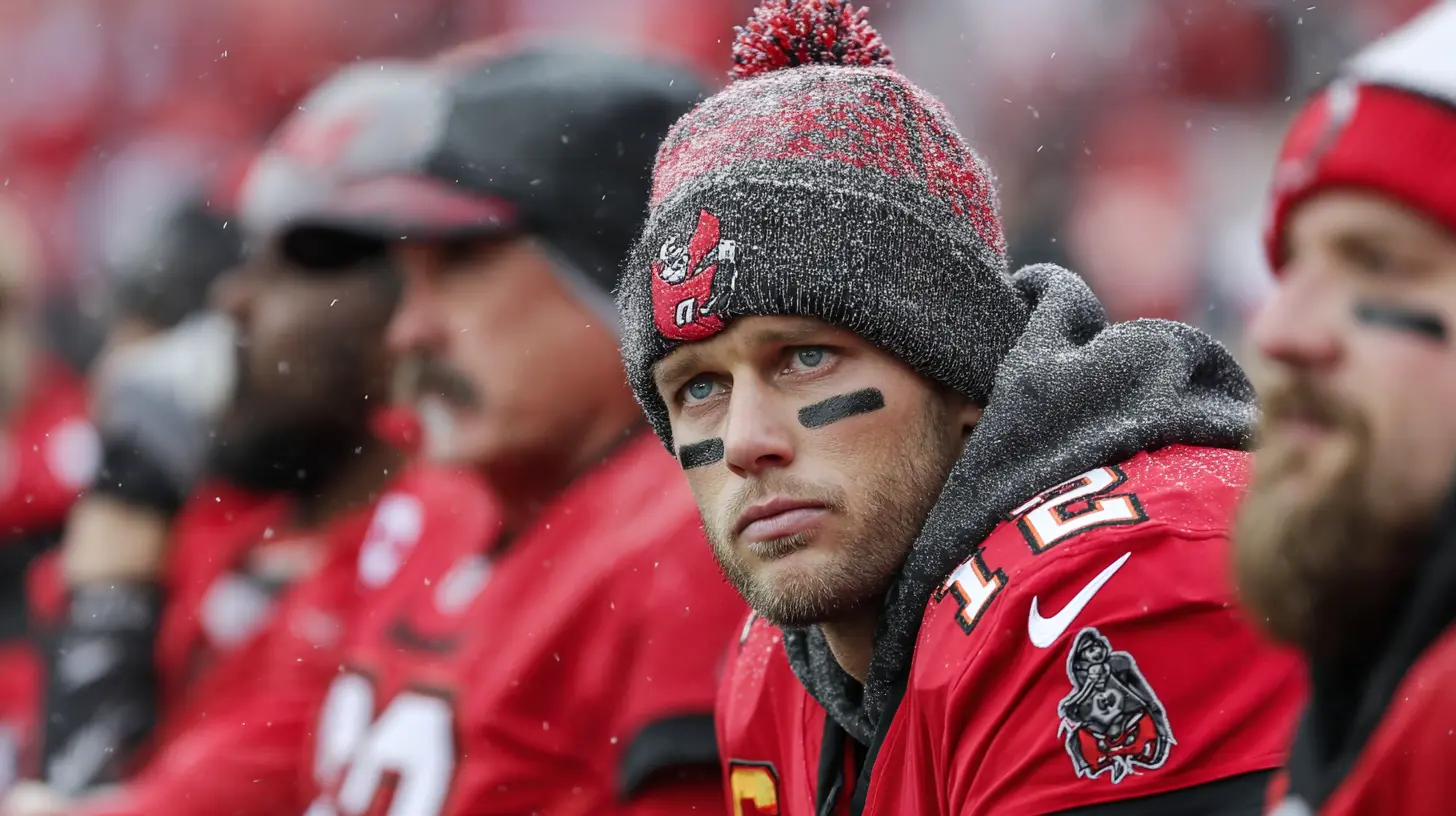
The 2026 Factor: Social Media, Short Memory, and the Need for Speed
Let's talk about the elephant in the room. Or rather, the algorithm in your pocket. 2026 is not 2016. It is not even 2020. The speed of information is now faster than the speed of thought. A bad play happens at 8:02 PM. By 8:05 PM, there are 15 different video edits with sad trombone sound effects. By 8:10 PM, a petition is circulating to bench him. By 8:15 PM, his high school girlfriend's cousin is on a podcast talking about how he "always had a bad attitude."We have zero patience. Zero grace. Why? Because we have been conditioned to expect instant gratification. If the hometown hero does not deliver a championship in year one of his contract, he is a bust. If he has a bad month, he is washed up. If he misses a single interview to go to his kid's piano recital, he does not care about the fans.
And here is the kicker. The same fans who cheer him when he hits a walk-off home run are the ones who boo him when he grounds into a double play. It is the same person. The same voice. The same account. The duality of man, right? But in 2026, that duality is weaponized. The hero worship and the hatred live side-by-side in the same timeline. It is exhausting, but it is also the new normal.
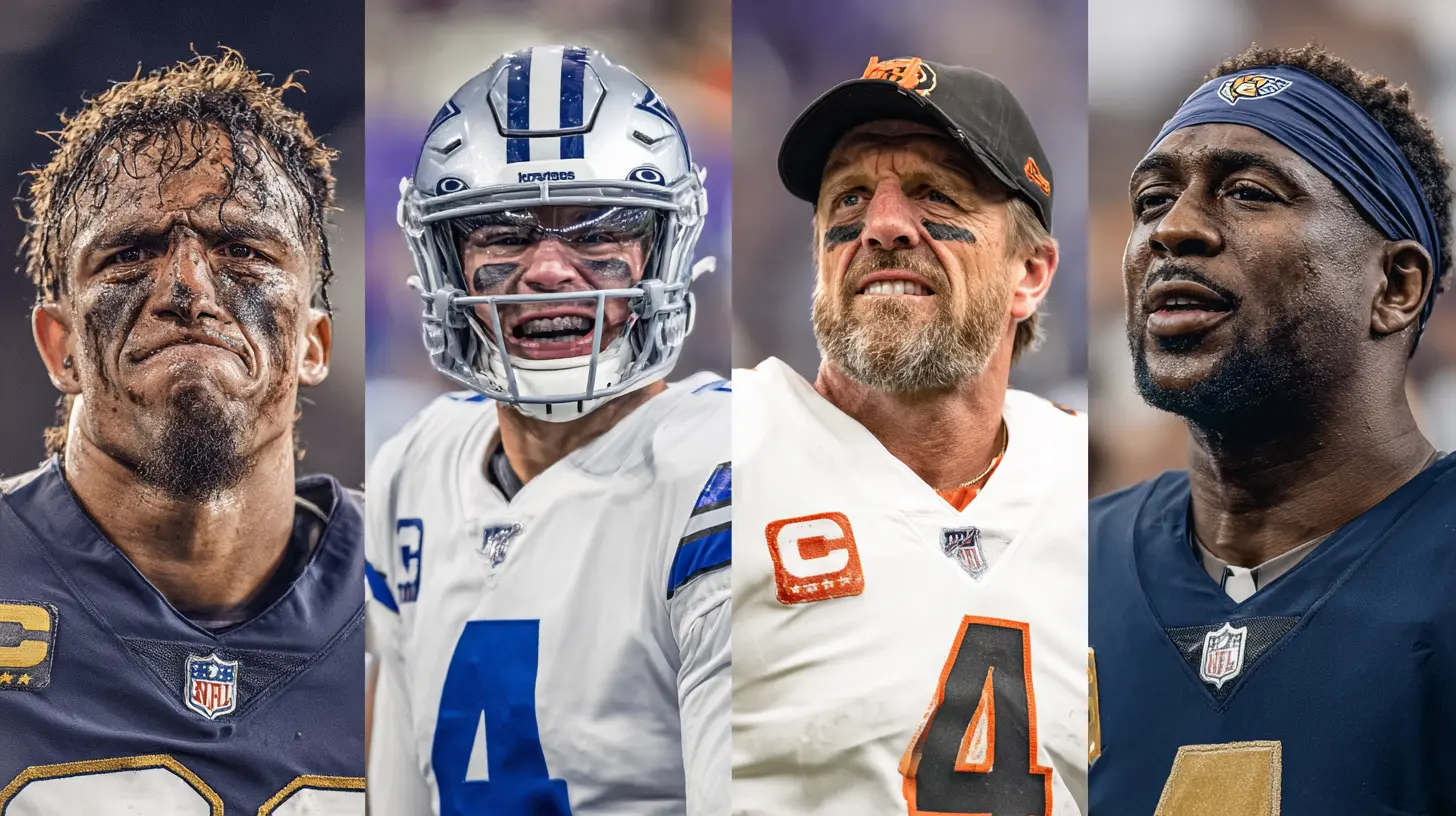
The Anatomy of a Backlash: A Case Study in 2026
Let me give you a hypothetical. Say there is a quarterback for a midwestern team. We will call him "Danny." Danny is from a small town an hour outside the city. He went to the local state school. He is the nicest guy you will ever meet. He volunteers at the animal shelter. He sends handwritten thank-you notes to fans.But Danny has a problem. He cannot win the big game. He throws a pick-six in the conference championship. The next day, the local sports radio host, a guy named "Skip" who has never played a down of football in his life, spends four hours breaking down the "character flaws" in Danny's game. He calls him "soft." He says he "does not have the clutch gene."
Now, the fans chime in. A viral tweet shows Danny smiling on the sideline after the interception. The caption reads, "Does he even care?" Never mind that he was trying to keep his teammates' spirits up. Never mind that he was just being a human being. The narrative is set. The backlash is born.
Within a week, Danny's jersey sales drop. His endorsement deal with a local car dealership is "paused." A billboard goes up near the stadium showing a photo of a broken chair with the words, "Danny's 4th Quarter Performance." It is brutal. It is personal. And it is completely out of proportion to the actual crime.
But here is the thing. Danny is not a robot. He is a guy who grew up rooting for the same team. He reads the comments. He hears the boos. And it messes with his head. The next game, he plays tight. He overthrows a receiver. He gets sacked. The cycle continues. The hometown hero is now a villain in his own city, and he cannot escape.
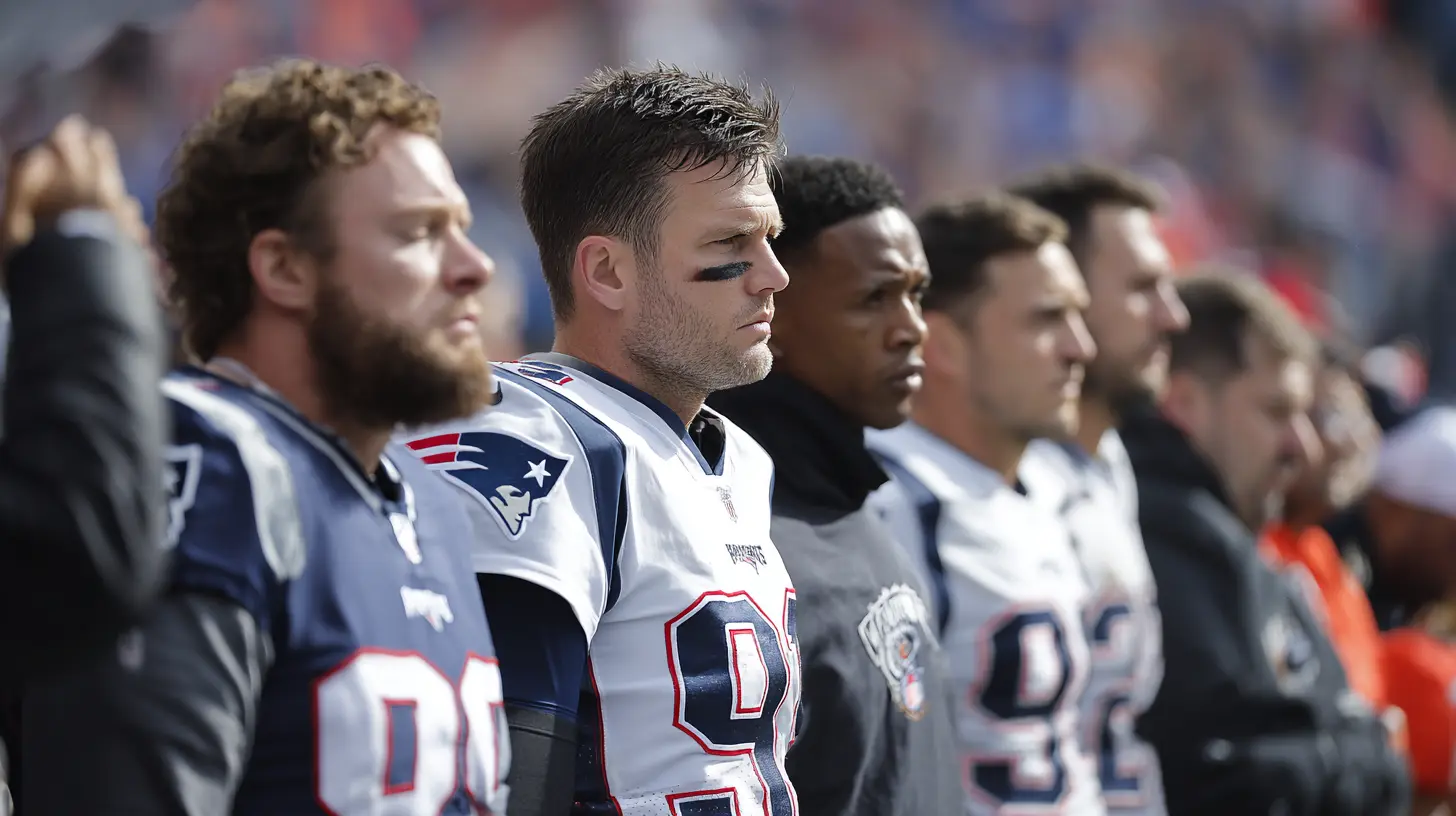
The Psychology of the Boo: Why We Turn on Our Own
Why do we do this? Is it just because we are entitled? Partly, yes. But there is a deeper reason. When a hometown hero fails, it forces us to confront our own mortality. We want to believe that if we had his talent, we would be perfect. We would never choke. We would always deliver. But when he fails, it proves that even the best of us, the chosen ones, are flawed. And that is terrifying.So, we lash out. We boo to push the failure away from ourselves. We criticize to make ourselves feel superior. "I would have taken the sack," says the guy who has never been hit by a 300-pound defensive end. "I would have made that catch," says the woman who has never run a 40-yard dash. It is a defense mechanism. We are not mad at the player. We are mad at the universe for reminding us that perfection is a lie.
In 2026, this psychology is amplified by the "cancel culture" of sports. It is not enough to just be disappointed. You have to destroy. You have to demand a trade. You have to call for his head. Because if you do not, you are not a "real fan." The pressure to perform outrage is real. And the hometown hero is the easiest target because he is the most visible.
The Double-Edged Sword: When the Hero Fights Back
But here is the twist. In 2026, some hometown heroes are starting to fight back. They are not just taking it. They are clapping back. They are posting their own memes. They are calling out the toxic fans. They are saying, "I am human, and your booing does not define me."And you know what? It is working. Sometimes. There is a basketball player in a big market who had a terrible playoff series. The fans were brutal. They threw things at his house. They harassed his family. He could have folded. Instead, he showed up to the next season's media day with a t-shirt that said, "I Still Live Here." The room went silent. Then, it erupted in applause.
That is the power of owning the narrative. When the hometown hero stops being a victim and starts being a fighter, the backlash can flip. Suddenly, the fans who were booing him are now defending him. Because we love a redemption arc. We love a comeback story. We love it when the underdog, even if the underdog is a multi-millionaire, shows some grit.
But it is a gamble. If he fights back and still loses, the backlash is ten times worse. The memes get meaner. The radio hosts get louder. The billboards get more creative. In 2026, there is no middle ground. You are either the hero or the goat, and the line between them is thinner than a goalpost.
The Media's Role: Fueling the Fire or Putting It Out?
The media in 2026 is not a neutral observer. It is a participant. The hot take artists, the podcasters, the YouTubers, they all need content. And nothing generates content like a fallen hero. The 24-hour news cycle demands a villain. If the hometown hero is not winning, he is the villain. It is that simple.But some media outlets are starting to push back. There is a growing movement of "positive sports journalism" that focuses on the human side of the game. They interview the player's mom. They talk about his charity work. They remind everyone that he is a person, not a product. It is a small movement, but it is gaining traction.
The question is, will it be enough? In a world where rage clicks pay the bills, the nice story about the player's dog does not get the same engagement as the video of him crying after a loss. The algorithm loves conflict. And the hometown hero is the perfect vessel for that conflict.
The Fan's Dilemma: How Do We Balance Love and Disappointment?
So, where does that leave us, the fans? Are we doomed to be a mob of angry voices, or can we find a better way? I think we can. But it takes effort. It takes stepping back and remembering that these are human beings. They are not our property. They are not our emotional punching bags.Here is a radical idea. What if we boo the play, not the player? What if we criticize the decision, not the person? What if we give the hometown hero the same grace we would want if we messed up at our own job? Imagine if your boss put up a billboard of you every time you made a mistake. You would quit. You would lawyer up. You would never come back.
But athletes cannot quit. They are under contract. They are under a microscope. And they are expected to perform miracles every single night. It is an impossible standard. And we, the fans, are the ones who set that standard.
The Future: Will the Backlash Ever End?
Probably not. But it can evolve. In 2026, we are seeing a new kind of fan. The "homer" who blindly defends every move the team makes. And the "hater" who criticizes every single thing. But there is a third group growing. The "realists." They understand that the hometown hero is going to fail sometimes. They do not boo. They do not make memes. They just watch, hope, and move on.This group is small, but it is powerful. They are the ones who buy jerseys even after a loss. They are the ones who cheer for the player, not just the logo. They are the ones who understand that sports are a reflection of life. And life is messy. Life is disappointing. Life is full of strikeouts and missed shots and fumbled balls.
The hometown hero is not a superhero. He is a guy who was really good at a game when he was a kid, and he got lucky enough to make a career out of it. That is all. He is not a savior. He is not a villain. He is just a person, trying his best.
And maybe, just maybe, that is enough.
So, the next time your golden boy strikes out in the bottom of the ninth, take a breath. Count to ten. Remember that you are not just a fan. You are a part of his story. And the story is not over yet. The backlash might be loud. The memes might be brutal. But the comeback is always waiting. And when it comes, it will be sweeter than any victory you have ever known.
Because the best stories are not the ones where the hero never falls. They are the ones where he gets back up.
all images in this post were generated using AI tools
Category:
Fan ReactionsAuthor:

Onyx Frye
Discussion
rate this article
1 comments
Tilly Brooks
The article highlights the emotional rollercoaster fans experience when local athletes underperform. In 2026, heightened expectations met with disappointing results triggered waves of backlash. It's a reminder of the deep connection between communities and their athletes, showcasing how swiftly admiration can turn to frustration.
May 10, 2026 at 5:01 AM
Onyx Frye
Thanks for your insights. It's true that the bond between fans and athletes can shift quickly, and those emotions run deep.