Previewing the 2026 Canoe Slalom World Championships and Top Competitors
3 October 2026
The 2026 Canoe Slalom World Championships will not be just another line on the international calendar. It sits at the intersection of an Olympic cycle, a generational shift in the sport, and a course-building philosophy that keeps evolving. For paddlers, coaches, and fans, this event matters because it shapes seeding, funding, and confidence heading into the Los Angeles 2028 Olympic cycle. It is also the kind of championship where a single gate touch can separate a career-defining medal from a long off-season of what-ifs.
This preview looks at what makes the 2026 edition significant, which athletes are positioned to contend, how the different classes compare, and what to watch for before and during the races. It avoids hype and focuses on the technical and strategic realities that decide medals in canoe slalom.
Why the 2026 World Championships Carry Extra Weight
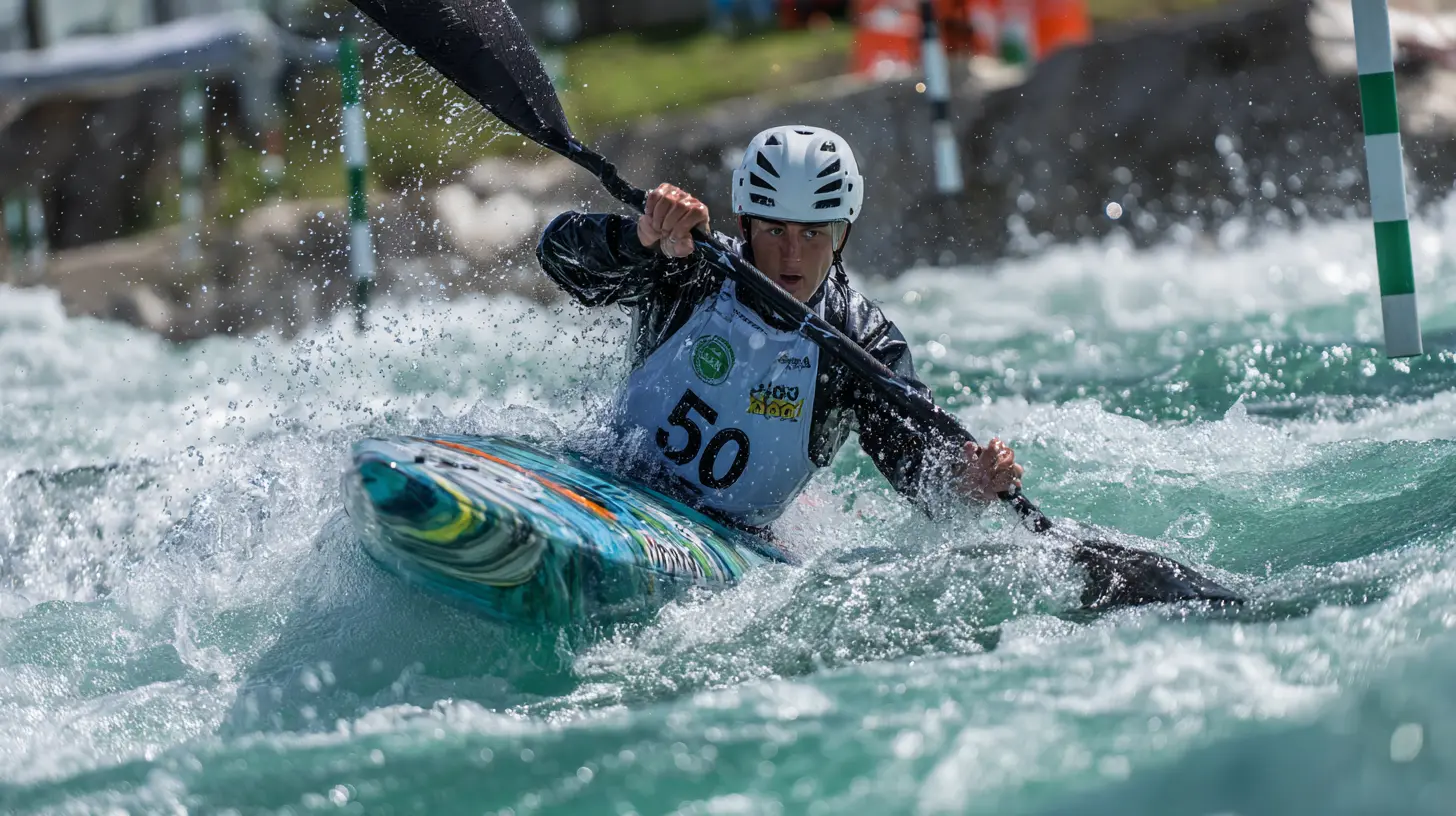
Every World Championships matters, but some editions matter more. The 2026 event falls in the first half of the Olympic cycle, roughly two years before Los Angeles 2028. That timing creates a specific set of pressures.First, national federations use results from this period to decide funding, training camp access, and international travel schedules. A strong 2026 result can secure an athlete's support through the entire cycle. A weak one can push them into qualification battles earlier than expected.
Second, the 2026 championships serve as a benchmark for the new generation. Many of the athletes who dominated the 2010s have either retired or are managing their bodies more carefully. The athletes who will define the late 2020s are using events like this to prove they belong at the top.
Third, course design has become more demanding. Modern slalom courses reward precision and boat control over raw power. That shift changes who can win. Athletes who rely on fitness alone tend to struggle when the water is tricky and the gates are tight.
The Classes and What Separates Them
Canoe slalom at the world level includes several distinct classes. Understanding them is essential to understanding who the real contenders are.Men's and Women's Kayak (K1)
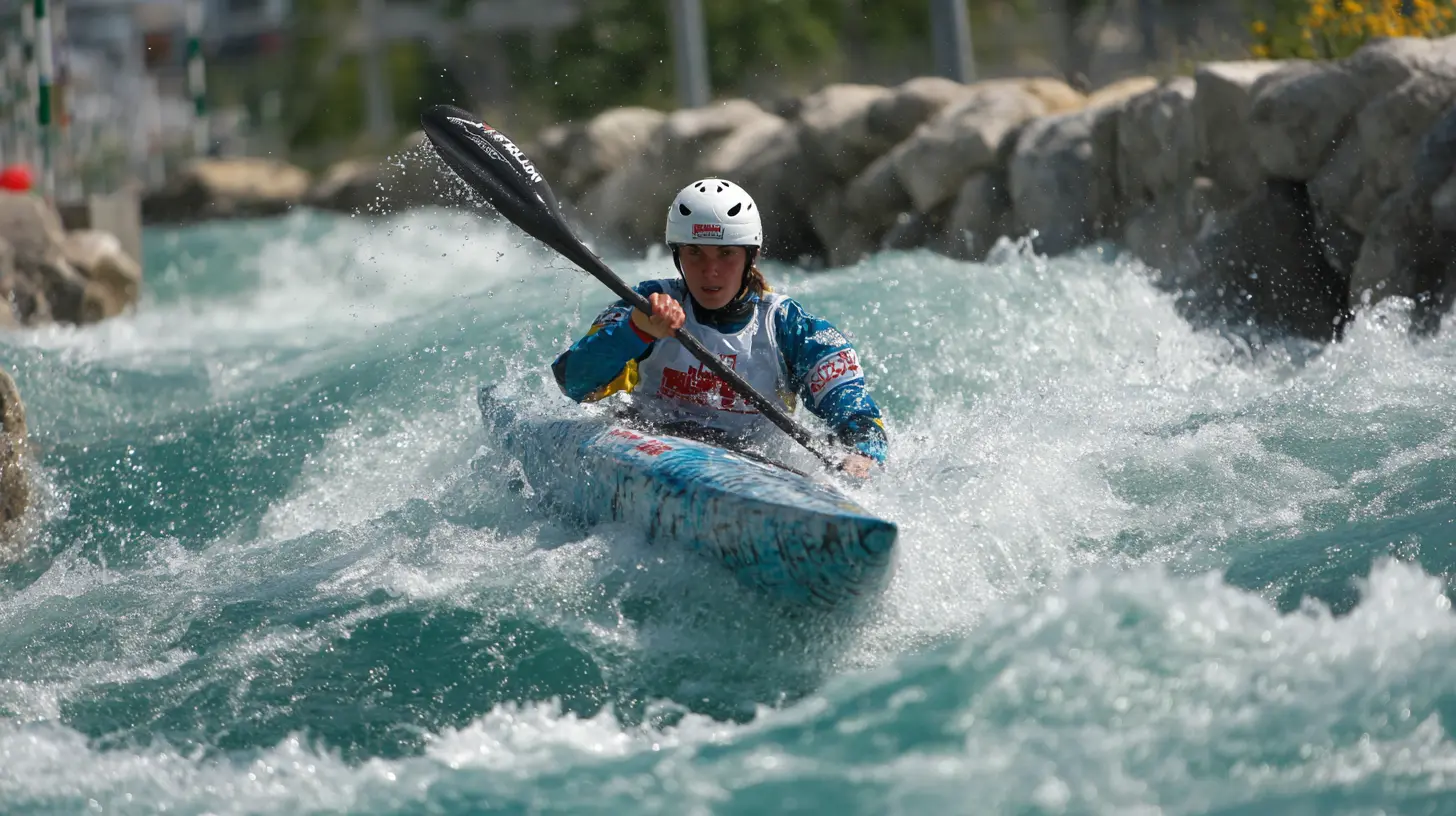
K1 is the most familiar class to casual viewers. Athletes sit in the boat, use a double-bladed paddle, and navigate both upstream and downstream gates. K1 rewards versatility. The best K1 paddlers can sprint, pivot, and read water with equal skill.The margin between medalists in K1 is often measured in tenths of a second. That means small mistakes matter enormously. A single clipped gate can cost two seconds, which is usually the difference between a podium and a mid-pack finish.
Men's and Women's Canoe (C1)
C1 requires the athlete to kneel in the boat and use a single-bladed paddle. This class demands more from the core and upper body, and it punishes poor balance. C1 athletes often take tighter lines because their boats turn differently, but they also have less margin for error when they lean too far.C1 has become increasingly competitive in recent years. The depth of the field is deeper than it was a decade ago, and several nations now have multiple athletes capable of winning medals.
Extreme Slalom
Extreme slalom is a newer format. It features four athletes racing simultaneously down a short course with rolls, drops, and contact. It is fast, chaotic, and increasingly popular with audiences. The 2026 championships will likely include this discipline, and it deserves attention because the skills required are different from classic slalom.Extreme slalom rewards aggression and adaptability. Athletes who are technically clean in classic slalom do not always excel here. The ability to recover from contact, read moving opponents, and make split-second decisions matters more than perfect gate technique.
The Athletes to Watch
Predicting medalists two years out is risky. Form changes, injuries happen, and young athletes emerge quickly. Still, some names and national programs are clearly positioned to contend.The Established Contenders
In K1, the usual suspects will be in the mix. Athletes from the Czech Republic, Germany, France, and Great Britain have historically dominated this class. What matters now is which of them can maintain peak form through 2026 while managing the physical toll of a long career.The key question for established athletes is not whether they have the skill. It is whether they still have the hunger and the ability to adapt. Courses are getting tighter, and athletes who learned to win on more open courses sometimes struggle when the water is slower and the gates are more technical.
In C1, the same nations tend to feature, but with a different balance. C1 is more forgiving for athletes who develop later, because the technical demands reward patience and precision over raw speed. That means the 2026 C1 fields could include athletes in their late twenties and early thirties who are only now reaching their peak.
The Rising Generation
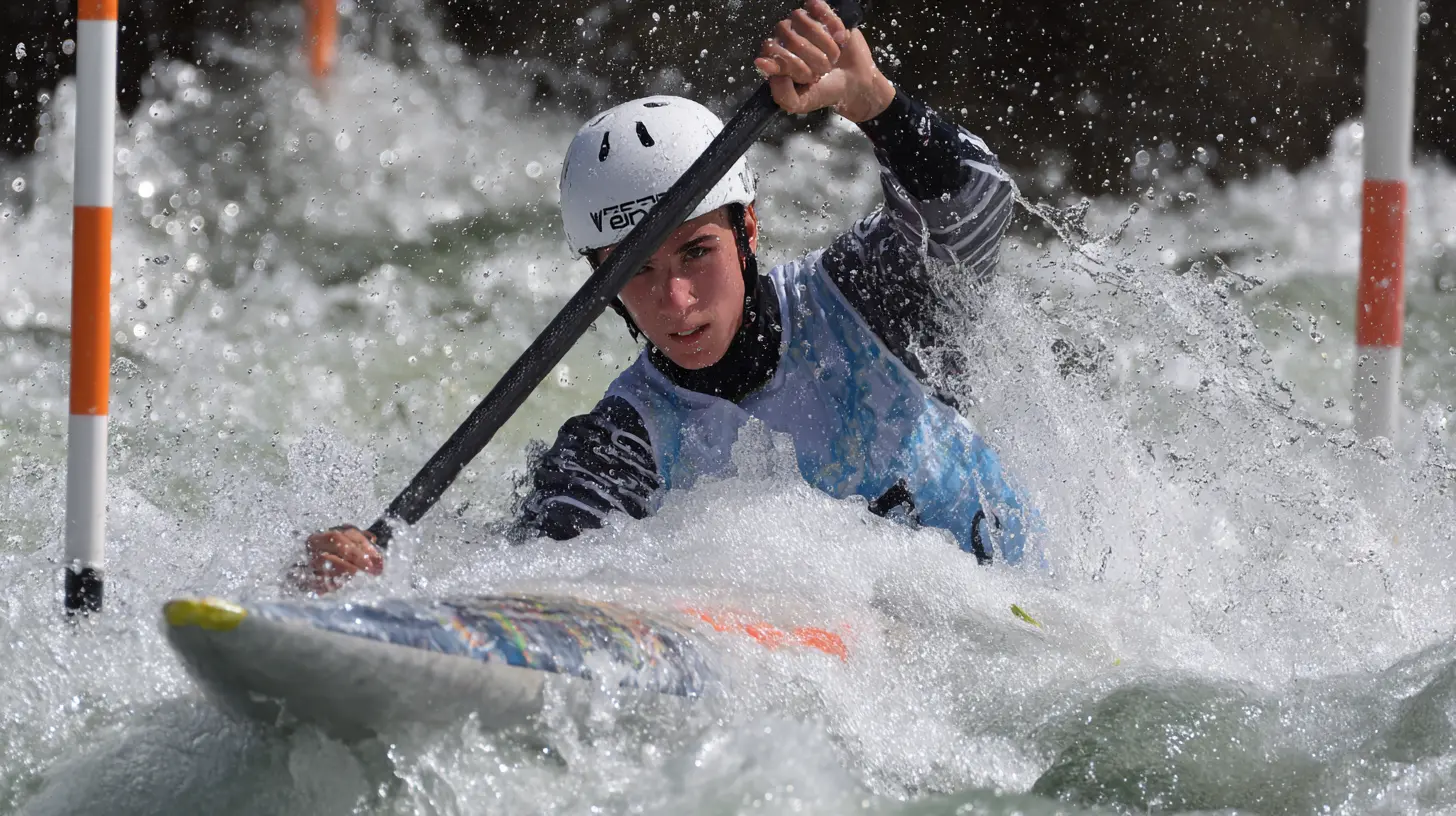
Every Olympic cycle produces a wave of young athletes who break through at exactly the right moment. The 2026 championships are likely to be that moment for several paddlers who were juniors or U23 competitors in the early 2020s.These athletes bring a few advantages. They have grown up with modern course design and are comfortable with tight, technical lines. They also tend to be more aggressive, because they have less to lose. The risk is that they lack experience in high-pressure finals, where a single mistake can end a medal run.
The athletes who succeed in 2026 will be the ones who combine youthful aggression with mature decision-making. That combination is rare, and it is why breakthrough performances often come from athletes who have already spent a few years on the senior circuit without winning.
Nations to Watch
Some national programs are consistently strong because of their coaching depth and training facilities. Others are strong because of a single exceptional athlete. The 2026 championships will reveal which programs have built sustainable systems and which are relying on individual talent.Czech, French, German, and British teams are likely to be deep across multiple classes. Other nations, including Slovenia, Slovakia, and Australia, have produced world-class athletes and could challenge in specific events. The interesting story will be whether any smaller program produces a surprise medal, which often happens when a single athlete has a breakthrough season.
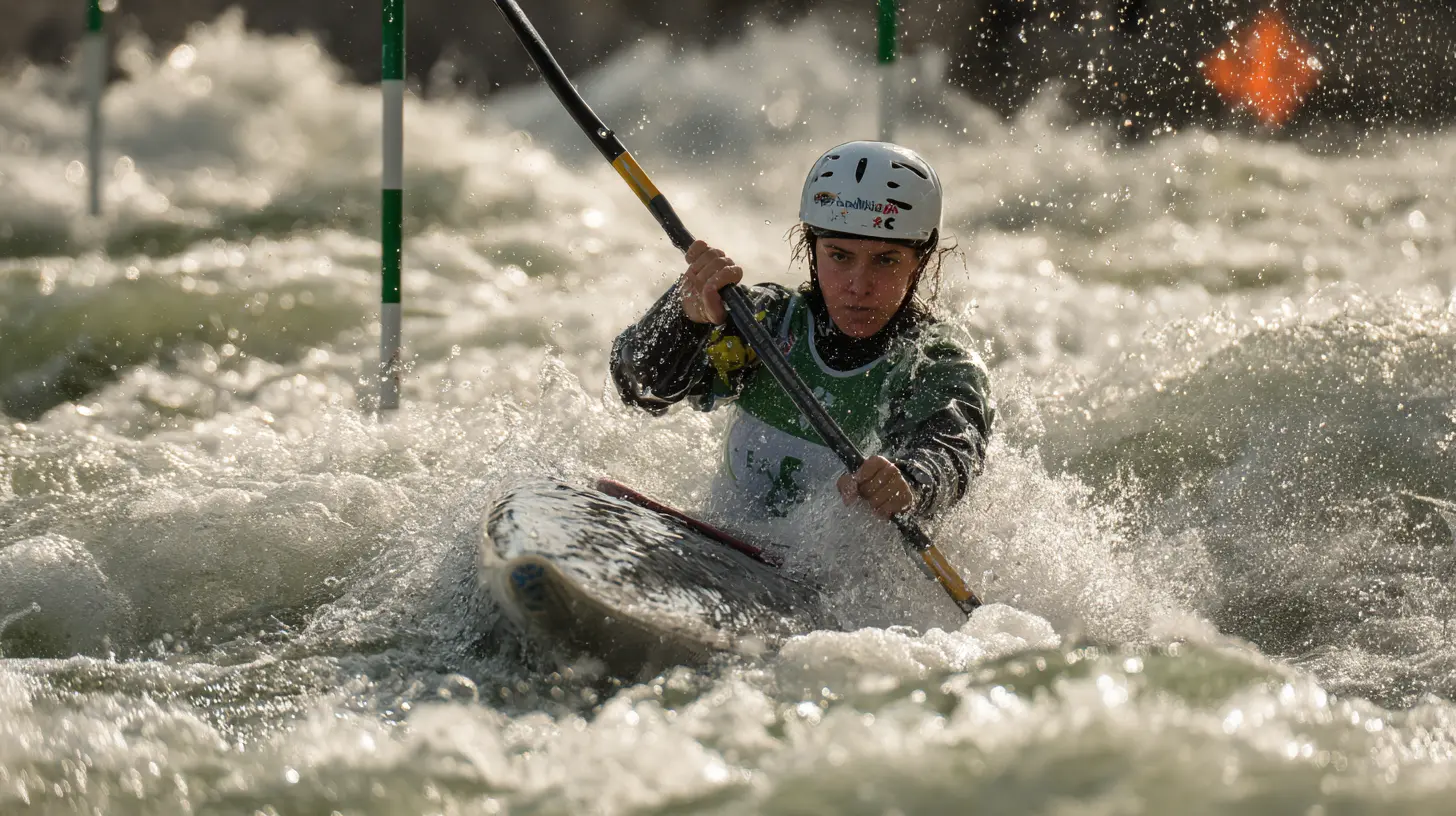
What Makes a Championship Course Different
World Championship courses are not the same as World Cup courses, and they are not the same as Olympic courses. The differences matter for predicting results.Course Setting Philosophy
Course designers at World Championships tend to favor technical difficulty over pure speed. They want to separate the field, and the best way to do that is to create gates that require precise boat control. That means more upstream gates, tighter offsets, and sequences that punish athletes who try to muscle through.This philosophy favors athletes who are technically clean. It also favors athletes who can stay calm when the course is not flowing the way they expected.
Water Conditions
Water conditions vary by venue. Some courses are steep and fast, with powerful currents that reward aggressive lines. Others are flatter and slower, where the water itself provides less help and athletes must generate their own speed.The 2026 venue will shape which athletes have an advantage. Athletes who train primarily on one type of course can struggle when the water behaves differently. That is why many top programs rotate training venues throughout the year.
The Role of Practice
Practice at a World Championships is limited. Athletes typically get a few runs before the race, and those runs are often split between different sessions. The ability to learn a course quickly is a skill in itself.Athletes who are good at reading water and adapting to new courses tend to do well at championships. Athletes who rely on repetition and fine-tuning specific lines can struggle when practice time is short.
Strategy and Decision-Making Under Pressure
Canoe slalom looks like a physical sport, and it is. But at the elite level, it is also a decision-making sport. The athletes who win are usually the ones who make the best decisions, not just the ones who paddle the hardest.Gate Selection and Line Choice
Every gate offers multiple possible lines. Some are faster but riskier. Others are slower but safer. Athletes must decide, often in fractions of a second, which line to take.The best athletes have a plan before they start, but they also adjust on the fly. If the water is different from what they expected, or if they see another athlete struggle, they may change their approach. That flexibility is what separates good athletes from great ones.
Risk Management
The biggest mistake athletes make at championships is taking unnecessary risks. A risky line might save half a second, but if it results in a gate touch, it costs two seconds. The math is unforgiving.Experienced athletes understand this. They take calculated risks, but they also know when to play it safe. Younger athletes sometimes struggle with this balance, which is why they often post fast times in practice but fail to deliver in finals.
The Psychology of Finals
Finals are different. The pressure is higher, the margins are smaller, and the consequences are bigger. Athletes who can manage their nerves and stay focused on the process rather than the outcome tend to perform better.Sports psychology has become a bigger part of slalom training. Athletes now work with mental performance coaches, practice visualization, and develop routines that help them stay calm. These techniques are not a substitute for skill, but they can make the difference when two athletes are evenly matched.
Common Mistakes and Misconceptions
Fans and even some athletes carry misconceptions about slalom that affect how they prepare and how they watch races.Misconception: Faster Is Always Better
In slalom, speed matters, but control matters more. An athlete who paddles at 100 percent effort but cannot hold a line will lose to an athlete who paddles at 90 percent and hits every gate cleanly. The goal is not maximum speed. It is maximum speed within the constraints of the course.Mistake: Ignoring the Upstream Gates
Upstream gates are where races are often decided. They require the athlete to fight the current and turn the boat against the flow. Athletes who do not practice upstream gates enough tend to lose time there, and that time is hard to recover.Mistake: Over-Training Before Championships
Some athletes train too hard in the weeks before a major event. They arrive tired, and their reaction times are slower. Tapering is a real science, and athletes who get it wrong pay the price.Practical Advice for Athletes and Coaches
For athletes preparing for the 2026 championships, the preparation process matters as much as the race itself.Build a Season Plan
Do not treat 2026 as a single event. Treat it as part of a longer plan that includes World Cups, continental championships, and training blocks. The athletes who peak at the right time are the ones who plan their season carefully.Train on Different Courses
If you only train on one course, you will struggle when the championship course does not suit you. Rotate venues. Train on fast water and slow water. Practice on courses that are set differently from what you are used to.Work on Weaknesses
Every athlete has weaknesses. Some struggle with upstream gates. Others struggle with tight offsets. Identify your weaknesses and work on them, even if it means spending less time on the things you are already good at.Manage Your Body
Slalom is hard on the shoulders, back, and core. Athletes who ignore recovery and injury prevention tend to break down at the worst possible time. Work with physiotherapists and strength coaches. Build a routine that keeps you healthy.
What to Watch For in 2026
As the championships approach, a few storylines will shape the event.Qualification Battles
In some nations, the competition to qualify for the team is almost as hard as the World Championships itself. Athletes who win internal selection battles often arrive with momentum. Those who lose may not get another chance.Course Design Choices
The course designer's philosophy will shape the results. A course that favors technical precision will produce different medalists than a course that favors speed. Watch how the course is set and adjust your expectations accordingly.The Extreme Slalom Factor
Extreme slalom adds a different kind of excitement. The racing is unpredictable, and the results do not always follow the form book. If the 2026 championships include this discipline, it could produce surprises that overshadow the classic events.Conclusion
The 2026 Canoe Slalom World Championships will be a test of skill, strategy, and nerve. The athletes who succeed will be the ones who combine technical precision with smart decision-making and the ability to perform under pressure. The event will also reveal which national programs have built sustainable systems and which are relying on individual talent.For fans, the championships offer a chance to see the sport at its highest level. For athletes and coaches, it is an opportunity to measure progress and set the stage for the next Olympic cycle. Either way, it is an event worth paying attention to.
all images in this post were generated using AI tools
Category:
Upcoming TournamentsAuthor:

Onyx Frye