How New Transfers Are Shaping Tactical Evolution in Football
8 January 2026
Football's a fast-moving beast, isn’t it? One season you're marveling at tiki-taka, and the next, you're engulfed in gegenpressing madness. But what really keeps the beautiful game fresh and unpredictable? That's right—player transfers.
Transfers aren't just about flashy unveilings, social media hype, or jersey sales. They literally rewrite tactical blueprints. Whether it's a nimble full-back revolutionizing wide play or a deep-lying playmaker pulling strings like a puppetmaster, new signings often become the catalysts for major tactical shifts.
So, grab your favorite jersey, sit back, and let’s dive deep into how these blockbuster moves are flipping the tactical script in football. ⚽🔥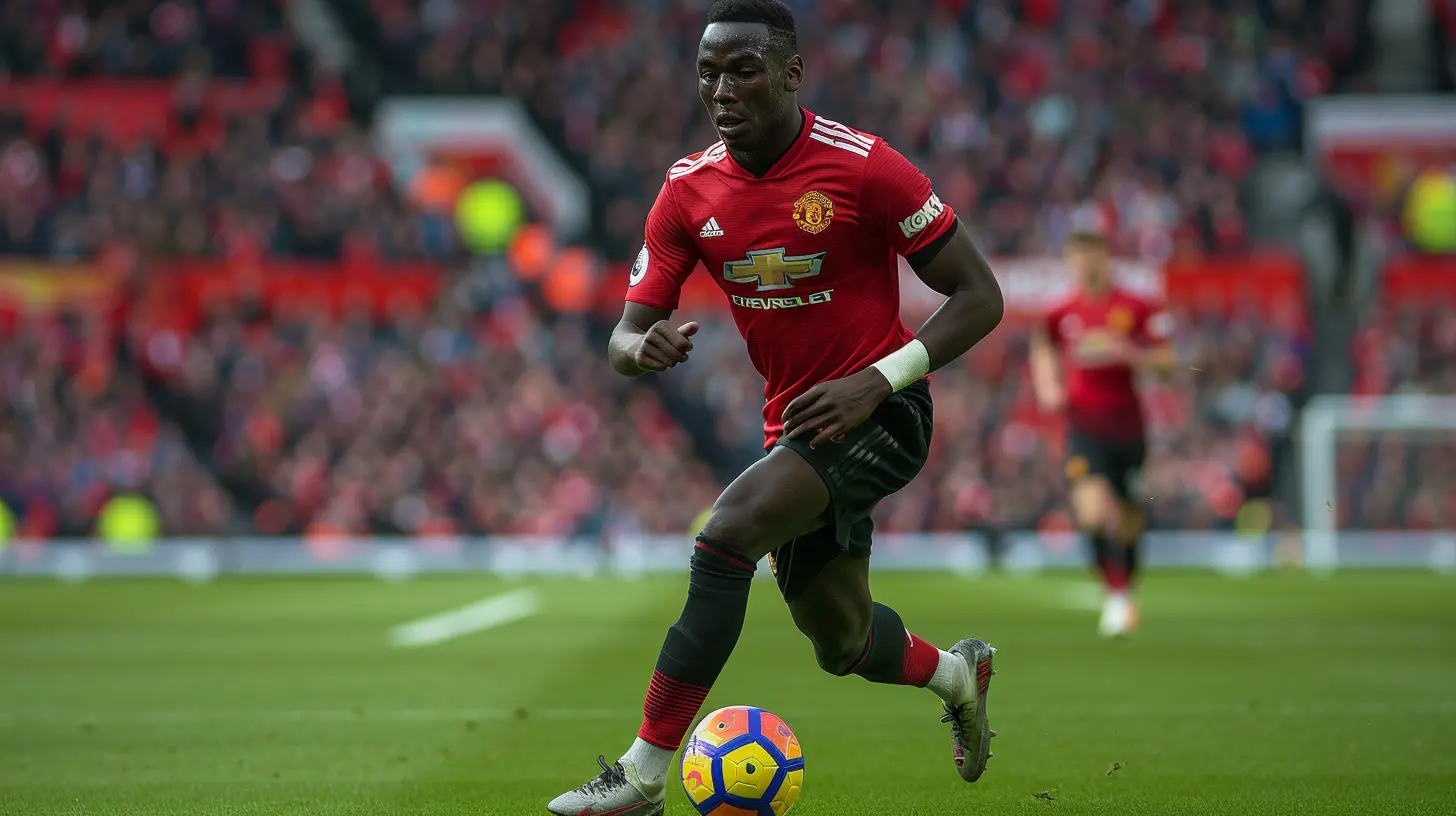
The Transfer Window: More Than Just a Shopping Spree
Let’s clear something up: clubs don’t just buy players for fun.Think of the transfer window as a chessboard. Each move is strategic. Managers and directors hunt for players who can plug gaps, unlock new systems, or completely overhaul how the team plays.
Remember when Pep Guardiola brought in Ederson at Man City? That wasn’t just a keeper transfer. It was a statement that the goalkeeper would now be the starting point of every attack. Boom—tactical shift.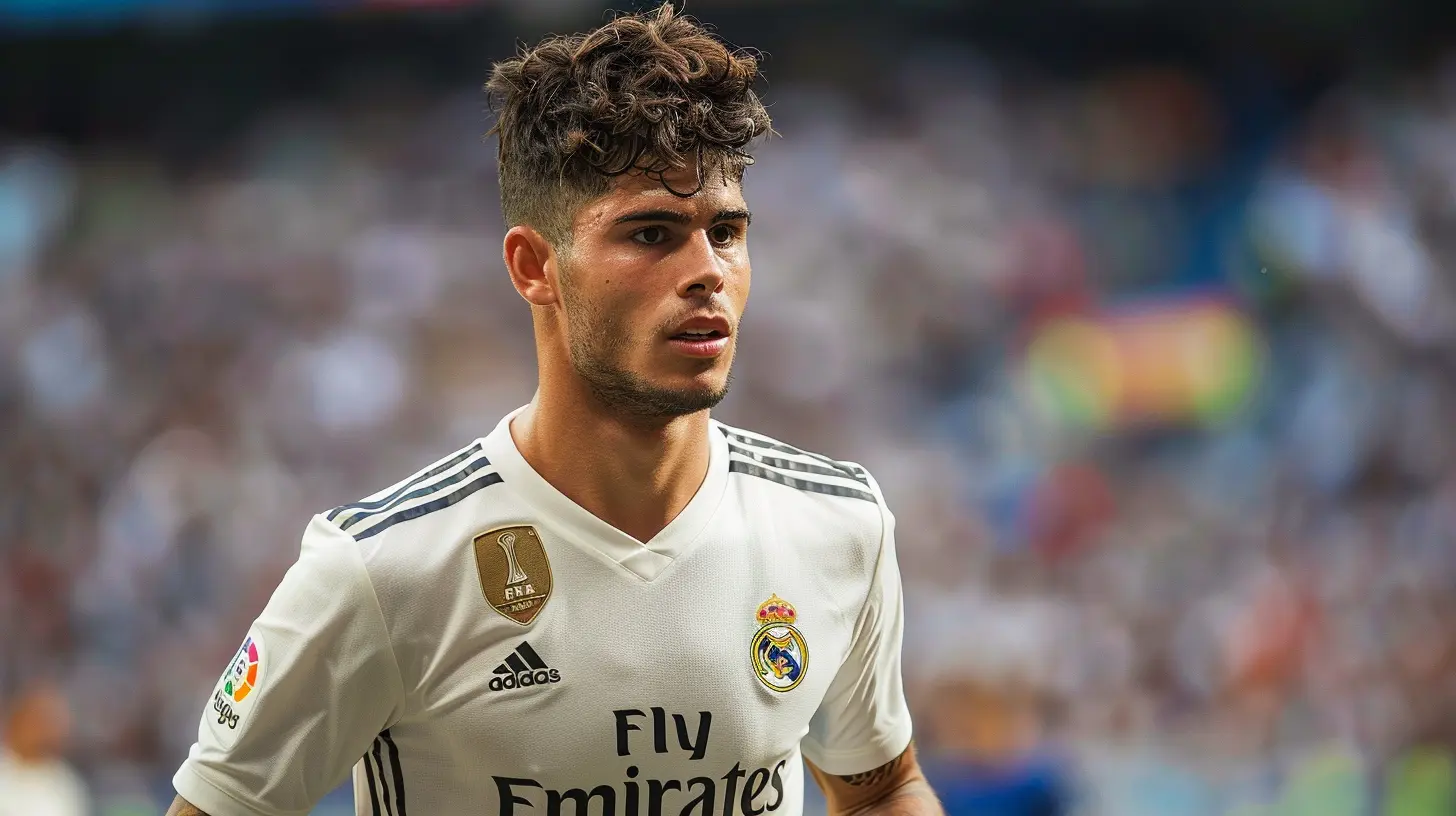
New Players, New Systems
Sometimes, a single signing can become the cornerstone of an entirely new formation.🧠 Intelligent Playmakers Redefining the Midfield
Take Jude Bellingham, for instance. When he landed at Real Madrid, most thought he’d slot into their already-stacked midfield. But what happened? Carlo Ancelotti tweaked the shape of the team to bring out Jude’s attacking instincts. Suddenly, Madrid were ripping through defenses with one extra man surging forward—tactically dynamic and unpredictable.And it’s not just Jude. Creative mids like Enzo Fernández and Alexis Mac Allister have transformed midfield energy, switching up gears between defense and attack like a finely-tuned engine.
🏃♂️Pacey Wingers Stretching the Game
Let’s talk about wingers. Clubs are snapping up rapid wide players to stretch games and pin opposition full-backs. Players like Mykhailo Mudryk and Raphinha aren’t just speedsters in cleats—they’re tactical weapons.By hugging the touchline, they create width, pull defenders out of position, and open up juicy pockets of space for attacking midfielders to exploit. Coaches are reshaping formations and encouraging inverted runs and overlaps all because they’ve got width monsters on their hands.
The Rise of the Versatile Player
Want to know what's cooler than a flashy trickster? A player who can slot into multiple positions without breaking a sweat.Enter: the new-age tactical chameleon.
♻️ Multi-Role Players Are Tactical Gold Mines
Think of João Cancelo. One minute he’s a left-back, the next he’s drifting into the midfield like a seasoned playmaker. These Swiss army knife players give managers the flexibility to switch tactics mid-match without using a single substitution.A three-man backline transitioning into a four depending on where that player pops up? That’s pure tactical sorcery.
And the best part? Transfers like these don't just add quality—they unlock Plan B, C, and D for a manager.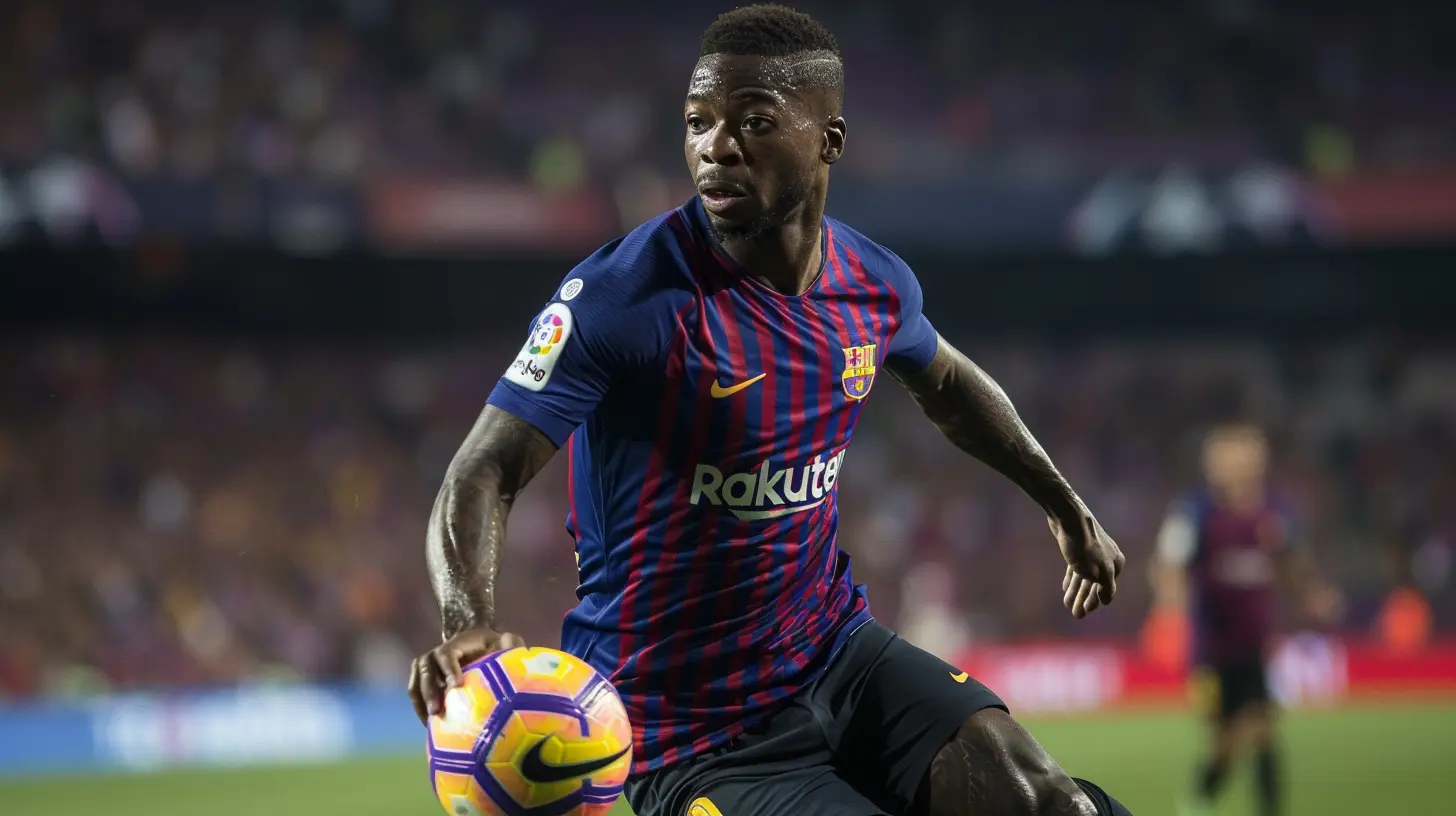
Pressing Monsters and Defensive Shifts
We can’t forget defense. In modern football, defenders aren’t just blockers—they’re key to pressing systems and build-up play.🧱 Ball-Playing Defenders are the New Rockstars
Gone are the days when center-backs just hoofed it long. Transfers like Lisandro Martínez to Manchester United and Josko Gvardiol to Manchester City have shown that having a defender who’s calm under pressure and pinpoint with passing is no longer a luxury—it’s a necessity.These guys aren't just defending—they're launching attacks from the back and dictating tempo.
🏋️ Press from the Front, Defend from the Middle
With forwards like Darwin Núñez and Rasmus Højlund being brought in not just for goals but for relentless pressing, it’s clear that managers value defensive work starting from the front.When your striker sets the tempo for a full-team press, the entire tactical structure gets a boost. It's like having a front-line general in the war room.
Goalkeepers as Quarterbacks? Yup!
This might sound wild, but it's the truth: modern goalkeepers are like NFL quarterbacks.🧤 Keepers Who Kickstart Attacks
Look at André Onana or Marc-André ter Stegen. Their passing range rivals midfielders. When these kinds of keepers arrive, the whole dynamic shifts. Center-backs split. Full-backs push up. Suddenly, build-up play starts from the 6-yard box.It’s not just about shot-stopping anymore—it’s about playmaking.
And when a team transitions from a traditional keeper to one who’s a passing maestro? That’s a tactical evolution in motion.
The Ripple Effects of Big-Name Transfers
Some signings are just so massive they cause a domino effect across multiple leagues.🌍 Copycat Tactics Across Europe
When Erling Haaland joined Manchester City, everyone watched. But most importantly, many copied. Suddenly, there was a renewed focus on proper No. 9s—those physical, goal-hungry strikers who bully defenses.Even teams who couldn’t snag a Haaland went looking for their own version of a dynamic striker. So, what happens? Tactical systems shifted to accommodate two strikers again, wide service increased, and the role of attacking full-backs was emphasized.
That’s tactical evolution sparked by one (massive) transfer.
Managers Adapting to New Toys
Let's not forget about the managers here. You give Klopp a more technical midfielder, and he might tone down the press a bit and focus more on ball control. You hand Arteta a top-class left-back who can defend and create, and suddenly you’ve got a full-on positional play revolution.🧠 Tactical Flexibility is the New Norm
Managers now build tactics around their newest additions. Before, you bought players to fit a system. Now, half the time, clubs reshape systems to fit elite-level players.Sounds backwards? Maybe. But it’s working—and fans are loving the unpredictability.
Youth Signings and Future-Proofing Tactics
Hang on—it's not just about immediate impact.When a club signs an 18-year-old wonderkid, they're not just thinking about next weekend's match. They're banking on how that player might open new tactical doors in two or three seasons.
🌱 Future Stars, Future Systems
Think of signings like Endrick (Real Madrid) or Arda Güler. These are kids with massive potential. Coaches might begin grooming new formations or roles early on, just to ensure their transition is smooth when they eventually explode onto the main stage.Long-term tactical planning? That’s football 3.0, baby.
Transfers During a Crisis: Tactical Patchwork
When you're dealing with injury crises or form dips, transfers aren't luxuries—they're lifelines.🧩 Emergency Signings Reshaping Philosophy
These are the under-the-radar moves that somehow end up influencing a team’s tactical outlook. A January signing meant to “cover” suddenly becomes the spark for a 4-2-3-1 shift. Or perhaps a loanee clicks so well that the backline turns into a back three overnight.Sometimes, the best tactics are born from necessity—and transfers are often the kickstarter.
Fans as Tactical Analysts
In the age of social media and analytics, fans aren’t just watching—they’re dissecting tactics like never before.👀 Every Transfer Gets a Deep Dive
The fanbase doesn't just ask “Is he fast?” anymore. It’s all about “How does his heatmap compare to the left-winger we sold?”Transfers are now understood as tactical tools by everyone involved. The modern football fan? Half analyst, half scout. We love it.
Final Whistle: Transfers Are Tactical Time Machines
To wrap it all up, let me lay this on you:Transfers don’t just change squads—they change football.
Each new player offers a new lens. A new way of seeing the game. They push managers out of comfort zones. They force rivals to adapt. They accelerate tactical evolution in ways we barely even notice at first.
So next time you see your club announce a new signing, don’t just think “Nice haircut.” Ask yourself: “What new doors does this open tactically?”
Because that’s the real magic of the transfer market: it's evolution with every signature.
all images in this post were generated using AI tools
Category:
Transfer NewsAuthor:

Onyx Frye
Discussion
rate this article
2 comments
Kismet Reed
Fascinating insights! It's intriguing to see how new transfers influence tactics. I wonder which clubs will adapt best and redefine the game this season!
February 12, 2026 at 5:17 AM
Onyx Frye
Thank you! It’s exciting to see how clubs creatively adapt to new players—definitely a season to watch for tactical shifts!
Yvette Duke
Exciting changes ahead, great insights!
January 9, 2026 at 2:02 PM
Onyx Frye
Thank you! I'm glad you found the insights engaging. Exciting times for football!