Olympic Dreams: How Young Athletes Balance School and Training
26 February 2026
Let’s face it—chasing Olympic gold while juggling homework, exams, and a social life? That’s no walk in the park. For young athletes with stars in their eyes and medals in their dreams, life becomes a high-stakes balancing act. Between early morning practices, late-night study sessions, and everything in between, these kids are doing more before breakfast than most of us do all day.
But how do they pull off this magical juggling act? Is there a secret sauce? Or are they just superheroes in gym shorts? Let’s dive deep into the world of young Olympic hopefuls and their incredible ability to balance school and elite-level training.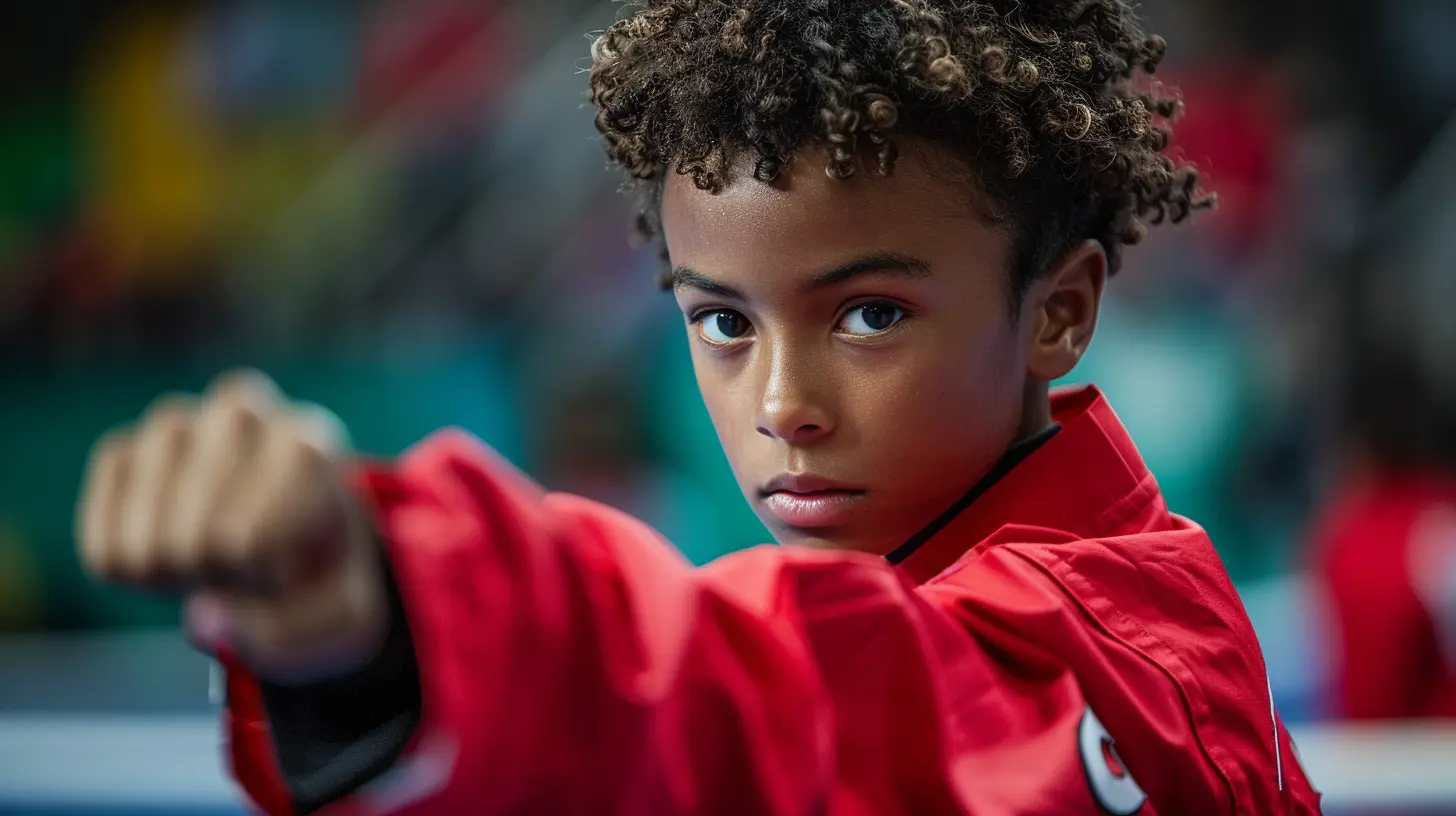
The Dream Begins Early
Most Olympic athletes don’t just wake up at 16 and decide they want to compete in the Games. Nope, the dream usually starts way earlier. We’re talking elementary school. While some of us were mastering stick-figure drawings, these kids were mastering figure skating jumps, gymnastic tumbling passes, or 100-meter butterfly strokes.So, by the time they're in middle or high school, they’re already knee-deep in national competitions, intense training schedules, and travel itineraries that look more complicated than a college syllabus.
The Daily Grind: What a Typical Day Looks Like
Ever heard the phrase “not enough hours in the day”? For young athletes, that might as well be their life motto.Here’s a glimpse at what a weekday can look like for a teen Olympian-in-training:
- 5:30 AM – Wake up and head to the first practice of the day.
- 7:30 AM – Quick shower and breakfast (usually on the go).
- 8:00 AM to 3:00 PM – School hours (in-person or online).
- 3:30 PM to 6:00 PM – Second training session (maybe even third).
- 6:30 PM – Dinner with the family (if they’re lucky).
- 7:00 PM to 9:00 PM – Homework, tutoring, or study time.
- 9:30 PM – Lights out (or trying to wind down).
Sound exhausting? That’s because it is. But here’s the thing—these kids wouldn’t trade it for anything.
School vs. Sports: The Tug-of-War
One of the biggest challenges young athletes face is managing school and training without letting one suffer. And let’s be honest, traditional schools aren’t exactly designed for students who miss classes to compete in nationals or international tournaments.Enter: Online and Flexible Schooling
Many young athletes turn to virtual schools or homeschool programs that offer flexible schedules. Platforms like K12, Laurel Springs, or specialized athlete-focused academies allow students to complete coursework at their own pace. Some even have partnerships with sports organizations.That said, it’s not all sunshine and gold medals. Online learning comes with its own set of difficulties like self-discipline, limited social interaction, and tech hiccups that can leave students scrambling.
The Role of Teachers and Coaches
Supportive teachers and coaches are game-changers. A teacher who agrees to reschedule a test? MVP. A coach who emphasizes mental well-being alongside physical performance? Absolute legend. Communication is key here. Many young athletes keep their teachers in the loop about their training schedules and travel plans to stay ahead of the academic curve.
Time Management: The Real MVP Skill
Time? What’s that? For student-athletes, time management isn’t just a skill—it’s survival. Balancing school and training means learning how to prioritize like a pro.Some Go-To Time Management Hacks:
- Blocking out time: Using calendars and planners, some athletes map out every hour of their day.- Setting micro-goals: Breaking homework or training into manageable tasks keeps stress levels down.
- Limiting distractions: Goodbye, TikTok rabbit holes. Hello, focus mode.
- Mental reset moments: Whether it’s five minutes of meditation or a power nap, mental breaks help recharge.
Let’s be honest, though. Even the best-organized students slip up. Sometimes an assignment gets missed. Sometimes they just fall asleep on their textbooks. And that’s okay.
Mental Health: The Unsung Hero
All that pressure? It can mess with your head. The emotional toll of trying to be perfect in both academics and athletics is real.Anxiety, burnout, and even depression are not uncommon among young athletes. Think about it—if you're constantly expected to perform at a top level and still ace your exams... that's a heavy load for anyone, let alone a teenager.
Coping Strategies That Make a Difference:
- Therapy and Counseling: Schools and sports programs increasingly offer mental health resources—thank GOODNESS.- Open Communication: Athletes who talk to their parents, friends, or coaches about what they’re going through are way less likely to feel overwhelmed.
- Rest Days: Yes, skipping a workout sometimes is the healthiest choice. The body and the mind both need recovery.
The Power of Passion and Purpose
So, why do these young athletes keep going?Simple. They love it.
Training for the Olympics isn’t just about medals or fame. It’s about the thrill of competition, the joy of improving, and the pride of representing something bigger than yourself—whether it’s your school, your hometown, or your country.
That passion fuels the early mornings, the exhausting days, and the missed birthday parties. Purpose makes the pressure worth it.
Family: The Backbone Behind the Dream
Let’s not forget the team behind the team. Parents, siblings, and guardians often make massive sacrifices to support their athlete’s dreams.From driving hundreds of miles for competitions to investing in coaches, gear, and training camps, the family commitment is real. And the emotional support? That’s priceless.
Many families even rearrange their entire lives around an athlete’s schedule. Weekend getaways become tournament trips. Vacation money goes to plane tickets. It’s a full-on team effort.
Real Stories: Young Athletes Doing It Right
Let’s take a look at a few real-life examples (names changed for privacy, but stories inspired by many):Emily – The Swimmer
At 15, Emily trains twice a day and attends an elite online school. She finishes homework between her swim sessions and uses weekends for biology labs and group projects. Her secret weapon? A whiteboard calendar that tracks every assignment, swim goal, and even chill time.Jordan – The Gymnast
Jordan’s schedule is stacked. With five hours of training daily and weekend competitions, school happens in the evening. Jordan’s parents hired a tutor to help keep things on track. “It’s all about routine,” Jordan says. “And naps.”Liam – The Track Star
Liam still attends a traditional public high school. His teachers know when he's out for events and help him catch up. His coach even works with the school to adjust his training time around exams. “It’s like two full-time jobs,” Liam says, “but I wouldn’t trade it for anything.”The Long Game: Preparing for Life Beyond Sports
Not every young athlete will make it to the Olympics—and that’s okay. Even for the lucky few who do, sports careers are short-lived.That’s why education still matters. Big time.
Schools, parents, and coaches who emphasize academic success help athletes prepare for a future beyond the arena. Sports teach discipline, time management, and resilience—skills that are pure gold in any career.
Many athletes go on to earn scholarships, become coaches, or inspire the next generation. The Olympic dream may light the way, but the journey builds a brighter future.
So, How Do They Really Do It?
With grit, grace, and a whole lot of support.Balancing school and training isn’t a solo mission. It’s a delicate dance choreographed with careful planning, constant communication, and an unshakable love for the sport.
Sure, it’s hard. But for these young dreamers? The finish line isn’t just the podium—it’s achieving greatness in all areas of life.
So next time you see a young athlete sprinting to class with a duffel bag and a smoothie in hand? Give ‘em a mental high-five. They’re not just learning equations and techniques—they’re mastering life.
all images in this post were generated using AI tools
Category:
OlympicsAuthor:

Onyx Frye
Discussion
rate this article
2 comments
Tala Hines
This article highlights the incredible dedication young athletes demonstrate in juggling academics and intense training. Their commitment to both pursuits showcases resilience, and serves as an inspiring model for future generations.
March 8, 2026 at 1:56 PM
Onyx Frye
Thank you! I'm glad you found the article inspiring. Young athletes truly exemplify resilience and dedication.
Melissa McClary
Absolutely inspiring! Juggling school and training is no small feat, but these young athletes are proving that dedication and hard work can turn dreams into reality. Keep shining, future Olympians! 🌟🏅
February 27, 2026 at 2:03 PM
Onyx Frye
Thank you! Their determination truly sets a remarkable example for all. Excited to see where their journeys take them!