Mental Visualization Techniques for Endurance Athletes
2 February 2026
Endurance sports are not just about muscles, stamina, and grit. Sure, those things matter. But there’s another aspect that often goes overlooked—the mind. Athletes who push their physical limits in sports like running, cycling, or swimming know that mental toughness can make all the difference between a good performance and a personal best. This is where mental visualization techniques come into play, offering a powerful tool to help endurance athletes unlock their full potential.
Now, if you’re wondering what mental visualization is, don’t worry. I’ve got you. It’s essentially a mental rehearsal, where you vividly imagine yourself performing a task—before you actually do it. Think of it as running a race in your head before you lace up your shoes and hit the track. Sounds simple, right? But there’s a whole lot more to it than just daydreaming about crossing the finish line.
In this article, we’re going to dive deep into how endurance athletes can use mental visualization techniques to improve performance, enhance focus, and smash through those mental barriers that often hold us back.
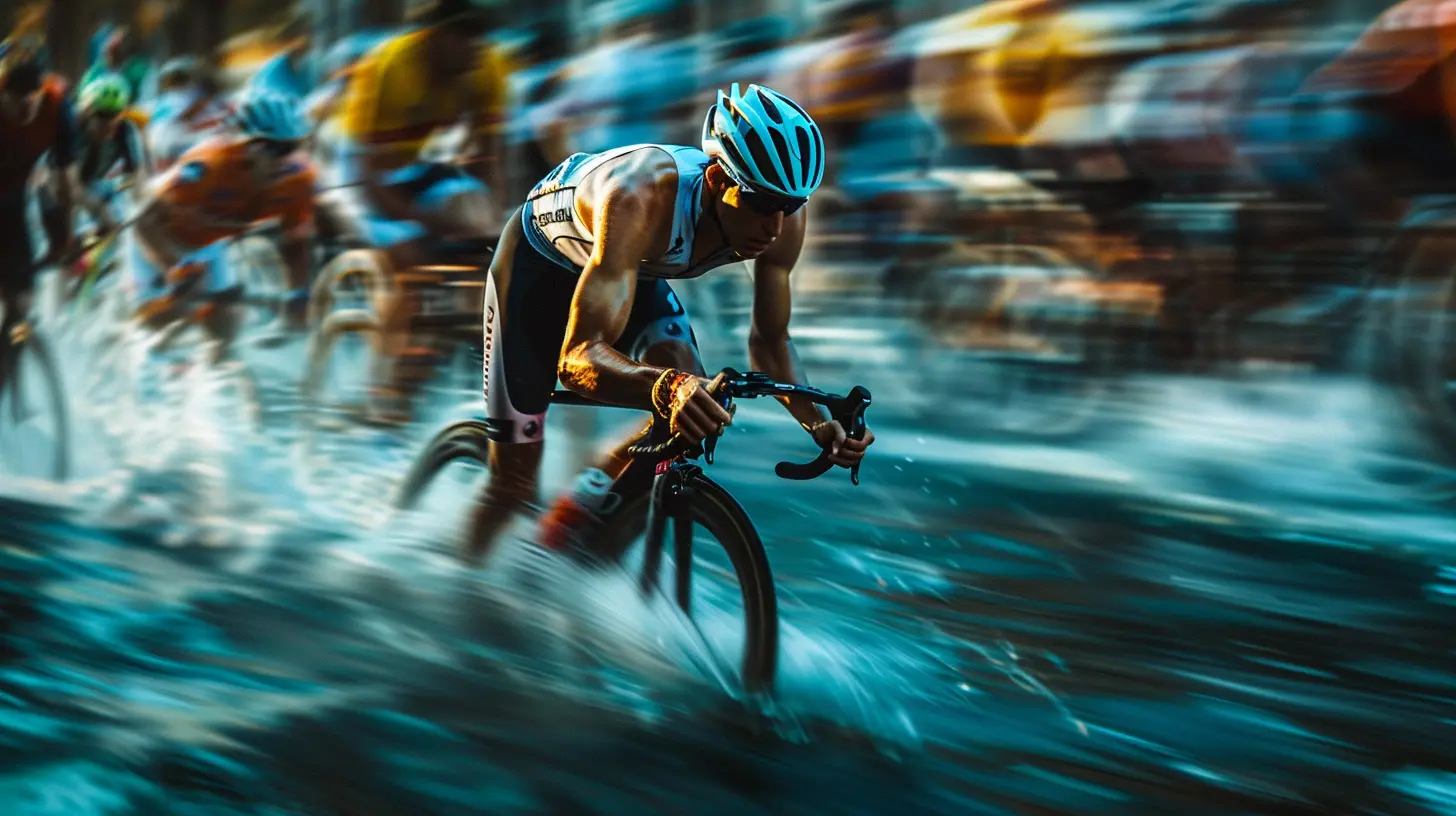
Why Mental Visualization Matters for Endurance Athletes
When it comes to endurance sports, the physical side of things is only half the battle. The mental aspect is equally crucial. You can be in peak physical condition, but if your mind isn’t in the right place, you might struggle to perform at your best. Mental visualization helps bridge that gap by preparing your mind for the challenges ahead.Think about it for a second. How many times have you felt like giving up during a long run or ride, not because your body couldn’t handle it, but because your mind started doubting your ability to continue? This is where mental visualization can be a game-changer. By regularly practicing visualization techniques, you can train your brain to stay calm, focused, and positive, even when the going gets tough.
The Science Behind Mental Visualization
Before we get into the nitty-gritty of how to practice mental visualization, let’s talk briefly about the science behind it. Research has shown that visualization can activate the same neural pathways in the brain as actually performing the task. In other words, when you imagine doing something—like running up a hill or cycling through a tough stretch—your brain fires up the same neurons as if you were physically doing it.This is why visualization is so effective. It's like mental weightlifting. You’re training your brain to navigate the challenges of your sport without actually putting physical strain on your body. And when race day comes, your mind will already know how to handle the pressure, which can give you a serious edge.

Key Mental Visualization Techniques for Endurance Athletes
Now that you understand why mental visualization is important, let’s explore some specific techniques that endurance athletes can use to boost their performance.1. The Perfect Race Visualization
This technique involves mentally rehearsing your entire race from start to finish. Picture the entire experience in vivid detail—what the course looks like, how the weather feels, the sounds of the crowd, and even the taste of the energy gel you’ll consume halfway through. Most importantly, imagine yourself performing at your absolute best.Visualizing the perfect race can help you build confidence. It’s like writing a mental script for success. When you’ve already seen yourself succeed in your mind, it becomes easier to believe that you can do it in real life. Athletes who practice this technique often report feeling more prepared and less anxious on race day.
How to Practice It:
- Find a quiet space where you won’t be interrupted.- Close your eyes and take a few deep breaths to relax.
- Start visualizing the race from the moment you step up to the starting line.
- Picture yourself feeling calm, confident, and strong throughout the race.
- Imagine crossing the finish line with a sense of accomplishment.
2. Overcoming Obstacles Visualization
No race goes perfectly according to plan. You might encounter unexpected challenges—like a steep hill, cramping, or fatigue setting in earlier than expected. This technique involves visualizing yourself facing those obstacles and overcoming them with ease.By mentally rehearsing how you’ll handle challenges, you’re preparing yourself to stay calm and focused when things don’t go as smoothly as planned. This technique helps you develop resilience and mental toughness, which are essential for endurance athletes.
How to Practice It:
- Close your eyes and imagine a specific challenge you might face during your race.- Visualize yourself responding to the challenge in a positive and effective way. For example, picture yourself adjusting your pace when fatigue hits or using a breathing technique to stay calm on a tough climb.
- Repeat this process with different obstacles until you feel confident in your ability to handle anything that comes your way.
3. Sensory Visualization
This technique takes things a step further by incorporating all five senses into your mental imagery. Instead of just seeing yourself perform, try to feel the wind on your face, hear the sound of your footsteps, and even smell the fresh air. The more detailed and realistic your visualization, the more effective it will be.Sensory visualization can help you stay present and focused during your training or race. When you’re fully immersed in the experience, it’s easier to block out distractions and stay in the zone.
How to Practice It:
- Close your eyes and start by visualizing the environment around you—whether it’s a track, trail, or road.- Imagine the physical sensations of running or cycling—how your muscles feel, your heartbeat, and your breathing rhythm.
- Add in other sensory details like the sound of your shoes hitting the ground, the smell of the air, and the taste of the energy bar you’ll eat.
- Try to make the experience as realistic as possible.
4. Positive Self-Talk Visualization
This technique combines visualization with positive affirmations. As you visualize yourself performing, incorporate positive self-talk to reinforce your confidence and motivation. For example, as you mentally run up a hill, tell yourself, “I am strong. I can do this. My legs are powerful.”Positive self-talk is a powerful tool for endurance athletes because it helps counteract negative thoughts and self-doubt. When you practice this regularly, you’ll start to notice a shift in your mindset during races. Instead of thinking, “I can’t keep going,” you’ll naturally start telling yourself, “I’ve got this.”
How to Practice It:
- Visualize yourself during a challenging part of your race.- As you picture yourself pushing through the difficulty, repeat positive affirmations like, “I am capable,” “I am fast,” or “I am unstoppable.”
- Keep practicing this until positive self-talk becomes second nature.
5. Recovery Visualization
Endurance athletes often focus so much on performance that they forget about recovery. Visualization can also be a great tool for helping your body recover after a tough workout or race. By mentally visualizing your muscles healing, you can enhance the recovery process.This technique is especially useful for athletes who struggle with injury or fatigue. Visualization can help you stay positive during recovery and promote a faster healing process.
How to Practice It:
- After a workout or race, find a quiet space to relax.- Close your eyes and visualize your muscles repairing themselves. Imagine blood flowing to the areas that need healing.
- Picture yourself feeling stronger and more energized with each breath.
- Practice this regularly to support your body’s recovery process.
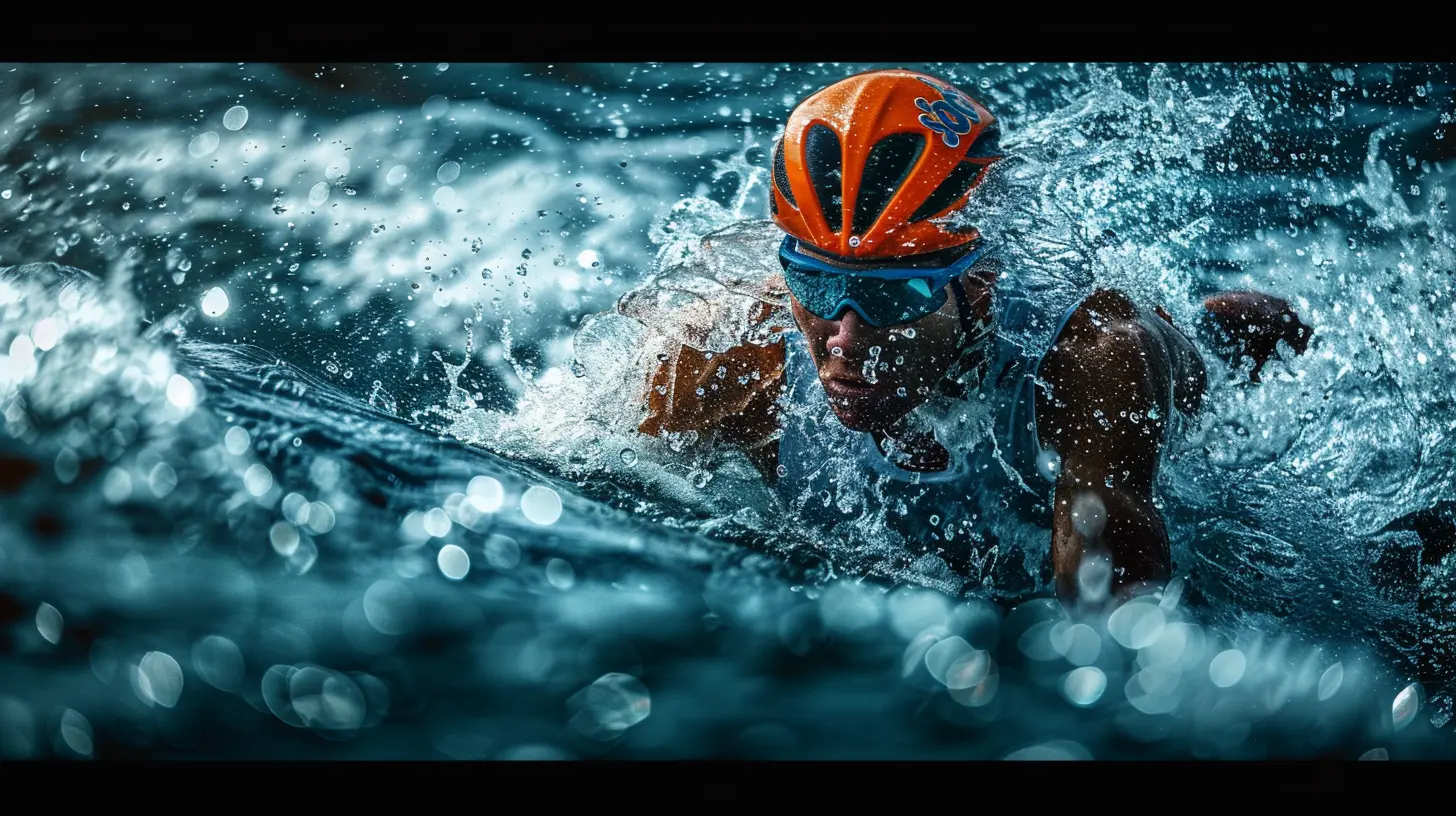
How to Incorporate Visualization into Your Training
Now that you know the techniques, the next step is to incorporate them into your training routine. Visualization should be practiced regularly, just like any physical training. Here are a few tips on how to do that:- Set Aside Time: Dedicate 10-15 minutes each day to practicing visualization. You can do this in the morning before your workout, in the evening, or even during a break at work.
- Combine with Meditation: Visualization pairs well with meditation. You can start with a few minutes of mindfulness meditation to calm your mind before diving into your mental imagery.
- Use It Before Races: In the days leading up to a race, spend extra time visualizing your performance. This will help you feel more prepared and less anxious when race day arrives.
- Stay Consistent: Like any skill, visualization takes practice. The more you do it, the more effective it will become. Stick with it, even if it feels a bit awkward at first.

The Mental Advantage
At the end of the day, endurance sports are as much a mental game as they are a physical one. While you may spend hours training your body, don’t forget to train your mind too. Mental visualization techniques can give you that extra edge, helping you stay focused, confident, and resilient, no matter what challenges come your way.Whether you’re aiming for a personal best or just trying to finish a grueling race, visualization can help you get there. So why not give it a try? The next time you’re out on a long run or ride, take a few minutes to picture yourself crushing it. You might be surprised at just how powerful your mind can be.
all images in this post were generated using AI tools
Category:
Endurance SportsAuthor:

Onyx Frye
Discussion
rate this article
2 comments
Blake Kirkpatrick
Great tips for boosting performance!
February 23, 2026 at 5:03 AM
Onyx Frye
Thank you! I'm glad you found the tips helpful!
Spencer Hunter
Great insights on mental visualization! It's fascinating how these techniques can enhance performance for endurance athletes. Implementing such strategies could really change the game for many competitors. Keep it up!
February 2, 2026 at 1:45 PM
Onyx Frye
Thank you! I'm glad you found the insights valuable. Mental visualization can truly be a game-changer for athletes!