Leadership Styles of Legendary Athletes
28 October 2026
When we talk about legendary athletes, we usually focus on the obvious: the game-winning shots, the record-breaking seasons, the highlight reels that refuse to fade. But there is another layer to greatness that rarely gets the spotlight it deserves. The best athletes in history were also leaders, whether they wanted the label or not. Some embraced it loudly. Others carried it quietly. And the way each of them led tells us something useful about leadership itself, something that applies far beyond the arena.
This article looks at the leadership styles of legendary athletes with a practitioner's eye. Not just what they did, but why it worked, when it stops working, and what anyone trying to lead a team can take from it. Because leadership in sports is one of the most honest laboratories we have. The scoreboard does not care about your intentions. Results expose everything.

Why Athlete Leadership Is Different From Corporate Leadership
Before digging into specific styles, it is worth understanding why athlete leadership deserves its own conversation. In a typical workplace, a leader has formal authority. They can hire, fire, promote, and set policy. An athlete leader usually has none of that. They cannot cut a teammate. They cannot change the salary structure. What they have is credibility, earned through performance and presence.This constraint makes athlete leadership unusually pure. Influence has to come from respect, not from a job title. When a veteran point guard speaks in the huddle, teammates listen because that player has been in the fire and delivered. When a captain loses that edge, the room goes quiet in a different way. The authority evaporates fast.
There is also the pressure of public scrutiny. Athlete leaders perform their leadership in front of cameras, critics, and millions of people. Every gesture gets analyzed. That visibility creates a strange dynamic: leaders must be authentic enough to earn trust internally while being composed enough to survive externally. Few people face that combination in an office.
Finally, sports leadership is compressed. Seasons end. Careers end faster. A leader has months, not decades, to shape a group. That urgency produces styles that are sharper and more deliberate than what you often see in slower-moving organizations.

The Vocal Commander: Leading Out Loud
Some legendary athletes lead primarily through their voice. They set the tone in practice, call out standards in the huddle, and are not shy about holding teammates accountable in real time.What This Style Looks Like
Think of the quarterback who gathers the offense before a critical drive and tells everyone exactly what he expects. Or the basketball star who, during a timeout, takes over the whiteboard conversation. This leader is visible, verbal, and emotionally present. They do not wait for problems to resolve themselves.Why It Works
Vocal leadership works because it removes ambiguity. Teams drift when nobody names the standard. A vocal leader names it, repeatedly. In high-pressure moments, that clarity is calming. Players do not have to guess what matters. They hear it.It also creates accountability in public, which raises commitment. When a leader says out loud, in front of everyone, that a certain effort level is non-negotiable, backing down becomes harder. Social pressure, used well, becomes a performance tool.
When It Backs Fires
This style fails when the voice outruns the performance. A vocal leader who is not producing gets tuned out quickly. Teammates forgive a lot, but not hypocrisy. It also fails with groups that need encouragement more than correction. Constant vocal direction can read as control, and proud, experienced teammates resist being managed like rookies.What to Consider Before Adopting It
Ask yourself two questions. First, does your performance back your words? Second, can you read the room? The best vocal leaders are not just loud. They are precise. They know when to push and when to pull back. If you cannot make that distinction, a quieter approach may serve you better.
The Quiet Professional: Leading by Standard
Not every legendary leader gives speeches. Some lead almost entirely through the way they work.What This Style Looks Like
This is the athlete who arrives first, leaves last, and treats every rep like it matters. They rarely raise their voice. They rarely give speeches. But when they do speak, the room stops. Their leadership is a living standard, and teammates either rise to it or feel the gap.Why It Works
Quiet leadership works because it is impossible to argue with. You can dismiss a speech. You cannot dismiss a person who outworks everyone in the building. This style builds credibility slowly and then holds it permanently.It also protects team culture in a subtle way. When the best player on the team is also the hardest worker, it becomes socially expensive to cut corners. Nobody wants to be the person who slacks next to the legend. That is leadership through environment, not instruction.
The Trade-Off
The cost of this style is speed. Quiet leaders influence by example, and example takes time to land. In a short season or a crisis moment, a team may need words, not just a model. A quiet leader who refuses to speak when the moment demands it leaves a vacuum, and vacuums get filled by louder, less careful voices.Common Mistake
The most common mistake with this style is confusing silence with leadership. Simply being good at your job is not leading. Quiet leadership still requires deliberate connection: mentoring younger players, pulling a struggling teammate aside, setting expectations one on one. The standard has to be visible and explained, or it just looks like talent.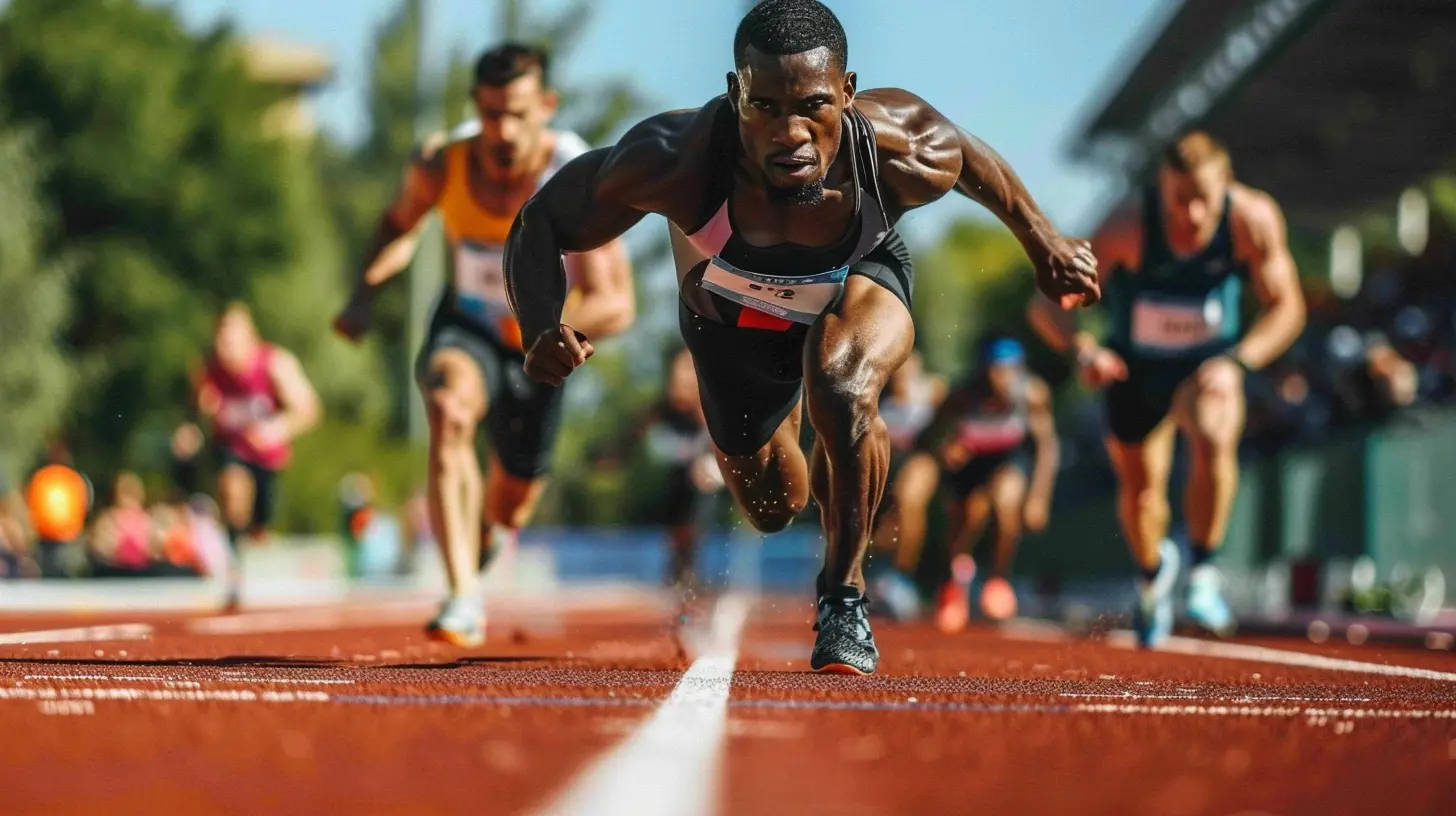
The Emotional Engine: Leading Through Energy and Connection
Some athletes lead through feeling. They read the emotional temperature of the group and adjust it. They fire up a flat locker room, calm a panicked huddle, and make every teammate feel seen.What This Style Looks Like
This leader is the one who celebrates others' successes louder than their own. They check on teammates after mistakes. They bring energy into practice on days when nobody else has any. Their leadership is relational, and it runs on genuine care.Why It Works
Teams are emotional systems before they are tactical ones. A group that feels connected plays harder for each other. An emotional leader builds that connection deliberately. They create psychological safety, which lets players take risks without fearing humiliation. That safety shows up in performance: players move faster, communicate more, and recover from mistakes quicker.When It Goes Wrong
Emotional leadership fails when it becomes mood leadership. If the leader's energy dips, the whole team dips with it. That dependency is dangerous. The best emotional leaders manage their own state first and treat their energy as a responsibility, not a feeling.It also fails when it tips into favoritism. Connection is powerful, but it must be distributed fairly. A leader who only invests in their close friends splits the room without meaning to.
The Competitive Alpha: Leading Through Fire
Some legends lead by raising the temperature. They compete ferociously in practice, demand the same from everyone, and treat every drill like a championship.Why It Works, Sometimes
This style sets a floor. When the best competitor in the room refuses to coast, coasting becomes socially unacceptable. It also prepares teams for pressure, because the leader makes practice harder than games. Players who survive that environment often find real competition almost relaxing.The Real Risks
The competitive alpha style has a narrow margin. Pushed too far, it breeds resentment, burnout, and quiet quitting. Teammates start competing with the leader instead of with the opponent. The style also ages poorly. What motivates a 22-year-old may exhaust a 32-year-old veteran with a family and a body that needs recovery.The leaders who make this style work long term share one trait: they direct their fire at standards, not at people. They attack the drill, the mistake, the sloppy rep. They do not attack the person. That distinction is everything.
The Player-Coach Hybrid: Leading Without the Title
Some legendary athletes function as an extension of the coaching staff. They translate the game plan, manage personalities, and act as a bridge between the locker room and the sideline.Why This Role Matters
Every team has a gap between what coaches say and what players hear. A player-leader who speaks both languages closes that gap. They can deliver a hard message in a way that lands, because it comes from someone who bleeds alongside the group.The Tightrope
This style requires political skill. Lean too far toward management and the locker room sees you as a spy. Lean too far toward the players and coaches stop trusting you. The athletes who thrive here are honest in both directions, which means occasionally being unpopular in both rooms.When to Avoid It
If you are early in your career, do not force this role. Credibility has to come first. A young player who tries to mediate between coaches and veterans usually gets ignored by both. Earn your standing on the field, then expand your influence.Situational Leadership: The Style Behind the Styles
Here is the insight that ties all of this together. The truly legendary leaders were rarely one thing. They were situational.A captain might be a quiet professional for most of the season, then become the loudest voice in the room during a playoff series. Another might lead through emotional connection for years, then switch to hard accountability when the team starts coasting. The style served the moment, not the leader's ego.
This is the core lesson. Leadership styles are tools, not identities. The mistake most people make is picking a favorite style and applying it everywhere. The expert move is reading what the group needs right now, at this point in the season, with these specific people, and responding accordingly.
How to Read What the Team Needs
Ask three diagnostic questions:1. Is the team uncertain or overconfident? Uncertainty calls for clarity and vocal direction. Overconfidence calls for challenge and raised standards.
2. Is the team fragile or complacent? Fragile teams need connection and safety. Complacent teams need a spark, sometimes an uncomfortable one.
3. What is the cost of the current approach? If the team is winning but tense, you may be overcorrecting. If the team is loose but losing, the standards have slipped.
Common Misconceptions About Athlete Leadership
A few myths deserve direct correction.Myth: The best player is automatically the leader. Not true. Talent earns attention, not trust. Some great players lead naturally. Others never do, and teams suffer when leaders are chosen by stats instead of by influence.
Myth: Leaders are born, not made. Leadership is a skill set. Reading rooms, delivering feedback, managing your own emotions, and holding standards are all learnable. The legends were not all naturals. Many were deliberate students of their own influence.
Myth: Quiet leaders are not really leading. Covered above, but worth repeating. Influence is measured by effect, not volume. A player who changes how the team works is leading, whether or not anyone hears them.
Myth: Toughness means harshness. The hardest leaders in sports are often the most demanding and the most supportive at the same time. Harshness is easy. Holding a high standard while making a teammate feel capable of meeting it is the actual skill.
Practical Takeaways for Anyone Who Leads
You do not need a jersey to apply these lessons. The principles transfer directly.Build credibility before you build influence. Performance, reliability, and preparation are the foundation. Without them, every leadership technique is noise.
Match your style to the moment. Keep a small toolkit: clarity for uncertainty, energy for flatness, challenge for complacency, connection for fragility. Rotate deliberately.
Hold standards, not grudges. Direct your intensity at the work. Never at the person. This single distinction separates leaders people follow from leaders people endure.
Make your standard visible. Quiet leadership still requires communication. Explain what you expect and why. Let people see the bar, not just watch you clear it.
Protect your own state. Your energy is a resource the team draws from. Manage it like a professional obligation.
Invest in the whole room. Favoritism quietly destroys teams. Spread your attention, especially to the players or colleagues who are struggling.
Final Thoughts
Legendary athletes teach us that leadership is not one thing. It is a set of responses to real situations, delivered by people whose credibility was earned the hard way. The vocal commander, the quiet professional, the emotional engine, the competitive alpha, and the player-coach hybrid all work, and all fail, depending on context and character.The through line is simple. Great athlete leaders served the team's needs ahead of their own preferences. They stayed honest about what the moment required. And they never separated their leadership from their work. That combination, standard plus service plus adaptability, is available to anyone willing to practice it. The scoreboard will tell you how you are doing.
all images in this post were generated using AI tools
Category:
Professional AthletesAuthor:
Onyx Frye