How One Player's Tweet Sparked a Riot of Opinions in 2027
28 April 2026
Let me paint you a picture. It’s a Tuesday evening in late October 2027. You’re scrolling through your feed, half-watching a game recap, half-planning dinner. Then you see it: a single tweet from a star player. It’s not a highlight reel. It’s not a sponsorship deal. It’s a raw, unfiltered thought—barely 140 characters (yes, some still use that limit). And within hours, that tweet becomes a wildfire. Fans are screaming, analysts are dissecting, and the sports world is split down the middle like a cracked helmet. This isn’t just drama; it’s a full-blown riot of opinions. How did we get here? And what does it say about us as fans, as humans, and as a culture obsessed with the digital megaphone?
The Spark: A Tweet That Broke the Internet
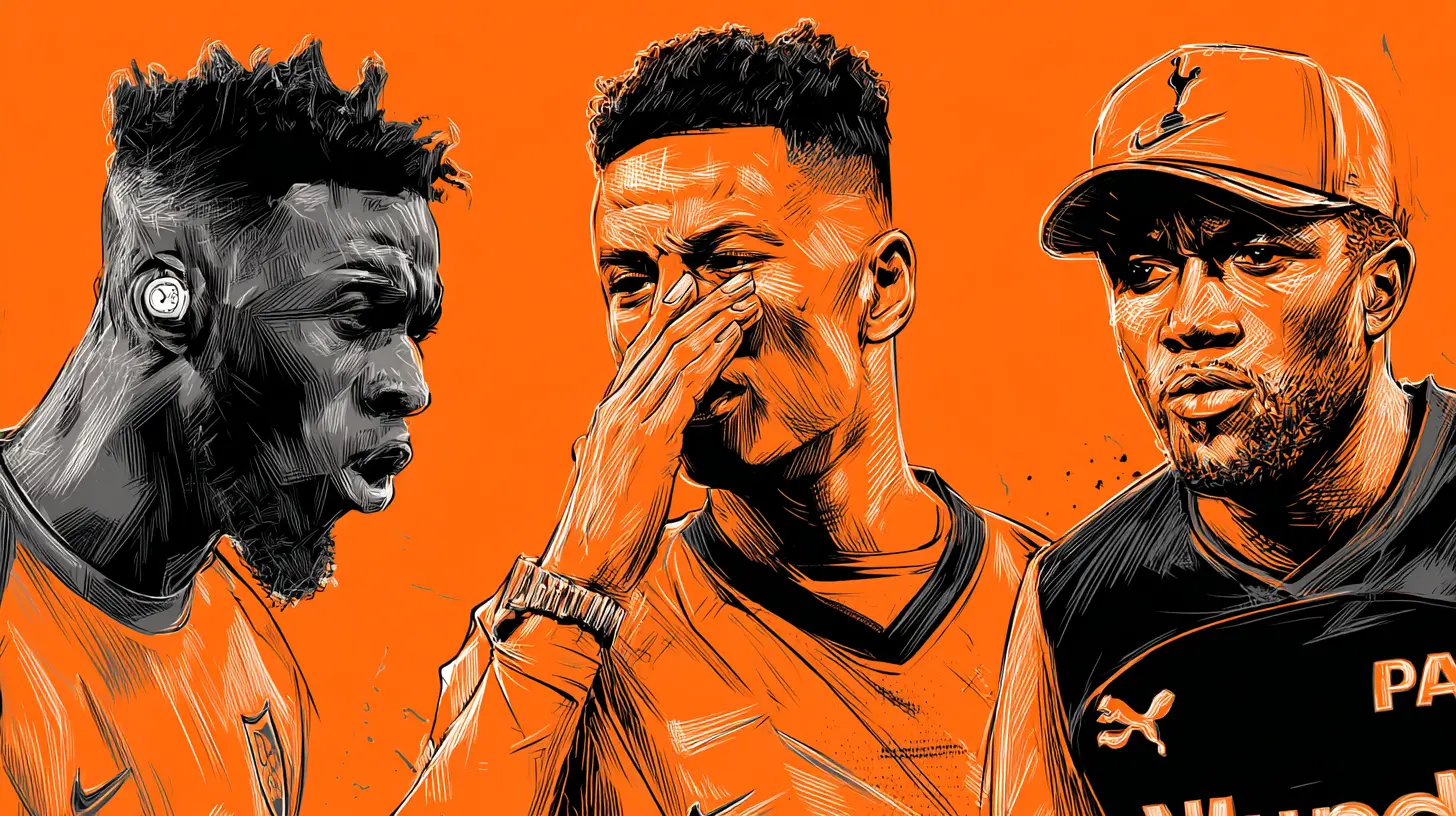
It started, as many modern controversies do, with a single post. The player—let’s call him Alex (names matter less than the chaos)—tweeted something that seemed harmless at first glance. Maybe it was a critique of a teammate’s performance, a jab at a rival team’s fanbase, or a confession about feeling undervalued. But in 2027, context is a luxury few afford. The tweet was screenshotted, shared, and twisted faster than a curveball. Within minutes, it had gone viral. Not the good kind of viral—the kind that makes you check your notifications with dread.Think of it like a pebble dropped into a still pond. That pebble? The tweet. The ripples? The millions of reactions, each one carrying a different weight. Some ripples were angry, some defensive, some sarcastic. But they all moved outward, hitting shores you never expected: sports talk shows, locker rooms, even political debates. Why? Because in 2027, a player’s opinion isn’t just about the game anymore. It’s a Rorschach test for our own biases.
The Immediate Backlash: Fans Turned into Furies
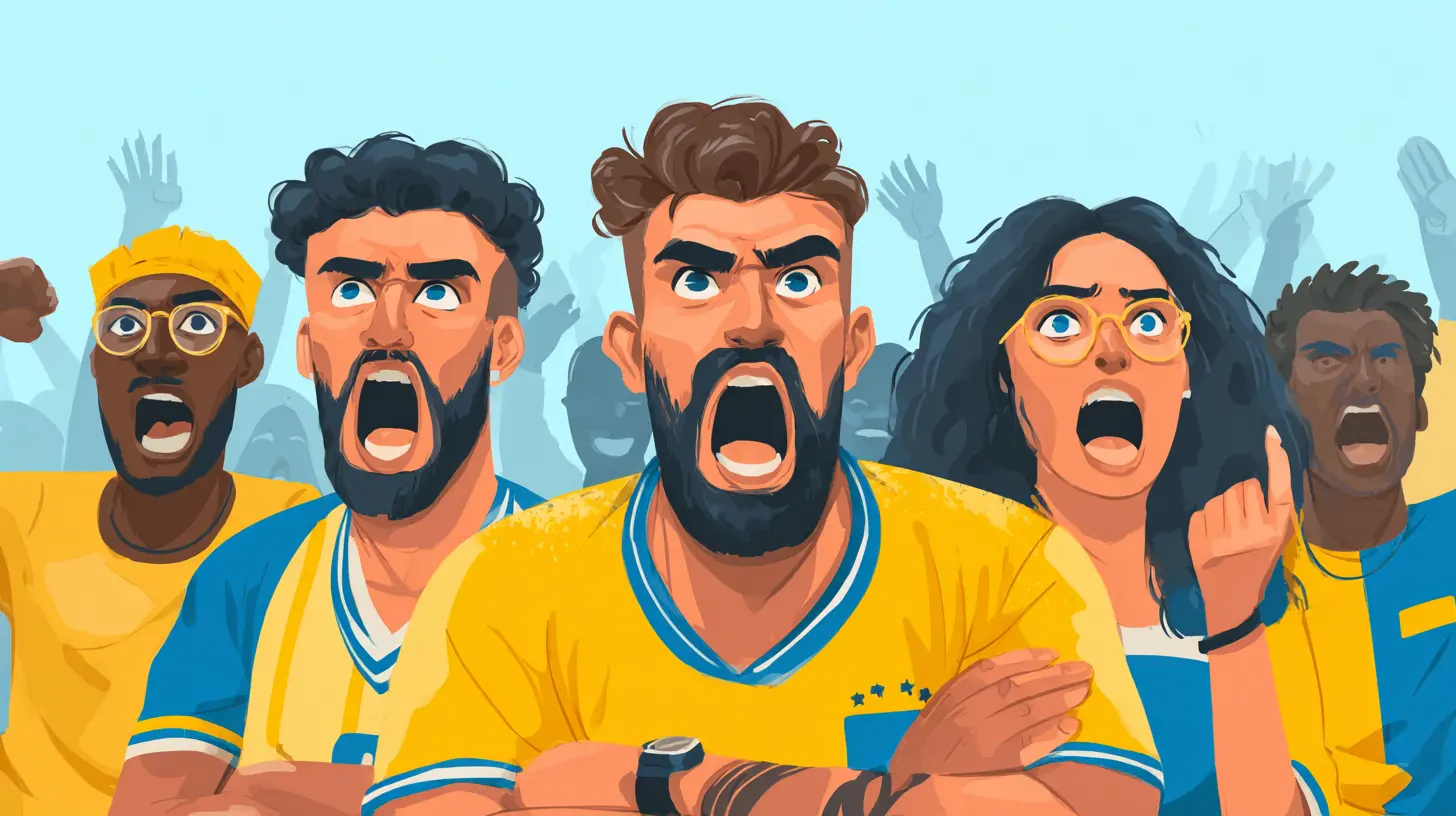
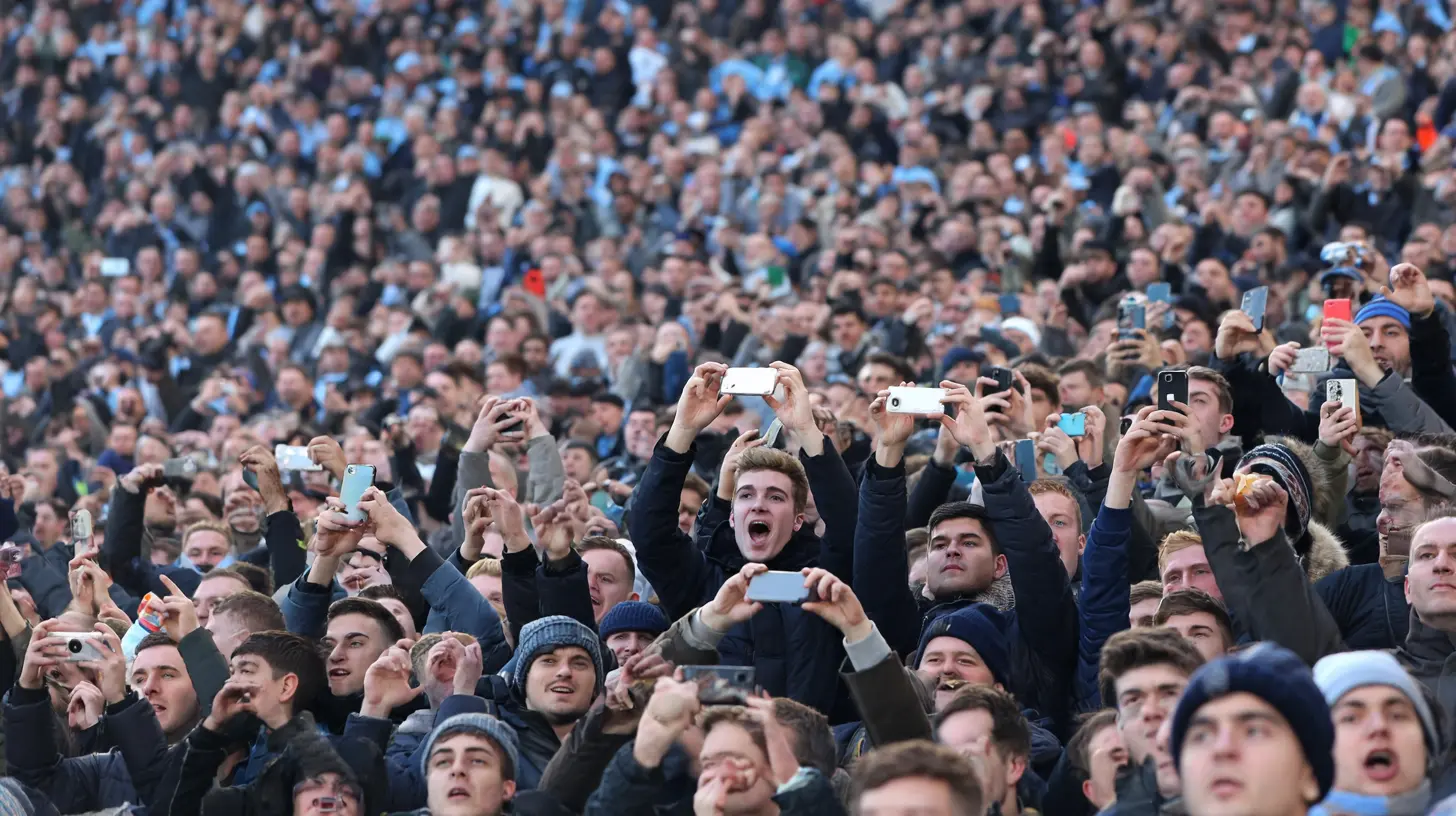
You’ve seen it before, right? A tweet goes up, and within seconds, the replies are a battlefield. “He’s right, the team needs a change!” one fan shouts. “He’s a traitor, he should stick to playing!” another fires back. But in 2027, the stakes are higher. Social media algorithms have learned to weaponize outrage. Every angry reply feeds the beast, pushing the tweet into more feeds, more echo chambers. Suddenly, you’re not just arguing about a sport; you’re arguing about loyalty, respect, and the very definition of professionalism.I remember watching the timeline explode. It was like a stadium full of fans, each with a different jersey, all screaming at once. You couldn’t hear yourself think. The player’s teammates started weighing in—some defending, some distancing. The coach issued a vague statement. The league’s official account stayed silent, but that silence spoke volumes. And the media? Oh, they feasted. Headlines screamed, “Is Alex’s Tweet the End of an Era?” and “The Tweet That Divided a Fanbase.”
The Role of Context: Did We Miss the Point?
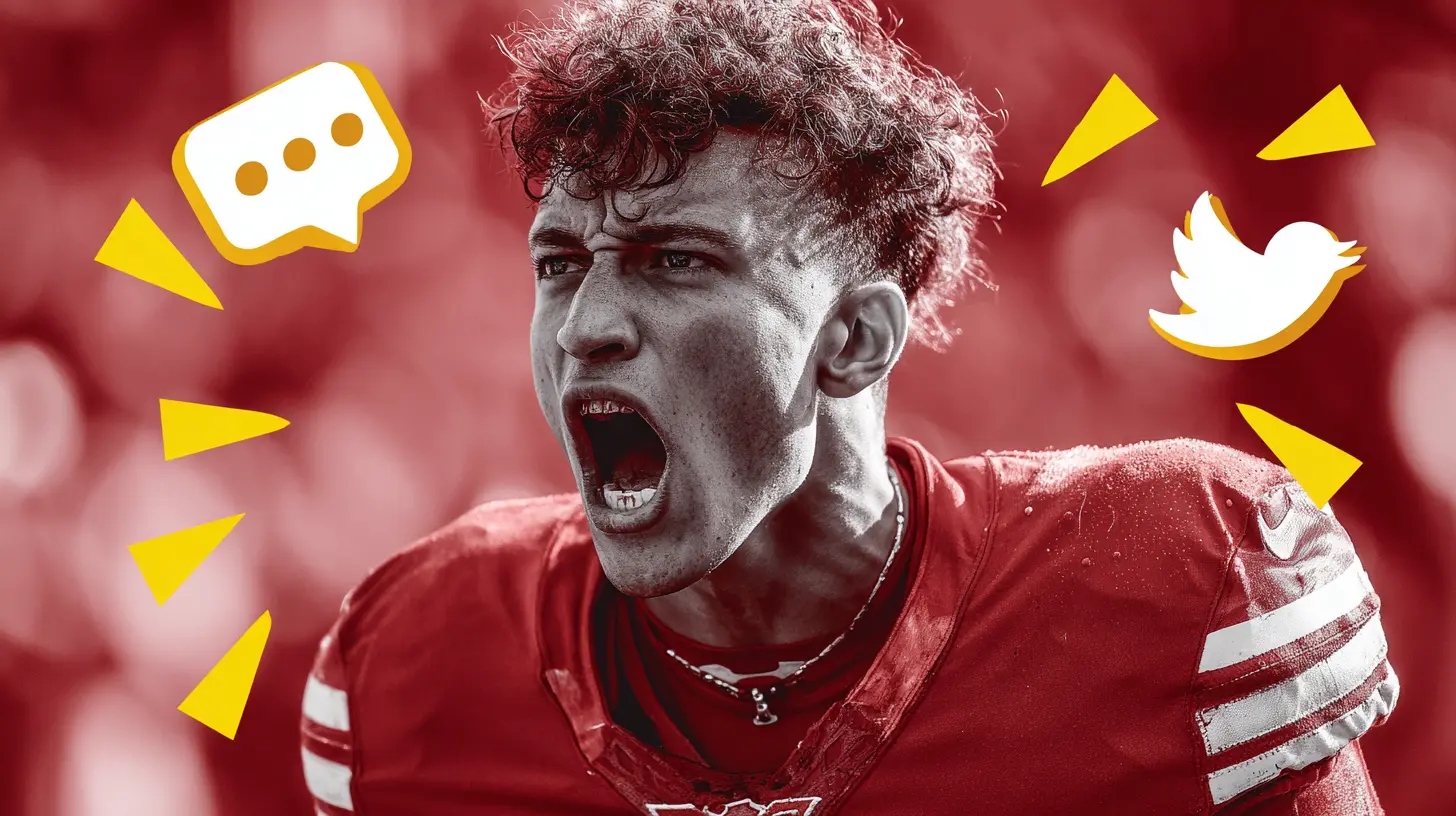
Here’s the thing about tweets: they’re like snapshots of a moment. You see the image, but you don’t see the photographer’s mood, the lighting, or the background noise. Alex’s tweet, when read in isolation, seemed harsh. But what if we zoomed out? What if we considered the pressure he was under? The season had been brutal—losses piling up, injuries mounting, and the weight of a city’s expectations on his shoulders. Maybe that tweet wasn’t a betrayal; maybe it was a cry for help.But we don’t do nuance in 2027, do we? We prefer our narratives simple. Hero or villain. Loyal or disloyal. Smart or stupid. The gray area? That’s for philosophers and podcasters. So instead of asking, “What led to this tweet?” we asked, “How do we punish this tweet?” And that’s where the riot really began.
The Media Machine: Amplifying the Noise
Let’s talk about the elephant in the room—or rather, the 24/7 sports media cycle. In 2027, every network has a hot take segment, every podcast has a “react” episode, and every blog (yes, like this one) is trying to cash in on the traffic. The tweet became a Rorschach test for pundits. One analyst called it “the most selfish act in sports history.” Another called it “a brave stand for transparency.” Both got ratings. Both got clicks. Neither helped anyone understand what actually happened.It’s like watching a tennis match where the ball is a grenade. Each commentator takes a swing, hoping to blow up the other side. But the noise? It drowns out the player’s voice. Alex tried to clarify his tweet with a follow-up post—a longer, more thoughtful thread. But by then, the damage was done. The first tweet was already a meme, a GIF, a punchline. The clarification was like trying to put toothpaste back in the tube.
The Fan Divide: Echo Chambers and Armchair Generals
Now, let’s get personal. How did you react? Be honest. Did you side with the player or the team? Did you feel a surge of anger or a pang of empathy? In 2027, our fandom is tribal. We pledge allegiance to a crest, a city, a dynasty. And when a player steps out of line, it feels personal. It’s like a family member saying something embarrassing at Thanksgiving dinner. You love them, but you also want to hide under the table.The tweet split fanbases into factions. There were the “Loyalists” who said, “He’s always been a hothead, this is who he is.” The “Apologists” who argued, “He’s tired, give him a break.” The “Strategists” who wondered, “Is this a negotiating tactic for a contract?” And the “Outsiders” who just wanted to watch the world burn. Each group had its own hashtag, its own memes, its own version of the truth. And none of them were talking to each other. They were just shouting into the void, hoping someone would agree.
The Ripple Effect on the Team: Locker Room Tension
You can’t have a riot of opinions without consequences. The tweet didn’t just inflame fans; it seeped into the locker room. Teammates had to answer questions from reporters. “Do you still support Alex?” “Is this a distraction?” “How do you move forward?” Suddenly, a 140-character thought became a wedge. Some players felt betrayed. Others felt protective. And the coach? He had to manage egos, stats, and a media circus all at once.I talked to a former player (off the record, of course) who said, “A tweet like that is like a grenade in a foxhole. Everyone scatters. Even if you agree with the message, you hate the delivery.” And that’s the tragedy. The tweet might have been valid. The opinion might have been fair. But the medium—the public, permanent, viral nature of it—made it impossible to have a private conversation. In 2027, there are no closed doors. Every thought is a broadcast.
The Long-Term Fallout: Careers, Legacies, and Forgiveness
So what happens next? The riot of opinions doesn’t just fade away. It shapes narratives. Alex’s tweet becomes a footnote in his career—a “remember when” moment that follows him through trades, retirements, and Hall of Fame debates. For some fans, it’s a stain. For others, it’s a badge of honor. But for Alex, it’s a lesson learned the hard way: in the digital age, you can’t unring a bell.But here’s the kicker: the tweet also sparked a larger conversation. Suddenly, people were talking about player mental health, the pressure of constant scrutiny, and the double standard between what athletes say and what owners say. It was messy, chaotic, and uncomfortable. But it was also real. In a world of curated feeds and PR-approved statements, Alex’s tweet was a raw nerve. And sometimes, raw nerves need to be touched.
What We Learned: The Human Side of the Riot
Let’s step back and ask ourselves: why did this one tweet matter so much? Was it the player’s fame? The timing? The topic? Or was it because, deep down, we all want to be heard? In 2027, we’re drowning in noise. Every tweet, every post, every comment is a bid for attention. And when a star player uses that platform to say something real, we don’t know how to handle it. We’re like kids who finally got the toy we asked for, only to realize we don’t know how to play with it.The riot of opinions wasn’t about the tweet. It was about us. It was about our need to categorize, to judge, to take sides. It was about the comfort of certainty in a world that’s anything but. Alex’s tweet was a mirror, and we didn’t like what we saw. So we smashed it. But the pieces? They’re still scattered across our feeds, waiting for the next spark.
The Final Verdict: A Riot That Changed the Game
In the end, the tweet didn’t destroy Alex’s career. He apologized (sort of), the team rallied, and the season went on. But the riot of opinions left a scar. Fans are more polarized. Players are more cautious. And the media? They’ve already moved on to the next controversy. But for those of us who watched it unfold, it’s a reminder that sports are never just about the game. They’re about the people, the passions, and the messy, beautiful, infuriating way we connect.So the next time you see a tweet that makes your blood boil, pause. Ask yourself: is this about the player, or is this about me? The answer might surprise you. And if you’re still angry, that’s okay. The riot of opinions is part of the deal. Just remember: behind every tweet is a human being, trying to figure out this crazy world, one character at a time.
all images in this post were generated using AI tools
Category:
Fan ReactionsAuthor:

Onyx Frye
Discussion
rate this article
1 comments
Renee West
Social media's influence on sports discourse reveals the fragility of fan loyalty and emotions.
April 28, 2026 at 4:23 AM
Onyx Frye
Absolutely, social media amplifies fan reactions and highlights how quickly emotions can shift. It's fascinating to see loyalty tested in real time.