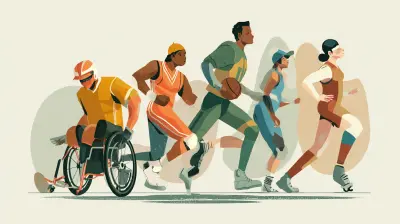
How Training Is Evolving for Elite Athletes in 2027
16 April 2026
Remember when elite training meant grueling two-a-day practices, ice baths, and maybe a vague nutrition plan? Yeah, throw that old playbook out. By 2027, the world of high-performance sports has transformed into a symphony of data, biology, and technology so advanced it would feel like science fiction to an athlete from just a decade ago. We’re not just talking about better treadmills or lighter shoes. We’re talking about a fundamental rewrite of what it means to prepare a human body and mind for the absolute pinnacle of competition. So, what’s driving this revolution? Let’s dive in.
From Gut Feeling to the Digital Twin: The Data Revolution Gets Personal
For years, we’ve been drowning in data. Heart rate, sleep scores, GPS tracking, lactate thresholds—you name it. The problem wasn't a lack of information; it was making sense of the tsunami. In 2027, the game-changer is predictive personalization. It’s no longer about what the data shows you did; it’s about what it predicts you should do.Think of it like this: the old way was reading a map of where you’ve been. The new way is having a GPS that not only shows your route but also predicts traffic, weather, and your own energy levels to plot the perfect, real-time journey.
The Rise of the Athletic "Digital Twin"
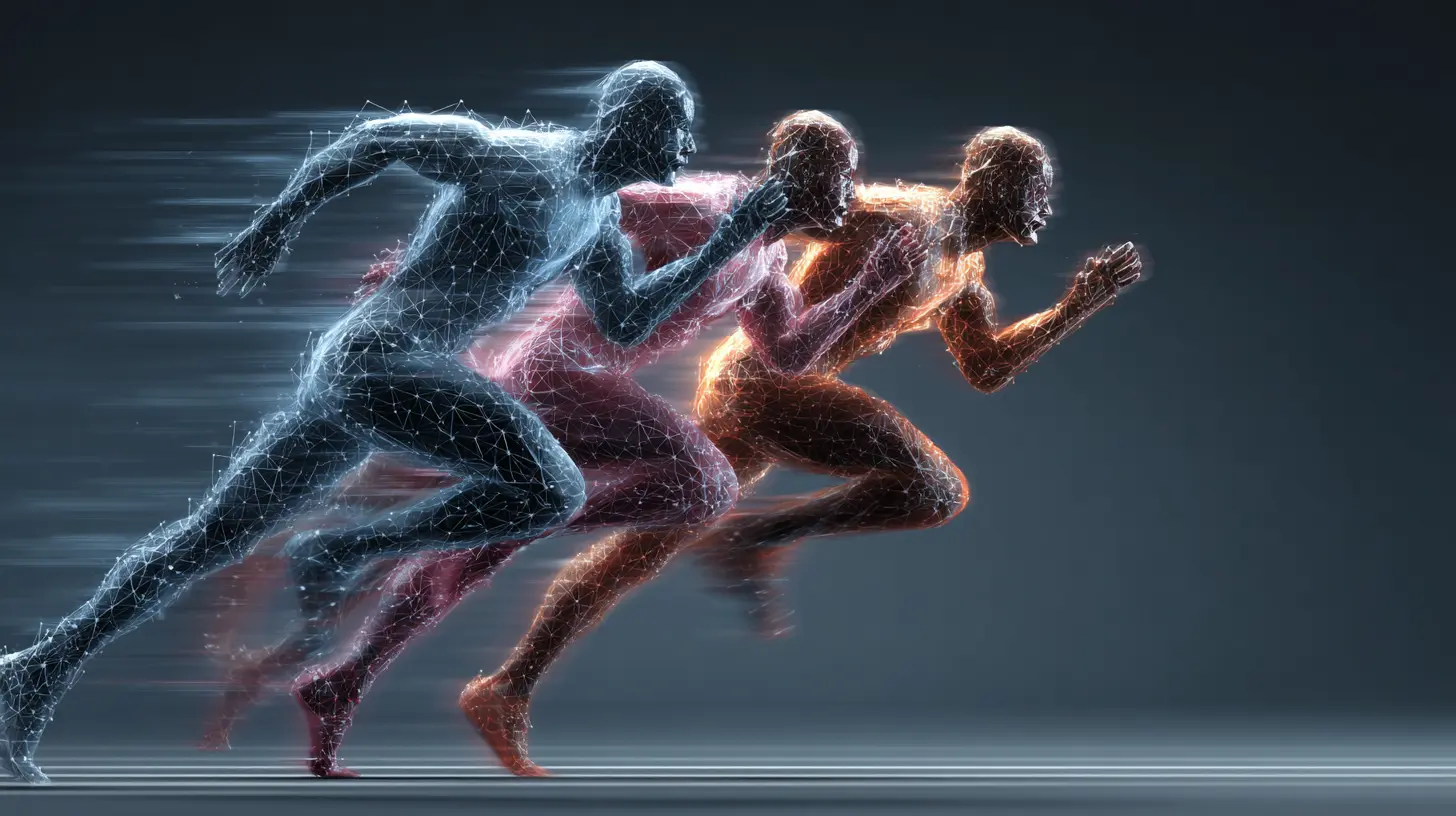
At the core of this is the concept of the Digital Twin. This isn't just an avatar in a video game. It’s a living, breathing, incredibly complex computer model of you. It ingests every scrap of your biometric data, training history, genetic predispositions, and even your psychological markers. Before you even lace up your shoes, your coaching team can run simulations on your digital twin.* "What happens if we increase his load by 15% this week?" They simulate it on the twin, checking for injury risk flags and performance projections.
* "Should she prioritize power or endurance in this microcycle?" The twin, knowing her recovery rate and upcoming competition schedule, provides the optimal answer.
* "How will this new nutrition protocol affect her mitochondrial efficiency in three weeks?" The model can give a startlingly accurate forecast.
This moves training from reactive to proactive. Injuries are no longer "unlucky accidents" but predictable system failures that are identified and circumvented weeks in advance. Overtraining is a calculated variable, not a feared specter.
The Mind-Body Meld: Neurological and Cognitive Priming
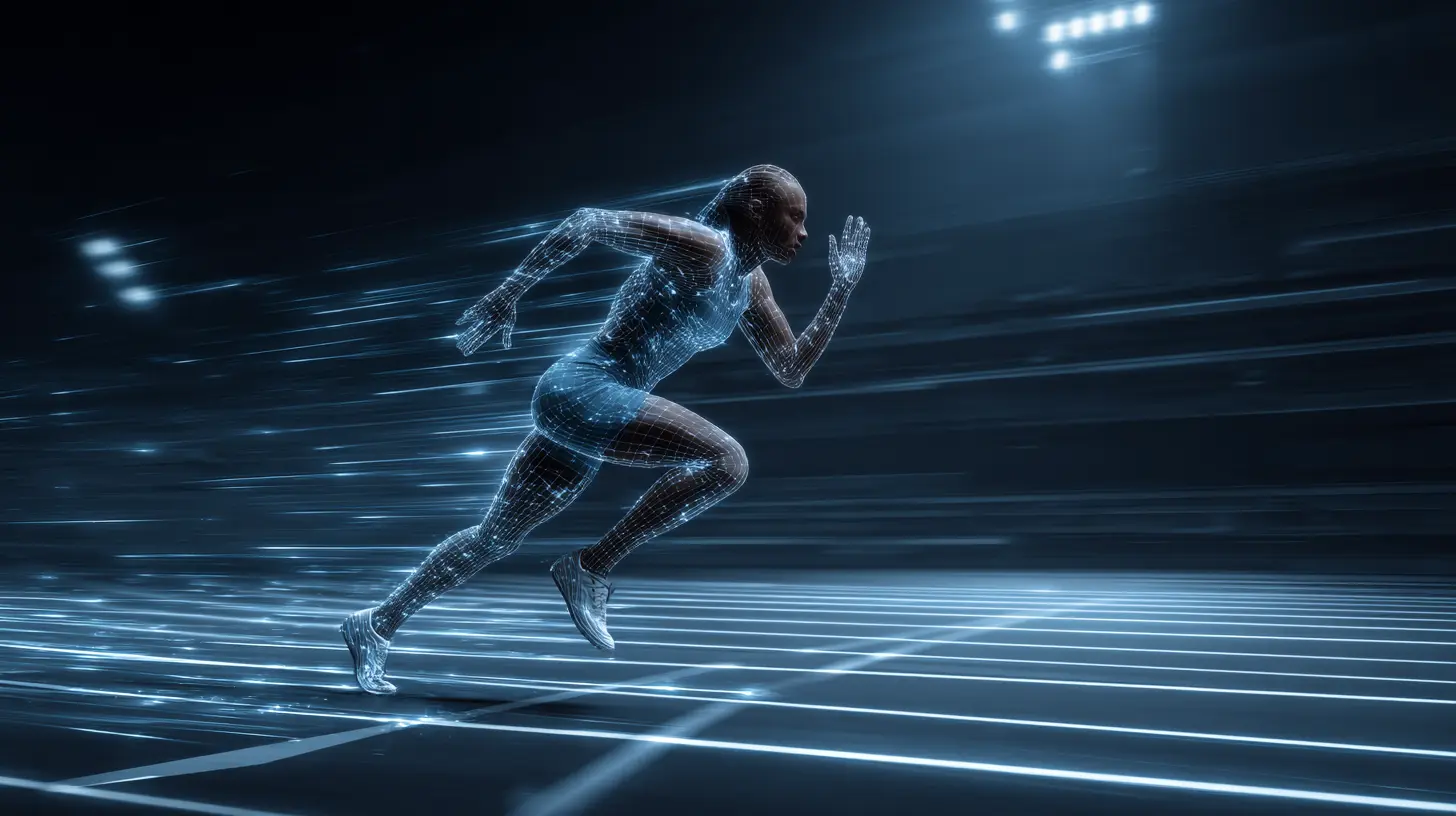
We’ve long paid lip service to "the mental game," but in 2027, mental training is as quantifiable and structured as weightlifting. The understanding that the brain is the ultimate performance organ—the command center for everything from muscle fiber recruitment to decision-making under fatigue—has taken center stage.Neuropriming and Brain Stimulation
Technologies like transcranial direct current stimulation (tDCS) and transcranial magnetic stimulation (TMS) have moved from lab curiosities to locker-room staples. These non-invasive tools are used for "neuropriming." Imagine putting on a headset for 20 minutes before a skill session. The gentle stimulation of specific brain regions, like the motor cortex, can increase neuroplasticity—essentially making your brain more "ready to learn." The result? Faster skill acquisition, sharper technique refinement, and improved muscle memory encoding. It’s like defragging your brain’s hard drive before installing new software.Immersive VR for Pressure-Proofing
Virtual Reality has evolved far beyond cool visuals. It’s now a high-fidelity pressure simulator. An Olympic diver doesn’t just visualize their dive; they strap on a headset and experience it—from the roar of a packed arena in Paris to the specific glare of the floodlights off the water. A quarterback can run through the two-minute drill against a hyper-realistic, AI-driven defense that adapts to his tendencies, all while his biometrics are monitored to see how his decision-making decays under simulated fatigue and stress.This isn’t about replacing real practice; it’s about supplementing it with hyper-specific, repeatable, and psychologically potent reps that were previously impossible. The goal is to make the chaotic, high-stakes environment of competition feel familiar, even routine. It’s the ultimate exposure therapy.

Recovery as an Active, Optimized Process
Gone are the days when recovery meant passive rest. In 2027, recovery is an active, targeted, and data-driven phase of training that is arguably more important than the workout itself. The old ice bath? It’s now seen as a blunt instrument, often replaced with more nuanced approaches.Sleep as the Ultimate Performance Enhancer
Sleep is no longer just tracked; it’s orchestrated. Athletes use advanced sleep pods that monitor brainwaves (EEG), heart rate variability (HRV), and body temperature. These pods can create optimal environments, using subtle temperature regulation and sound frequencies to maximize time in deep sleep and REM cycles. The data from these sessions directly informs the next day’s training load. Poor sleep architecture? The digital twin automatically prescribes a neural recovery day—focusing on cognitive drills and low-impact mobility—instead of a punishing physical session.Precision Nutrition and Gut Biome Optimization
Nutrition has moved beyond macros and calories. It’s now about chrono-nutrition (eating the right nutrients at the right time for your circadian biology) and gut microbiome engineering. Regular analysis of an athlete’s gut bacteria allows dieticians to prescribe personalized prebiotics and probiotics. Why? Because a specific gut flora profile can enhance systemic inflammation control, improve nutrient absorption, and even influence neurotransmitter production linked to mood and resilience. The food is not just fuel; it’s information and medicine for the trillions of cells that drive performance.Targeted Regeneration Tech
Instead of whole-body cryotherapy, we see the rise of localized, adaptive cryotherapy and photobiomodulation. A wearable device can pinpoint an area of emerging inflammation in a pitcher’s shoulder and apply precise cold therapy or specific wavelengths of light to stimulate cellular repair exactly where it’s needed, all while the athlete is relaxing. It’s like having a tiny, intelligent repair crew that’s dispatched the moment the blueprint (your data) shows a potential problem.
The Democratization of Elite Tech (And Its Ethical Quandaries)
Here’s a fascinating twist: much of the sensor technology, AI analytics, and even basic biometric monitoring that was exclusive to pro teams a few years ago is now available to dedicated amateurs and collegiate programs. This "trickle-down" tech effect is raising the baseline level of athlete everywhere. But it’s also creating a new set of challenges.The Data Deluge and the Human Coach’s New Role
With so much technology, the role of the human coach has evolved dramatically. They are no longer the primary source of information but have become chief interpreters and emotional conductors. Their job is to translate the complex outputs of the AI and the digital twin into actionable, psychologically sound strategies for the athlete. They manage the human element—motivation, trust, team dynamics—in a world of machines. The best coaches in 2027 are part data scientist, part sports psychologist, and part old-school mentor.The Ethical Frontier: Genetic Profiling and "Natural" Talent
As genetic testing becomes more sophisticated and linked to performance traits like muscle fiber type, injury predisposition, and VO2 max responsiveness, a major ethical debate rages. Should athletes be selected or steered toward sports based on their DNA? Is using genetic data to tailor training an unfair advantage, or just the next logical step in personalization? Sports governing bodies are scrambling to create frameworks that ensure fairness in this new bio-digital landscape. The line between optimizing a "natural" athlete and engineering one is becoming uncomfortably blurry.Conclusion: The Athlete as a Collaborative Project
So, what does the elite athlete of 2027 look like? They are the central node in a vast, collaborative network. They are in constant dialogue with their digital twin, guided by coaches who interpret complex biofeedback, and maintained by a team specializing in neurology, nutrition, and regenerative medicine. Their training is not a linear grind but an adaptive, circular flow of stress, measurement, recovery, and precise adaptation.The evolution isn’t about replacing the human spirit, that relentless drive that defines a champion. It’s about arming that spirit with the most sophisticated tools in history. It’s about ensuring that the body and mind are perfectly tuned to express that will to win. The playing field might be leveled by technology, but the heart of the game—the agony and the ecstasy—remains beautifully, profoundly human. The race is no longer just who trains hardest, but who understands themselves the best.
all images in this post were generated using AI tools
Category:
Professional AthletesAuthor:

Onyx Frye
Discussion
rate this article
2 comments
Gianna Whitaker
In 2027, training for elite athletes involves more virtual reality than actual reality. I guess they're just one treadmill away from dodging digital defenders while sipping kale smoothies... progress?
May 6, 2026 at 12:36 PM
Onyx Frye
Thanks for your comment! It's true that tech is changing training in unexpected ways. Balancing virtual and real-world skills will be key for athletes to succeed.
Carmel Wagner
Forget tradition—elite athletes in 2027 thrive on cutting-edge science and relentless innovation!
April 20, 2026 at 3:05 AM
Onyx Frye
Absolutely! The future of athletic training is all about embracing new technologies and methods to push boundaries. Exciting times ahead!