How to Use Experiential Marketing to Create Unforgettable Sports Events
4 July 2026
Sports have always been about more than just the game. It's the roar of the fans, the shared tension in overtime, the goosebumps during the national anthem. But in a world overloaded with content and increasingly distracted audiences, how can sports brands, teams, and event organizers capture true, unforgettable attention?
Enter experiential marketing.
In this article, you're going to get a deep dive into how experiential marketing can transform ordinary sporting events into larger-than-life experiences fans will talk about long after the final whistle. We'll look at why this form of marketing works so well in the sports industry, how to build a killer experiential strategy, and examples that prove its power.
Let’s lace up.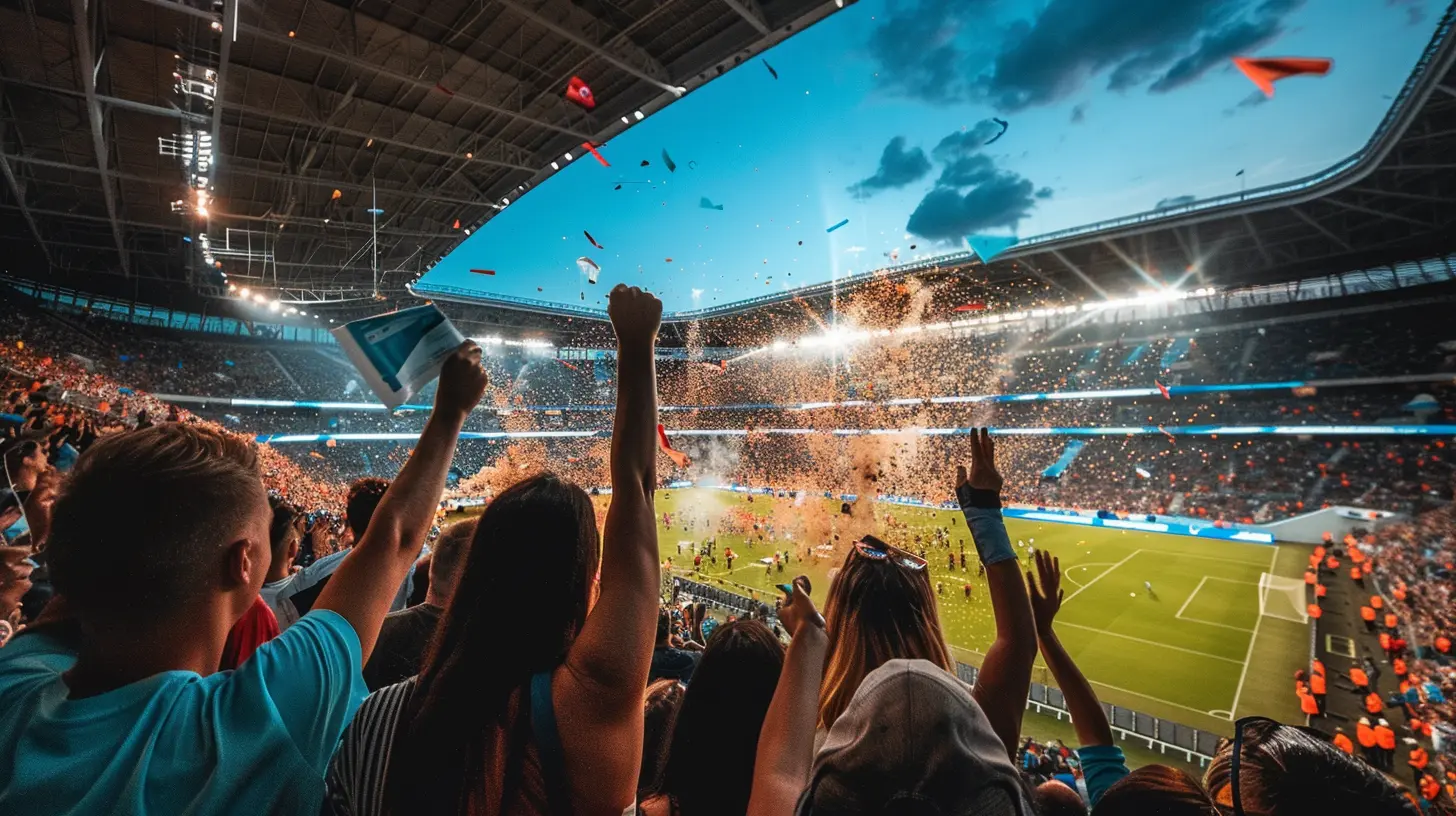
What Is Experiential Marketing, Really?
At its core, experiential marketing is all about creating immersive brand experiences that allow consumers to interact with a product, brand, or event in a real-world, hands-on way. It’s not about watching a commercial or reading a social post. It’s about being part of something.Think of it as giving fans the backstage pass to your brand.
In the sports world, this might mean:
- Fan zones with interactive games before kickoff
- Virtual meet-and-greets with athletes
- Augmented reality filters that let fans visualize themselves in the team’s jersey
- On-site installations that bring brand stories to life
The goal? Build emotional connections. Because when fans feel something, they remember it.
Why Experiential Marketing Works So Well in Sports
Sports are inherently emotional. They’re tribal. Fans live and breathe their teams. So when marketing taps into that passion, and gives people a role to play beyond just being a spectator, it hits differently.Here’s why it works like magic:
1. Emotional Engagement Is Off the Charts
People aren't going to remember your clever banner ad or your email subject line. But they’ll never forget hugging a mascot at a tailgate party or meeting their sports idol virtually through AR. Feelings stick. And sports are full of them.2. It Encourages Social Sharing
Do it right, and people will take photos, record videos, and flood their social feeds. Guess what that means for you? Free exposure and powerful user-generated content. When you turn fans into your promoters, you win big.3. It Collects Real-Time Feedback & Data
When fans interact with your brand in person or digitally, you’re not just creating memories — you’re collecting valuable data. You learn what they like, how they navigate experiences, and maybe even their email address.4. It Strengthens Brand Loyalty
If you want fans to not just attend your events but obsess over them, experiential marketing is your not-so-secret weapon. People support brands that support their passions. Show up for your fans, and they’ll show up for you.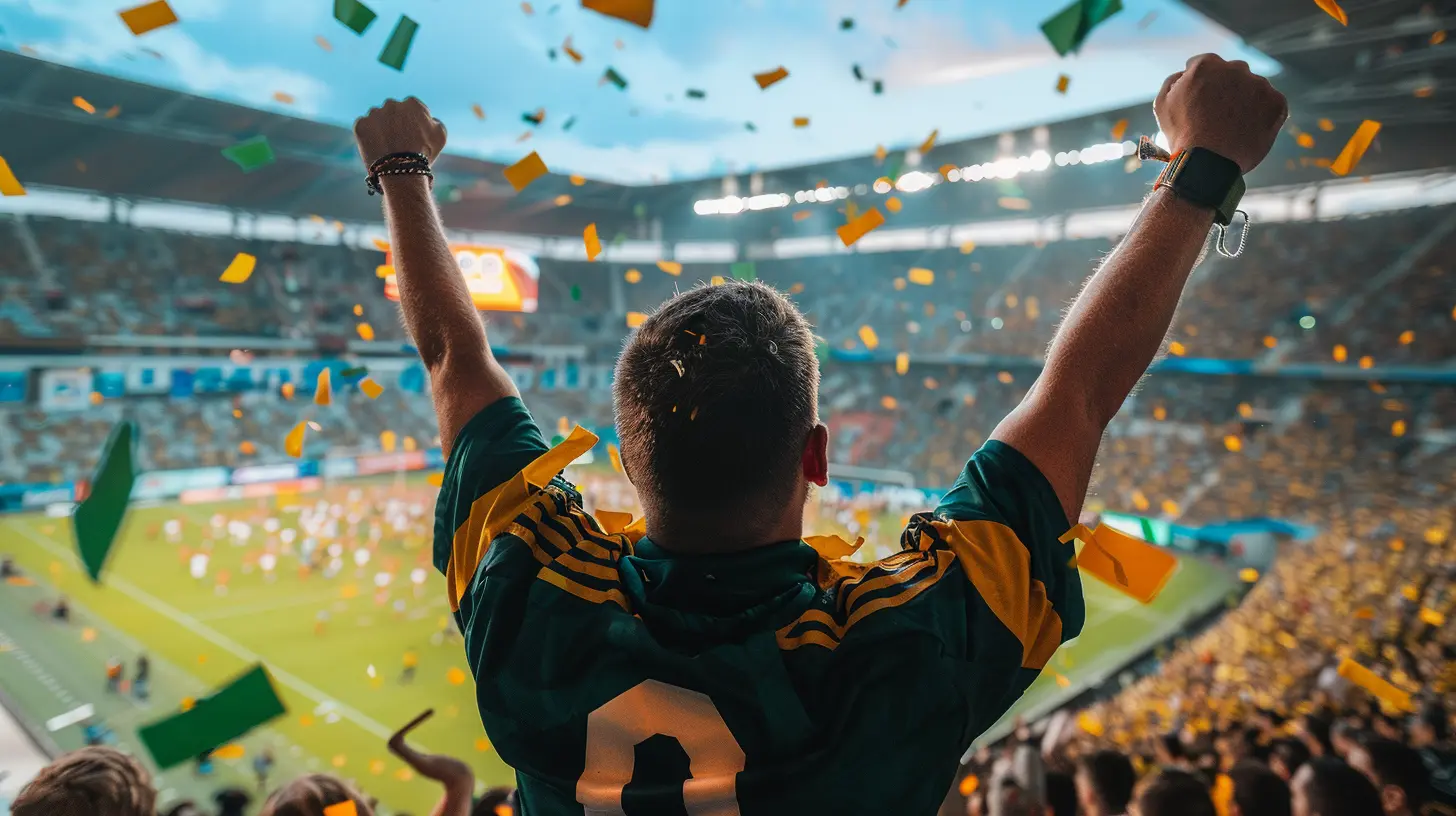
Core Elements of a Great Sports Experiential Marketing Campaign
Let’s break it down.No, you don’t need a million-dollar budget or a massive stadium to nail experiential marketing. What you do need is a smart strategy. Here are the key ingredients to cook up an irresistible campaign:
1. Know Your Audience Inside and Out
Seriously, this one is non-negotiable. You can’t create a memorable experience if you don’t know what your audience cares about.- Are they diehard fans or casual attendees?
- Do they love tech or prefer nostalgia?
- Are they young influencers or family-focused?
Segment your audience and tailor activations accordingly.
2. Define Your Objectives
What are you trying to achieve?- Boost ticket sales?
- Get more eyeballs on a new sponsor?
- Increase app downloads?
- Build hype around a new team jersey?
Clear goals = measurable success.
3. Make It Authentic
Fans can smell fake from a mile away. If your experience feels forced or off-brand, it’ll flop. It has to tie in naturally with your team’s identity and values.Think of it like this: if your mascot wouldn’t show up there, neither should your brand.
4. Use Technology (But Don’t Overdo It)
AR, VR, RFID wristbands, QR code scavenger hunts — the tools are endless. But tech should elevate your idea, not carry it.For example, setting up a VR booth that simulates the experience of walking out onto the pitch? That’s a wow moment. But don’t just throw tech in for the sake of it.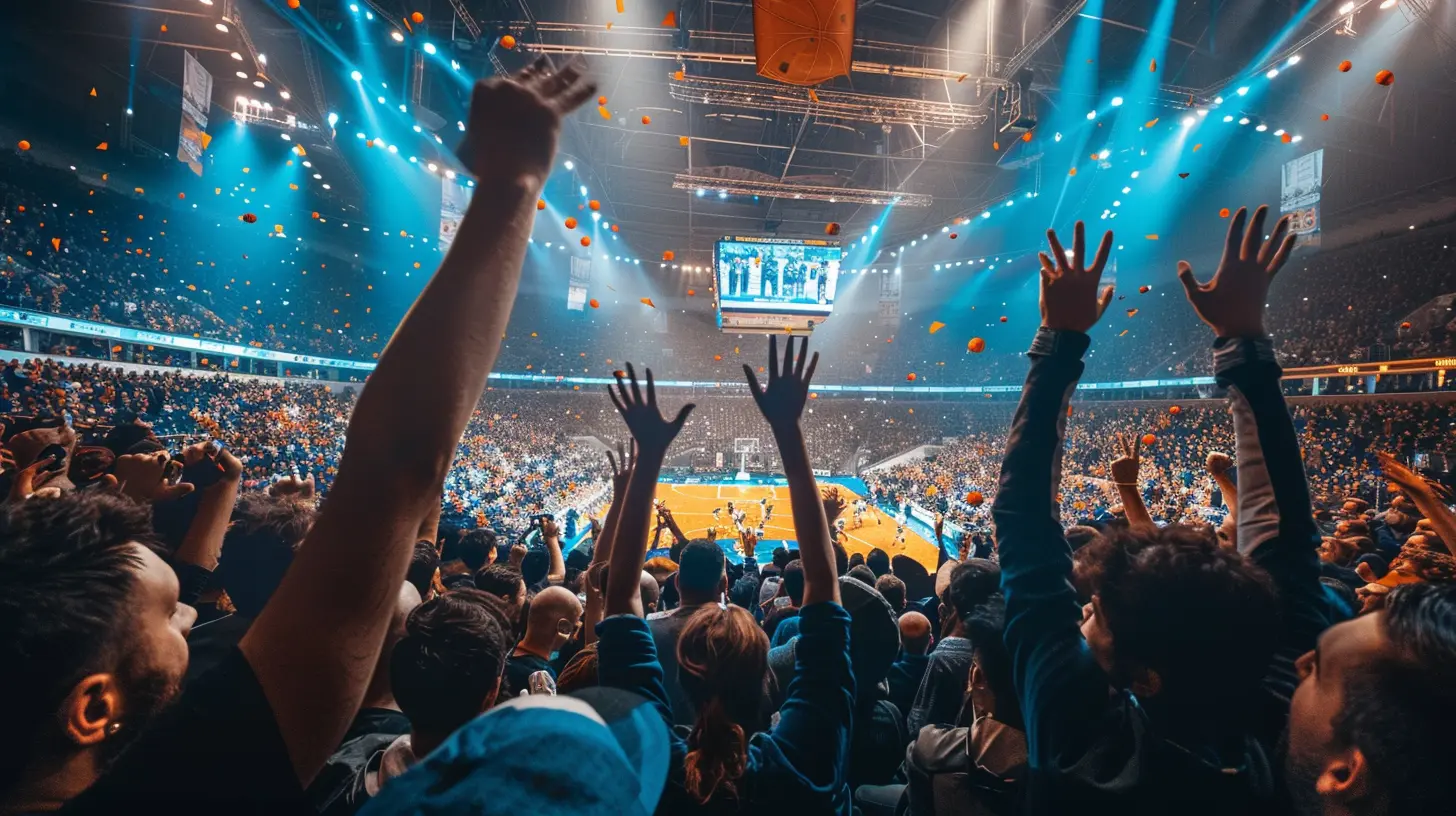
Killer Ideas to Make Your Sports Marketing Experiential
Need some inspiration? Here are some high-impact ideas that’ve worked wonders in sports settings:1. Interactive Fan Zones
Set up pre-game zones where fans can play mini-games, test their skills, win merch, and take fun photos. Think obstacle courses, trivia stations, or penalty kick simulators. Engaged fans = happy fans.2. Live Athlete Experiences
Host Q&A sessions, autograph signings, or even fan challenges. People don’t just want to watch — they want to meet the heroes. Make it happen, and they'll never forget it.3. Augmented Reality Filters and Apps
Snapchat-style filters with team colors, digital face paint, or AR portals into the locker room turn smartphones into buzz generators.4. Behind-the-Scenes Access
Offer a virtual tunnel walk, locker room cam, or sideline mic feed. Exclusive content makes people feel like insiders.5. Branded Giveaways with a Twist
Don’t just hand stuff out. Make fans work (and have fun) for it. Maybe it’s a scavenger hunt, a social media challenge, or a dance cam competition.6. Sponsor Integration Done Right
Bring sponsors onto the field — metaphorically. For example, a car brand might host a mini test drive track before a racing event. It adds value instead of clutter.How to Measure the Success of Experiential Campaigns
Here’s where many drop the ball — they create epic experiences and forget to track their impact. Don’t be that marketer.Here’s how to measure your ROI:
- Foot Traffic: How many people showed up or engaged?
- Social Engagement: Track hashtags, mentions, shares, and UGC.
- App Interactions: If tech is involved, track downloads, time spent, and actions taken.
- Brand Lift Studies: Surveys before and after the event can measure perception shifts.
- Sales or Sign-Ups: Did people buy tickets, jerseys, or join your mailing list?
Don't just look at vanity metrics. Connect the dots between the experience and actual business results.
Real-World Examples of Experiential Marketing in Sports
Let’s look at some heavy hitters that went all-in:1. NBA All-Star Weekend Pop-Ups
The NBA creates fan experiences that scream Instagram. In recent years, they’ve had sneaker customization booths, pop-up courts, and interactive photo installations that give fans share-worthy moments. They meet fans where they are — on their phones.2. Nike’s “House of Innovation”
Nike launched a pop-up event that let fans try out shoes on a mini basketball court — skill-tracking sensors included. They could even design their own gear. It blurred the line between sport, tech, and lifestyle.3. Formula E’s eVillage
This all-electric racing series offers fans an immersive “eVillage” — a pre-race destination with games, a live DJ, e-kart racing, and driver meet-and-greets. It’s what a tailgate looks like in the future.These brands didn’t just advertise — they created memories.
Tips to Make It Work for Your Sports Brand
Let’s wrap it up with a few rapid-fire tips. If you’re trying to bring experiential marketing into your sports mix, keep these in mind:- Start small, scale smart. You don’t need a stadium. Even a local high school game can go next-level.
- Collaborate with influencers. Local sports personalities or superfans can help spread the word authentically.
- Test and iterate. Try different formats and see what sticks.
- Don’t forget storytelling. Every booth, game, or gimmick should tell a part of your brand’s story.
- Follow up. Use post-event emails, social recaps, and surveys to keep the momentum going.
Final Thoughts
If sports are about emotion, then experiential marketing is the fuel that sets those emotions on fire. It’s not just a tool for big brands with deep pockets — even grassroots teams and regional events can harness its power to create unforgettable, loyalty-building moments.Think beyond the scoreboard. When you give fans a story to be part of, not just a game to watch, you build something bigger than a brand. You build legacy.
So go ahead — make your next event not just memorable, but unmissable.
all images in this post were generated using AI tools
Category:
Sports MarketingAuthor:

Onyx Frye
Discussion
rate this article
1 comments
Xavier Meyers
Great article! Experiential marketing really transforms sports events into memorable experiences. I love how it connects fans and creates lasting memories beyond just the game.
July 5, 2026 at 12:15 PM
Onyx Frye
Thank you! I'm glad you found it insightful. Experiential marketing really does enhance the connection between fans and the event.