How to Progress from Beginner to Intermediate Surfer
19 January 2026
So, you’ve dipped your toes into the thrilling world of surfing. You've caught your first waves, wiped out a dozen times, maybe even stood up a few times on a clean ride. That salty breeze and the endless horizon—there’s nothing like it.
But now you're itching for the next step.
You want to go from popping up in the whitewash to carving real lines on green waves. You’re not a complete newbie anymore, but you're not quite ripping like the locals either. So, how do you bridge the gap from beginner to intermediate surfer?
Let’s paddle out into that journey together—wave by wave.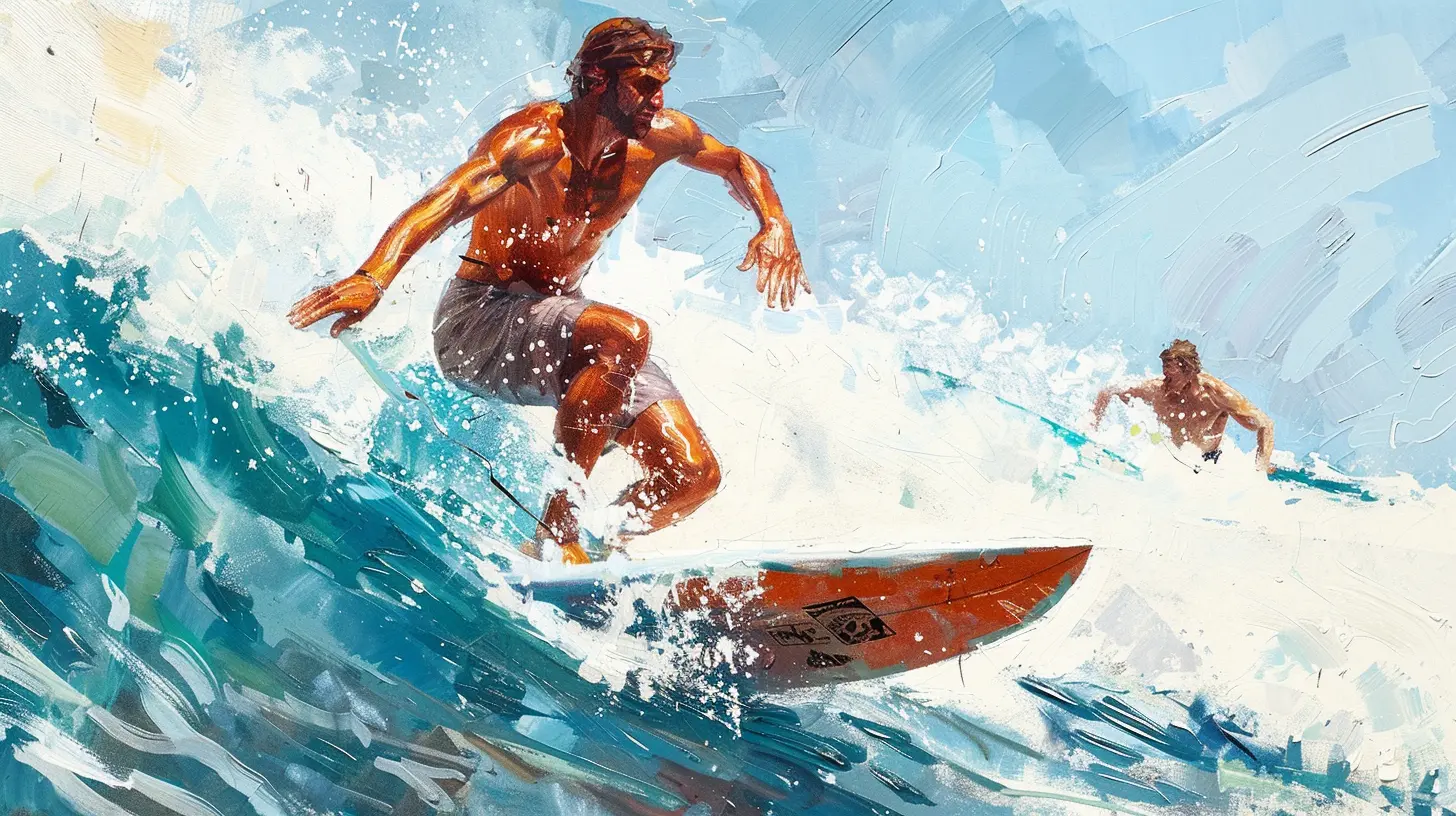
Understanding What “Intermediate” Means
Before we dive into the nuts and bolts, let’s clear up what we mean by intermediate.An intermediate surfer can consistently catch unbroken waves, paddle with purpose, and execute basic maneuvers like bottom turns and trimming across the face of the wave. Unlike beginners, who often ride straight toward the beach in the whitewater, intermediates start to read the ocean and surf down the line.
Think of it like this: if beginner surfing is about learning to walk, intermediate surfing is about running with style (without tripping… too much).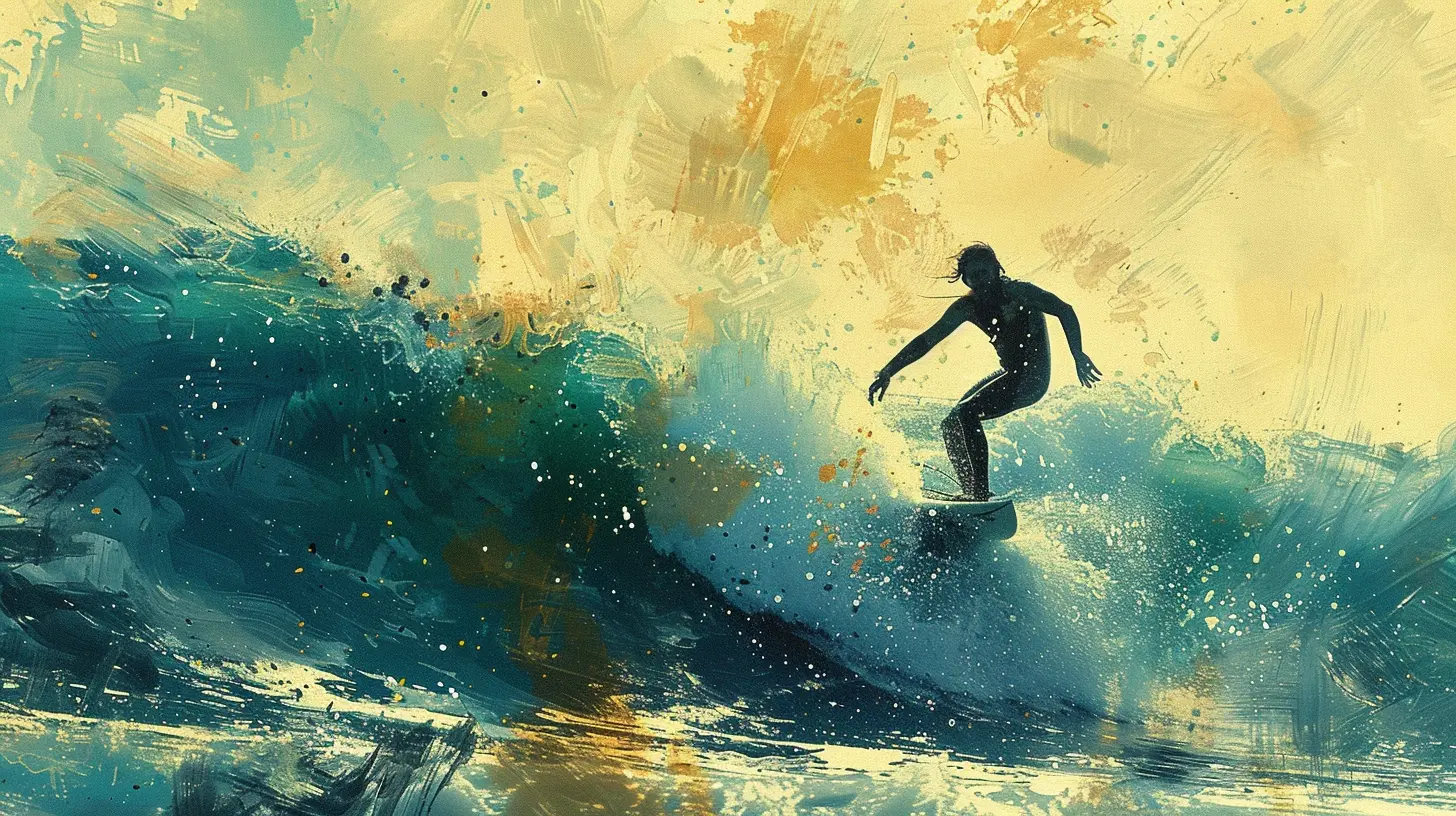
The Biggest Transition: Whitewash to Green Waves
This is the game-changer.Whitewash rides are cool and all, but the moment you start catching green waves—that untouched part of the wave before it breaks—everything changes. That’s where the real surfing begins.
How Do You Start Catching Green Waves?
It’s not about just paddling harder. Start by sitting further out, where the waves start forming. Observe the lineup. Watch how and where waves are breaking. Positioning is key.You’ll want to:
- Sit just outside the impact zone.
- Angle your board slightly toward the direction you want to go.
- Start paddling early—but not too early! Timing is everything.
- Commit. Half-hearted paddling gets you nowhere. Paddle like you mean it.
Once you’re in, pop up and aim to surf down the line, not just straight to shore.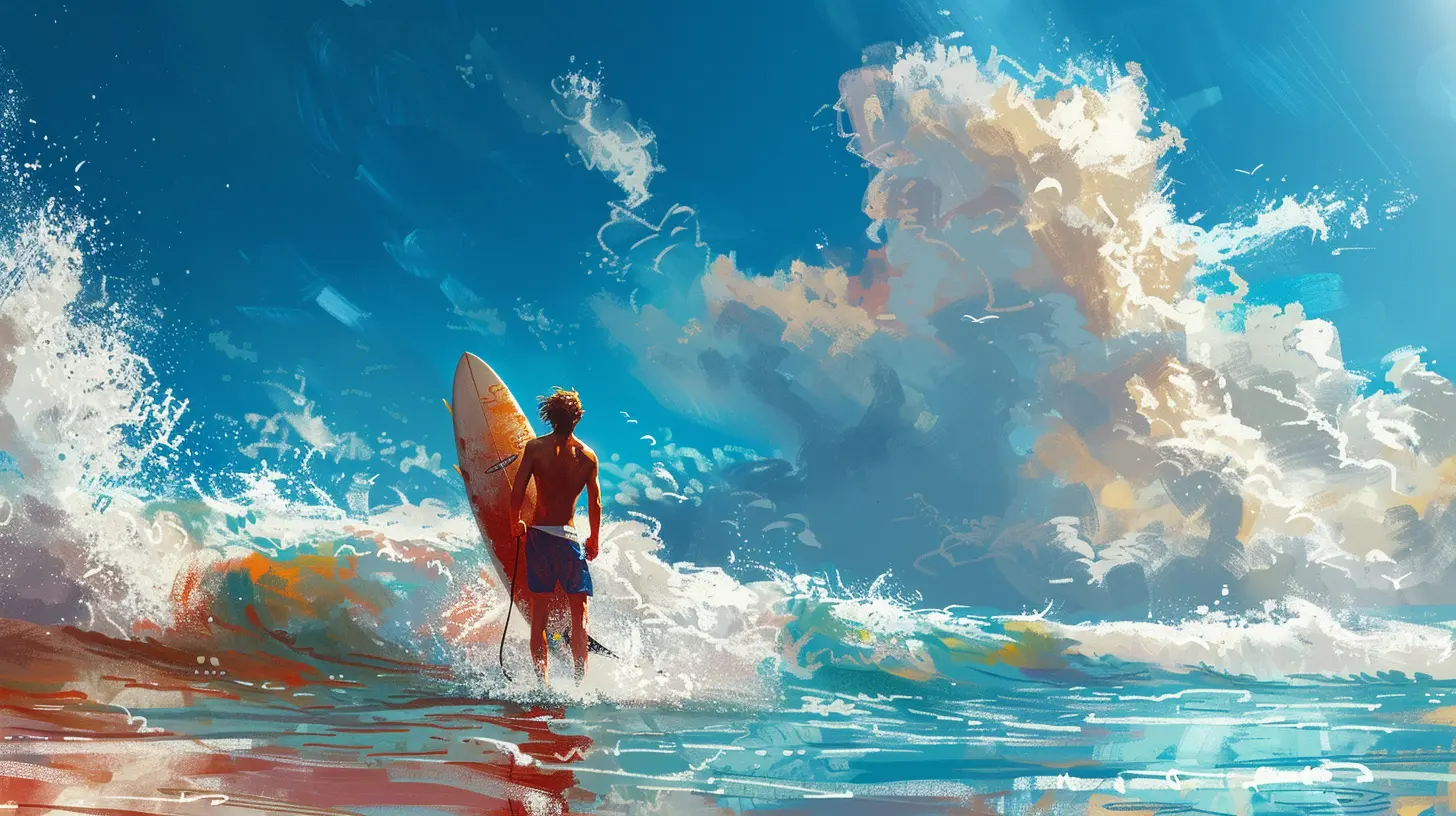
Upgrade Your Equipment (Just a Bit)
You don’t need a tiny shortboard yet—that’s a common mistake. Many surfers jump to a shortboard too soon and end up frustrated.Instead, look for a funboard, hybrid, or fish-shaped board. These offer more stability than a high-performance shortboard, but more maneuverability than a big soft-top. They’re perfect for transitioning.
Your board should match your skill level, weight, and the type of waves you're riding. Talk to your local surf shop or a trusted surfer buddy for advice.
Improve Your Paddle Power
Here’s a reality check: paddling is 80% of surfing. If you're not paddling efficiently, you're missing half the battle.To get better:
- Work on your cardio and upper body strength.
- Practice turtle rolling (instead of beginner’s knee paddling).
- Keep your chest up and back arched while paddling—think “superman pose.”
- Use long, deep strokes instead of short, splashy ones.
Stronger paddling = more waves = way faster progression.
Master the Pop-Up (All Over Again)
You thought you had the pop-up down? Well, now it has to be faster, more controlled, and smoother than ever.On unbroken waves, hesitation kills. You can’t fumble your pop-up and expect to ride the face cleanly. Practice on land regularly—even 10 minutes a day can make a huge difference.
Pro tip: Film yourself. Yeah, it’s awkward at first. But seeing your form will help you identify weak spots and fix them.
Learn to Read the Ocean Like a Local
Intermediate surfing isn’t just about physical skill—it’s about ocean awareness.Reading the lineup is like learning a new language:
- Watch how waves form and where they break.
- Study how other surfers position themselves.
- Learn to recognize rips, channels, and currents.
- Understand the swell direction, tides, and wind.
Treat every surf session like a lesson. Observe more than you surf at first—you’ll be shocked at how much you absorb.
Surf with Better Surfers
Here’s something that accelerates improvement like crazy: surf with people who are better than you.It’s humbling, yeah. But it pushes your limits.
You’ll learn from their wave selection, timing, positioning, and even their etiquette. Watch how they behave in the lineup, how they take off, how they react when a set rolls in.
Ask questions. Most surfers are stoked to help if you're respectful and genuinely eager to learn.
Start Practicing Basic Maneuvers
Now we're getting into the fun stuff.Once you can catch green waves and ride down the line, it’s time to start playing with the wave.
Some beginner-to-intermediate tricks to practice:
- Trimming: Shift your weight to go faster or slower.- Bottom Turn: The foundation of all good surfing. It sets up every move.
- Top Turn: Completing a ride with a controlled turn near the top of the wave.
- Cutbacks: As you gain speed, learn to turn back toward the breaking part to stay in the power zone.
Don’t try to master everything at once. Choose one focus per session and build from there.
Get Comfortable with Different Conditions
As a beginner, you might’ve stuck to mellow, perfect little waves. That’s fine for learning the basics, but growth requires challenge.Start surfing in different conditions:
- Slightly bigger waves
- Choppy days
- Beach breaks vs. point breaks
Each type teaches you something new—whether it’s handling speed, controlling your board, or adjusting your paddle-outs.
Just stay within your comfort zone. Never bite off more than you can chew. Respect the ocean always.
Work on Your Surfing Mindset
Surfing is as much mental as it is physical. Those frustrating sessions when you can’t catch a wave? Or when you get worked by a set? That’s when mindset matters most.Start shifting your approach:
- Progress, not perfection: Some days, staying calm and learning from a wipeout is progress.
- Patience: Surfing isn’t like a video game. You don’t “level up” instantly. It’s slow, sometimes frustrating, but totally worth it.
- Celebrate small wins: A clean takeoff. A longer ride. A better paddle-out. These are huge.
If you stay positive, hungry, and humble, you’ll improve faster than you think.
Record Your Sessions
It might feel weird, but filming yourself is a gold mine for improvement. You’ll see what you’re doing right—and wrong.Use a GoPro, ask a friend, or set up a camera on the beach. Watch the footage like an athlete watches game tape.
You’ll spot things like:
- Early or late pop-ups
- Poor foot placement
- Missed opportunities for maneuvers
- Body positioning issues
It’s like having a mirror for your surfing.
Consider Taking an Intermediate Surf Lesson
You don’t need to go it alone.An intermediate-level surf lesson or coaching session can fast-track your progress. Coaches help with spotting errors, giving real-time feedback, and pushing you just enough out of your comfort zone.
Often, one good lesson can give you the tools to keep progressing for months.
Embrace the Wipeouts
No one likes falling, but here’s the truth: if you’re not falling, you’re not progressing.Wipeouts are part of the process. They mean you're trying new things, pushing boundaries, and testing your balance and timing.
What matters most is getting back on the board. Always.
Each fall is a step closer to mastery.
Final Thoughts: Trust the Process
Going from beginner to intermediate surfer is a wild ride. There will be plateaus, epic sessions, frustrating wipeouts, and breakthrough days that make it all worthwhile.Progress isn’t linear, and that’s okay.
Keep surfing. Keep learning. And most importantly, keep having fun out there.
Because at the end of the day, surfing is more than just a sport—it’s a lifelong relationship with the ocean.
So paddle out. Chase that next wave. And ride it with everything you’ve got.
Quick Tips Recap
- Focus on catching green waves, not just whitewater.- Upgrade to a slightly smaller, more performance-friendly board.
- Build your paddle strength and technique.
- Practice faster, smoother pop-ups.
- Study the lineup and surf with better surfers.
- Begin exploring basic maneuvers like trimming and bottom turns.
- Surf in varied conditions to build adaptability.
- Stay positive and embrace the learning journey.
all images in this post were generated using AI tools
Category:
SurfingAuthor:

Onyx Frye
Discussion
rate this article
2 comments
Mallory Rodriguez
Focus on technique and consistency for improvement.
February 12, 2026 at 5:17 AM
Onyx Frye
Absolutely! Mastering technique and maintaining consistency are key to advancing your surfing skills. Happy surfing!
Gianna Curry
This article truly captures the journey of surfing! It's inspiring to see the progression from beginner to intermediate laid out so clearly. Each tip resonates with my personal experiences, and I can't wait to apply them. Thank you for sharing your knowledge and passion—it motivates us all to ride those waves!
January 26, 2026 at 12:02 PM
Onyx Frye
Thank you for your kind words! I'm thrilled to hear the article resonated with you and that you're excited to apply the tips. Keep riding those waves!