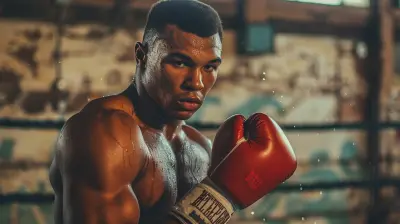
How to Use Content Marketing to Build a Sports Brand
8 March 2026
So you want to build a sports brand? Awesome. Whether you're a new fitness apparel startup, a local sports club, or a growing athlete brand, there's one powerful tool you shouldn’t overlook: content marketing.
Why? Because in today’s fast-paced digital world, it’s not just about having the best gear or a cool logo. It’s about telling stories, building communities, and creating moments fans can connect with. That’s where content marketing kicks in like a last-minute game-winning goal.
In this article, we’ll dive deep into how you can use content marketing to craft a killer sports brand that isn't just seen but remembered.
What Is Content Marketing (And Why Sports Brands Should Care)?
Let’s not overcomplicate it. Content marketing is creating and sharing valuable content to attract, inform, and engage your audience. Think blog posts, social media updates, videos, podcasts, and more—all tailored to connect with your fans or customers.Now ask yourself: What makes people loyal to a sports brand?
Is it just the product? Nope. It’s the passion. The journey. The identity.
Content marketing helps you showcase that. It builds emotion and trust. It gives your brand a voice in a stadium full of noise.
Why Content Marketing Works Like a Champ for Sports Brands
1. It Fuels Fan Passion
Sports fans are intense. They love drama, underdogs, epic wins (and even crushing losses). Content lets you tap into that deep emotional well. By telling stories that align with fan values, you turn casual followers into diehard supporters.2. It Builds a Tribe
People don’t just buy jerseys—they wear them because they identify with what they represent. Content creates shared experiences that unite fans. From behind-the-scenes footage to inspirational athlete features, it's all about creating a community around your brand.3. It Enhances Visibility
Let’s face it—SEO matters. Content marketing boosts your search rankings. The more you publish high-quality, keyword-optimized content, the more Google loves you. Result? More visibility. More traffic. More fans.
Step-by-Step: How to Use Content Marketing to Build a Sports Brand
Alright, now let’s get down to the nitty-gritty. Here’s how you can strategically use content marketing to build and grow your sports brand from the ground up.Step 1: Define Your Brand Identity
Before you type a single word or film your first video, you need to know who you are.- Are you a gritty underdog or a polished elite brand?
- Are you focused on youth sports, pro athletes, or casual weekend warriors?
- What's your mission? Your voice? Your story?
Your content should reflect your brand’s essence the same way a team’s uniform reflects its spirit.
Pro tip: Write a brand manifesto. One page is enough. Make it emotional, clear, and bold.
Step 2: Know Your Audience (Like, Really Know Them)
You can’t hit the target if you don’t know where to aim.Dig into your ideal audience:
- What sports do they love?
- Where do they hang out online?
- What are their pain points?
- What kind of content fires them up?
Use social media insights, Google Analytics, surveys, or even one-on-one convos to get inside their heads.
Example: If your brand targets runners, create content about running techniques, recovery tips, inspiring marathon stories, or gear comparisons.
Step 3: Create A Content Strategy That Scores
Time to draw up your game plan. A good content strategy should include:✅ Content Goals
- Build awareness?- Increase sales?
- Boost social shares?
- Grow newsletter subscribers?
Pick 1-3 key goals. Don’t try to do everything at once.
✅ Content Pillars
Pick 3-5 content themes that align with your brand. These are recurring topics you’ll consistently cover.For example:
- Behind-the-Scenes Athlete Moments
- Fan Stories
- Game Highlights
- Training Tips
- Motivational Quotes
✅ Content Calendar
You wouldn’t show up to a game without a playbook, right?Plan your content monthly or weekly. Include formats, platforms, deadlines, and who’s responsible. Trust us—it keeps you consistent.
Step 4: Mix Up Your Content Types (Don’t Be Boring)
No one wants the same old static posts every day. Variety keeps your audience engaged. Here's how you can spice things up:📹 Videos
- Game highlights- Workout tutorials
- Day-in-the-life vlogs
- Live Q&As
Bonus: Videos get crazy engagement on TikTok, Instagram Reels, and YouTube Shorts.
📸 Visuals and Graphics
- Meme-style posts (because sports people love a laugh)- Motivational quotes
- Infographics on stats or training tips
✍️ Blog Posts
- “Top 10 Recovery Tools for Runners”- “What It’s Like Playing Semi-Pro Football in Your 30s”
- “How Team Culture Impacts Performance”
Blogs boost SEO and build trust over time.
🎙 Podcasts
- Interview local athletes- Discuss trending sports topics
- Share coaching tactics
It’s a great way to build a loyal audience that tunes in week after week.
Step 5: Tell Stories That Stick
Nike doesn’t sell shoes. They sell the idea that you can overcome anything.Your sports brand should do the same. Don’t just promote products or services—tell stories.
Try This:
- Share the story of an athlete who used your gear to train for their first marathon.- Highlight a superfan who’s been with your brand since day one.
- Break down a classic game moment and what it taught you about perseverance.
Remember: Emotions sell. Stories move people. And stories + sports = magic.
Step 6: Leverage Social Media Like a Pro Athlete
If your brand isn’t active on social media… we need to talk.Here’s how to use social platforms effectively:
- Instagram: Great for visuals, stories, behind-the-scenes, and Reels.
- TikTok: Perfect for creative short videos, locker-room fun, and viral challenges.
- Twitter/X: Best for live game commentary, hot takes, and fan engagement.
- YouTube: Longer-form content like training videos, interviews, or mini-documentaries.
- LinkedIn: Ideal for B2B sports brands or coaching businesses.
Be consistent, genuine, and responsive. Social platforms are where relationships are built—and where your content really lives.
Step 7: Collaborate and Co-Create
Two words: influencer marketing.Partnering with athletes, coaches, or sports influencers can skyrocket your brand's reach. But it’s not just about big names. Micro and local influencers can have deeper connections with their audiences—and they’re often more affordable.
Idea: Send your gear to an up-and-coming athlete and ask them to document their training journey using your products.
Step 8: Use SEO to Drive Organic Growth
If you’re not optimizing your content for search, you're leaving traffic on the table.Here’s the quick SEO playbook:
- Use keyword tools like Ubersuggest or Semrush to find relevant sports keywords.
- Include them naturally in titles, meta descriptions, headers, and throughout your blog copy.
- Optimize images and videos with alt text.
- Don’t forget internal links to keep people exploring your site.
Example: A blog titled “Best Recovery Techniques for Soccer Players” with keywords like “soccer recovery tips,” “post-match recovery,” and “sports physiotherapy” can bring in targeted traffic for months.
Step 9: Track Metrics and Adjust Your Game Plan
You wouldn’t play a whole season without checking the scoreboard, right?Keep tabs on:
- Website traffic
- Social engagement
- Conversion rates
- Email opens
- Keyword rankings
Use those insights to double down on what’s working and tweak what isn’t.
Step 10: Keep It Real
Forget the corporate jargon. People connect with authenticity.Be human in your content. Show your face. Share your challenges. Celebrate your wins AND your losses.
This is sports, after all. It's raw, emotional, sometimes messy—but always real.
Let your content reflect that.
Real-World Sports Brands Killing It with Content Marketing
Need some inspiration? Check these out:- Red Bull – They’ve turned extreme sports into stories that feel like Hollywood blockbusters. From YouTube documentaries to live events, they’re the gold standard.
- Gymshark – Built their entire brand through content and influencer engagement before they were even mainstream.
- GoPro – They don’t just sell cameras—they sell experiences. User-generated content powers most of their brand.
You don’t need a billion-dollar budget to copy their mindset. Just start small, stay consistent, and tell your story.
Final Thoughts
So, how do you use content marketing to build a sports brand?You show up, you create value, and—most importantly—you connect.
Content marketing isn’t about being fancy. It’s about being real. It's not about selling—it’s about storytelling. And when you do it right, your sports brand becomes more than just a business—it becomes a movement.
Ready to put some skin in the game?
Grab your camera, open a Google Doc, fire up Canva—whatever your style is—and start creating content that makes people want to cheer for you.
Because in sports and in branding, the crowd goes wild for those who show heart.
all images in this post were generated using AI tools
Category:
Sports MarketingAuthor:

Onyx Frye
Discussion
rate this article
2 comments
Yasmine Hensley
Great insights! Building a brand takes time and effort.
March 13, 2026 at 1:46 PM
Onyx Frye
Thank you! Absolutely, patience and dedication are key to successful brand building.
Kyle Vaughn
Authentic stories drive fan engagement.
March 8, 2026 at 5:49 AM
Onyx Frye
Absolutely! Authentic stories resonate deeply, creating emotional connections that enhance fan loyalty and engagement.