Fan Protests and Power: The Game-Changing Influence in 2027
3 May 2026
You know that feeling when you're in a stadium, the crowd roars, and you swear the ground shakes? That's not just noise. That's power. In 2027, that power isn't just about cheering for a goal or a touchdown. It's about fans standing up, raising their voices, and changing the very fabric of sports. We're talking about protests, boycotts, and movements that have flipped the script on how leagues, owners, and even players operate. Let me tell you, it's been a wild ride.
The Shift from Spectator to Stakeholder
For decades, being a fan meant buying a ticket, wearing a jersey, and hoping your team wins. You were a spectator, a passive observer. But around the mid-2020s, something cracked. Fans started realizing they weren't just customers; they were the lifeblood. Without them, the billion-dollar industry collapses. So, in 2027, that realization turned into action. Think of it like this: if a restaurant serves bad food, you don't just leave a bad review-you organize a boycott. That's exactly what happened in sports.Take the "Empty Seats Movement" that kicked off in early 2027. It started in the English Premier League when a club tried to hike ticket prices by 40% overnight. Fans didn't just complain on social media. They organized. They stayed home. The stadium, usually a cauldron of noise, fell silent. The TV cameras showed row after row of empty seats. The broadcasters panicked. The sponsors squirmed. Within two weeks, the club reversed the price hike. That was the spark.
Now, fast forward to later that year. Similar protests spread to the NFL, NBA, and even cricket in India. Fans realized that their absence was louder than any chant. It's a simple equation: no fans, no atmosphere. No atmosphere, no TV deals. No TV deals, no money. The owners had to listen.
Why 2027 Became the Year of the Fan
You might ask, "Why now? What made 2027 different?" I think it's a mix of timing and technology. Social media has been around for years, but by 2027, fan networks became hyper-organized. Platforms like Discord, Telegram, and niche sports forums turned into command centers. Fans could coordinate protests across cities in hours. They shared templates for signs, legal advice, and even fundraising for legal battles. It was like a digital picket line.Also, the cost of living crisis that hit hard in the early 2020s didn't just disappear. People felt the pinch. When a team's owner is a billionaire and they're asking fans to pay $200 for a nosebleed seat, it feels personal. In 2027, that resentment boiled over. Fans started asking tough questions: "Why should I fund your yacht while I can't afford rent?" That's a powerful motivator.
The Tactics That Worked
Let's break down the specific ways fans flexed their muscle. It wasn't just about staying home. That was the nuclear option. There were subtler, more clever moves.The Silent Walk-Out
Imagine this: the game is tied in the 70th minute. Your team is pushing for a winner. Then, suddenly, 10,000 fans stand up and walk out. No noise. No chaos. Just a slow, deliberate exit. That happened in a Serie A match in March 2027. The players stopped. The referee paused. The cameras zoomed in on the departing backs. It sent a chilling message: "We control the atmosphere, not you." The protest was about a new rule that limited fan flags and banners in the stands. The league reversed the rule within a week.The Jersey Boycott
Another tactic that gained traction was the jersey boycott. In 2027, a major sportswear brand was accused of using sweatshop labor in Southeast Asia. Fans of a popular basketball team decided not to buy or wear that brand's gear. They showed up to games in plain white t-shirts. The visual was stunning-a sea of white where there should have been logos. The brand's stock dipped. They quickly announced a new ethical sourcing policy. It wasn't a direct win, but it showed that fans could hit where it hurts: the bottom line.The Digital Sit-In
This one is wild. During a UFC pay-per-view event, fans organized a "digital sit-in." They flooded the streaming platform's chat with a single message: "Drop the price or we drop the stream." Thousands of accounts spammed the chat, making it impossible for casual viewers to enjoy the event. The platform crashed twice. The UFC eventually offered a 50% refund to all who purchased. It was a chaotic, beautiful mess.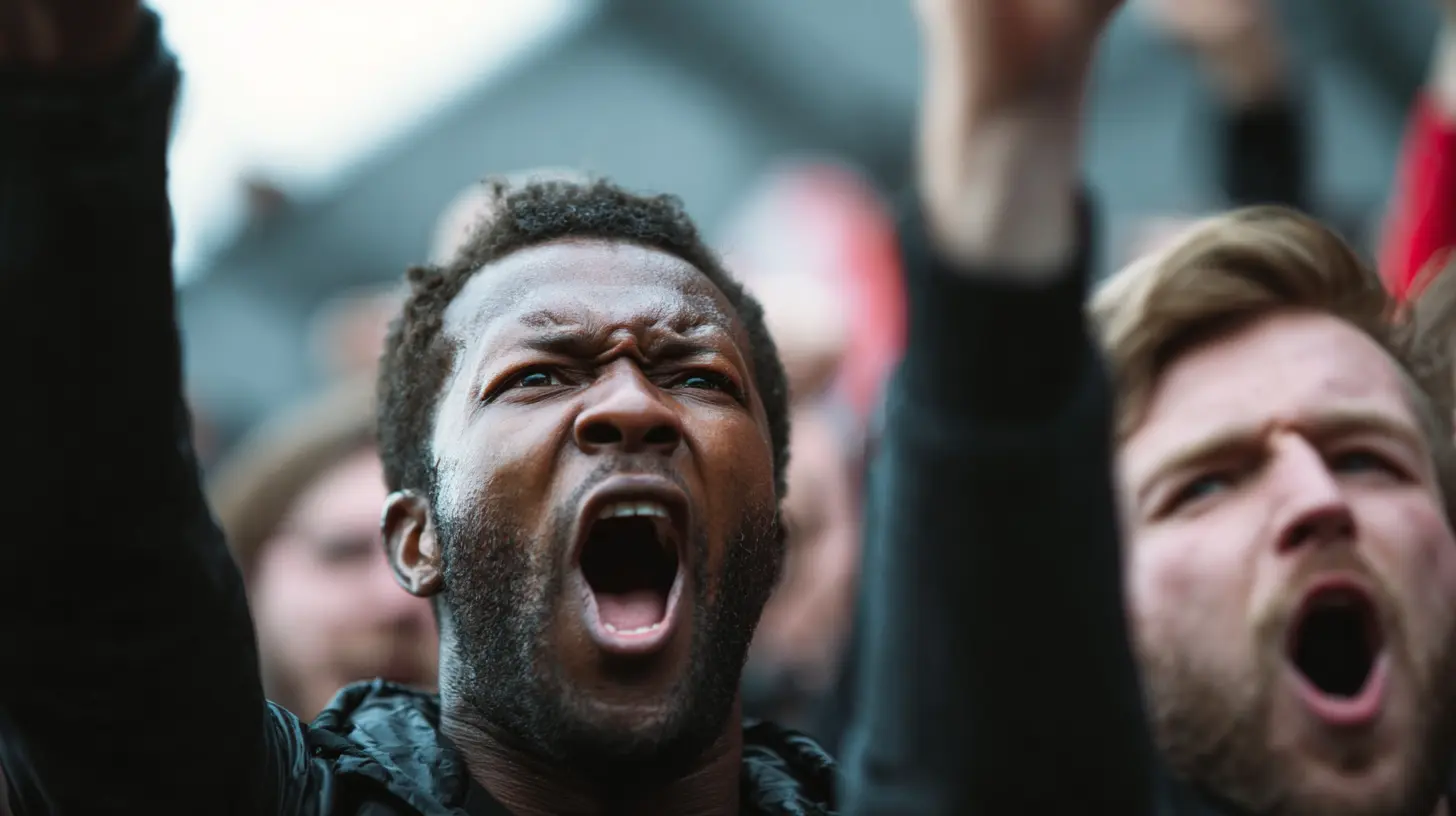
The Players Are on Their Side
Here's the twist that made 2027 different: players started joining the protests. It wasn't just fans versus owners. It was a coalition. When the WNBA players union announced they would stand in solidarity with a fan protest about unequal pay for women's teams, the league had no choice but to negotiate. Imagine a star player walking off the court mid-game to join a fan march outside the arena. That happened. It was unprecedented.Why did players get involved? Because they're fans too, at the end of the day. Many grew up in the same neighborhoods. They know the struggle. Also, players realized that a happy fanbase means better careers. No one wants to play in an empty stadium. So, when fans protest, players listen. In 2027, that bond became a weapon.
The Owners' Counter-Moves
Of course, the powers that be didn't just roll over. They tried some clever counter-tactics. Some clubs offered "loyalty discounts" to fans who didn't protest. Others tried to divide the fanbase by offering exclusive perks to season ticket holders who signed "no protest" pledges. But fans saw through it. They called it "bribery with a leash." It backfired. The protests grew louder.There was also the legal route. Some teams tried to sue protest organizers for "tortious interference" with business contracts. But fans had lawyers too. Pro bono teams of attorneys stepped up. They argued that peaceful protest is protected speech. In most cases, the courts sided with the fans. That was a huge victory.
The Ripple Effect on Other Sports
What started in soccer and basketball spread like wildfire. In 2027, we saw fan protests in sports you wouldn't expect. Horse racing? Yes. Fans protested the use of whips. They organized a "no whip" day where they refused to bet on any race. The betting revenue dropped by 30%. The racing authority announced a review of whip rules within a month.Even esports got hit. When a major tournament organizer tried to ban certain teams from competing due to political affiliations, fans boycotted the stream. Viewership dropped by 60%. The organizer reversed the ban, citing "fan feedback." It's proof that no sport is immune.
The Emotional Toll on Fans
Let's be real for a second. Protesting is exhausting. It's not all triumphant marches and viral videos. In 2027, many fans faced backlash. Some lost their jobs because their employers saw them as "troublemakers." Others were banned from stadiums for life. I know a guy named Marco from Italy. He's been a season ticket holder for 20 years. He led a walk-out at his local club. The club banned him. He told me, "It hurts. But I'd rather lose my seat than lose my soul." That's the kind of conviction that drives change.There's also the guilt. Some fans feel bad for disrupting the game. They love the sport. They don't want to hurt it. But they also know that silence is complicity. It's a tough balance. I think that's why 2027 was so powerful-because fans were willing to be uncomfortable for something bigger.
The Media's Role: Friend or Foe?
The media had a tricky role. On one hand, they love a good story. Protests make headlines. But on the other hand, they rely on advertising revenue from leagues and sponsors. In 2027, we saw a split. Some outlets covered protests with depth and empathy. Others tried to frame fans as entitled or ungrateful. There was a famous incident where a TV pundit said, "These fans should be grateful they have a team at all." The backlash was immediate. Fans flooded the network's social media with stories of ticket prices, parking costs, and concession stand robberies. The pundit apologized within 24 hours.The lesson here: fans have learned to control their own narrative. They don't wait for the media to tell their story. They post videos, write blogs, and host live streams. In 2027, the fan's voice is louder than the broadcaster's.
What This Means for the Future
So, where do we go from here? I think 2027 is just the beginning. The genie is out of the bottle. Fans now know their power. They've seen that a coordinated effort can topple a price hike, change a rule, or even shift a league's ethics. Owners are scared. And they should be.But there's a risk too. If fans become too powerful, what stops them from abusing it? Imagine a group of fans protesting because their team lost a game. That would be petty. Or what if a minority of loud fans drown out the majority? That's a real concern. In 2027, we saw some protests that were poorly organized or had unclear goals. They fizzled out. The key is staying focused.
I believe the future will see more formal fan unions. Think of it like a labor union, but for the people in the stands. They'll have elected representatives, legal funds, and negotiation power with leagues. Some clubs are already experimenting with fan advisory boards. In Germany, the 50+1 rule (where fans own a majority of the club) has been a model for decades. In 2027, more countries are looking at that model. It's not perfect, but it's a start.
A Personal Note
I've been a sports fan my whole life. I've cried over losses and screamed at referees. But 2027 made me proud. It showed that we're not just passive consumers. We're a community. We have values. We're willing to fight for them. I remember sitting in a bar with my friends, watching a game that was almost empty because of a protest. We felt a mix of sadness and hope. Sad because the stadium was dead. Hope because we knew it meant something.If you're reading this and you're a fan, don't underestimate yourself. You have more power than you think. Next time you see an injustice-a price hike, a unfair rule, a shady owner-don't just complain. Organize. Talk to the person next to you at the game. Start a group chat. Make a sign. Walk out if you have to. It might feel awkward, but it works.
The Bottom Line
Fan protests in 2027 weren't just about sports. They were about power dynamics in society. They showed that when people unite, they can shift mountains-or at least, they can shift a billionaire's bottom line. The game has changed. The fans are no longer just the audience. They're the directors. They're the producers. They're the ones who decide if the show goes on.So, the next time you hear a crowd roar, listen closely. That's not just noise. That's a negotiation. That's a demand. That's the future.
all images in this post were generated using AI tools
Category:
Fan ReactionsAuthor:

Onyx Frye
Discussion
rate this article
1 comments
Emory Fields
It's inspiring to see fans taking a stand in 2027! Their passion is truly a game-changer, and it's exciting to witness how their voices are shaping the future of sports.
May 3, 2026 at 4:22 AM
Onyx Frye
Absolutely! Fans are driving real change, and their voices are more powerful than ever. It's amazing to watch.