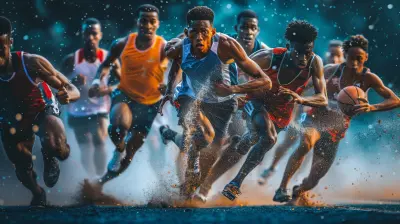
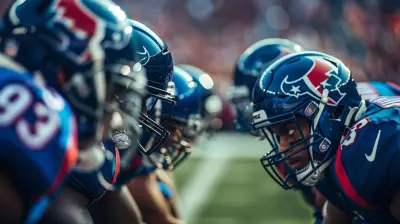
The Globalization of Professional Sports: What Does It Mean for Fans?
9 February 2026
Ah, globalization—nowadays, even your grandma knows about it. But while she's busy ordering exotic teas from the other side of the world, sports fans are dealing with a different kind of globalization—one that is completely reshaping the way we experience our favorite games.
Gone are the days when your local team was just a local team. Welcome to a world where soccer clubs have fanbases stretching from Manchester to Mumbai, and NBA teams are playing pre-season games in China. But what does this all mean for us fans? Are we winning, or is this just another example of corporations hijacking our passions? Buckle up. We’re about to dissect this global takeover with a mix of sarcasm, brutal honesty, and maybe even a little optimism.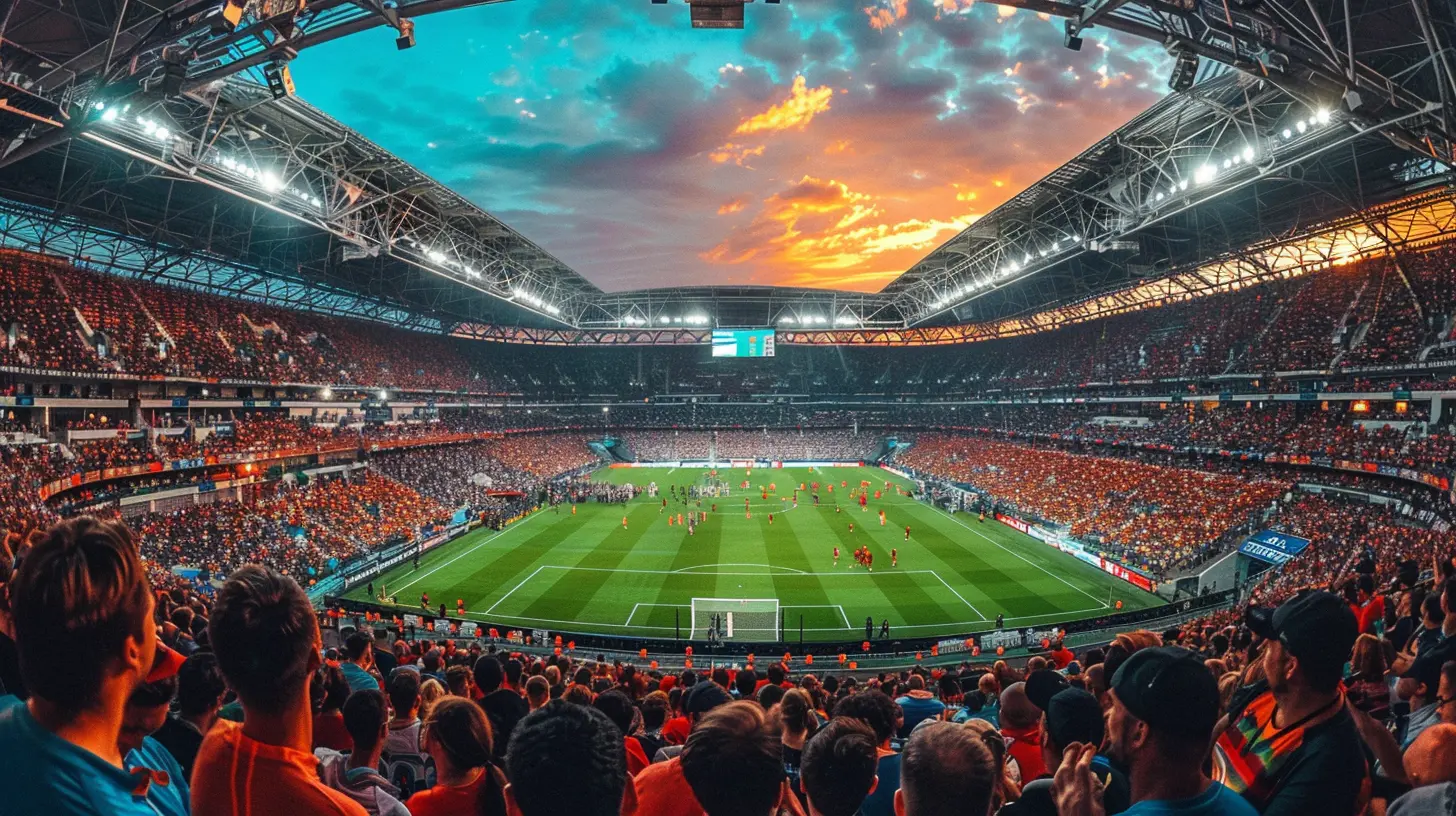
The Good: More Sports, More Fun, More Everything
Watching Your Favorite Teams Just Got Easier
Remember when following a European soccer team meant waiting for obscure sports news in the local paper? Nope, me neither, but apparently, it was a thing. Thanks to globalization, those dark ages are over. Now, you can binge-watch Premier League games from your couch in California or cheer for an NFL team while sitting in a café in Tokyo. Sounds perfect, right?Streaming services, satellite TV, and social media have turned sports into a 24/7 global spectacle. You no longer have to rely on a sketchy livestream that buffers right as your team is about to score. Instead, every league is fighting to make sure YOU (yes, the fan) can obsess over their product at all hours of the day.
Access to International Talent—Say Goodbye to "Local" Players
Once upon a time, your hometown team was made up of, well, guys from your hometown. Not anymore! Now, your squad might have a striker from Brazil, a midfielder from Belgium, and a defender from Japan—all playing under an Italian coach.Sure, this means your team could have a variety of playing styles woven into their DNA, but it also means that the whole concept of "local identity" in sports is on life support. But hey, at least you get to witness world-class talent up close, even if none of them can pronounce your city’s name correctly.
International Competitions Feel Like Blockbuster Events
Ever notice how the World Cup and the Olympics seem to capture the entire planet’s attention? That’s globalization at its finest. Every four years, people act like experts on sports they didn’t care about the day before (looking at you, casual curling fans).With teams packed full of international superstars, these events have become more than just a contest; they’re now massive pop-culture moments. You don’t just watch a game—you experience a cultural phenomenon with billions of other people. Not bad, huh?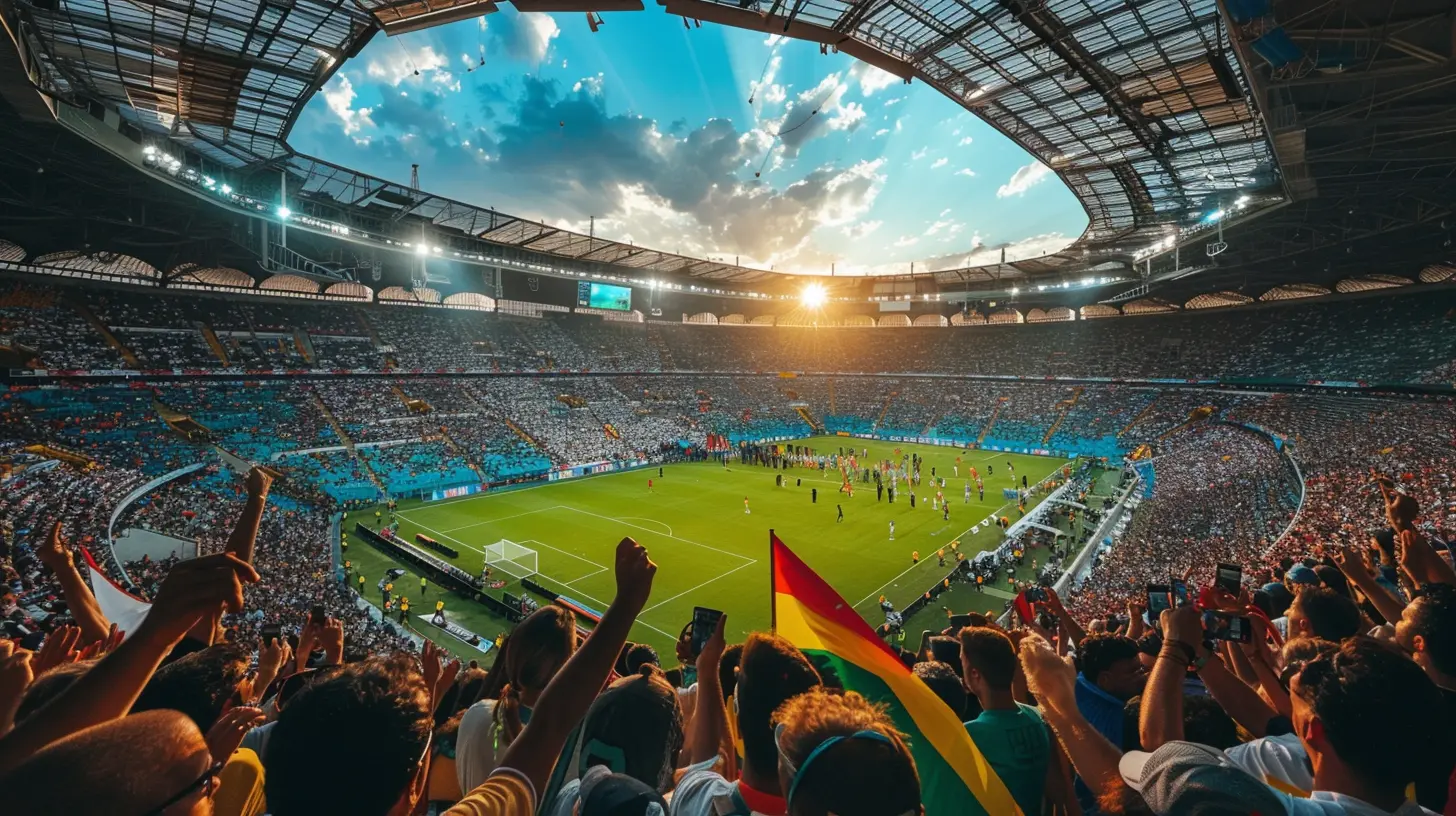
The Bad: No, It’s Not All Sunshine and Rainbows
Local Fans Get Pushed to the Sidelines (Literally)
Ever tried getting tickets to see your favorite team play at home? Good luck with that. Thanks to globalization, your team doesn’t just belong to your city anymore—it belongs to everyone. That means corporate sponsors, rich tourists, and overseas superfans are snagging seats before you even finish typing your credit card details.And let’s not even start on ticket prices. With demand coming from every corner of the globe, prices skyrocket. Congratulations, you now need to sell a kidney just to afford decent seats.
The Time Zone Struggle is Real
Love European soccer but live in the U.S.? Enjoy waking up at ungodly hours to watch games. Want to catch the NBA live from Europe? Get ready to stay up until 3 a.m.Globalization means games are being broadcast for EVERYONE, but no one actually considered that fans physically need sleep. So, instead of getting a full night's rest, you're now setting alarms at ridiculous hours just to watch your team disappoint you in real time.
Team Loyalty? What’s That?
Back in the day, a player would stick with a team for years, maybe even their entire career. Now? Loyalty lasts about as long as a summer fling. Players jump from league to league, continent to continent, in pursuit of the biggest paycheck.And let's be real—clubs aren’t much better. If you thought that your team’s identity actually mattered, think again. The club's name, logo, and even location could change if it means making a few million extra dollars. Fans? Oh, they’ll "adjust."
The Ugly: Money Talks, Fans Walk
The Rise of the Super Clubs
Ever feel like the same teams win everything, every year? That’s because they do. The richest clubs, often owned by oil tycoons or billionaires with questionable morals, scoop up the best players with contracts that could fund a small country.Smaller teams? They’re basically background characters—just there to give the big guys an occasional challenge before inevitably losing. When money dictates success, unpredictability in sports takes a hit. Where’s the fun in that?
Merchandising Madness
Ah, the joys of modern sports—where half the game is about the actual sport, and the other half is about how many jerseys they can convince you to buy.Globalization means teams now churn out "special edition" jerseys, international fan gear, and regional exclusives faster than you can say "rip-off." And guess what? You’ll probably buy them anyway.
Is It Still About the Love of the Game?
At the core of it all, sports were supposed to be about passion, grit, and community. But with globalization, sports have become more about business deals, sponsorships, and expanding into ‘new markets.’Ever notice how teams now have "official sponsors" for everything? Need to hydrate? Drink the "official sports drink" of your team. Want a burger? Better get it from the "official fast food partner" of your squad. Your team isn’t just playing for the win anymore—they're playing for brand partnerships.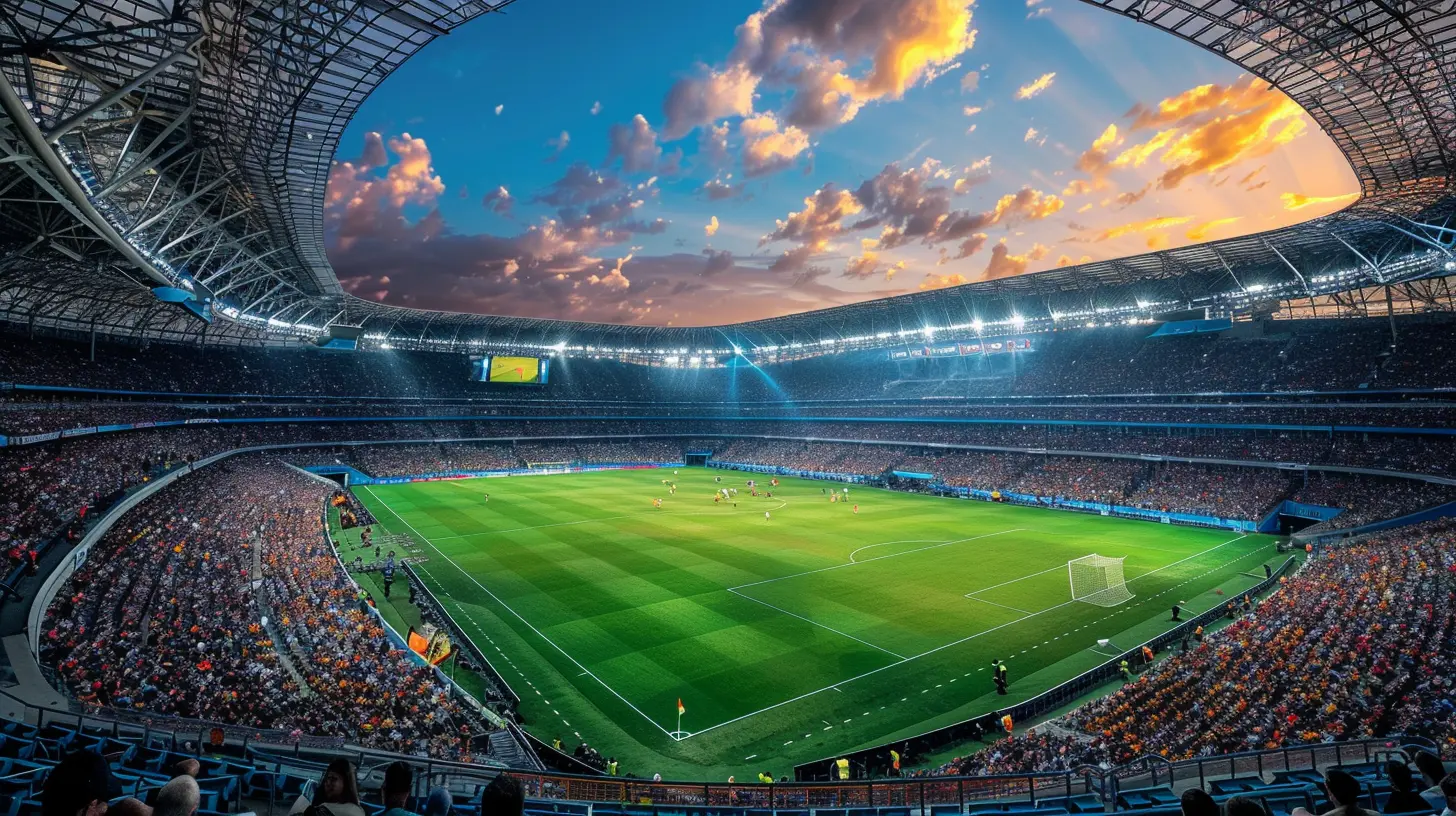
So, Is Globalization a Blessing or a Curse for Fans?
Like anything else in life, globalization in sports is a double-edged sword. On one hand, fans now have unparalleled access to games, players, and international events. On the other hand, the sense of local identity, affordability, and genuine player loyalty has taken a major hit.The reality? Whether we love it or not, globalization isn’t going anywhere. Sports are now a global business, and as fans, we either adapt or get left behind.
But hey, at least we get to watch our favorite teams no matter where we are. Even if it means waking up at 4 a.m.
all images in this post were generated using AI tools
Category:
Professional SportsAuthor:

Onyx Frye
Discussion
rate this article
2 comments
Rebecca McCarron
Oh great, now we can cheer for our favorite teams in different languages while they play in stadiums across the globe! Just what I needed—more time zones to juggle while trying to recall players’ names. Cheers!
February 24, 2026 at 12:14 PM
Onyx Frye
I appreciate your enthusiasm! While juggling time zones can be tricky, the global nature of sports offers a unique opportunity to connect with diverse cultures and fans worldwide. Cheers to that!
Emmeline McElroy
In the game’s embrace, borders fade; fans unite, hearts ablaze, as passions collide in vibrant play.
February 10, 2026 at 5:31 AM
Onyx Frye
Thank you! You've beautifully captured the essence of sports as a global unifier, transcending boundaries and igniting shared passion among fans.