How the Rules of Pickleball Are Evolving by 2026
29 October 2026
Pickleball has moved fast. What began as a backyard pastime with borrowed tennis nets and a loose rulebook is now a structured sport with professional tours, national federations, and a rapidly expanding base of players who care deeply about fairness and consistency. As the sport matures, its rules are maturing with it. The changes taking shape between now and 2026 are not cosmetic. They reflect real tensions: how to keep the game fast and fun while making it defensible at the highest level, how to protect recreational players from rulebook whiplash, and how to standardize a sport that grew up in thousands of separate communities.
This article looks at where the rules are heading, why the pressure for change exists, and what players, coaches, and organizers should think about before adopting new interpretations. It is not a rulebook. It is a guide to the forces reshaping the rulebook and the practical decisions that follow from them.
Why the Rules Are Changing at All
Every sport's rulebook is a response to the problems its players create. Pickleball's early rules were written to settle disputes on a driveway. They worked because the game was casual. As the sport scaled, three pressures started to strain the original framework.First, the level of play rose. Players now train with purpose. Paddles generate spin and power that early designers never anticipated. Techniques like the Erne, the ATP (around-the-post shot), and aggressive poaching have forced officials to clarify what was always ambiguous.
Second, the money grew. Professional leagues and sponsored tours need rules that hold up under video review and broadcast scrutiny. Ambiguity that was charming in a park becomes a liability when a title and a paycheck depend on a line call.
Third, the player base diversified. Beginners, seniors, wheelchair athletes, and youth players all need the game to work for them. A rule that makes sense for a 5.0 tournament may be irrelevant or even harmful in a community center.
The result is a rulebook in motion. The governing bodies that oversee the sport in different regions coordinate through shared committees, and their updates tend to arrive on a predictable annual cycle. By 2026, several of these updates will have settled into standard practice. Others remain contested. Understanding both categories is what separates informed players from confused ones.
The Serve: From Weapon to Formality
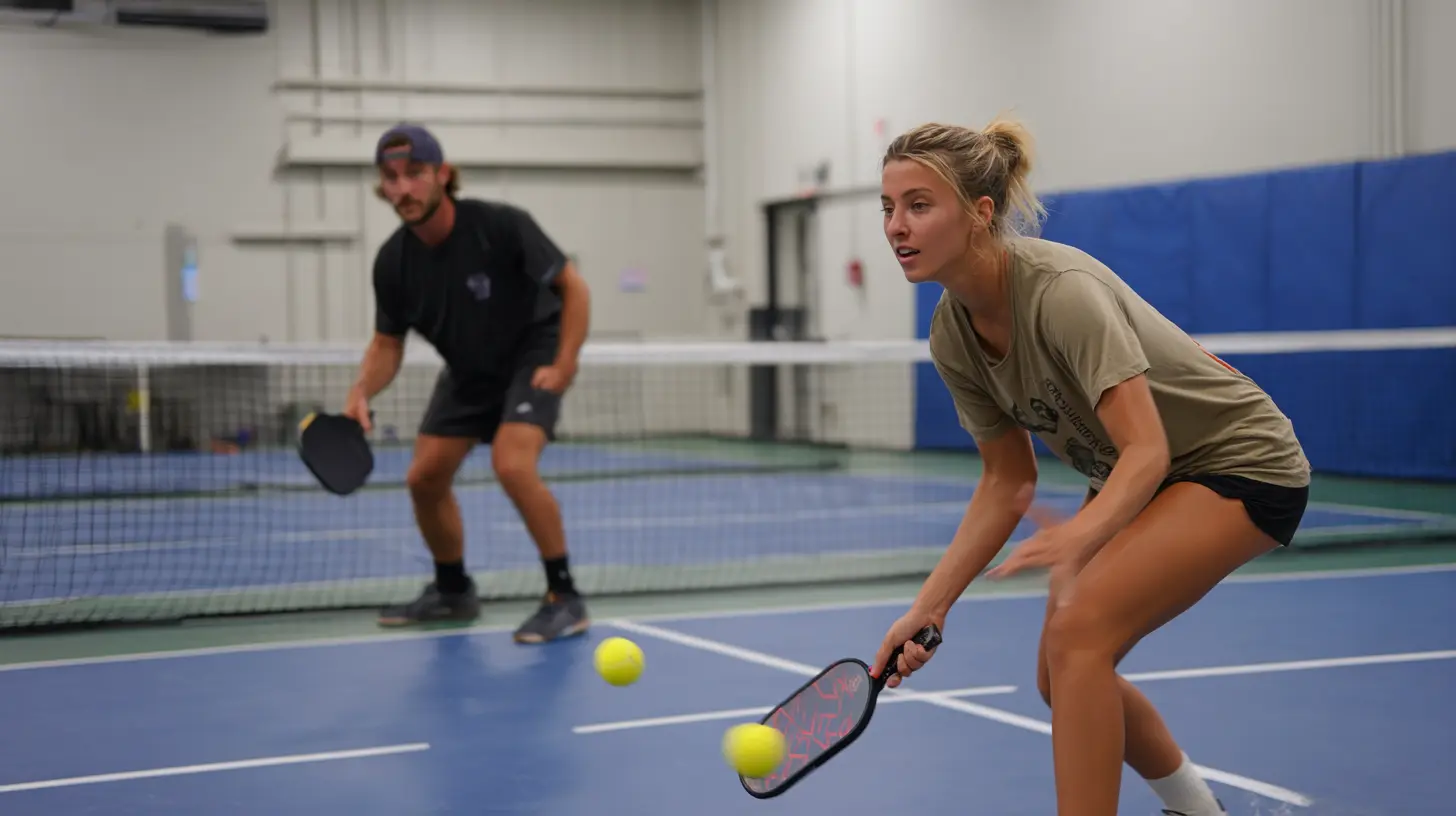
The serve has been the most frequently revised part of the game. Early rules allowed a degree of improvisation that players exploited. A hard, spinning serve could win points outright at lower levels, which undercut pickleball's core appeal: long rallies and hand battles at the kitchen line.The trend is clear. The serve is being deliberately de-emphasized. The volley serve, once common, has been progressively restricted in favor of the drop serve, where the ball is released and struck after it bounces. The drop serve removes the toss, which removes much of the spin and pace advantage a tall or powerful server could generate. It also makes the serve easier to officiate because the bounce is visible.
By 2026, expect the drop serve to be the default in most competitive contexts, with the volley serve either eliminated or tightly constrained. The reasoning is not arbitrary. A serve that is too powerful shortens rallies, reduces the role of touch and strategy, and makes the game less watchable. The drop serve keeps the serve as a way to start the point rather than a way to end it.
What should players do with this? If you are a recreational player who relies on a big volley serve, start practicing the drop serve now. The transition is easier than it looks, but it takes repetition to generate consistent depth and placement. If you play in leagues that still permit the volley serve, do not assume that will last. Ask your league director which rule set they follow and when they plan to update.
There is a trade-off worth naming. The drop serve reduces the server's advantage, which some players see as fair and others see as a loss of a legitimate skill. Both views have merit. The governing bodies have chosen fairness and rally length over server dominance, and that choice is unlikely to reverse.
The Kitchen Line and Body Contact
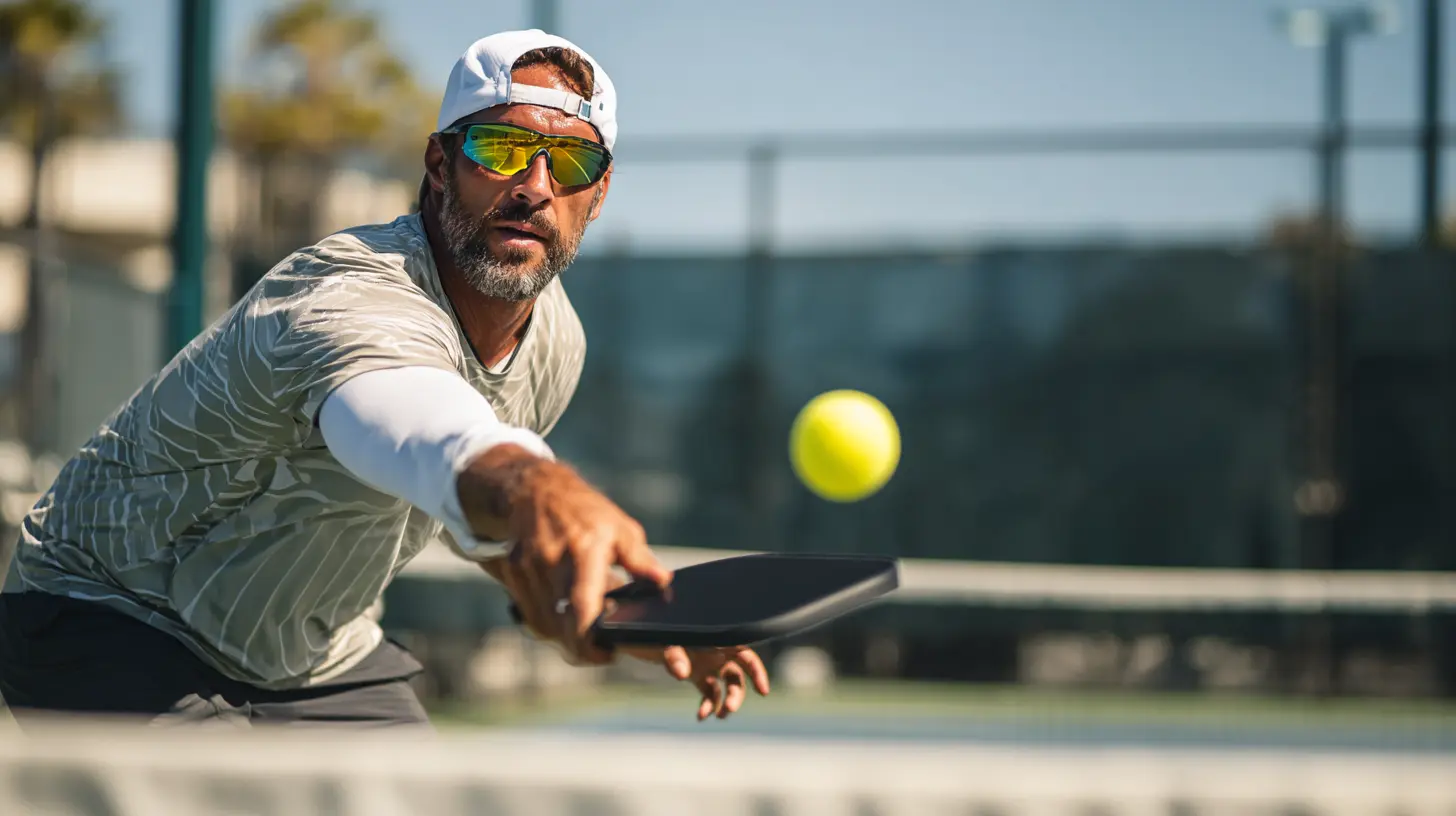
The non-volley zone, universally called the kitchen, is the heart of pickleball strategy. The rule that you cannot volley while standing in or touching the line of the kitchen is well known. What is evolving is the interpretation of what counts as "touching" and how momentum carries a player into the zone after a volley.The principle is straightforward: if your momentum from a volley carries you into the kitchen, you lose the point even if the ball has already been returned. Officials have tightened enforcement of this rule as video review has become more common. The change is not the rule itself but the consistency of its application. Expect clearer guidance by 2026 on what constitutes momentum versus a deliberate step, and expect tournament referees to call it more strictly.
A related area is body contact. When a ball hits a player, the point typically ends. But edge cases abound: a ball that grazes a paddle hand, a ball that hits a player standing out of bounds, a ball that strikes a player after bouncing. The trend is toward clearer definitions that reduce the referee's discretion. Discretion is necessary in a casual game but corrosive in a competitive one, where players deserve predictable outcomes.
For players, the practical advice is simple. Practice your volley footwork so that your momentum carries you sideways or backward, not forward. The most common mistake at intermediate levels is lunging forward for a volley and then toppling into the kitchen. That habit costs points. Fix it in practice before it costs you a match.
Paddle Specifications and the Equipment Arms Race
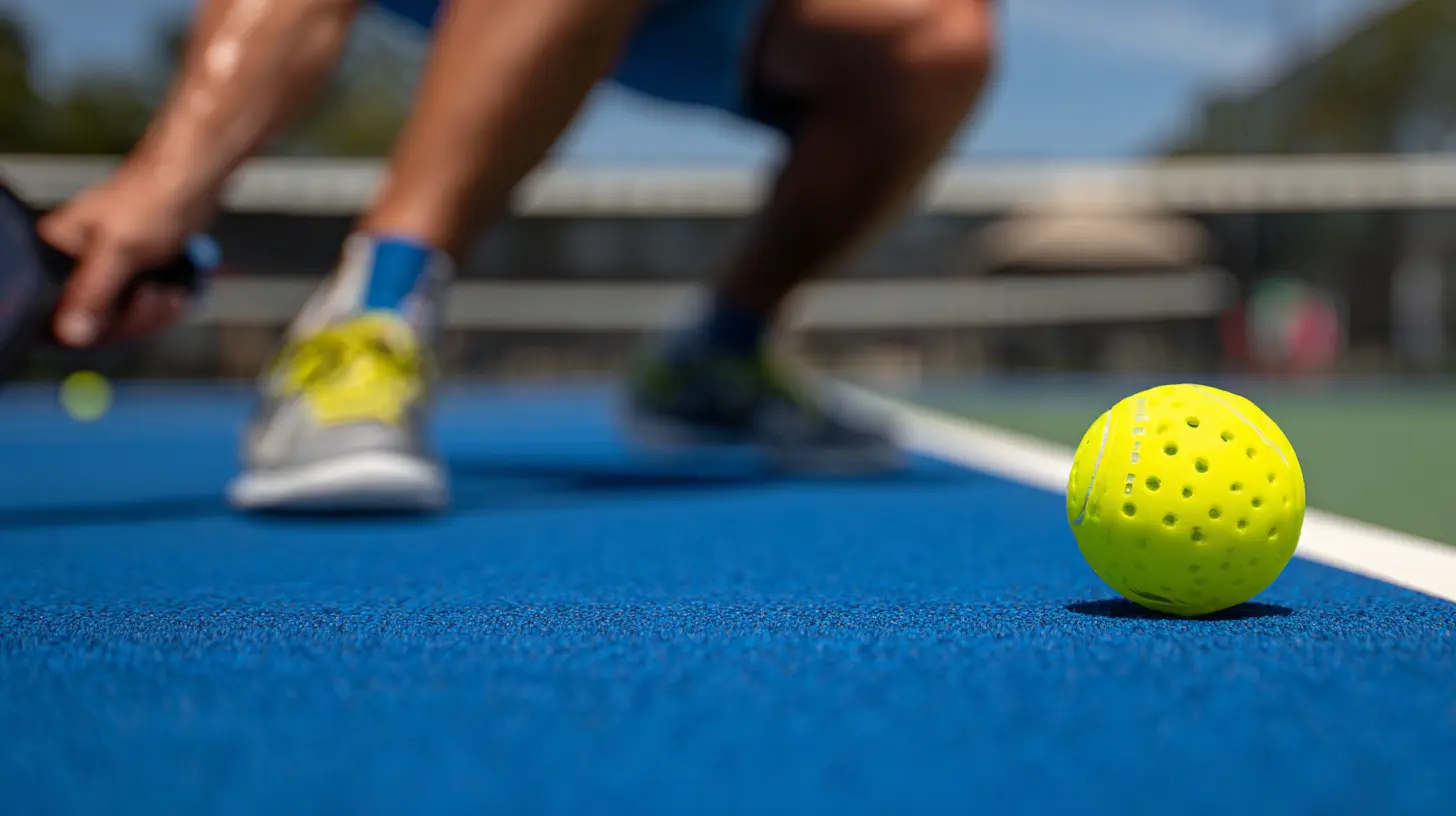
Equipment rules are where the sport's growth collides most directly with fairness. Paddle technology has advanced quickly. Manufacturers experiment with surface textures, core materials, and edge designs. Some of these innovations increase spin and power in ways that the original rulebook never contemplated.The governing bodies have responded with a certification regime. Paddles used in sanctioned play must appear on an approved list, and the list is updated as new models are tested. By 2026, expect this regime to be more rigorous and more transparent. Testing for surface roughness and spin potential is likely to become standard, and the approval process is likely to include random post-market checks rather than one-time certification.
Why does this matter to a recreational player? Because the paddle you buy at a big-box store may not be legal for tournament play, and the gap between legal and illegal equipment is widening. If you plan to compete, check the approved list before you buy. If you only play casually, the rules matter less, but be aware that a heavily textured paddle can make your game less transferable to sanctioned settings.
There is a real trade-off here. Strict equipment rules protect competitive integrity but raise costs and slow innovation. Loose rules encourage manufacturers to push boundaries but risk turning the sport into an equipment contest. The current direction favors integrity, with a gradual tightening rather than a sudden crackdown. That is probably the right balance, but players should expect to replace paddles more often if they compete seriously.
Rally Scoring and Match Format Experiments
Traditional pickleball uses side-out scoring, where only the serving team can score. This format produces long matches and rewards consistency. But it also creates long stretches where one team serves repeatedly, which can be dull for spectators and frustrating for players who feel the game slipping away without a chance to respond.Rally scoring, where every rally produces a point regardless of who served, has been tested in various professional and exhibition settings. By 2026, expect rally scoring to be established in some professional formats while side-out scoring remains standard for recreational and most amateur play. The split is deliberate. Rally scoring shortens matches, increases the value of each point, and makes broadcasts more predictable in length. Side-out scoring preserves the strategic depth that long-time players love, including the importance of serving and the psychology of breaking serve.
Which format should you use? It depends on your goal. If you run a recreational league with a fixed time slot, rally scoring keeps matches on schedule. If you run a tournament that prizes tradition and strategic depth, side-out scoring remains the better fit. The mistake is assuming one format will replace the other entirely. The likely future is a sport with multiple sanctioned formats, each suited to a different context, much like tennis has different formats for different events.
Players preparing for competition should practice both. Rally scoring changes strategy: every point matters equally, so conservative play that trades points is less attractive, and aggressive play that ends rallies quickly becomes more valuable. If you only train under side-out rules, you will be unprepared for a rally-scoring event.
Video Review and the Human Element
As the stakes rise, so does the demand for review. Line calls in pickleball have traditionally been made by players or by roving officials. Both are fallible. Video review, already common in professional tennis and other sports, is coming to pickleball's higher levels.By 2026, expect limited video review to be standard in major professional events, with a capped number of challenges per team. The design question is how to limit review without making it a tactical tool for stalling. The likely answer is a challenge system similar to tennis: each team gets a small number of challenges, and a failed challenge costs the team its remaining challenges or a point. This preserves the human element for most calls while correcting the egregious errors that undermine trust in the outcome.
For amateur players, video review is mostly irrelevant. But the culture it creates matters. Players who watch professional matches will absorb the expectation that close calls should be reviewable, and that expectation will filter down to league play. The best response is to strengthen your own calling discipline. Call the ball out only when you are certain. Give the benefit of the doubt on close calls. The professional review system exists because human judgment fails; at the amateur level, good sportsmanship is the substitute.
Accessibility Rules and the Growth of Adaptive Play
Pickleball's low barrier to entry is one of its greatest strengths. The rules are evolving to protect that strength. Wheelchair pickleball, which follows most standard rules with adjustments for the double bounce, is gaining formal recognition and standardized competition. By 2026, expect clearer rules for adaptive play across categories, including rules for players with different mobility levels competing together in recreational settings.This is not a niche concern. As the sport's participant base ages, adaptive rules become mainstream. A player recovering from knee surgery may need a temporary accommodation. A senior league may need modified court dimensions or serving rules. The governing bodies are moving toward a framework that allows sanctioned modifications without fragmenting the sport into incompatible versions.
The practical advice for organizers is to document any local modifications clearly and consistently. A community center that changes the double-bounce rule for a wheelchair league should publish those changes so that new players know what to expect. Inconsistency is the enemy of accessibility; clarity is its ally.
What Players Should Do Now
Rules evolve slowly enough that most players can adapt without disruption, but only if they pay attention. Here is a practical plan.Check which rule set your league or club follows. Governing bodies in different regions publish their own rulebooks, and they are not always identical. Know which one applies to you.
Practice the skills the new rules reward. The drop serve, disciplined kitchen footwork, and conservative line calling are all skills that will serve you well regardless of how the rules settle.
Do not buy equipment on impulse. If you compete, verify that your paddle is on the approved list for your sanctioning body. If you do not compete, buy what feels good, but understand that heavily textured surfaces may limit your options later.
Watch professional matches with an eye for rule enforcement. Broadcasts are the best free education in how officials interpret ambiguous situations.
Speak up in your league. Rule changes are often announced with little explanation. Ask your director why a change was made. A well-informed player base makes better decisions than a passive one.
Common Misconceptions to Retire
Several myths persist and are worth correcting as the rules evolve.The first is that the kitchen rule only applies when you are volleying. In fact, you may stand in the kitchen at any time; the restriction is on volleying while in or touching the zone. Players who avoid the kitchen entirely lose strategic options.
The second is that a ball that hits the line is always in. On the sideline and baseline, yes. But the kitchen line is different: touching it during a volley is a fault. The line is in for the ball and out for the player's feet.
The third is that rule changes are arbitrary. Most changes respond to a specific problem observed in play. Understanding the problem makes the rule easier to remember and easier to accept.
The fourth is that professional rules will eventually apply everywhere. They will not. Recreational pickleball will keep a simpler rulebook because complexity serves competition, not community play.
The Road to 2026 and Beyond
The rules of pickleball are converging on a clearer identity. The sport is choosing rally length over server dominance, integrity over equipment innovation, and consistency over local improvisation. Those choices will not please everyone, but they are coherent. They point toward a sport that is fun to play at every level and defensible at the highest one.The players who thrive in this environment will be the ones who treat the rulebook as a living document rather than a fixed text. They will practice the skills the rules reward, question changes they do not understand, and adapt without complaint. That is not just good citizenship. It is competitive advantage.
all images in this post were generated using AI tools
Category:
Game Rules ExplainedAuthor:

Onyx Frye