Everything You Need to Know About the 2027 Ice Hockey World Championships
27 April 2026
Picture this: the roar of a sold-out arena, the crisp sound of a puck slapping against a stick, and the electric tension of a game that could go either way. That’s the magic of the Ice Hockey World Championships, and in 2027, it’s all happening in a setting that promises to be nothing short of spectacular. Whether you’re a die-hard fan who lives for overtime thrillers or a casual observer just dipping your toes into the frozen pond, I’ve got you covered. Let’s lace up our skates, grab a hot cocoa, and dive into everything you need to know about the 2027 Ice Hockey World Championships.

The Host Nation: A Stage Set for Glory
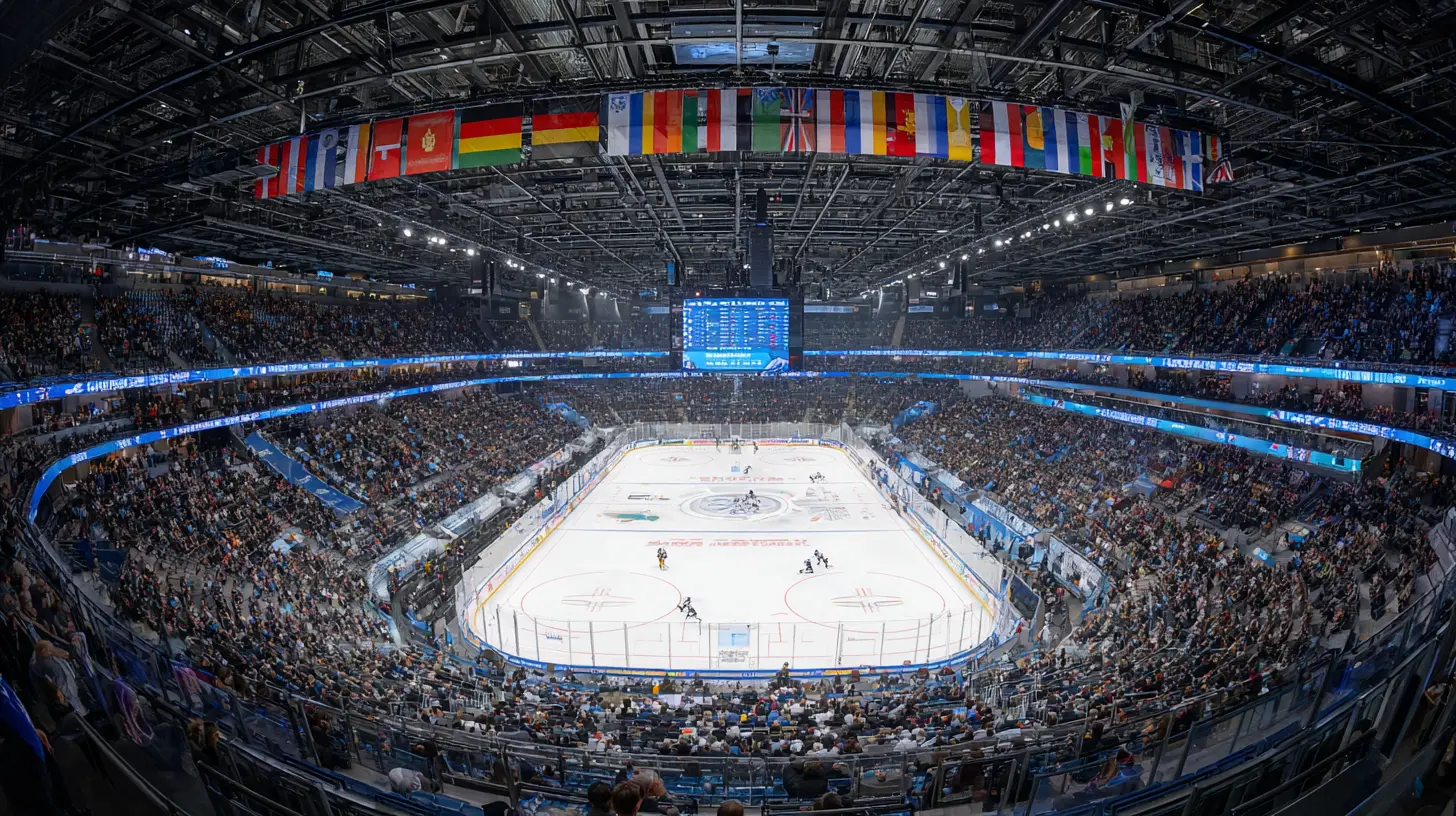
So, where’s the party this time? The 2027 Ice Hockey World Championships will be hosted by Germany, with the action split between two iconic cities: Düsseldorf and Mannheim. Think of it as a double-header of epic proportions. Düsseldorf, known for its vibrant culture and passionate sports fans, will host games at the PSD Bank Dome, a venue that can hold over 13,000 screaming fans. Meanwhile, Mannheim’s SAP Arena, with a capacity of around 13,600, will bring its own brand of energy. It’s like having two main stages for a rock concert—each with its own vibe, but both ready to amplify the drama.Why Germany? Well, the country has a rich hockey history, and after the success of hosting the 2017 World Championships in Cologne and Paris, the IIHF (International Ice Hockey Federation) knew the Germans could deliver. Plus, with their national team improving year after year—remember their shocking silver medal in 2023?—the home crowd will be a sixth man on the ice. Imagine a wave of black, red, and gold jerseys roaring every time a German player winds up for a slapshot. That’s the kind of atmosphere that can turn a good team into a great one.
The Format: How the Tournament Works
Let’s break down the structure, because even if you’re a seasoned fan, it’s easy to get lost in the shuffle. The 2027 Ice Hockey World Championships will feature 16 teams, split into two groups of eight. Group A will play in Düsseldorf, while Group B takes over Mannheim. Each team plays a round-robin within its group—seven games per squad—to determine seeding for the knockout rounds.Here’s the kicker: the top four teams from each group advance to the quarterfinals. The bottom four? They’re not out of the woods yet. The last-place team from each group gets relegated to Division I for the following year, which is like being sent to the minor leagues. It’s a brutal system, but that’s what makes every game count. No coasting, no resting on laurels. Every point matters, and even a single loss can haunt a team like a ghost in the crease.
The quarterfinals, semifinals, and medal games are single-elimination, so it’s win or go home. The bronze medal game and the gold medal final will be held at the SAP Arena in Mannheim on May 23, 2027. Mark your calendars—or better yet, set an alarm on your phone.

The Contenders: Who’s Bringing the Heat?
Now, let’s talk about the teams you’ll want to keep your eye on. The 2027 tournament is shaping up to be a heavyweight brawl, with traditional powerhouses and rising stars alike. Here’s a breakdown of the main players, using a little analogy: think of this as a buffet of hockey talent—some dishes are classic and reliable, while others are spicy and unpredictable.Canada: The Perennial Favorite
You can’t talk about hockey without mentioning Canada. They’re like the New England Patriots of the sport—always in the conversation, often at the top. With a deep pool of NHL talent, Canada is expected to bring a roster stacked with speed, skill, and grit. Their defense, led by players like Cale Makar or Devon Toews (assuming they’re healthy and willing), is a fortress. And up front? Forget about it. If Connor McDavid decides to grace the tournament, you’re looking at a cheat code. But here’s the catch: Canada sometimes struggles with team chemistry at short tournaments, since players come from different systems. Will they click in time?Finland: The Silent Assassins
Finland is the team that sneaks up on you like a fog in the night. They don’t have the flashiest stars, but they play a disciplined, systematic game that suffocates opponents. Their goaltending is usually world-class—think Juuse Saros or Ukko-Pekka Luukkonen—and their defense is a wall. In 2027, expect them to be a dark horse contender. They’re like that quiet kid in class who aces every test without raising their hand.Sweden: The Precision Machine
Sweden is all about structure and skill. Their players are often praised for their hockey IQ, and they have a knack for producing elite defensemen like Victor Hedman or Adam Larsson. Offensively, they can be lethal, but they sometimes struggle against physical teams. If Sweden can keep their composure and avoid penalties, they’ll be a tough out.United States: The Young Guns
The U.S. is a wildcard. Their junior programs have been churning out talent at an alarming rate, and by 2027, players like Auston Matthews or Jack Hughes could be in their prime. The Americans have speed, creativity, and a chip on their shoulder—they want to prove they’re not just a football country. But their defense can be leaky, and they sometimes get caught up in emotional play. If they can stay disciplined, they’re a threat to win it all.Russia (or ROC): The Question Mark
As of now, Russia’s participation is uncertain due to ongoing geopolitical tensions. If they’re allowed to compete under a neutral flag (like the Russian Olympic Committee), they’ll be a force. Their skill level is off the charts—think players like Kirill Kaprizov or Nikita Kucherov—but the off-ice distractions could mess with their focus. It’s a storyline that adds a layer of intrigue.Czech Republic and Switzerland: The Spoilers
Don’t sleep on the Czechs or the Swiss. The Czech Republic has a history of upsetting giants, and with young stars like David Pastrňák (if he’s available), they can light the lamp. Switzerland, meanwhile, has grown into a consistent top-8 team, with a system that frustrates opponents. They’re like the annoying little brother who keeps stealing your lunch money.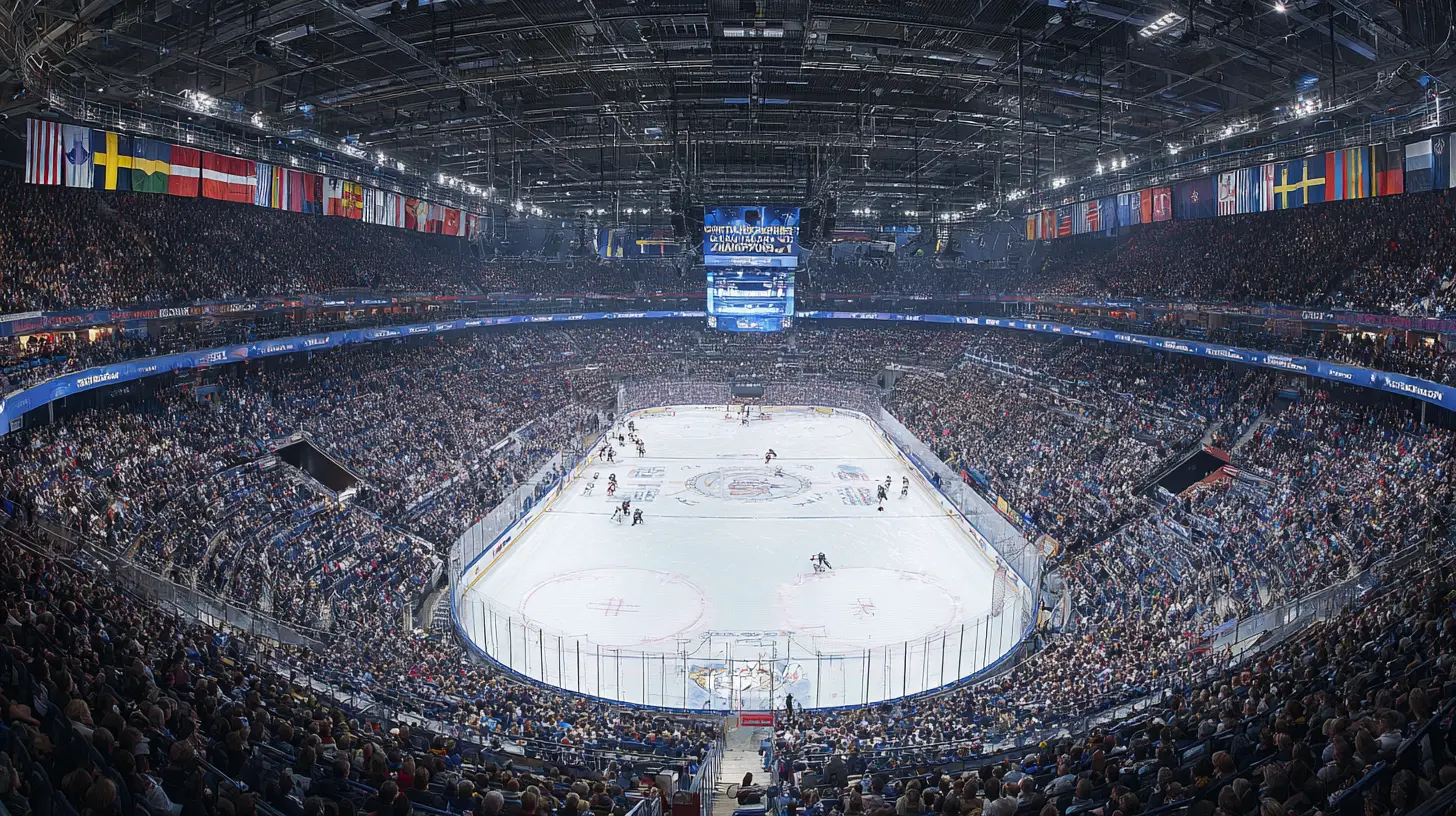
The Schedule: Key Dates to Watch
The tournament runs from May 7 to May 23, 2027. That’s two and a half weeks of nonstop action. Here’s a quick timeline to help you plan your viewing:- May 7-8: Opening games, including the host nation Germany vs. a yet-to-be-determined opponent. Expect fireworks.
- May 9-14: Group stage continues. This is where teams separate the wheat from the chaff.
- May 15-16: Rest days for some teams, but also the final group games. The pressure is real.
- May 18: Quarterfinals. This is where legends are made—or broken.
- May 20: Semifinals. Two games, one day. Pure drama.
- May 23: Bronze medal game at 3:00 PM CET, followed by the gold medal final at 8:00 PM CET.
Pro tip: Clear your schedule for the semifinals and final. You don’t want to be that person who missed a game-winning goal because you were folding laundry.
The Venues: More Than Just Ice
Let’s take a closer look at the arenas, because they’re not just places to play—they’re characters in the story. The PSD Bank Dome in Düsseldorf is a modern marvel, with state-of-the-art lighting and acoustics that make every goal sound like a thunderclap. It’s the kind of venue where you can feel the bass from the crowd’s chants in your chest. Meanwhile, the SAP Arena in Mannheim is a hockey cathedral, known for its intimate atmosphere. Even with 13,600 seats, it feels like the players are skating in your living room.What’s cool is that both cities are within a two-hour drive of each other, so fans can easily bounce between venues. Imagine catching a morning game in Düsseldorf, grabbing a bratwurst and a beer, then hopping a train to Mannheim for an evening showdown. That’s the kind of flexibility that makes this tournament special.
The Impact of NHL Players: Will They Show?
Ah, the million-dollar question. The Ice Hockey World Championships always face a tug-of-war with the NHL playoffs. In 2027, the NHL season is expected to end in mid-April, with the Stanley Cup Playoffs running through June. So, which NHL stars will be available? It depends on how deep their teams go. If a player’s team is eliminated early in the first round, they might join the national squad for a late-group or knockout game. But if their team is in the conference finals? Forget it.That said, the IIHF has been working to align the schedule better, and many top players prioritize representing their country. Expect to see a mix of NHL superstars and European league standouts. It’s like a fusion cuisine—you get the best of both worlds.
The Underdog Story: Germany’s Home Ice Advantage
Let’s talk about the host nation, because their story is one of the most compelling. Germany has been on the rise, and in 2027, they’ll have the full support of a nation that’s hungry for hockey glory. Players like Leon Draisaitl (if he’s available) and Moritz Seider are world-class talents. But the key is depth. Can Germany’s supporting cast step up? If they can, they might replicate their 2023 silver-medal run—or even go one better.Picture this: a packed SAP Arena, with fans waving flags and singing the national anthem at the top of their lungs. That’s the kind of pressure that can either lift a team to new heights or crush them. I’m betting on the former.
How to Watch: Your Viewing Guide
You’ll be able to catch the games on major sports networks like ESPN (in the U.S.), TSN (in Canada), and various European broadcasters. Streaming options will include services like IIHF’s own platform, YouTube TV, or DAZN, depending on your region. For a full list, keep an eye on the IIHF’s official website as the tournament approaches.If you’re planning to attend in person, tickets will likely go on sale in late 2026. Early bird packages are your best bet—snag them before scalpers do. And if you’re traveling to Germany, book accommodations early. Hotels in Düsseldorf and Mannheim fill up faster than a goalie’s glove hand on a breakaway.
The X-Factors: What Could Shake Things Up
Every tournament has its wild cards, and 2027 is no different. Here are a few factors that could flip the script:- Injuries: One bad hit on a star player can derail an entire team’s strategy.
- Goaltending Hot Streaks: A goalie who catches fire can carry a team to the final. Remember Dominik Hašek in 1998? Yeah, that.
- Refereeing: Controversial calls are part of the game. A missed penalty or a bad offside challenge can change the outcome.
- Crowd Energy: Home ice is real. Germany’s fans could be the 17th skater.
The Legacy of 2027: More Than a Trophy
Winning the gold medal is the ultimate prize, but the 2027 Ice Hockey World Championships are about more than just hardware. They’re about growing the sport, inspiring the next generation, and bringing people together. For Germany, it’s a chance to showcase their love for hockey and prove that the game belongs on the world stage. For fans, it’s a chance to witness history.So, whether you’re watching from a bar in Toronto, a living room in Helsinki, or the stands in Mannheim, remember this: hockey is a game of inches, seconds, and heart. And in 2027, every inch, every second, and every heartbeat will matter.
all images in this post were generated using AI tools
Category:
Upcoming TournamentsAuthor:

Onyx Frye
Discussion
rate this article
2 comments
Nym McMeekin
In the heart of winter, skates will dance; dreams collide on ice, where legends take their stance.
August 10, 2026 at 4:55 AM
Onyx Frye
What a beautiful way to capture the spirit of the game. The ice truly brings out the magic in winter.
Solara McMichael
Exciting times ahead! Can't wait to see our favorite teams shine in 2027!
April 28, 2026 at 1:02 PM
Onyx Frye
Absolutely! It's going to be an unforgettable event.