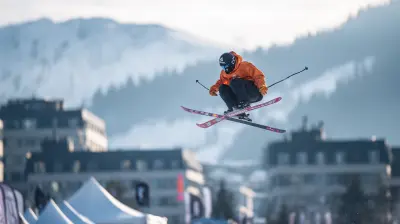
How the 2026 Olympic Qualifiers Are Shaping International Sport
27 September 2026
The road to Milan and Cortina d'Ampezzo does not begin with a torch relay. It begins in weight rooms in Osaka, on bobsled tracks in Sigulda, in ski resorts in the Andes, and in hockey arenas in Tampere. It begins with quiet, grinding qualifiers that most sports fans never watch, yet these events are quietly rewriting the rules of global athletic competition. The 2026 Olympic qualifying cycle, spanning winter sports from alpine skiing to skeleton, is not just a filter for who gets to compete. It is a structural force that reshapes national sports programs, athlete careers, and the geopolitical map of winter sport itself.
This article examines how the qualifying systems for the 2026 Winter Olympics are changing international sport in ways that will outlast the Games themselves. It covers the mechanics of qualification, the strategic responses of nations and athletes, the unintended consequences, and what sports leaders should consider before the next cycle begins.

The Architecture of 2026 Qualification
A Multi-Sport, Multi-Year Jigsaw
Winter Olympic qualification is not a single event. It is a patchwork of world cups, world championships, continental competitions, and ranking lists administered by individual international federations. Each sport sets its own rules, deadlines, and quotas. The International Ski and Snowboard Federation, the International Skating Union, the International Biathlon Union, and the International Ice Hockey Federation all operate separate pathways.For 2026, most qualification windows opened in 2024 and close in January 2026. That compressed timeline matters. Unlike summer sports, where qualification can stretch over two or three years, winter sports often rely on a single season's results. A skier who peaks in the wrong year can miss the Games entirely.
Why This Structure Exists
The federations design qualification this way for three reasons. First, winter sports have limited competitive windows because of snow and ice conditions. Second, they want to reward consistent performance across a season rather than a single lucky result. Third, they need to balance universality, giving smaller nations a chance, against excellence, ensuring the best athletes appear.The trade-off is real. A more open system produces feel-good stories but can dilute the level of competition. A stricter system protects quality but can shut out athletes from developing nations. The 2026 cycle leans toward the stricter side in sports like figure skating and alpine skiing, while hockey and curling maintain broader continental representation.
How Qualification Shapes National Sports Programs
The Funding Feedback Loop
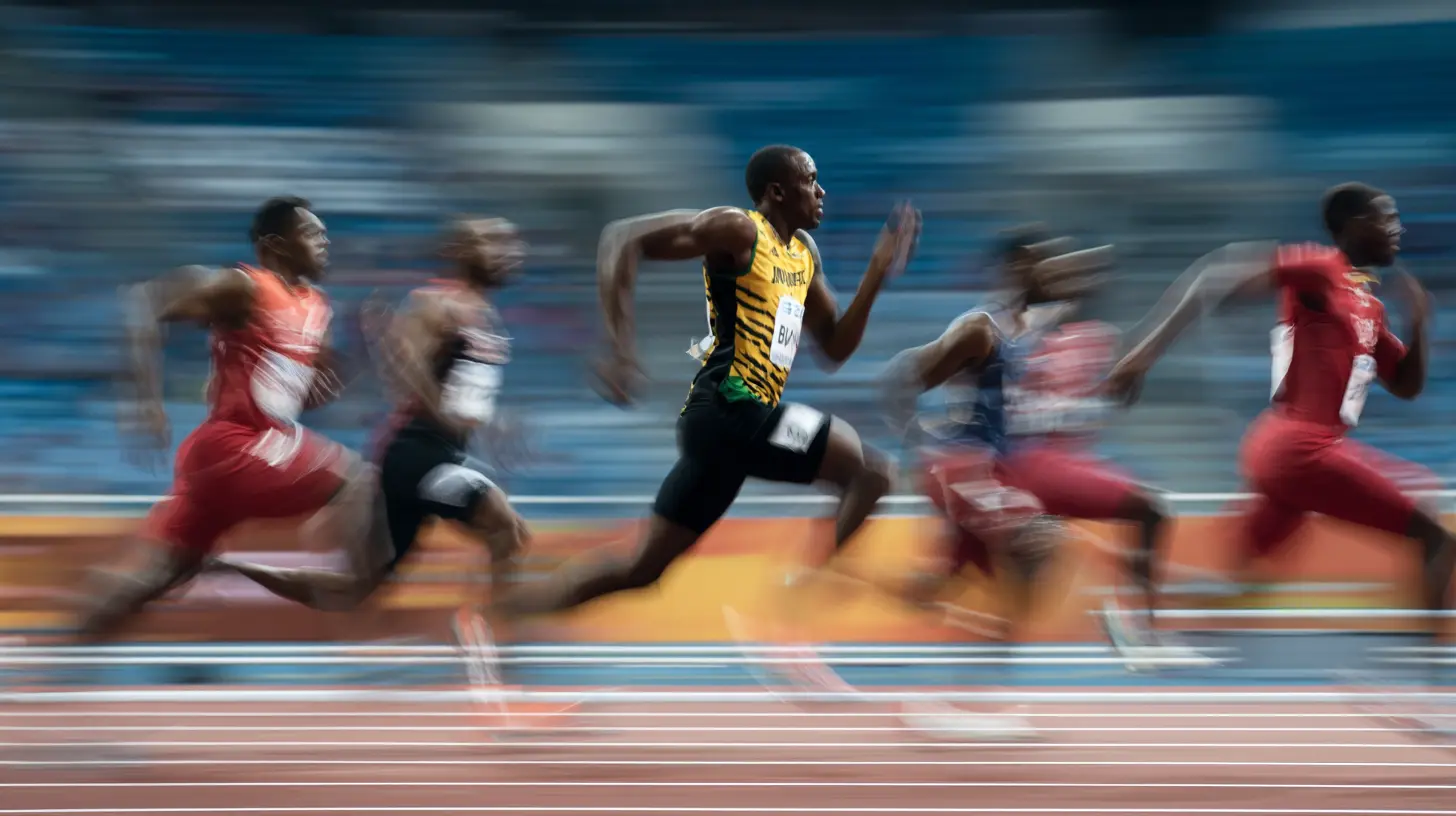
Qualification results directly influence money. In many countries, national Olympic committees and sports ministries tie funding to Olympic qualification and medal potential. When a nation secures multiple quota spots in a sport, that sport receives more coaching staff, sports science support, and training camps.Consider a mid-tier winter sports nation like Slovenia or Latvia. A single strong season in ski jumping or bobsleigh can unlock resources that transform the entire program. Conversely, a failed qualification cycle can trigger budget cuts that take years to recover from. The 2026 qualifiers are, right now, determining which programs grow and which wither.
Talent Migration and Naturalization
Qualification pressure also fuels athlete migration. Wealthy nations with weak winter sports traditions sometimes recruit foreign-born athletes who can qualify under residency or citizenship rules. This practice is legal but controversial. It raises questions about what national representation means.The 2026 cycle has seen continued movement in sports like luge, skeleton, and freestyle skiing. For athletes from smaller programs, switching allegiance can mean access to better coaching and equipment. For the receiving nation, it is a shortcut to quota spots. For the sport itself, the effect is mixed. It can raise competitive levels but also displace homegrown athletes.
The Rise of Specialized Qualification Chasers
Some athletes now build their entire careers around qualification math. They choose events, travel schedules, and even coaching based on how many ranking points they can harvest. This is rational, but it can distort development. A young athlete who chases points in lower-tier competitions may never develop the technical depth needed to win at the Olympics.The best programs resist this temptation. They use qualification as a byproduct of long-term development, not as the primary goal. Norway and Germany, for example, tend to prioritize world championship and World Cup performance, trusting that Olympic qualification will follow. That approach works when you have depth. It fails when you have one or two athletes carrying an entire sport.
The Athlete Experience: Pressure, Strategy, and Sacrifice
The Qualification Calendar as a Brutal Filter
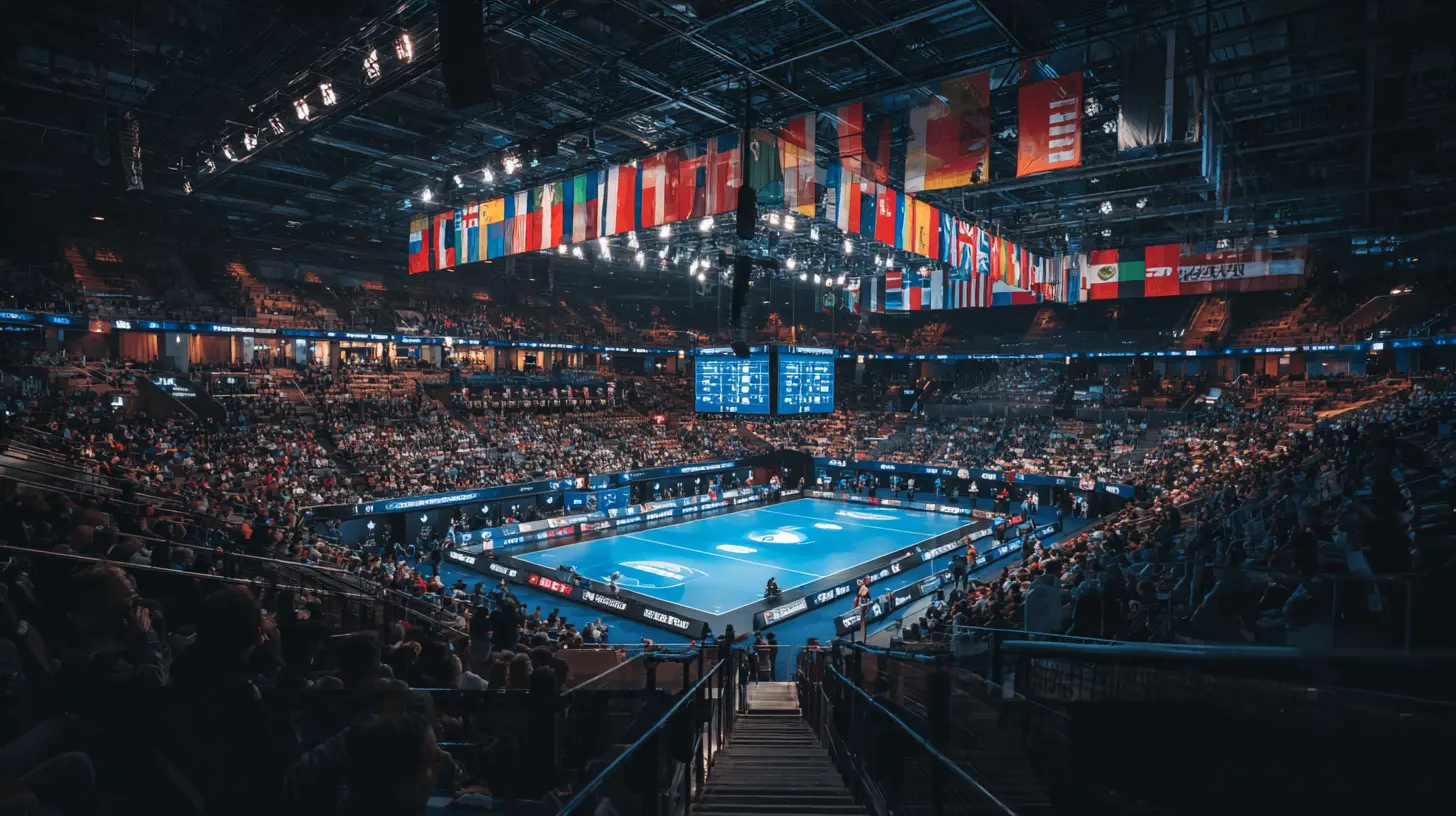
For an athlete, the 2026 qualification cycle is a logistical and physical gauntlet. A biathlete might race in Austria, Sweden, Italy, and the United States in a single winter, all while managing fatigue and illness. Missing a single key race can mean the difference between a quota spot and watching from home.This is why recovery science has become a qualification weapon. Teams that manage travel, sleep, and nutrition better tend to qualify more athletes. The margin is that thin. In sports like cross-country skiing, where the difference between tenth and thirtieth place is often seconds, cumulative fatigue is a silent killer.
The Mental Toll of a Two-Year Audition
Qualification is not a single moment. It is a two-year audition with no off-season. Athletes describe it as living with a constant background hum of anxiety. One bad race does not eliminate you, but it narrows your margin. Two bad races can end your cycle.Sports psychologists now work explicitly on qualification stress. Techniques include process focus, where athletes concentrate on execution rather than outcomes, and scenario planning, where they rehearse how to respond to a missed quota. These methods help, but they cannot remove the structural pressure. The system is designed to be selective, and selectivity creates stress.
When Qualification Harms Performance
There is a counterintuitive risk here. Athletes who peak too early in the qualification window can arrive at the Olympics flat. Those who chase points across too many events can arrive injured. The best coaches treat qualification as a means, not an end. They build in rest weeks, skip minor competitions, and prioritize health over ranking.This is a trade-off every athlete must weigh. Skipping a competition might cost you points. Competing while tired might cost you a season. There is no universal answer. It depends on your sport, your ranking position, and your body's response to load.

Geopolitical and Ethical Dimensions
The Neutral Athlete Question
The 2026 cycle continues to grapple with how to handle athletes from nations under international sanctions. The International Olympic Committee has allowed some athletes to compete as neutrals, without national flags or anthems. This policy is contested. Supporters argue it protects individual athletes who are not responsible for government actions. Critics argue it creates confusion and undermines the meaning of national representation.For qualification, the practical effect is administrative. Neutral athletes still need to meet the same performance standards, but their entries are processed separately. Federations have had to build new protocols for uniforms, media obligations, and medal ceremonies. These protocols are now part of the qualification infrastructure, and they will likely persist beyond 2026.
Climate Change and the Shrinking Winter
Perhaps the most profound force shaping 2026 qualification is climate change. Warmer winters mean fewer reliable venues for snow and ice events. Qualification races have been canceled or moved at short notice. Some lower-altitude resorts can no longer host World Cup events at all.This has two consequences. First, qualification becomes less predictable, because athletes lose chances to score points. Second, the geography of winter sport is shifting. Nations with high-altitude venues, like Switzerland, Austria, and the United States, gain an advantage. Nations with low-altitude venues, like parts of Scandinavia and Central Europe, must adapt or decline.
The 2026 cycle is not the first to face this, but it is the first where climate disruption is a routine planning factor rather than an exception. Sports leaders now build contingency venues and backup dates into the qualification calendar. That adds cost and complexity, and it favors wealthier federations.
What Works and What Does Not
Best Practices in Qualification Design
The most effective qualification systems share three traits. They reward consistency over a full season. They provide clear, published pathways so athletes and coaches can plan. And they include continental representation without diluting the field too far.Biathlon and cross-country skiing generally do this well. Their ranking systems are transparent, and their quotas balance global reach with competitive depth. Figure skating and alpine skiing lean more toward strict ranking, which protects quality but can feel unforgiving.
Common Mistakes Federations Make
One recurring mistake is changing qualification rules late in the cycle. This creates uncertainty and can unfairly disadvantage athletes who planned around the original rules. Another mistake is overcomplicating the ranking math. If athletes cannot easily calculate where they stand, trust erodes.A third mistake is neglecting smaller nations. When qualification becomes too narrow, the sport loses the chance to grow new markets. The 2026 cycle has made some progress here, particularly in freestyle skiing and snowboarding, but the tension remains.
What Athletes and Coaches Should Consider
If you are an athlete or coach preparing for a future cycle, start with the rulebook. Read the qualification document for your sport, not a summary. Identify the exact events that count, the deadlines, and the tie-breaking procedures. Then build a calendar that maximizes your strengths while protecting your health.Do not chase every point. Target the events where you historically perform well. Build in rest. Communicate with your federation about quota projections, because they often know things you do not. And prepare mentally for the possibility that a single race will decide your cycle. That is the reality of Olympic qualification.
The Long Shadow Beyond 2026
The 2026 qualifiers will end, the Games will be staged, and the cycle will reset. But the effects will linger. National programs that invested in qualification infrastructure, such as altitude training centers, sports science staff, and travel logistics, will keep those advantages. Nations that missed quotas will face hard questions about funding and strategy.More broadly, the 2026 cycle is accelerating a shift toward professionalized, data-driven qualification management. The days of showing up and hoping are over. Athletes and federations that treat qualification as a serious, year-round project will consistently outperform those that do not.
This is not necessarily good news for the romance of sport. There is something pure about an athlete who qualifies on raw talent and grit. But the modern Olympic landscape rewards preparation, and preparation is now a full-time job. The 2026 qualifiers are shaping not just who competes in Milan and Cortina, but how international sport itself is organized, funded, and imagined.
Conclusion
The 2026 Olympic qualifiers are a quiet engine driving major change. They determine funding, shape careers, test ethical policies, and expose the fragility of winter sport in a warming world. They reward consistency, punish luck, and force athletes and nations to make hard trade-offs between short-term quotas and long-term development.For fans, understanding qualification deepens appreciation for what athletes endure before the opening ceremony. For coaches and administrators, it is a strategic blueprint. For the sport itself, it is a mirror, reflecting what we value: excellence, fairness, universality, and spectacle. How well we balance those values in 2026 will shape international sport for years to come.
all images in this post were generated using AI tools
Category:
Upcoming TournamentsAuthor:

Onyx Frye