How One Underdog Story Won the Hearts of Millions in 2027
8 October 2026
Every few years, a sports story escapes the usual boundaries of box scores and standings. It starts on some forgotten field or half-empty arena, then spreads through group chats, highlight reels, and late-night talk shows until it becomes something bigger than the sport itself. In 2027, that story belonged to a team nobody had picked to matter: a small-market club that turned a season of low expectations into a cultural event. This article examines how that happened, why it resonated so widely, and what anyone involved in sports, marketing, or storytelling can take from it.
The Setup: A Team Built to Lose
To understand the phenomenon, you have to understand the starting point. On paper, the club entered the 2027 season with the kind of roster that invites polite indifference. A modest payroll. A first-year head coach with no top-tier experience. A stadium that had been half empty for years. Local media coverage focused on survival, not success. The consensus was that the team would finish near the bottom of its league and quietly fade into the offseason.That consensus was reasonable. In professional sports, payroll correlates with wins, but it does not guarantee them. Teams with money still miss the playoffs. Teams without money occasionally surprise everyone. The difference between a surprise and a genuine movement usually comes down to timing, narrative, and the way a group of players decides to respond to being counted out.
The Turning Point
No single moment created the phenomenon. It emerged from a series of small wins that compounded. A late-game comeback against a heavily favored opponent. A rookie goalkeeper who saved three penalties in a shootout. A post-match interview in which the coach, visibly exhausted, said something honest instead of rehearsed. Each event was minor on its own. Together, they built momentum.This is where many underdog stories fail. They produce one memorable upset, then fade. The 2027 team did something different: it kept showing up. It won ugly. It lost narrowly and bounced back. It refused to collapse when injuries piled up. That consistency, more than any single miracle, is what turned casual viewers into committed followers.

Why Underdog Stories Work
Human beings are wired to root for the person or group that should not win. Psychologists have offered various explanations, from a desire for fairness to the simple pleasure of seeing the expected order disrupted. Whatever the precise mechanism, the pattern is reliable. Underdog stories outperform favorite stories in emotional engagement almost every time.But not every underdog story becomes a mass phenomenon. The ones that do tend to share specific traits:
- A clear villain or obstacle. In 2027, the obstacle was not a single team but a system: money, media bias, and the assumption that small markets cannot compete.
- Visible struggle. Audiences connect with effort, not perfection. A team that wins every game is admirable but not relatable. A team that stumbles and recovers is.
- Authentic personalities. Fans can smell a manufactured narrative. The 2027 team had players who spoke plainly, made mistakes publicly, and showed genuine emotion.
- A sense of stakes. The story mattered because something real was on the line: playoff qualification, the future of the club, the pride of a city that had been overlooked.

The Role of Social Media
If the 2027 story had unfolded fifteen years earlier, it might have stayed regional. Social media changed the math. Short clips of key moments circulated instantly. Fan accounts compiled highlight threads. Players posted behind-the-scenes content that made them feel accessible. The narrative grew faster than traditional media could keep up with, and that speed became part of the appeal.There is a trade-off here. Social media amplifies stories quickly, but it also flattens nuance. A complex season gets reduced to a handful of viral moments. For the 2027 team, that was mostly beneficial. For others, it has been damaging. The lesson is not that social media is good or bad. It is that anyone hoping to build a following needs to understand how these platforms reward emotion, brevity, and repetition.
What Made This Story Different
Plenty of underdog teams have captured attention for a few weeks. Fewer sustain it for an entire season and beyond. Several factors set the 2027 story apart.The Coach's Approach
The head coach avoided the usual cliches. Instead of promising a championship, the coach talked about process, effort, and incremental improvement. This was not just good messaging. It reflected an actual philosophy. Players were given clear roles, honest feedback, and freedom to make mistakes without fear of public humiliation. That environment produced resilience, and resilience is what carried the team through the difficult stretches.The Fan Base
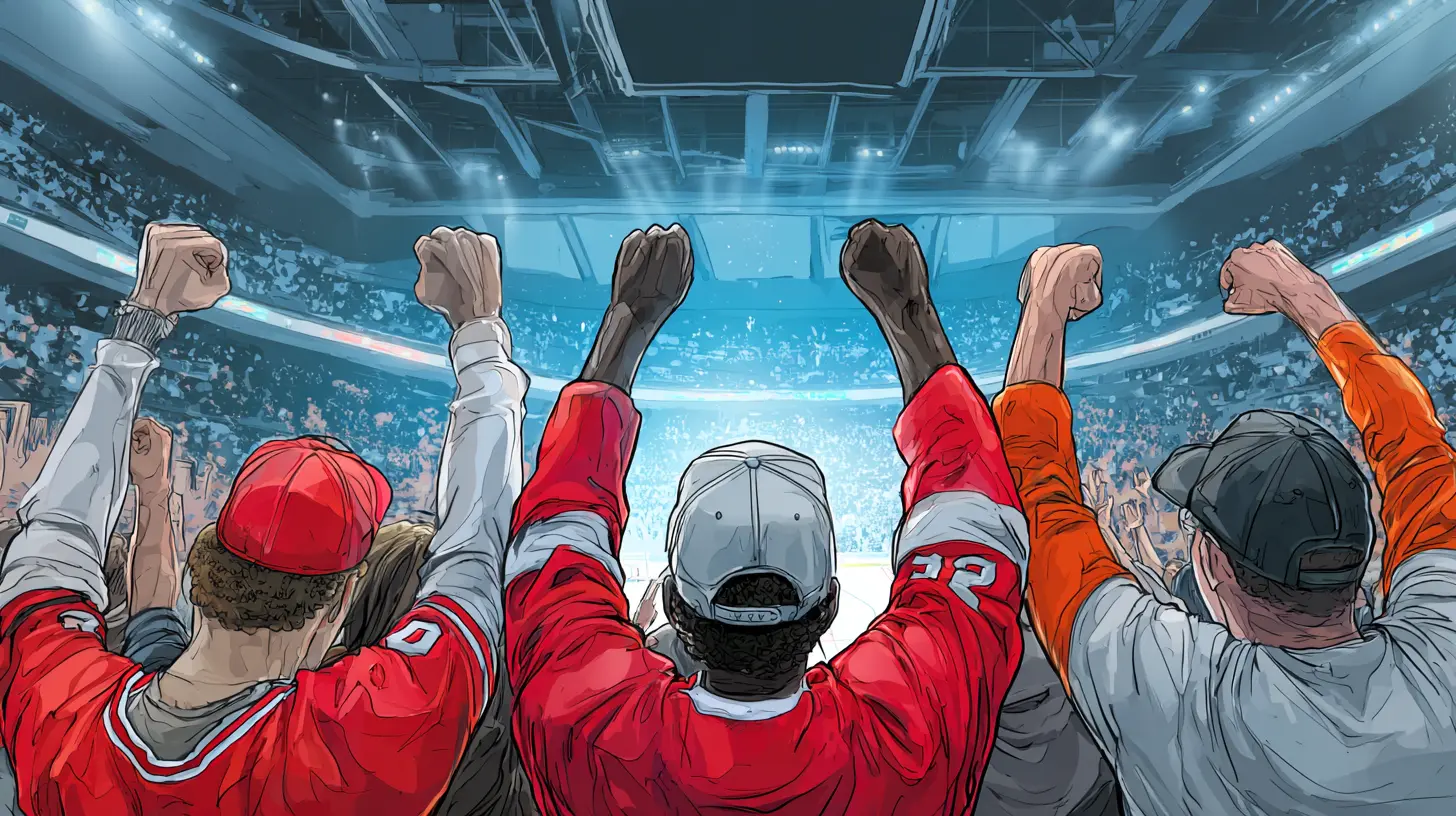
A team can only become a movement if its fans participate. The 2027 fan base did more than attend games. They organized watch parties in other cities. They created songs, banners, and inside jokes that spread online. They treated the team as a shared project rather than a product to consume. This kind of ownership is difficult to manufacture and almost impossible to fake.The Timing
The season unfolded against a broader cultural backdrop that made the story resonate more deeply. Economic uncertainty, political fatigue, and a general sense that institutions were failing to deliver for ordinary people created an appetite for narratives about overlooked groups succeeding against the odds. The team did not create that appetite. It filled it.
Common Mistakes in Underdog Narratives
Anyone trying to build or promote an underdog story should be aware of the traps.Overhyping Too Early
Momentum is fragile. If you declare a team a "movement" before it has earned that label, audiences will reject it. Let the story grow organically. Amplify what is real instead of inventing what is not.Ignoring the Villain
Underdog stories need tension. Without a clear obstacle, there is nothing to overcome. This does not mean manufacturing enemies. It means being honest about the structural disadvantages the team faces and the skepticism it encounters.Forgetting the Humans
Statistics matter, but they do not move people. The 2027 story worked because fans felt like they knew the players. Personal stories, quirks, and moments of vulnerability did more for engagement than any analytics breakdown.Assuming the Story Ends With the Season
A genuine movement does not stop when the final whistle blows. It continues through the offseason, through community involvement, through the next generation of fans. Teams that treat the story as a one-time marketing campaign lose most of the value.Practical Lessons for Teams, Brands, and Storytellers
If you are involved in sports, media, or marketing, the 2027 phenomenon offers a set of actionable principles.Build the Story on Real Events
Fabricated narratives collapse under scrutiny. Real ones endure. Invest in capturing authentic moments, not in scripting them.Empower Fans to Participate
Give supporters tools, not just content. Encourage them to create, remix, and share. The most durable communities are co-created.Be Consistent
A single viral moment is luck. A season of consistent effort is a story. Consistency signals seriousness and gives audiences a reason to keep paying attention.Prepare for the Aftermath
Success brings new pressures: higher expectations, more media scrutiny, and commercial opportunities that can distract from the core mission. Decide in advance how you will handle them.
Misconceptions About Underdog Success
Several myths surround stories like this one.Myth: Underdogs win because they want it more. Desire matters, but it is not enough. Underdogs win because they find tactical advantages, exploit weaknesses, and execute under pressure. Emotion is the fuel, not the engine.
Myth: The story is about the team. In reality, the story is about the audience. Fans see themselves in the struggle. The team is a vessel for a broader emotional experience.
Myth: Success can be replicated with a formula. The 2027 story emerged from specific people, specific circumstances, and specific timing. You can learn from it, but you cannot copy it. Attempting to do so usually produces something hollow.
The Trade-Offs of Sudden Attention
When a small team becomes a national story, the benefits are obvious: revenue, visibility, and a larger fan base. The costs are less discussed.- Loss of intimacy. Early fans often feel displaced when a community grows rapidly. Managing that transition requires care.
- Commercial pressure. Sponsors and media partners want access. Saying no is difficult but sometimes necessary to protect the culture.
- Expectation inflation. Once you have exceeded expectations, meeting them becomes the new baseline. The next season is judged against a standard that may not be sustainable.
- Player distraction. Attention can pull focus away from training, recovery, and team cohesion. Strong leadership is essential.
What Readers Should Consider
If you are studying this story for professional reasons, ask yourself a few questions before applying its lessons.1. What is the actual obstacle your team or brand faces? Be specific.
2. Who are the humans at the center of the story, and are you telling their stories honestly?
3. How will you sustain engagement after the initial spike fades?
4. What are you willing to sacrifice to protect the culture that made the story possible?
These questions do not have universal answers. They depend on your context, your resources, and your values. But asking them will save you from the most common errors.
Conclusion
The 2027 underdog story won hearts because it was true. It was built on real effort, real setbacks, and real people who refused to accept the role assigned to them. It spread because fans found something in it that spoke to their own lives. And it endured because the people involved treated it as a responsibility, not a marketing opportunity.That is the part most imitators miss. You cannot engineer a movement. You can only create the conditions for one, then respect it enough to let it grow on its own terms. The teams and brands that understand this will be the ones whose stories still matter long after the final whistle.
all images in this post were generated using AI tools
Category:
Fan ReactionsAuthor:

Onyx Frye