What Happens to Athletes Caught Doping?
6 December 2025
Doping in sports isn’t just a scandalous headline; it’s a serious offense that can ruin careers, tarnish reputations, and even affect entire teams or countries. But what actually happens when an athlete is caught doping? Chances are, you’ve heard of athletes getting banned or stripped of their titles, but the consequences go far beyond that. Let’s dive deep into the world of doping and find out exactly what happens after an athlete is caught cheating.
The Definition of Doping
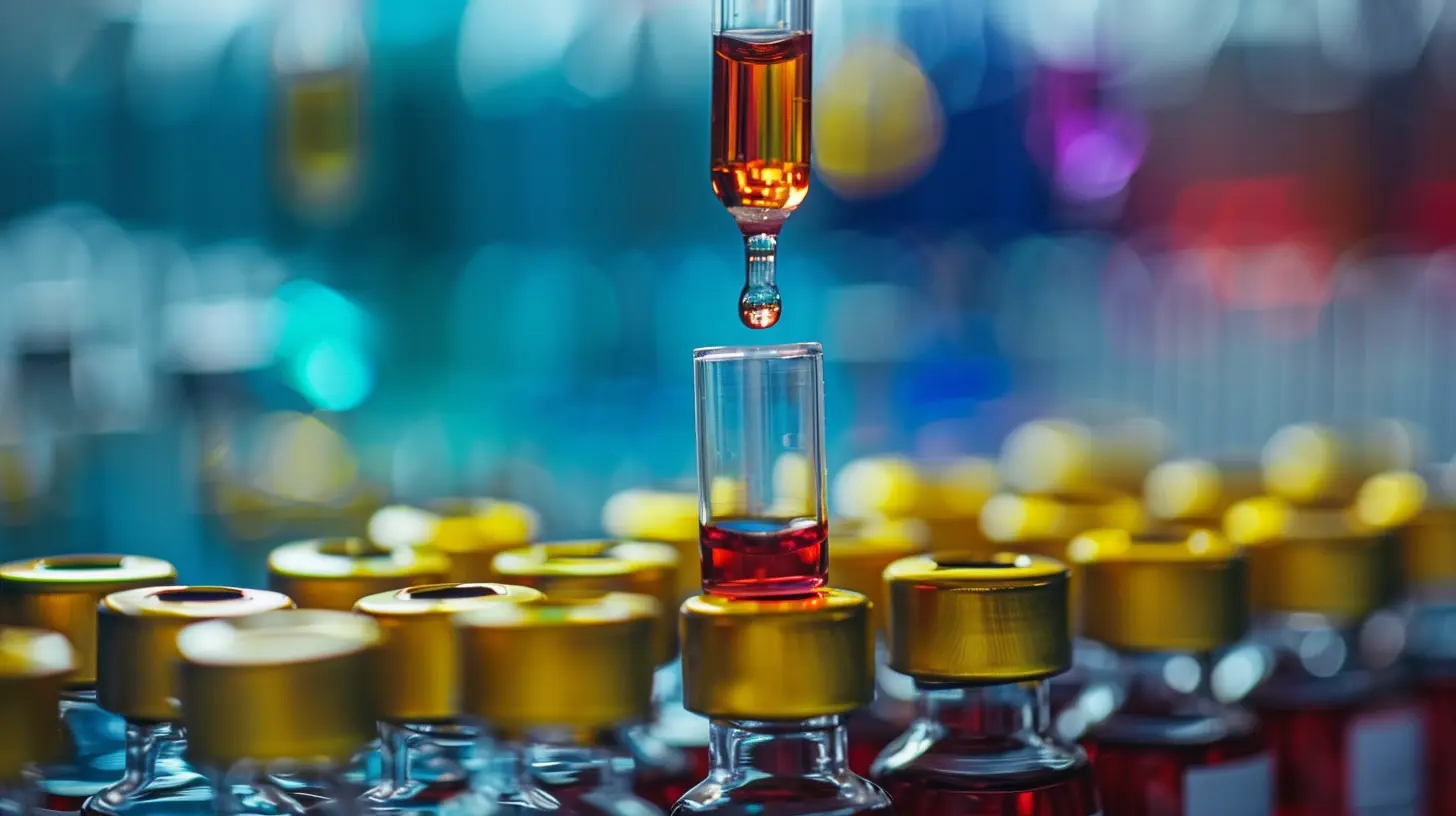
Before we jump into the consequences, we need to understand what doping actually means. Doping refers to the use of banned substances or methods by athletes to enhance their performance. These substances could range from anabolic steroids, stimulants, and growth hormones to blood doping, which involves boosting the number of red blood cells to improve endurance.It’s not just about popping a pill or taking an injection. Doping can also involve sophisticated techniques like gene doping or using substances that mask the presence of performance-enhancing drugs (PEDs). The World Anti-Doping Agency (WADA) is responsible for maintaining the list of banned substances and methods, and they’re constantly updating it to stay ahead of athletes looking for loopholes.

The Testing Process
Now you may be wondering, how do athletes even get caught? The answer lies in rigorous testing. There are in-competition tests, which happen during or right after events, and out-of-competition tests, which can happen at any time. Athletes are required to keep authorities informed of their whereabouts so they can be tested unexpectedly.Testing can include blood or urine samples, and these samples are analyzed to detect banned substances or unnatural levels of certain hormones. The testing process is extremely thorough, and it’s hard to hide anything—although, as history has shown, some athletes and their teams still try.

Immediate Consequences: The Bans
So, what happens after a positive test result? The first and most immediate consequence is a suspension or ban. The length of the ban can vary depending on the severity of the offense and whether it’s a first-time or repeat violation.- First-time offense: Typically, a first-time offense leads to a ban of two to four years. Some athletes have been banned for shorter periods, especially if they can prove the doping was accidental or due to contaminated supplements. However, ignorance is rarely an excuse that works.
- Repeat offenses: If an athlete is caught again, the ban can be much longer, sometimes even for life. Think of it as the “three strikes” rule in baseball, except in doping, it might only take two strikes to end a career for good.

Stripped Titles and Medals
If the athlete has won any titles or medals during the time they were using PEDs, those accolades are usually stripped. This is a public and often humiliating process. Imagine standing on the podium, gold medal around your neck, only to have it ripped away months or even years later. That’s exactly what happened to several high-profile Olympians, including Marion Jones, who famously lost five Olympic medals after admitting to doping.When titles are stripped, it’s not just about personal shame. It can affect entire teams. For instance, if a relay team member is caught doping, the whole team might be disqualified, even if the other members were clean.
Legal and Financial Repercussions
Doping doesn’t just stay on the sports field; it can have serious legal and financial consequences as well. Many athletes have endorsement deals, sponsorships, and contracts that include clauses about staying clean. When caught doping, these deals often vanish—poof, gone! And we’re talking about millions of dollars in some cases.Some athletes even face lawsuits or legal disputes. Sponsors may sue for breach of contract, and in some cases, athletes have been required to return prize money. It’s like hitting the reverse button on all the hard work and success they’ve achieved, except it happens in the blink of an eye.
Reputational Damage
Let’s not sugarcoat it: getting caught doping is a massive hit to an athlete’s reputation. Fans, coaches, teammates, and sponsors all feel betrayed. The public perception of an athlete can shift from “hero” to “villain” overnight. And in today’s world of social media, that fall from grace happens faster than ever.Once an athlete is labeled a cheater, it’s incredibly hard to shake off that reputation. Even years after serving a ban, the cloud of suspicion often lingers. Just ask Lance Armstrong. Despite his comeback efforts, his name is still synonymous with doping.
The Psychological Impact
It’s easy to focus on the external consequences, but the psychological toll can be just as devastating. Athletes dedicate their entire lives to their sport, and when they’re caught doping, it can lead to feelings of shame, guilt, and isolation. Many athletes report struggling with depression or anxiety after being caught, as they’re no longer able to compete or have been ostracized by their peers and fans.For some, the pressure to perform at the highest level in an intensely competitive environment is what leads them down the path of doping in the first place. When they’re caught, that pressure doesn’t disappear—it often intensifies.
Is There a Path to Redemption?
While some athletes face lifelong bans, others are allowed to return to competition after serving their suspension. But the question is, can they ever truly redeem themselves? It depends.Some athletes manage to make a comeback and regain the trust of their fans. Serena Williams, for example, was once involved in a controversy over a "whereabouts failure" (missing doping tests), but she has since maintained a clean record and remains one of the most beloved athletes in the world.
On the other hand, athletes like Ben Johnson and Armstrong have found it nearly impossible to repair their reputations. Even after Armstrong’s public confession and attempts to rehabilitate his image, many still see him as the face of doping in sports.
Redemption is possible, but it requires a lot more than just serving time. Athletes need to show remorse, take responsibility for their actions, and prove that they’ve changed. And even then, not everyone will be willing to forgive.
Why Do Athletes Do It?
This is the million-dollar question, isn’t it? Why would athletes risk everything—titles, money, reputation—just to get an edge? The answer isn't always black and white.For some, the pressure to succeed is overwhelming. They might feel like everyone around them is doping, so they have to do it just to keep up. Others might be chasing records, sponsorships, or simply the glory of standing on the podium.
In some cases, athletes claim they were unaware they were doping, blaming contaminated supplements or misguided advice from coaches and trainers. While that may be true in some instances, the onus is always on the athlete to know what’s going into their body.
The Role of Governing Bodies
The fight against doping doesn’t just rest on the shoulders of the athletes. Governing bodies like WADA, national anti-doping agencies (NADAs), and individual sports organizations play a crucial role in maintaining the integrity of sports. These bodies conduct tests, impose sanctions, and keep athletes educated on what substances are banned.There’s also a growing movement for more transparency and accountability. Some sports are pushing for harsher penalties, while others are focusing on rehabilitation and education. Either way, the goal is the same: to create a level playing field where athletes can compete fairly.
The Future of Doping
As technology advances, so do the methods used to detect doping. But at the same time, athletes and their teams are constantly looking for new ways to cheat the system. It’s a never-ending game of cat and mouse.Gene doping, for example, is an emerging concern. While it’s still in its early stages, the ability to manipulate an athlete’s genetic makeup to enhance performance poses a whole new set of challenges for anti-doping agencies. The future of doping might not even involve substances but rather cutting-edge biological modifications.
As the stakes get higher, the methods will likely get more sophisticated. But anti-doping agencies are also getting more advanced, with new testing techniques that can detect substances more accurately and earlier than ever before.
Conclusion
So, what happens to athletes caught doping? In short, their world comes crashing down. They face bans, stripped titles, legal battles, financial losses, and a reputation that may never recover. The consequences are severe and far-reaching, affecting not just the athlete but also their teams, sponsors, and fans.While some athletes manage to redeem themselves, others are left in the shadows of their past mistakes. And as long as there’s a desire to win at all costs, doping will remain a challenge for the world of sports. But with continued efforts from governing bodies and a commitment to fair play, we can hope for a future where athletes compete on skill, not on substances.
all images in this post were generated using AI tools
Category:
DopingAuthor:

Onyx Frye
Discussion
rate this article
2 comments
Icarus McKibben
Great article! It's important to shed light on the serious consequences athletes face when caught doping. Understanding these implications not only promotes fairness in sports but also encourages young athletes to prioritize integrity over shortcuts. Keep up the insightful work!
December 18, 2025 at 2:04 PM
Onyx Frye
Thank you for your thoughtful comment! I'm glad you found the article impactful. It's crucial to discuss these issues for the future of sports.
Seth Kirkland
Doping ruins careers and tarnishes legacies. Strict penalties, including suspensions and bans, highlight the ongoing battle against performance-enhancing drugs in sports.
December 6, 2025 at 7:46 PM
Onyx Frye
Thank you for your insightful comment! Indeed, doping not only undermines fair competition but also leaves a lasting impact on athletes' careers and reputations.