How Fans Took Over the Post-Game Conversations in 2027
7 November 2026
In 2027, the landscape of sports discussions underwent a significant transformation, with fans increasingly taking control of post-game conversations. This change was driven by several factors, including technological advancements, the rise of social media platforms, and the evolving nature of fan engagement. This article delves into the various ways fans became central to post-game discussions, the implications of this shift, and how it has reshaped the sports conversation landscape.

The Rise of Social Media as a Platform for Fans
Enhanced Communication Channels
Social media platforms like Twitter, Instagram, and TikTok played a crucial role in elevating fan voices. In 2027, these platforms became the primary channels for fans to express their thoughts, opinions, and emotions immediately following games. The immediacy of social media allows fans to share reactions in real-time, creating a dynamic conversation that traditional media outlets struggle to match.Hashtag Activism and Trends
Fans began using hashtags to unify discussions around specific games or events. For instance, a trending hashtag might emerge after a controversial call, allowing fans to share their perspectives and challenge narratives presented by broadcasters or analysts. This collective voice not only amplifies fan opinions but also pressures teams and leagues to respond to fan sentiments.Case Study: The 2027 Championship Game
During the 2027 Championship Game, a questionable referee decision led to widespread outcry. Fans took to social media using the hashtag #RefWatch2027. Discussions surged as fans shared clips, memes, and analyses, creating a rich tapestry of perspectives that traditional post-game shows could not replicate. This event underscored how social media enables fans to immediately influence narratives.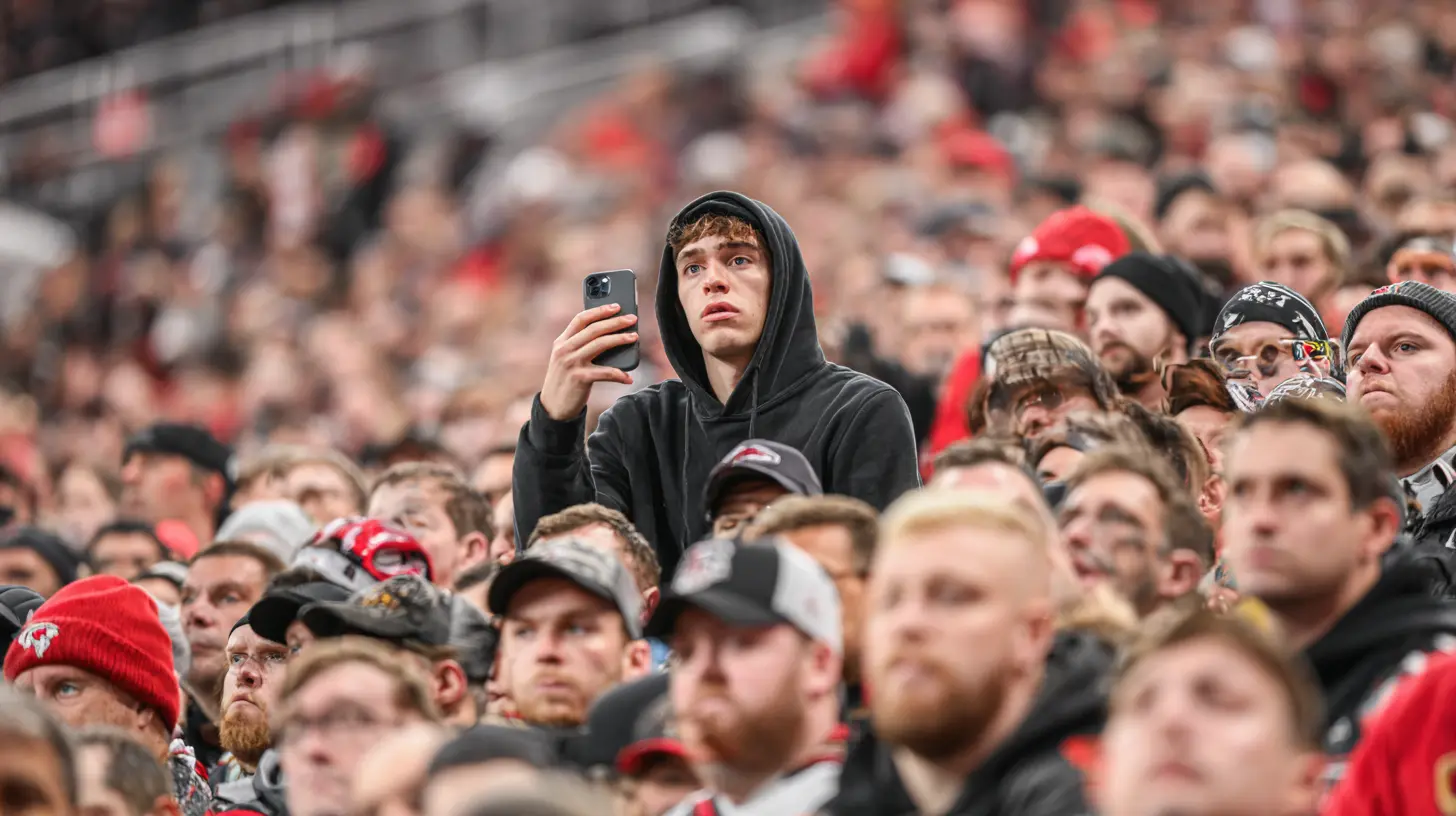
The Role of Influencers and Content Creators
A New Breed of Analysts
With the rise of fan-driven content, influencers and independent content creators emerged as key players in post-game discussions. These individuals often have a more relatable style than traditional sports analysts, making their insights resonate with fans. In 2027, platforms like YouTube and Twitch saw an influx of creators who not only discussed games but also engaged with fans through live streams and interactive formats.Building Communities
Content creators foster communities that allow fans to connect with one another. For example, a popular sports YouTuber might host a live post-game discussion where fans can join the conversation. This interaction encourages a sense of belonging, making fans feel like they are part of the narrative rather than just passive observers.Example: The Rise of Fan-Led Podcasts
Fan-led podcasts also gained traction in 2027. These shows often featured roundtable discussions where fans could express their views in a more structured format. For instance, a group of fans might analyze a game's key moments, discuss player performances, and even speculate on future matchups. This not only diversifies the conversation but also allows fans to engage in a deeper analysis that traditional media sometimes overlooks.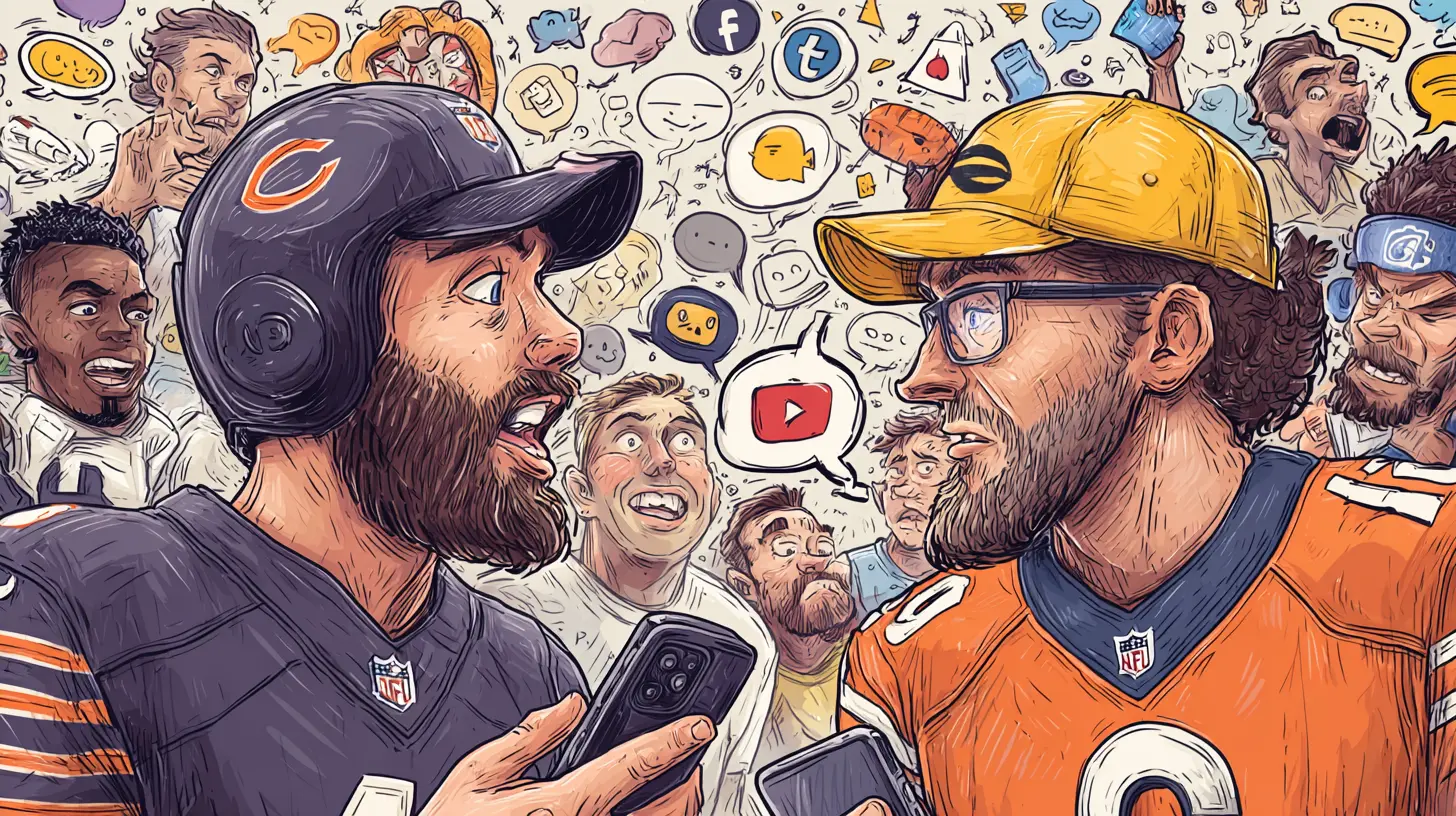
The Impact of Instant Feedback Loops
Real-Time Reactions
The ability to provide instant feedback has transformed how teams and players view fan interactions. In 2027, teams began monitoring social media to gauge fan reactions immediately after games. This real-time feedback loop allows organizations to adjust their strategies, marketing, and public relations efforts based on fan sentiment.Enhancing Player Engagement
Players also recognized the importance of engaging with fans directly. Many athletes started using platforms like Instagram to share their thoughts after games, fostering a more personal connection with fans. This practice not only humanizes players but also allows them to address fan concerns directly, creating a two-way dialogue that was previously missing.Trade-Offs of Instant Feedback
While instant feedback can be beneficial, it also poses challenges. Players may feel pressured to respond quickly, which can lead to emotional or hasty comments. teams must navigate the fine line between listening to fan feedback and maintaining their strategic vision. Striking the right balance is crucial for effective engagement.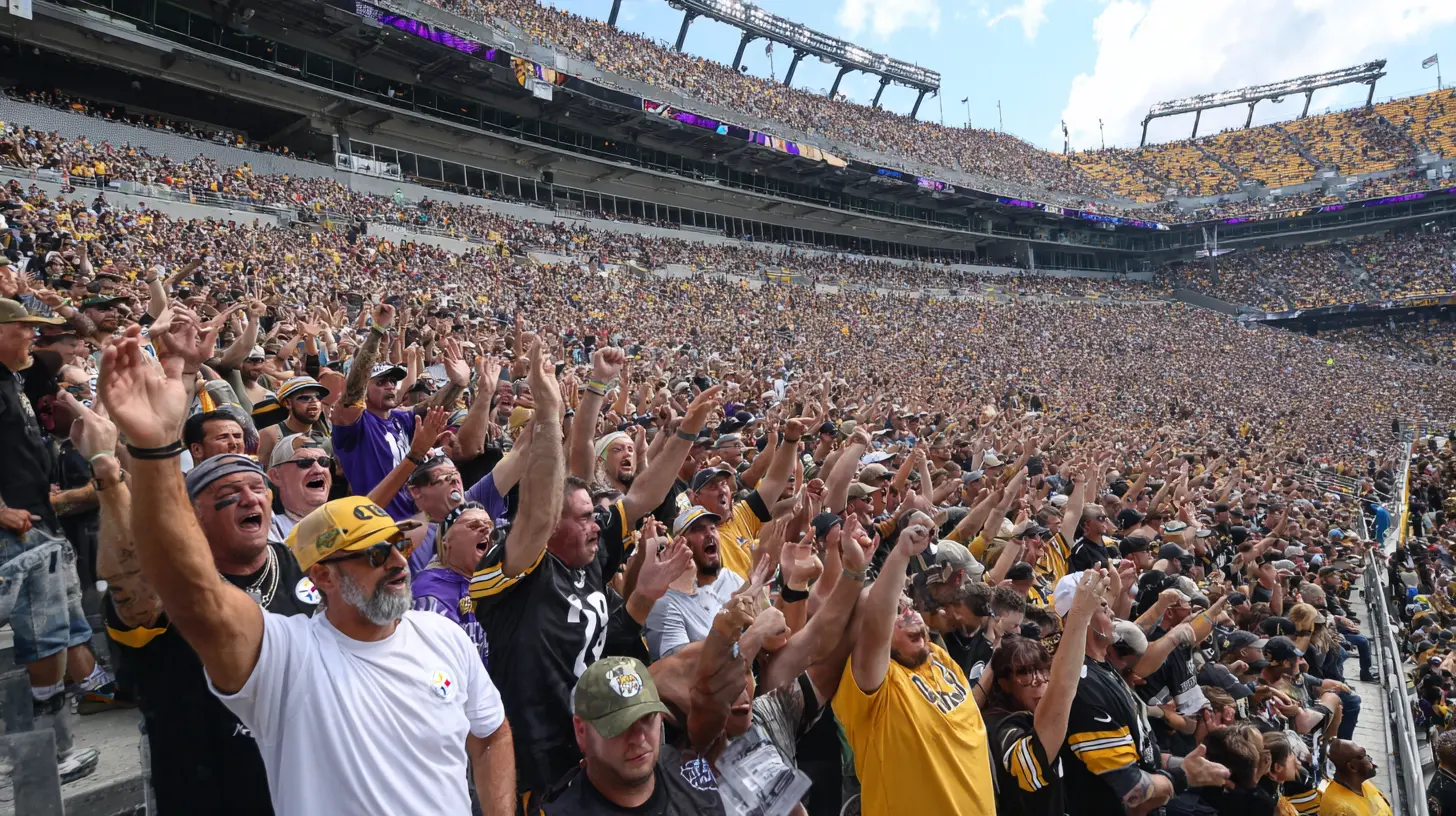
The Influence of Data Analytics
Fans as Data Consumers
In 2027, advanced data analytics became more accessible to fans, allowing them to engage in discussions based on statistics and metrics. Websites and apps that provide real-time data on player performances, game statistics, and even predictive analytics allowed fans to analyze games with unprecedented detail.Empowering Informed Conversations
With access to data, fans could back up their opinions with facts. This shift led to more informed post-game discussions, as fans no longer relied solely on traditional analysts. Instead, they could reference specific metrics to support their arguments, making conversations richer and more nuanced.Example: The Use of Advanced Metrics
For instance, after a game, fans discussing a star player's performance might reference advanced metrics like Player Efficiency Rating (PER) or Expected Goals (xG). These statistics not only provide context but also elevate the discussion from casual opinions to informed analysis, showcasing the depth of knowledge that fans can now bring to the table.The Challenge of Misinformation
The Spread of False Narratives
While fan-driven conversations have their merits, they also carry the risk of misinformation. In a fast-paced environment where opinions are shared instantly, false narratives can quickly gain traction. This is particularly concerning when discussing sensitive topics, such as player injuries or off-field controversies.Addressing Misinformation
To combat misinformation, fans must develop critical thinking skills and a discerning eye for reliable sources. Engaging with credible outlets and fact-checking claims before sharing information is essential. Teams and leagues can play a role by promoting transparency and providing accurate information directly to fans.Best Practices for Fans
Fans should consider these best practices to navigate the landscape of post-game discussions:1. Verify Sources: Before sharing information, check the credibility of the source.
2. Engage Constructively: Focus on respectful dialogue, even when opinions differ.
3. Use Statistics Wisely: Be cautious with data; ensure it comes from reputable sources.
The Evolution of Fan Engagement Strategies
Rethinking Fan Loyalty
In 2027, teams began reassessing what fan loyalty means. With fans now having a more significant role in discussions, organizations realized the need to engage with their supporters more authentically. This shift involved not just responding to feedback but actively involving fans in decision-making processes.Interactive Experiences
Teams created interactive experiences to enhance fan engagement. For instance, some franchises hosted virtual town halls where fans could voice their opinions on various issues, from ticket prices to promotional events. This approach fosters a sense of ownership among fans, making them feel valued and heard.The Trade-Offs of Engagement
While increased engagement is beneficial, it can also lead to challenges. Teams must grapple with balancing fan demands with business realities. Not every fan suggestion can be implemented, and organizations must navigate potential backlash when decisions do not align with fan expectations.The Future of Post-Game Conversations
The Ongoing Evolution
As we move beyond 2027, the trend of fans taking over post-game conversations will likely continue to evolve. Advances in technology, such as augmented reality and artificial intelligence, may further enhance fan engagement. Imagine a future where fans can interact with players and analysts in virtual spaces, making post-game discussions even more immersive.Preparing for Change
Teams and leagues must stay attuned to these changes and adapt their strategies accordingly. Embracing fan-driven conversations can lead to stronger community ties and enhanced loyalty. However, organizations must remain vigilant in addressing misinformation and maintaining a balance between fan engagement and operational effectiveness.
Conclusion
In 2027, fans took control of post-game conversations, significantly altering the dynamics of sports discussions. Through social media, influencer culture, instant feedback loops, and data analytics, fans have transformed their role from passive observers to active participants in the narrative. This shift presents both opportunities and challenges, and understanding these dynamics is crucial for teams, players, and fans alike.As we look to the future, the relationship between fans and sports organizations will continue to evolve, driven by technology and an insatiable desire for connection. The insights gathered from this era will inform how we engage with sports in the years to come, shaping not just the conversation but the very fabric of sports culture.
all images in this post were generated using AI tools
Category:
Fan ReactionsAuthor:

Onyx Frye
Discussion
rate this article
1 comments
Trevor Barker
In 2027, fans became the real MVPs of post-game chatter. Forget analysts; we now have Twitter experts dissecting plays like they're the next Picasso. Who knew a hot dog and a nacho could inspire such heated debates... Go figure!
November 7, 2026 at 5:12 AM


