The Role of Technology in Modern Olympic Training
23 December 2025
Let’s be real—when you think of the Olympics, you probably picture jaw-dropping sprints, record-breaking long jumps, or graceful dives that look like something out of a superhero movie. But here’s the behind-the-scenes secret: those gold medal moments aren’t just the result of pure talent or brutal training. Nope, modern Olympic glory is laced, stitched, and, frankly, powered by technology.
From smartwatches to AI-based coaching tools, Olympic athletes now rely on cutting-edge tech to train smarter, recover faster, and perform better. And if you’re wondering how much of a game-changer this gear actually is—spoiler alert—it’s massive.
Let’s dive into the high-tech world of Olympic training and see how it’s reshaping sports as we know it.

The Evolution of Olympic Training: From Raw Grit to Smart Data
Let’s rewind for a sec. Back in the early 1900s, Olympic athletes pretty much trained based on instinct, anecdotal tips, and straight-up muscle memory. Coaches used a stopwatch, shouted from benches, and gave vague advice like "push harder" or "keep your form tight." That was it.Fast forward to today—and Olympic training looks more like a laboratory experiment than just running laps or lifting weights till failure. Now, data analytics, biomechanics, video analysis, and even virtual reality (yes, you read that right) are all part of the daily grind.
Technology has turned training into a science. And it's not just about being faster or stronger anymore—it's about being more efficient, strategic, and precise.

Performance Tracking: Smart Wearables Changing the Game
Ever heard the phrase, “What gets measured, gets improved?” Well, that’s the whole philosophy behind wearable tech in sports.Smartwatches, Fitness Bands & Biometric Devices
Olympic athletes now use wearables that track heart rate, oxygen levels, sleep quality, hydration, and even mental focus. This isn’t just about counting steps—it’s about getting real-time feedback that helps athletes and coaches tweak everything from workout intensity to rest days.Imagine wearing a watch that says, “Your heart rate variability is low today. Maybe hold off on the high-intensity sprints.” That’s next-level awareness that was unheard of just a decade ago.
GPS and Motion Sensors
Say you’re a sprinter like Usain Bolt (ok, maybe not quite like him, but you get the idea). Motion sensors and GPS tools can track your stride frequency, acceleration, and even detect micro-imbalances as you run.This helps coaches break down every millisecond of performance and nip injuries in the bud before they become a season-ending mess.
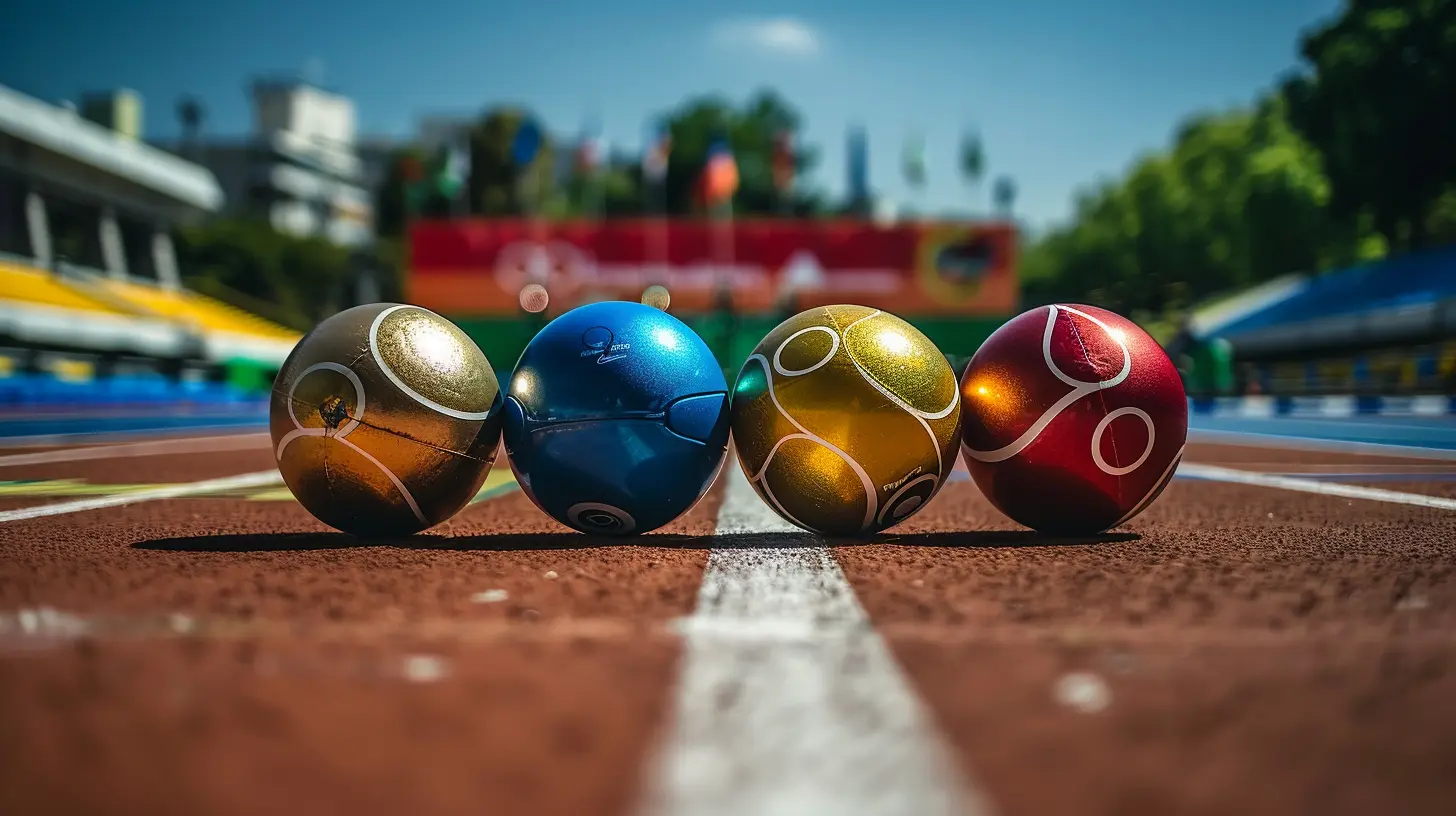
AI and Machine Learning: Coaches’ New Best Friends
One of the coolest (and kinda wild) parts of Olympic training today is how artificial intelligence is stepping in as an assistant coach.AI analyzes thousands of data points, identifies patterns, and even predicts outcomes. It crunches video footage, tracks how an athlete moves, and suggests minor adjustments with major impact.
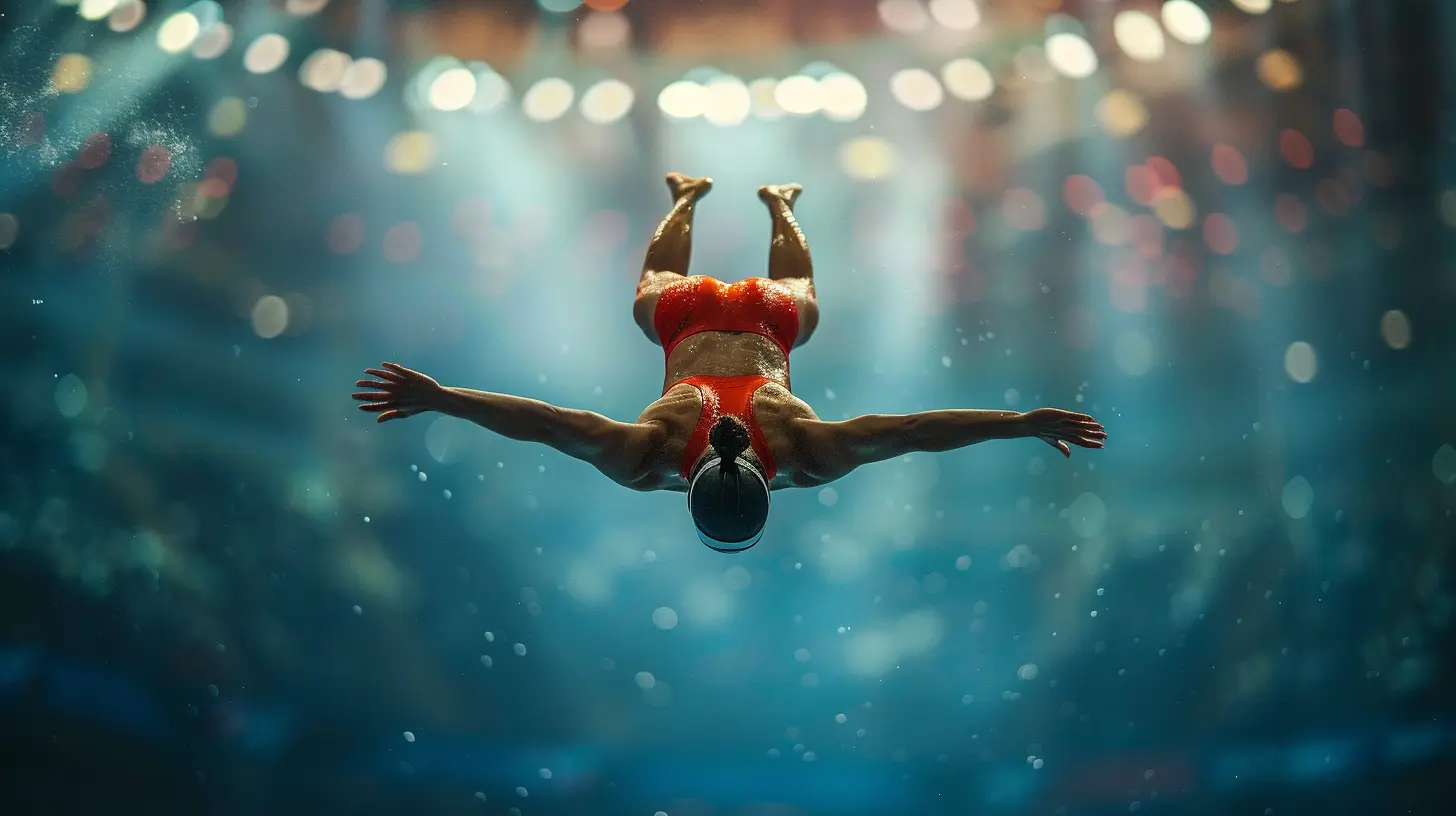
Take swimming, for example. AI can pinpoint flaws in a swimmer’s stroke efficiency that the human eye might miss. Fix that one detail, and boom—less drag, faster lap times.
The best part? All this happens in real-time. That means no more waiting until after practice for feedback—it’s like having a coach whispering in your ear as you perform.
Virtual Reality (VR) and Simulation: Training the Mind as Much as the Body
Here’s one that feels straight out of a sci-fi flick—VR training.Some Olympic teams are now using virtual reality to simulate game-time scenarios. Picture a snowboarder practicing dangerous tricks in a safe, virtual space before hitting the icy slopes. Or an archer zoning in on targets using VR headsets that mimic real-life conditions like wind speed and lighting.
Mental rehearsal is just as critical as physical reps, and VR helps bridge that gap like never before.
Plus, let’s be honest—training your brain in a headset is a lot cooler than staring at a wall in the gym.
Biomechanical Analysis: Turning Motion into Math
Biomechanics may sound like a boring college subject, but for Olympic athletes, it’s like unlocking the Matrix.Using motion-capture cameras and high-speed video analysis, trainers can break down how muscles, joints, and limbs work together during movement.
Got a weird swing in your tennis serve? Is your long jump takeoff angle slightly off? Biomechanics tells you exactly what’s wrong and how to correct it.
This kind of precision is what separates athletes who qualify for the Olympics from those who snag a medal.
Nutrition and Recovery Tech: Fueling the Beast
Let’s not forget—an athlete is only as good as their recovery. And yes, technology is also changing what goes down in the kitchen and the rest room (no, not that restroom—the other one).Smart Nutrition Planning
There are apps and devices now that track metabolism, suggest meal plans in real-time, and even monitor how certain foods affect performance. Everything from protein intake to electrolyte balance is being fine-tuned for peak output.Gone are the days of loading up on pasta and calling it a carb-load.
Cryotherapy, Compression & Infrared Therapy
Recovery is where things get crazy-cool. Imagine stepping into a chamber that freezes your body at -200°F to reduce inflammation. That’s cryotherapy, and it’s now part of many Olympic recovery routines.Or maybe you’ve seen athletes wearing tight sleeves or pants that pump air—those are compression garments that improve blood flow and speed up recovery.
And don't even get me started on infrared saunas that help with muscle repair at the cellular level. We’re not just resting anymore—we’re restoring with science.
High-Tech Equipment: The Unseen Edge
Believe it or not, even the gear athletes use—bikes, swimsuits, shoes—is now being optimized with high-tech upgrades.A few examples:
- Track bikes fitted with aerodynamic sensors
- Swimsuits designed with water-repellent nanotechnology
- Running shoes with shock-absorbing, energy-return soles crafted by 3D printers
Every gram, every texture, every shape is scrutinized to gain an edge. At this level of competition, a 1% performance boost could mean the difference between gold and going home empty-handed.
Injury Prevention and Rehab: Tech’s Protective Shield
Injuries can kill Olympic dreams. That’s why so much of Olympic training now revolves around preventing injuries before they happen, not just fixing them after.Predictive Injury Analytics
Using past data and motion tracking, some systems can actually predict when an athlete is likely to get injured. If your body is compensating for a tight hamstring, the system might flag it before it turns into a pulled muscle.This means athletes can adjust training intensity, stretch more, or get extra therapy ahead of time.
Robotic Therapy & Exoskeletons
Okay, now we’re deep into sci-fi territory. Some rehab centers are now using robotics and wearable exoskeletons to help athletes recover faster from serious injuries. These machines support natural movement, rebuild muscle memory, and reduce downtime.It’s like Iron Man meets physical therapy.
Fan and Media Engagement: A New Side of Tech
This one’s more of a bonus, but still worth mentioning. With social media, fitness apps, and live-tracking platforms, Olympic training is now shared with fans in real time.This transparency isn’t just fun—it also ramps up pressure and accountability. When the world is watching you train, you’re less likely to slack off. It’s kinda like having millions of people as your gym buddies.
The Flip Side: Is There Such a Thing as “Too Much Tech”?
Alright, time for some real talk. As cool as all this technology is, there’s a small catch—it’s easy to become too reliant on gadgets and data.The human element—intuition, grit, mindset—still plays a huge role. And even the best tech in the world can’t teach resilience, passion, or the ability to perform under insane pressure.
So while technology is revolutionizing Olympic training, it’s still just one part of the puzzle. Athletes still have to grind, sweat, and sometimes fail before they triumph.
Wrapping It Up: A Golden Future Ahead
So what’s the takeaway here? Technology is no longer a luxury in Olympic training—it’s a necessity.From wearables and AI to VR, biomechanics, and smart recovery, the modern Olympian is practically a cyborg. A super-fit, laser-focused, data-optimized cyborg.
But let’s not forget the heart of it all—the human spirit. Tech may sharpen the sword, but it’s the warrior who wields it.
The future of Olympic training? It’s faster, smarter, and more high-tech than ever before. And honestly, we're just scratching the surface.
### So, next time you’re watching the games, remember: behind every flawless performance is a whole world of science, sensors, and seriously cool gadgets.
all images in this post were generated using AI tools
Category:
OlympicsAuthor:

Onyx Frye
Discussion
rate this article
2 comments
Avery Gibson
Great insights on technology's impact! It's fascinating to see how innovations enhance athletes' performance and training methods in the Olympics.
January 17, 2026 at 4:21 AM
Onyx Frye
Thank you! I'm glad you found the insights engaging. Technology truly is transforming athletic performance in remarkable ways!
Maxine Rogers
Technology has transformed training methods, enhancing athletes' performance while raising questions about fairness and accessibility in sports.
December 24, 2025 at 1:02 PM
Onyx Frye
Absolutely, while technology has revolutionized athlete training and performance, it also prompts crucial discussions about equity and access in sports. Balancing innovation with fairness is essential for the integrity of competition.