Why the Infield Fly Rule Still Matters in Modern Baseball
3 November 2026
The infield fly rule might be the most argued-about sentence in the rulebook. Fans boo it. Players shrug at it. Broadcasters explain it wrong roughly half the time. And yet, more than a century after it was written into the rules, it remains one of the smartest pieces of protective legislation in all of sports. It is not a relic. It is not a technicality. It is the difference between a fair game and a hustle play that rewards deception over skill.
This article breaks down why the rule exists, how umpires actually apply it, where players and coaches go wrong, and why modern trends in baseball, from extreme shifts to launch-angle swings to replay review, have made the rule more relevant, not less. If you coach, play, watch, or argue about baseball, this is the working knowledge you need.
What the Infield Fly Rule Actually Says
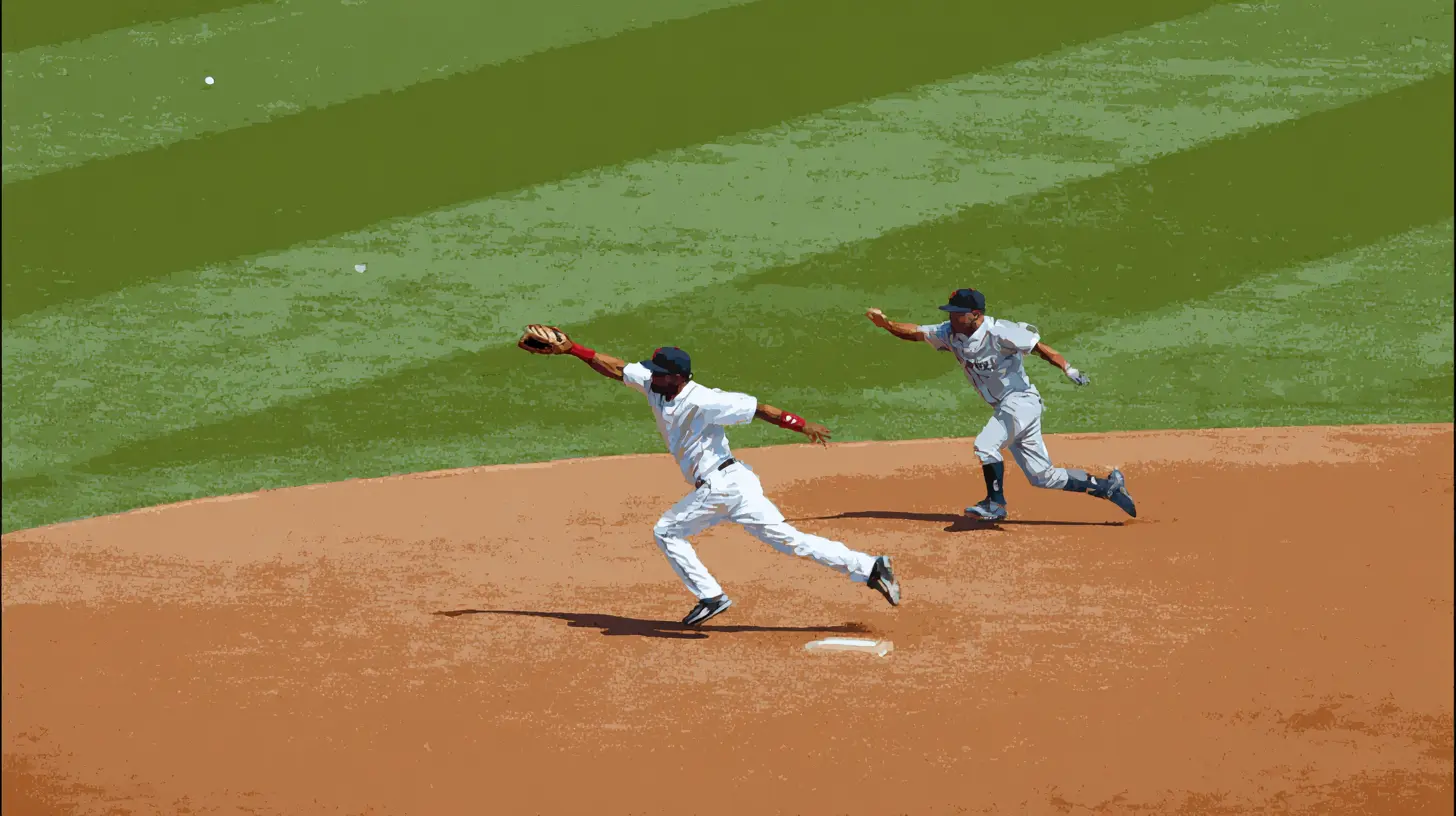
Start with the text, because most debates about the rule are really debates about people not knowing the text.The rule applies when there are fewer than two outs and runners on first and second, or bases loaded. The batter hits a fair fly ball, not a line drive or a bunt, that an infielder can catch with ordinary effort. The umpire then immediately declares the batter out. From that moment, the batter is out whether the ball is caught or dropped.
That last part is the whole point. The batter is out on declaration. The ball stays live. Runners may advance at their own risk. If the ball is caught, they must tag up as usual. If it is dropped, they are not forced to advance, and they cannot be doubled off for failing to run. The defense can still make plays on them, but it has to earn those outs with a throw and a tag, not by catching a pop-up and stepping on a base.
A few details that trip people up:
- The rule covers fair balls only. A pop-up in foul territory is not an infield fly, even if an infielder could camp under it.
- "Ordinary effort" is the umpire's judgment, not a measurement. A big league shortstop going back on a blooper is not necessarily making ordinary effort. A little leaguer drifting under the same ball might be.
- The declaration must come while the ball is in the air, before it touches the ground or a fielder. Umpires are taught to call it early and loud for exactly this reason.
- The rule does not require the ball to be caught. It requires the umpire to judge that it could be caught with ordinary effort.
That is the entire mechanism. Simple on paper. Weird in practice.
The Reason the Rule Exists: Stopping the Double Play That Isn't
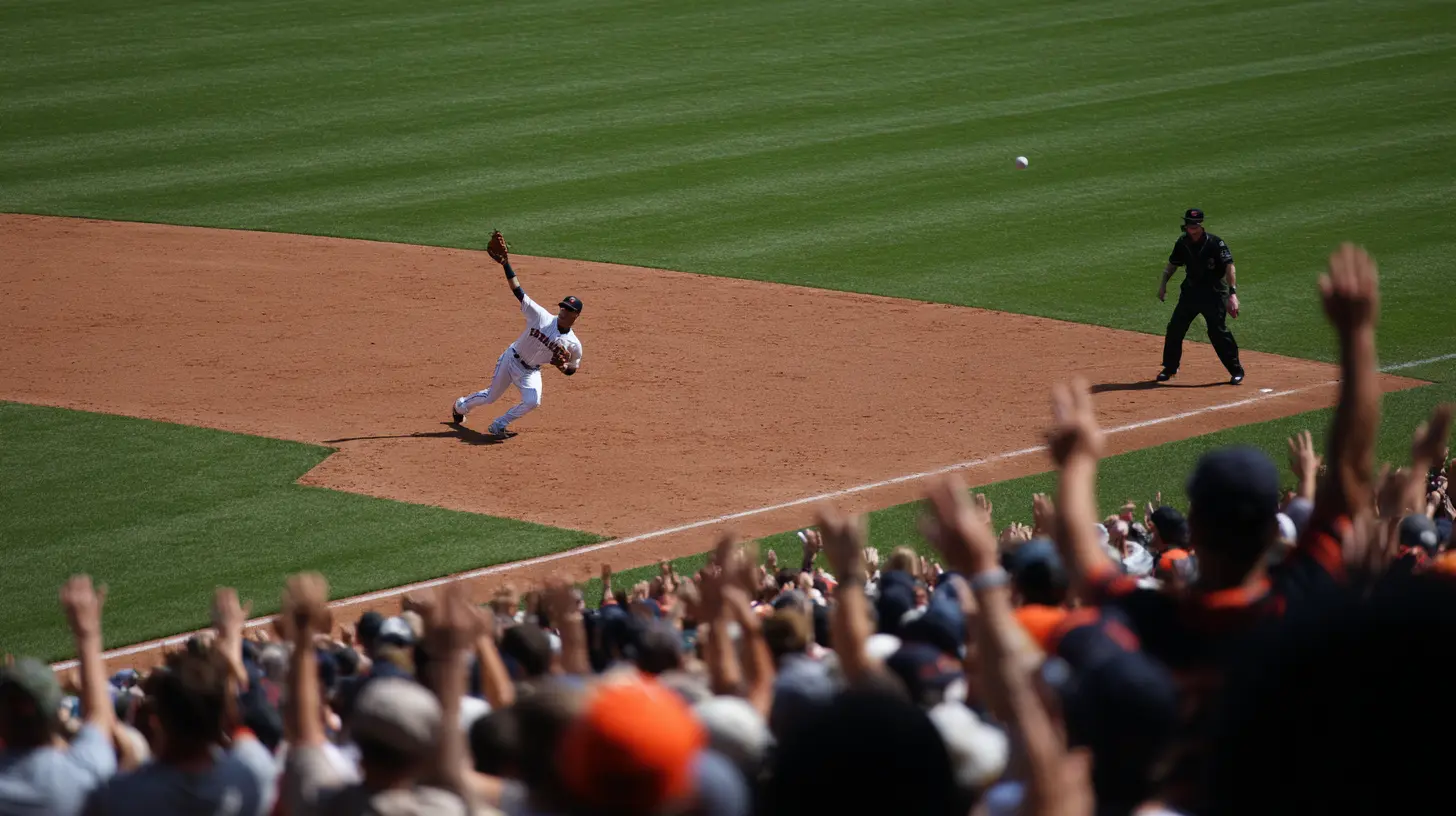
Imagine baseball without the rule. Bases loaded, one out. The batter lifts a routine pop-up to the second baseman. The runners have to hold because the ball might be caught. The second baseman, instead of catching it, lets it fall. Now he has a live ball, runners frozen near their bases, and all the time in the world to start a double play. He flips to short, short to first, inning over, and the offense has been punished for hitting a ball that was catchable by a defender standing still.That is not a baseball play. That is a loophole. The defense did nothing skillful. It simply exploited the fact that runners cannot read a fielder's mind. The batter hit a routine fly ball. The rules rewarded the defense for dropping it. That is the exact scenario the rule was designed to kill.
The rule's logic rests on a simple principle: a fielder should not be able to turn a routine catch into a double play by intentionally failing to catch it. The infield fly rule removes the incentive to drop the ball by making the batter out regardless. The defense loses nothing it was entitled to (the batter's out) and gains nothing it was not (a free double play). Fairness is restored with one sentence.
Think of it like a rule in another sport that prevents a team from benefiting from its own deliberate failure. The infield fly rule is baseball's version of "you cannot profit from not doing your job." It is elegant, and it has held up for over a hundred years because the underlying incentive problem never goes away.
Why It Still Matters: The Incentive Never Disappears
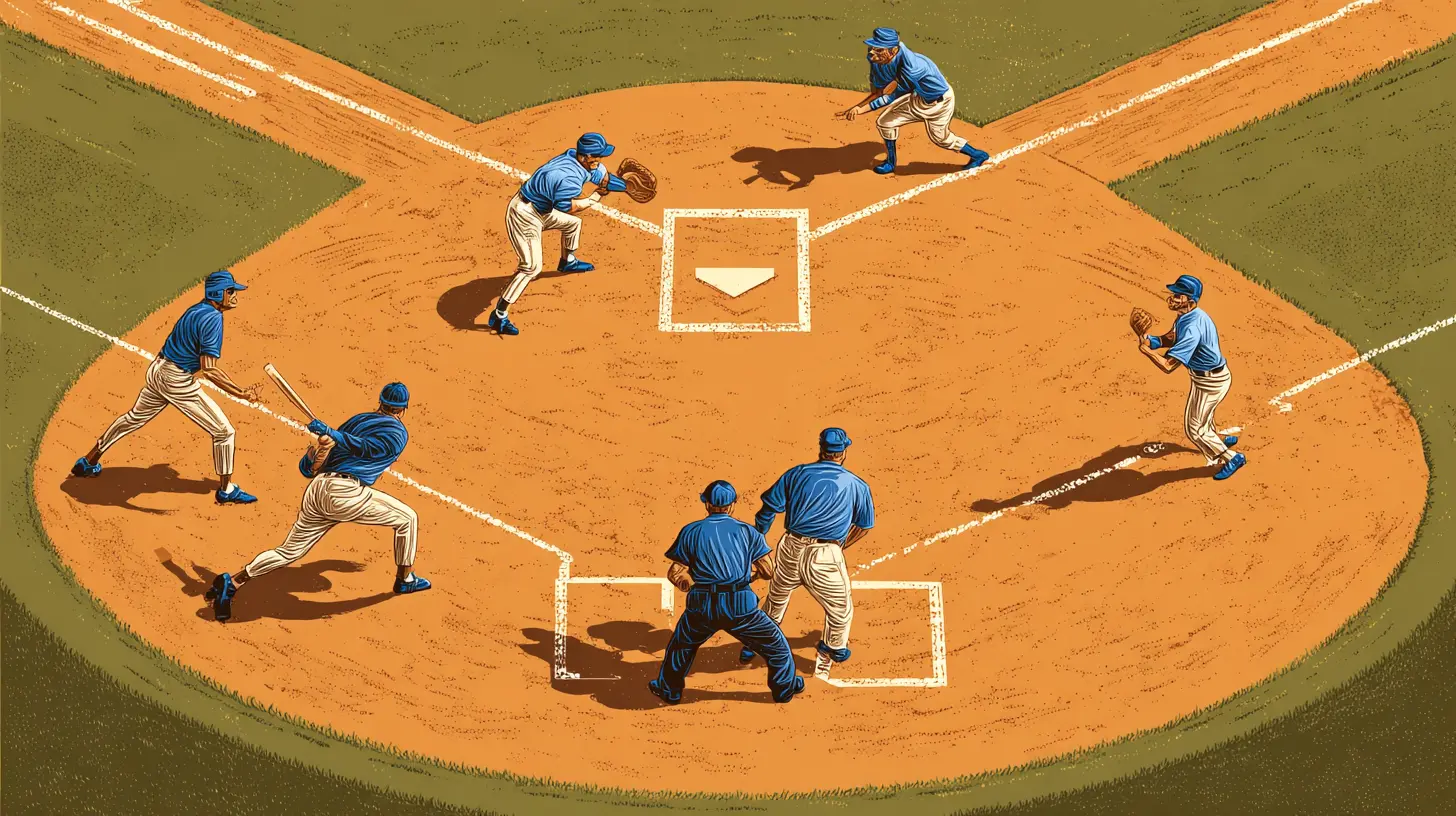
Here is the part people miss when they call the rule outdated. The rule is not about the frequency of the situation. It is about the incentive it removes. The scenario is rare, maybe a handful of times per season per team, but the incentive to exploit it would be present every single time it came up if the rule did not exist.Rarity is not the same as irrelevance. A fire extinguisher is rarely used. You still keep one in the kitchen. The infield fly rule is the fire extinguisher for a specific, predictable exploit. Remove it and defenses would start practicing the drop on purpose. Coaches are paid to find edges. Give them a legal way to turn a pop-up into two outs and they will take it, and the game becomes uglier and less fair in a hurry.
There is also a subtler reason the rule matters now: modern defenses are better at turning that kind of chaos into outs than they were in the 1890s. Infielders are more athletic, transfers are faster, and the double play is a science. If anything, the rule is more necessary today, because a dropped pop-up with runners frozen is a more dangerous weapon in 2024 than it was in 1900. The rule keeps pace with the athletes.
The Rule in the Age of the Shift and the Launch Angle
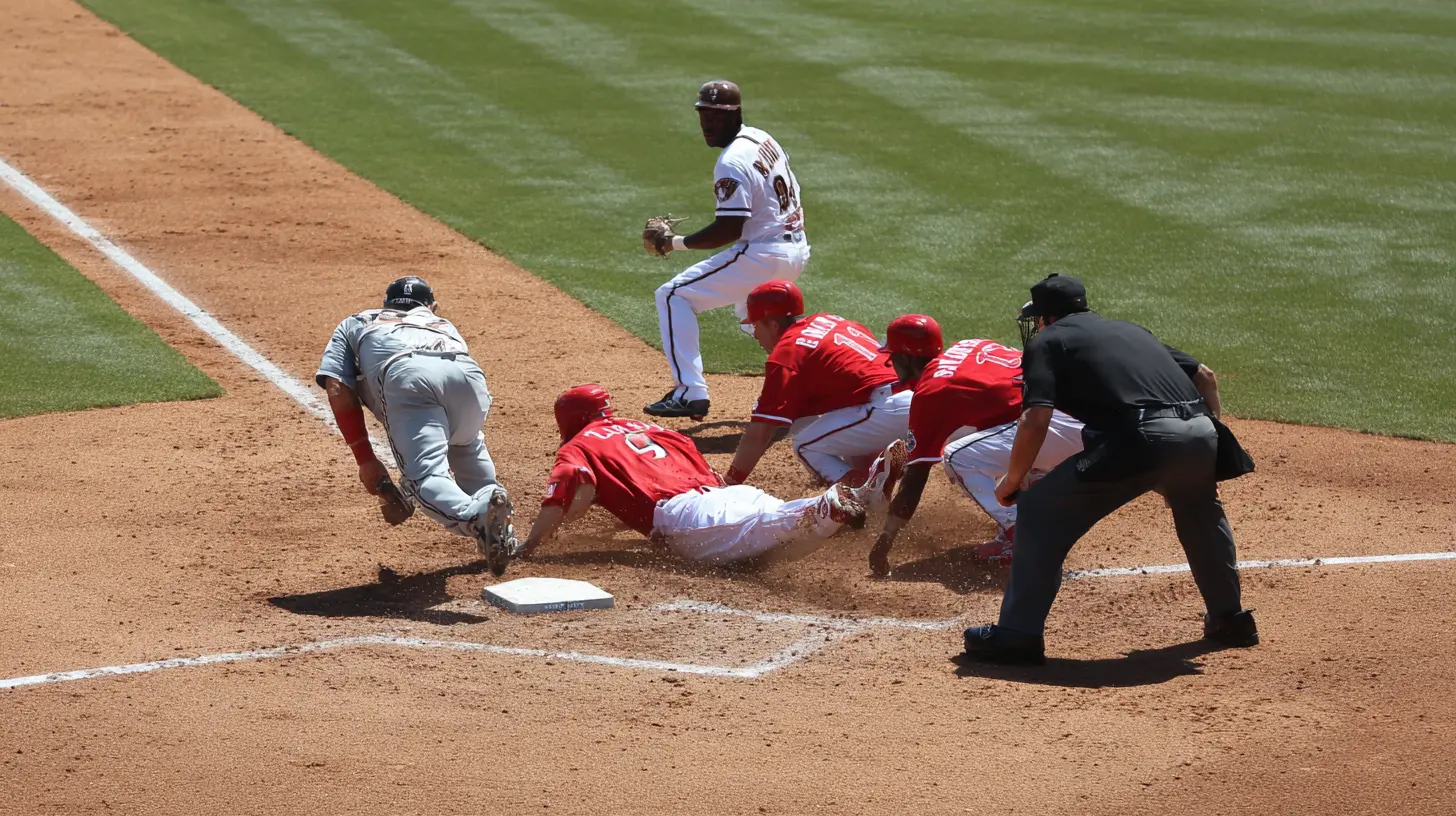
Two modern trends have changed how the rule plays out in practice, and both are worth understanding.First, the shift. When teams move infielders around, the "infield" in "infield fly" gets fuzzy. The rule does not care where the fielder is standing. It cares whether the ball can be caught with ordinary effort by an infielder. A shifted second baseman playing in shallow right field can still be the fielder who triggers the rule on a pop-up in that area, depending on the umpire's judgment. This is one of the most misunderstood applications of the rule, and it is a frequent source of arguments. The lesson for players: do not assume the rule only applies to balls hit near the dirt. Read the umpire's call, not the dirt.
Second, the launch-angle era. More batters are swinging for the fences and more pop-ups are the result. That means more infield fly situations, not fewer. The rule is not a museum piece. It is a live, frequently invoked piece of game management, and umpires are calling it more often than casual fans realize. The next time you see a routine pop-up with runners on first and second, watch the umpire's arm go up. That is the rule working in real time.
What Umpires Are Actually Judging
"Ordinary effort" is the phrase that causes the most confusion, so let us be precise about what it means in practice.Ordinary effort is not a measurement of difficulty. It is a judgment about whether a fielder of ordinary skill at that position, in that situation, could make the catch without doing anything extraordinary. Umpires weigh several factors:
- How far the fielder has to run.
- Whether the fielder is going back, in, or sideways.
- The height and hang time of the ball.
- Weather and wind, especially on a windy day.
- The level of play. A routine catch in the majors is not a routine catch in a youth league.
This is why the rule is called differently at different levels, and why umpires are trained to call it early. The declaration must happen while the ball is in the air. If an umpire waits until the ball hits the ground, the call is late and the situation gets messy. Good umpires make the call loud, make it early, and make it clear. If you are coaching, teach your players to listen for the call rather than guess.
A common misconception: the rule requires the ball to be catchable. It does not. It requires the umpire to judge that it could be caught with ordinary effort. A ball that is dropped after a long run might still have been an infield fly if the umpire judged ordinary effort. The catch is not the trigger. The judgment is.
What Runners Should Do When the Call Comes
Here is where practical advice matters, because the rule creates a strange set of incentives for baserunners, and most players handle it badly.When the umpire calls infield fly, the batter is out. The runners are no longer forced. That means they can advance at their own risk, but they are not required to run. The instinct for many runners is to freeze, and freezing is usually right on a ball that will be caught. But on a ball that might be dropped, freezing is a trap. If the fielder drops it, the runners are standing still, and the defense can pick them off.
The correct approach depends on the read. If the ball is clearly going to be caught, tag up and prepare to advance. If the ball is borderline, get off the base far enough to score on a drop but close enough to get back on a catch. That is a feel play, and it is why coaches spend time on it in spring training. The rule does not excuse runners from reading the play. It just removes the force.
A second practical point: runners should not assume the rule protects them from all bad outcomes. The ball is live. The defense can still throw behind a runner who wanders too far. The rule removes the double play off the drop. It does not remove the tag play. Teach players the difference.
Common Mistakes and Misconceptions
A few errors show up again and again, at every level of the game.Mistake one: thinking the rule applies with one runner on base. It does not. You need runners on first and second, or bases loaded. A runner on first alone does not trigger it. A runner on second alone does not trigger it. This is the single most common rules error among casual fans.
Mistake two: thinking the rule applies to line drives or bunts. It does not. The rule is for fly balls. A line drive that an infielder catches is just a catch. A bunt popped up is not an infield fly.
Mistake three: thinking the batter is out only if the ball is caught. The batter is out on the declaration, caught or not. This is the part that makes the rule work, and the part fans forget.
Mistake four: thinking the rule is a penalty on the defense. It is not. The defense still gets the out it was entitled to. The rule simply prevents it from getting a second out for free.
Mistake five: arguing the call after the fact. The infield fly is a judgment call, and judgment calls are generally not reviewable in the same way as safe/out calls on the bases. Umpires are taught to make the call early and live with it. Coaches who argue it at length are usually wasting their breath. Know the rule, teach the rule, and move on.
Coaching the Rule: What to Drill and When
If you coach, the infield fly rule is worth a dedicated practice segment, because it creates decision points that young players handle poorly.Drill one: the call recognition drill. Hit pop-ups with runners on first and second and have players verbalize "infield fly" the moment the umpire calls it. The goal is to make the call automatic, so players react to the umpire rather than to the ball.
Drill two: the freeze-and-read drill. Put runners on first and second, hit a borderline pop-up, and have runners practice getting off the base far enough to score on a drop but close enough to return on a catch. This is a feel drill, and it pays off in real games.
Drill three: the defense drill. Teach infielders that the rule does not give them a free double play, but it does give them a live ball. The best defensive play on an infield fly that is dropped is often a quick throw to the nearest base, not a panic throw to first. Practice the throw.
One trade-off to consider: over-coaching the rule can make players passive. The rule is a safety net, not a strategy. The goal is to make players aware of it without making them tentative. Emphasize that the rule protects them, but the read is still theirs to make.
The Rule in Youth, High School, and College Ball
The rule exists at every level, but the application varies, and that variation matters for coaches and parents.At the youth level, umpires are often less experienced, and the "ordinary effort" judgment is harder to make. A pop-up that a big leaguer catches without moving might be a circus catch for a twelve-year-old. Umpires at that level are taught to be conservative and call the rule only when the catch is genuinely routine. Coaches should teach players to listen for the call rather than assume it.
At the high school and college levels, the rule is applied more consistently, and the shift and the launch angle have made it a more frequent part of the game. Umpires at those levels are trained on the rule specifically, and the call is usually loud and early. Players who understand the rule have a real edge, because they know when they are protected and when they are not.
The lesson across levels is the same: the rule is a judgment call, and judgment calls reward players who read the situation rather than guess at it.
Why the Rule Still Matters
Step back and look at the big picture. Baseball is a game of incentives. Every rule in the book exists because someone, at some point, found a way to exploit the absence of that rule. The infield fly rule is one of the clearest examples. It was written to close a loophole, and the loophole has never gone away. The athletes have gotten better, the defenses have gotten smarter, and the incentive to drop a pop-up on purpose is still there every time the situation arises.That is why the rule still matters. It is not about how often it is called. It is about what the game would look like if it were not there. A game where a routine pop-up could become a double play through deliberate failure is a worse game. The infield fly rule keeps baseball honest, and honest games are more fun to watch, coach, and play.
So the next time you see an umpire throw an arm up on a routine pop-up, do not boo. That is the rule doing its job. It is one of the quiet, unglamorous, essential pieces of machinery that makes the sport work. And it will still matter long after the shift is banned, the pitch clock is old news, and the next generation of fans is arguing about something else entirely.
all images in this post were generated using AI tools
Category:
Game Rules ExplainedAuthor:

Onyx Frye