Why the 2027 World Swimming Championships Matter More Than Ever
6 September 2026
Every four years, the swimming world holds its breath for the Olympic Games. That is where legends are forged and records are shattered in front of a global audience. But between those bright Olympic moments sits a quieter, often underestimated event: the World Aquatics Championships. The 2027 edition, scheduled for Budapest, Hungary, is not just another stop on the calendar. It is shaping up to be a pivotal moment that could redefine how we evaluate the sport, how athletes plan their careers, and how the broader public perceives swimming. Here is why this specific championship matters more than any world championship in recent memory.
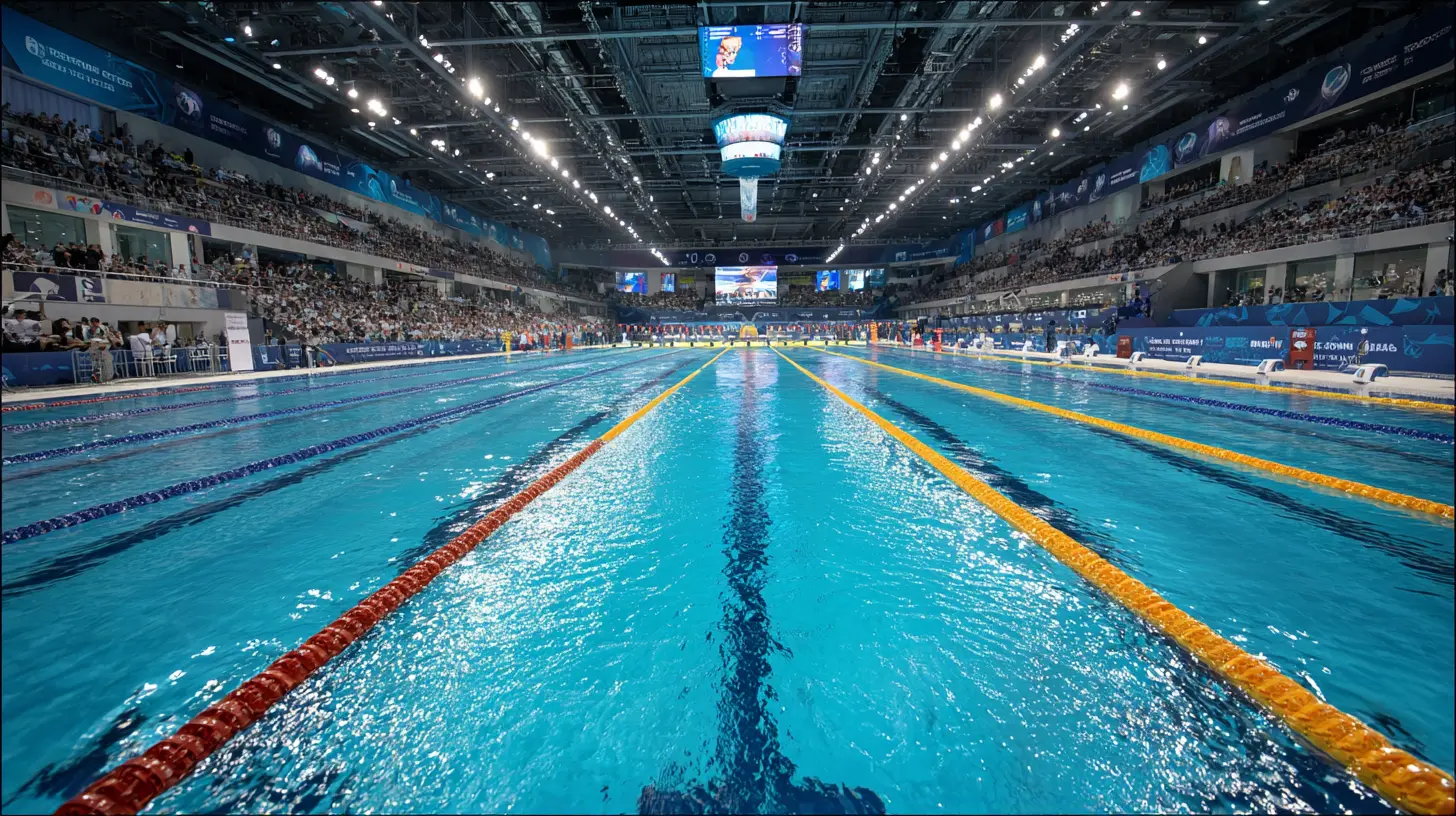
The Calendar Shift and the New Olympic Cycle
The most obvious reason 2027 stands out is its position in the Olympic cycle. The Paris 2024 Games are behind us, and Los Angeles 2028 is on the horizon. Historically, the world championships in the odd year before the Olympics (like 2023 for Paris) serve as the primary qualifying ground and the first major form check. But 2027 is different because of a structural change that many fans still underestimate: the shift to a three-year cycle for the Olympics, which was a one-time adjustment due to the COVID-19 pandemic.That disruption had a ripple effect. The 2024 Olympics happened only three years after Tokyo 2020. Now, we are back to a standard four-year gap. But the world championships have not fully recalibrated. We had World Championships in 2022, 2023, 2024, and 2025. That glut of major meets diluted the significance of each event. By 2027, the calendar will have settled, and this will be the first true standalone world championship in a standard four-year cycle since 2019. That means athletes cannot treat it as an afterthought or a stepping stone. It is the sole major international meet in a two-year span where the Olympic picture is still murky.
For coaches and performance analysts, 2027 is the first real data point for the LA 2028 cycle. The 2025 championships were too close to Paris, with many top swimmers resting or tapering for the Games just months prior. By 2027, every swimmer will have had a full season of training under a new regime, new training partners, and potentially new event specializations. The results from Budapest will set the narrative for who is on the rise and who is declining. It is the earliest moment where you can draw a reliable trajectory toward the Olympic podium.
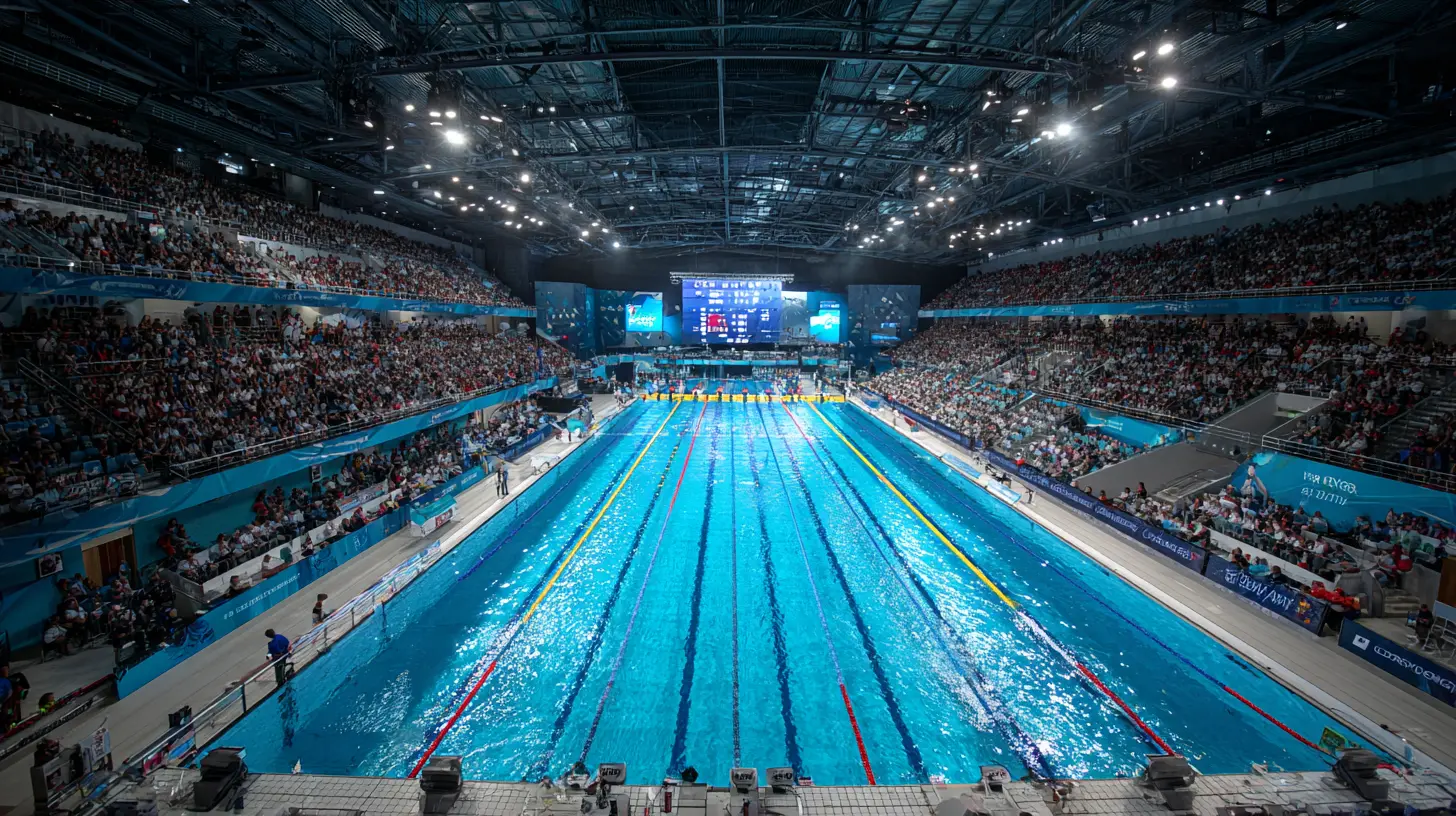
The Post-Record Plateau and the Search for Meaning
The last decade has been a golden era for world records. We saw the super-suit era in 2008 and 2009, followed by a long drought, and then a sudden explosion of short course records and even some long course marks falling in the 2020s. But here is a hard truth: the low-hanging fruit is gone. The technical refinements in starts, turns, and underwater dolphin kicks have been maximized. The training volumes are already brutal. The marginal gains are now measured in hundredths of a second, not tenths.This creates a psychological problem for the sport. If records do not fall, what is the measure of greatness? The 2027 World Championships will be the first major meet where the absence of record-breaking is not an anomaly but the expected norm. That forces a shift in how we talk about performance. We will see more focus on head-to-head battles, on strategic race execution, and on consistency across multiple rounds. The question becomes not "who can go fastest" but "who can handle the pressure of being the favorite when the clock does not cooperate."
This matters because it changes how athletes prepare. In the past, a swimmer might aim for a personal best time as the primary goal. In 2027, the goal must be winning, regardless of the clock. That is a fundamentally different psychological approach. It rewards racers over time-trialists. It rewards tactical intelligence over raw power. For the viewer, this can be more compelling, but only if the media and the athletes themselves adjust their narrative. If everyone keeps obsessing over world records that will not come, the meet will feel like a failure. If we embrace the competition, it could be the most exciting meet in years.
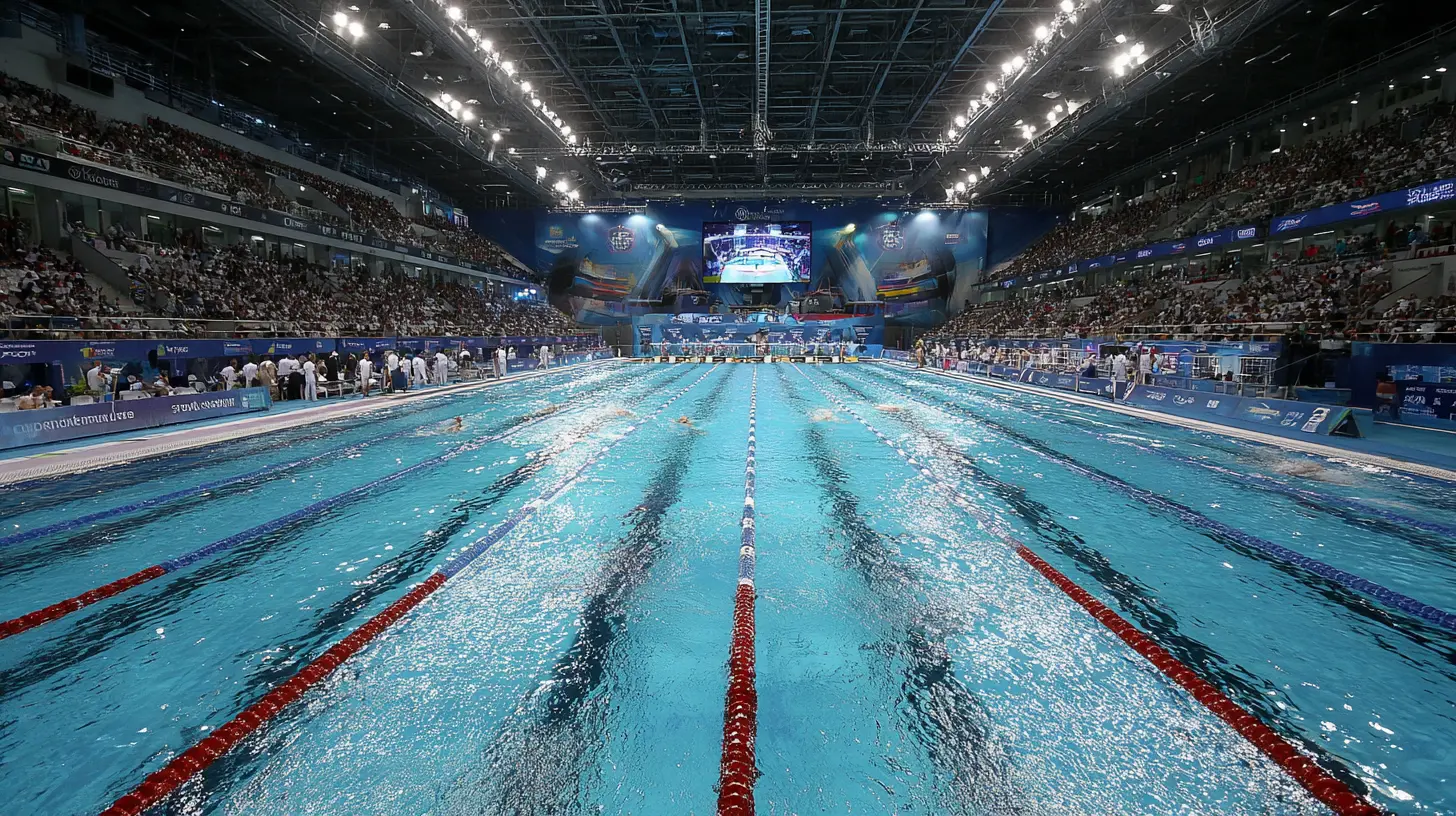
The Budapest Factor and the Home Crowd Advantage
Budapest is not a neutral venue. The Hungarians have a deep, passionate swimming culture. The Duna Arena, built for the 2017 World Championships, is one of the fastest and loudest venues in the sport. The crowd is knowledgeable, raucous, and unapologetically biased. That creates a specific dynamic that many swimmers do not anticipate.For the Hungarian team, this is a massive opportunity. They have a tradition of producing world-class breaststrokers and medley swimmers. Kristof Milak, when healthy and motivated, is a threat in the 200 butterfly and 200 freestyle. The home crowd can carry him to a performance that he might not achieve elsewhere. But the pressure is also immense. Hungarian swimmers will be expected to medal, and the media scrutiny will be relentless.
For visiting teams, Budapest is a hostile environment in the best sense. The noise is a factor. The acoustics of the Duna Arena create a wall of sound that can disrupt a swimmer's focus if they are not prepared. Experienced teams will arrive early, train in the pool, and simulate crowd noise in practice. Naive teams will be shocked. This is a practical detail that separates medalists from also-rans. The 2027 meet is not just about who is the best swimmer; it is about who can handle the specific chaos of a European home crowd. That is a skill in itself.
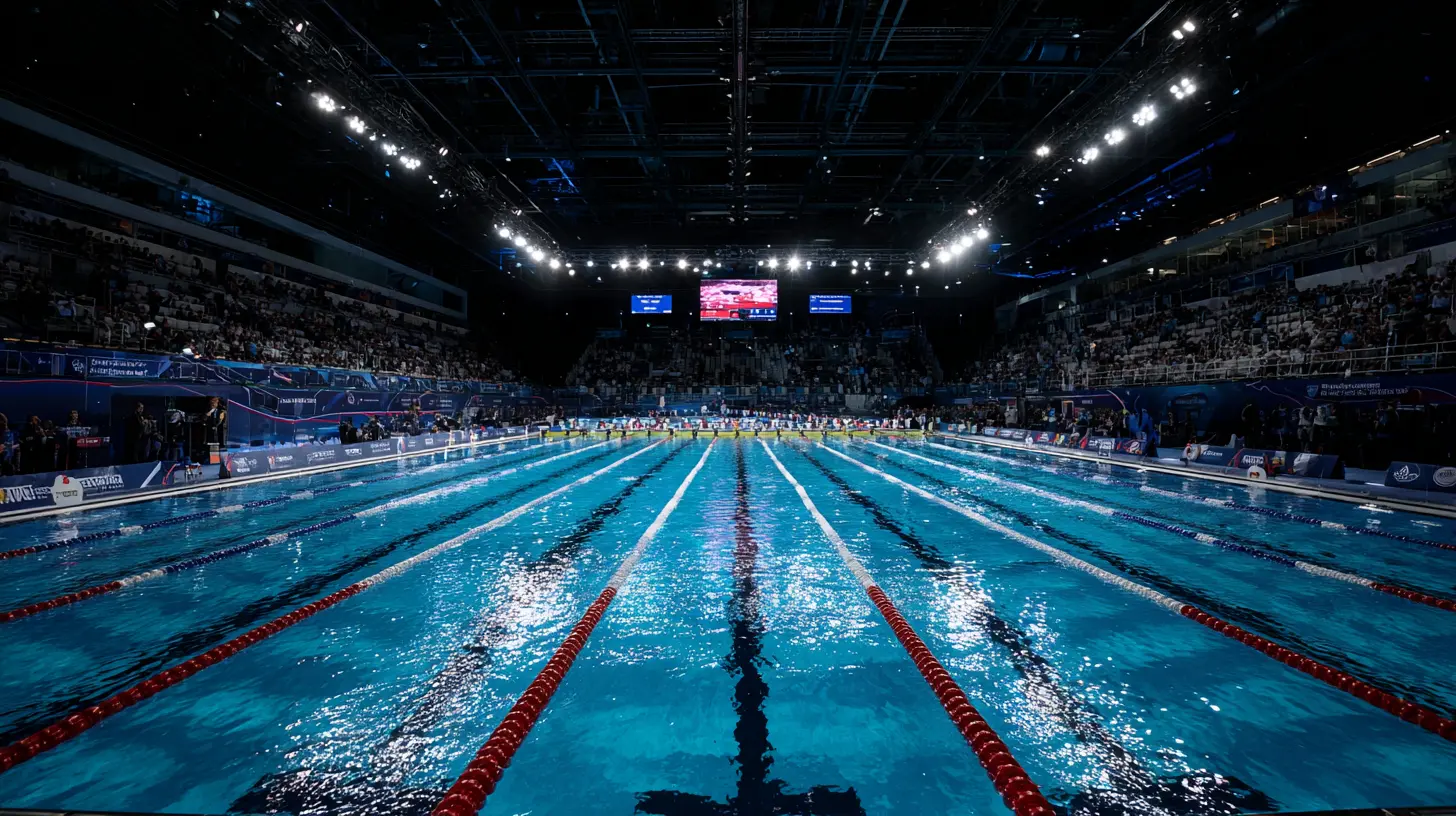
The Rise of New Swimming Nations
For decades, the sport was dominated by the United States, Australia, and a handful of European powers. That is changing. The 2024 Olympics saw breakthroughs from countries like Ireland, with Daniel Wiffen, and South Africa, with Tatjana Smith. But the bigger shift is in Asia and South America. China has been building a massive swimming infrastructure for years, and while doping controversies have tarnished some of their results, the depth of their program is undeniable. Japan is always a threat in the relays. Brazil is producing sprinters at an unprecedented rate.The 2027 World Championships will be the first major test of whether these emerging nations can sustain their growth. A one-off Olympic medal can be a fluke. A consistent performance across a full championship, including heats, semifinals, and finals, is a statement. The relay events will be particularly telling. In the past, the US and Australia could field two or three competitive relay teams. Now, countries like Italy, Great Britain, and China are challenging that dominance. If a non-traditional powerhouse wins a relay gold in Budapest, it signals a permanent shift in the sport's power structure.
This matters for the business of swimming. Sponsors follow medals. Television rights follow compelling storylines. If the sport becomes genuinely global, the revenue pool expands, which funds better training facilities, more competitions, and higher athlete stipends. The 2027 meet is a referendum on whether swimming is ready to be a truly international sport or whether it will remain a niche obsession for a few wealthy nations.
The Doping Question and the Integrity of the Sport
We cannot ignore the elephant in the pool. Swimming has been rocked by doping scandals, most notably the ongoing questions surrounding the Chinese program and the handling of positive tests by the World Anti-Doping Agency. The trust between athletes, governing bodies, and fans is fragile. The 2027 World Championships will be a pressure test for the integrity of the sport.The clean swimmers are watching. They want to know that the playing field is level. The fans are watching. They want to believe that what they see is real. The anti-doping authorities will be under intense scrutiny. The number of out-of-competition tests in the lead-up to Budapest will be a metric that journalists and analysts will track. If the testing is transparent and robust, the results will carry more weight. If there are whispers of missed tests or slow adjudication, the entire meet will be devalued.
This is not a problem that swimming can solve in one event. But the 2027 World Championships can set a precedent. If the organizing committee and World Aquatics prioritize biological passport tracking, if they openly publish the testing numbers, and if they enforce strict sanctions without political interference, they can begin to rebuild confidence. If they do not, the sport will continue to lose credibility, and the 2028 Olympics will suffer as a result. This is not a side issue. It is the central issue that determines whether the sport has a long-term future.
The Format Debate: More Events, More Medals, More Confusion
World Aquatics has been experimenting with the championship format. In recent editions, we have seen the addition of mixed relays, open water events, and high diving. The 2027 program is expected to include even more events, possibly new mixed distances or a team relay format that mimics the excitement of track and field's mixed relay.There is a strong argument for expansion. More events mean more opportunities for athletes who are not traditional pool swimmers. It also creates more television blocks and more chances for medals. But there is a downside. The schedule becomes bloated. Swimmers who want to compete in multiple events face brutal fatigue. The distinction between a "world champion" and an "event winner" becomes blurred. If you win the 4x100 mixed medley relay, does that carry the same weight as winning the 100 freestyle? The answer is no, and pretending otherwise devalues the core events.
The 2027 meet will be a test of whether this expansion is sustainable. If the schedule stretches to ten days or more, the media attention will wane. The audience will lose interest. The athletes will burn out. The organizers need to find a balance. They need to protect the prestige of the individual events while still offering novelty. This is a delicate trade-off, and how it is handled in Budapest will influence the format for the next decade. If the meet is too long and diluted, the ratings will drop. If it is tight and focused, it will thrive.
The Financial Stakes and the Media Landscape
Swimming is not a wealthy sport for most participants. Outside of a handful of stars, swimmers struggle to make a living. Prize money at world championships is minimal. The real money comes from national federation contracts, sponsorship deals, and Olympic bonuses. This creates a perverse incentive structure. For many swimmers, the world championships are just a means to an end. They need a good performance to secure funding for the next Olympic cycle.The 2027 meet is particularly important because it falls in the middle of the cycle. A swimmer who performs well in Budapest can negotiate a better contract for 2027 and 2028. A swimmer who falters may lose their funding and be forced to retire. This is a harsh reality. The financial pressure can lead to overtraining, burnout, and poor decision-making. Coaches need to be aware of this and help their athletes manage the stress.
The media landscape has also changed. Traditional television ratings for swimming are declining, but streaming platforms are growing. The 2027 World Championships will be broadcast on a variety of digital channels. The challenge is to create content that engages a younger audience. Short-form video, behind-the-scenes access, and athlete personalities will be key. The swimmers who can build a personal brand will attract more sponsors, which gives them a competitive advantage. This is a new skill that many veteran swimmers lack. The 2027 meet will be the first where social media presence is a genuine factor in an athlete's success, not just a side hobby.
Common Mistakes Athletes Make in a Mid-Cycle Championship
Let us talk practical advice. Many swimmers treat the world championship in the year before the Olympics as a peak meet. They taper, shave, and go all out. That is often a mistake. The 2027 meet is not the Olympics. The goal should be to gain experience, test race strategies, and build confidence, not to exhaust yourself physically and emotionally.Another common mistake is event overload. Swimmers want to prove their versatility by entering five or six events. In a long meet, that is a recipe for disaster. The rounds take a toll. By the final day, the legs are heavy and the mind is foggy. It is better to focus on two or three events and execute them perfectly. The swimmers who win multiple golds in Budapest will be the ones who have prioritized quality over quantity.
There is also the misconception that a poor result in 2027 means the Olympic dream is over. This is false. Many swimmers have had mediocre world championships and then gone on to win Olympic gold the following year. The 2027 meet is a data point, not a verdict. The key is to learn from the mistakes, adjust the training plan, and move forward. The athletes who can treat this meet as a learning opportunity rather than a final exam will be better prepared for 2028.
The Role of Coaches and Support Staff
The 2027 World Championships will be a test of coaching acumen, not just athlete talent. The best coaches will have a detailed plan for the entire year. They will know exactly when to peak, when to rest, and when to push. They will also manage the logistics of travel, nutrition, and recovery.A common mistake is to train too hard too early in the season. The world championships are in July or August. If a coach has the athlete doing intense volume in January, they will be burnt out by the summer. The periodization needs to be precise. The coach must also be flexible. If the athlete is showing signs of fatigue, the plan must change. The worst thing a coach can do is stick to a rigid schedule when the athlete's body is screaming for rest.
Support staff are equally important. Nutritionists, physiotherapists, and sports psychologists are now essential members of any top-tier team. The swimmer who neglects their mental health will struggle under the pressure of a world championship. The swimmer who eats poorly will not have the energy to compete at the highest level. The 2027 meet will expose the teams that are underprepared in these areas.
The Comparison with Other Major Meets
How does the 2027 World Championship compare to the Pan Pacific Championships or the European Championships? These regional meets are valuable for development, but they do not have the same global significance. The world championship is the only meet outside the Olympics where all the best swimmers from every nation are present. It is the true test of global supremacy.The 2027 meet is more important than the 2025 edition because of the timing. The 2025 meet was essentially a post-Olympic celebration. Many top swimmers were resting or taking a break. The 2027 field will be at full strength. Everyone will be aiming for LA 2028, and they will want to send a message. This is the last major international meet before the Olympic trials begin. A strong performance here can secure a spot on the national team. A poor performance can mean watching the Olympics from home.
The Legacy for Budapest and Hungary
Finally, we must consider the host nation. Budapest has a proud history of hosting major swimming events. The 2017 World Championships were widely praised as one of the best organized meets in history. The 2027 edition is an opportunity for Hungary to cement its reputation as a swimming capital.But there is also a risk. The Hungarian economy is not as strong as it was in 2017. The cost of hosting a major event has risen. The government has invested heavily in the Duna Arena and the surrounding infrastructure. If the event is a financial and logistical success, it will boost tourism and national pride. If it fails, it will be a burden on the public purse.
The legacy is not just about the event itself. It is about what happens after. The facilities need to be used by the public. The young swimmers who watch the meet need to be inspired to take up the sport. The 2027 World Championships will be a success if it leaves a lasting impact on the Hungarian swimming community, not just if it produces fast times.
Conclusion: A Defining Moment
The 2027 World Swimming Championships matter more than ever because they are the first true test of the post-Paris, pre-LA era. They will show us who is rising, who is falling, and who has the mental fortitude to handle the pressure. They will test the integrity of the sport and the wisdom of its leaders. They will provide a financial lifeline for athletes and a commercial opportunity for sponsors. And they will be held in a venue with a passionate crowd that can make or break a performance.For fans, this is not a meet to skip. It is a meet to study. The results will shape the narrative for the next two years. The swimmers who shine in Budapest will carry a psychological edge into the Olympic year. The swimmers who falter will have to rebuild their confidence. This is not just another championship. It is a defining moment for the sport, and we should all be paying close attention.
all images in this post were generated using AI tools
Category:
Upcoming TournamentsAuthor:

Onyx Frye
Discussion
rate this article
2 comments
Remi Hudson
This article highlights the significance of the 2027 World Swimming Championships beautifully. It's exciting to see how these events can inspire athletes and fans alike. The emphasis on unity and competition is crucial for the sport. Looking forward to what lies ahead!
September 23, 2026 at 4:13 AM
Julia Hahn
The 2027 World Swimming Championships are crucial for showcasing emerging talent and addressing global challenges in the sport. With increased competition and technological advancements, it's a pivotal moment for swimming's future.
September 19, 2026 at 12:55 PM
Onyx Frye
I completely agree. The 2027 championships could redefine the sport and highlight the next generation of swimmers. It's an exciting time for swimming.